High-reliability control units configured to meet localized regulatory standards and environmental challenges across the country.
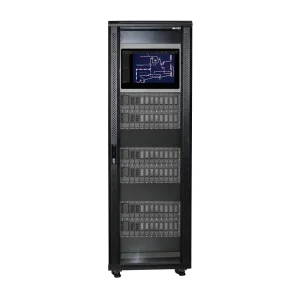
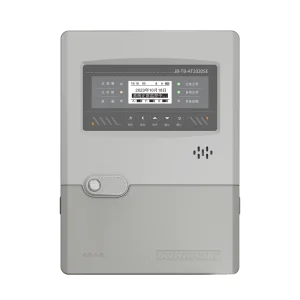
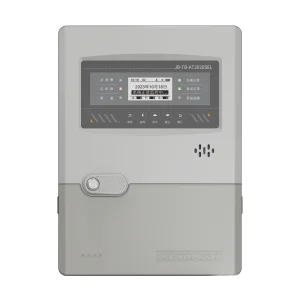
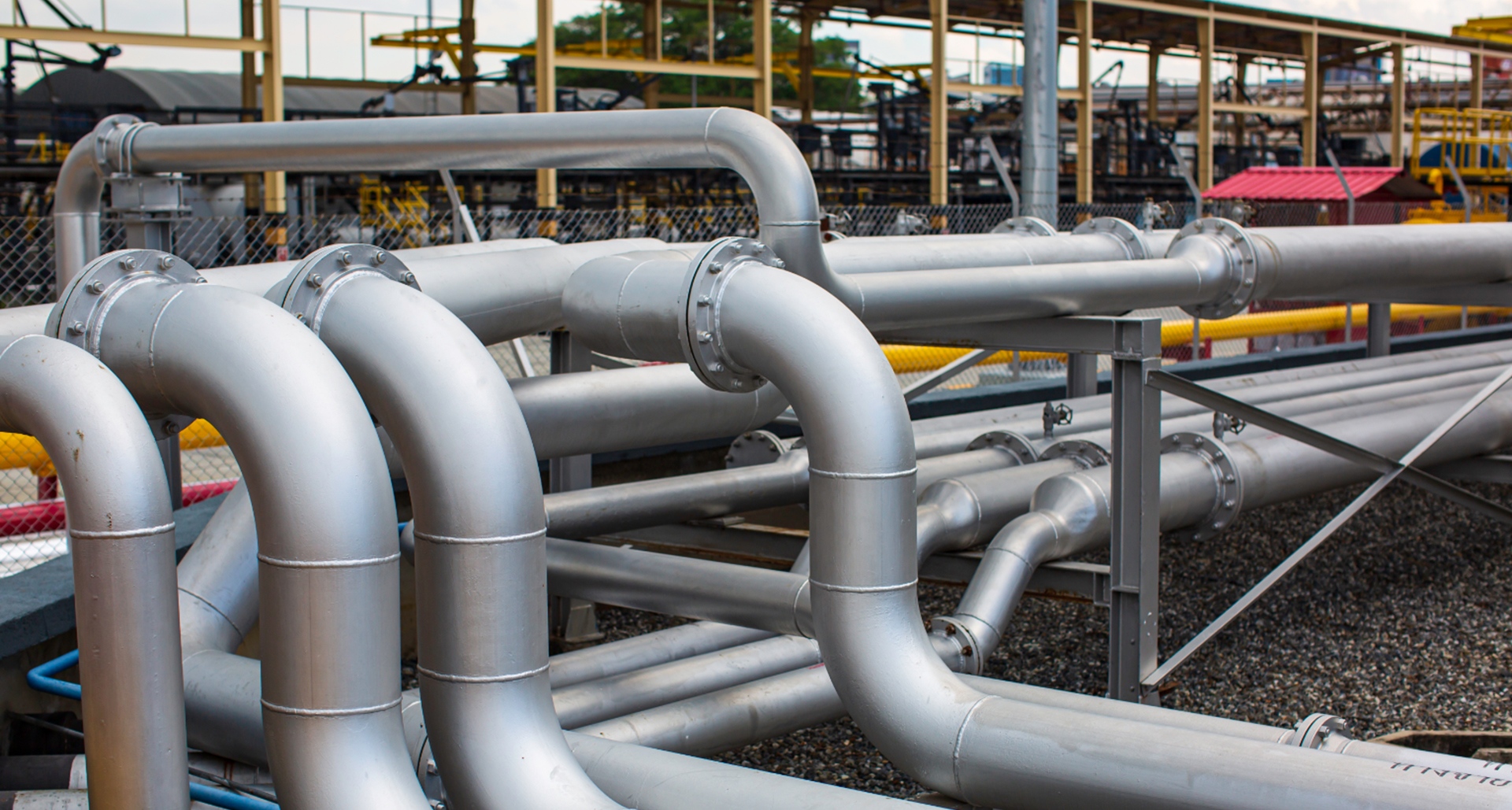
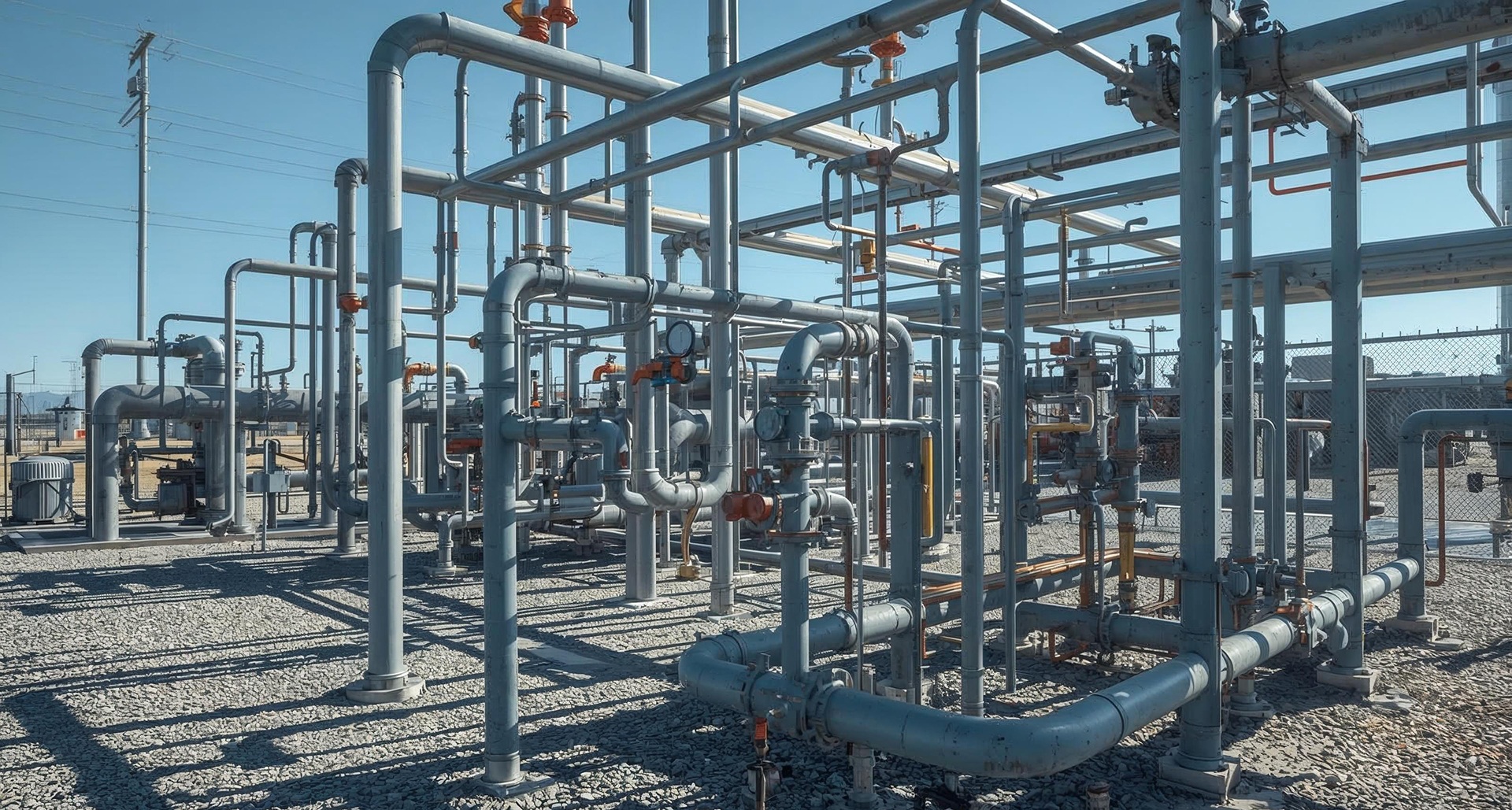
Bangladesh's macroeconomic trajectory has catalyzed a rapid shift from traditional agrarian production to sophisticated, high-density industrial clusters. Zones surrounding the Greater Dhaka area, Narayanganj, Gazipur, and the maritime port corridors of Chittagong are experiencing intensive development in chemical processing, pharmaceutical synthesis, fertilizer manufacture, and heavy garment processing. In parallel, the national expansion of natural gas distribution grids and the introduction of liquefied natural gas (LNG) terminals at Maheshkhali and Matarbari highlight the urgent need for robust hazardous gas monitoring systems.
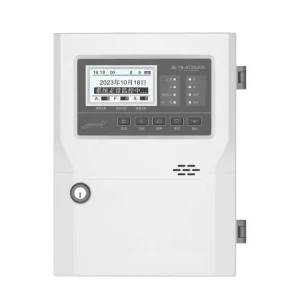
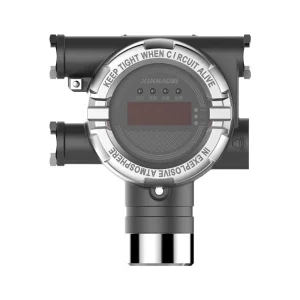
Within these industrial contexts, gas safety is not merely an optional protective layer; it is a fundamental compliance prerequisite. Volatile Organic Compounds (VOCs), combustible hydrocarbons (such as methane and LPG), and toxic byproducts (such as carbon monoxide and hydrogen sulfide) present persistent operating hazards. Standard gas detectors operate at the perimeter, but the central core of any gas monitoring strategy is the Gas Detector Controller. It acts as the central brain, processing inputs from distant field transmitters, coordinating alarm cascades, and initiating emergency shutdowns via solenoid valves or exhaust fans.
Bangladesh experiences a unique combination of high relative humidity (often exceeding 90% during the monsoon season), high ambient temperatures, and coastal salinity. Standard, unhardened industrial electronics deployed in such conditions are highly susceptible to galvanic corrosion, drift in electrochemical sensor components, and electrical short-circuits. Specifying gas detector controllers with IP66-rated enclosures, conformal-coated internal circuit boards, and integrated surge protection is vital for ensuring long-term system reliability.
To maintain regulatory compliance under the Department of Inspection for Factories and Establishments (DIFE) and the Bangladesh Fire Service and Civil Defence guidelines, modern factories are updating their safety protocols. Incorporating automated safety equipment that interfaces seamlessly with Building Management Systems (BMS) and emergency evacuation loops is key to meeting these new standards.
Comprehensive field instrumentation and control systems built to safeguard modern industrial ecosystems.
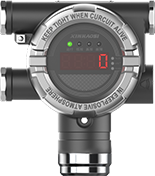
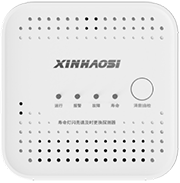
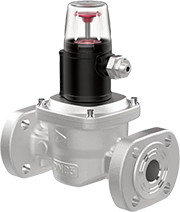
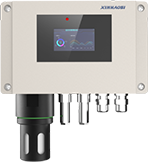
A gas detector controller acts as the central hub of an industrial gas safety system. In typical installations, such as at a textile finishing plant in Gazipur or a turbine power plant in Haripur, the controller sits in a safe area (control room or supervisor's office) and monitors field transmitters installed in hazardous zones. Signals from these detectors are processed and displayed in real time, with the system ready to trigger automatic protective measures if limits are exceeded.
Leveraging RS485 Modbus RTU protocols to support long-distance transmission over twisted-pair cabling. Enables the connection of multiple addressable detectors to a single controller, reducing overall wiring costs.
Equipped with programmable dry-contact relays, the controller instantly engages exhaust fans, sounders, and solenoid shut-off valves at critical gas thresholds.
Continuous background scanning monitors for loop short circuits, open loops, sensor failures, and power interruptions, minimizing system downtime.
Selecting a gas detector controller requires evaluating channel capacity, input signals (4-20mA analog or RS485 digital), and zoning capabilities. Modern industrial complexes often use addressable controllers because they simplify wiring, allow for detailed zone programming, and easily integrate with central Distributed Control Systems (DCS) via Modbus-to-Ethernet gateways.
Future Ready Engineering Solutions


We utilize advanced electronic detection technology to make unknown gas leak risks clear and visible. Founded in 2003, Xinhaosi is one of the most influential and reliable brands in the gas safety industry.
We provide customer-focused products and services to safeguard the safe operation of every factory, the comfort of every city, and the peace and happiness of every home. Powered by cutting-edge production systems and technology, we deliver advanced, intuitive, and precise gas safety solutions for shaping a safer future world.
More About Us & ServicesEmpowered by technology, full-chain integration, comprehensive protection, shaping the safety landscape with intelligence. We integrate sensors, controllers, communication relays, and emergency shutdown mechanisms into a single ecosystem.
More About Solutions



















Stay tuned for the latest updates from Xinhaosi & the Industry
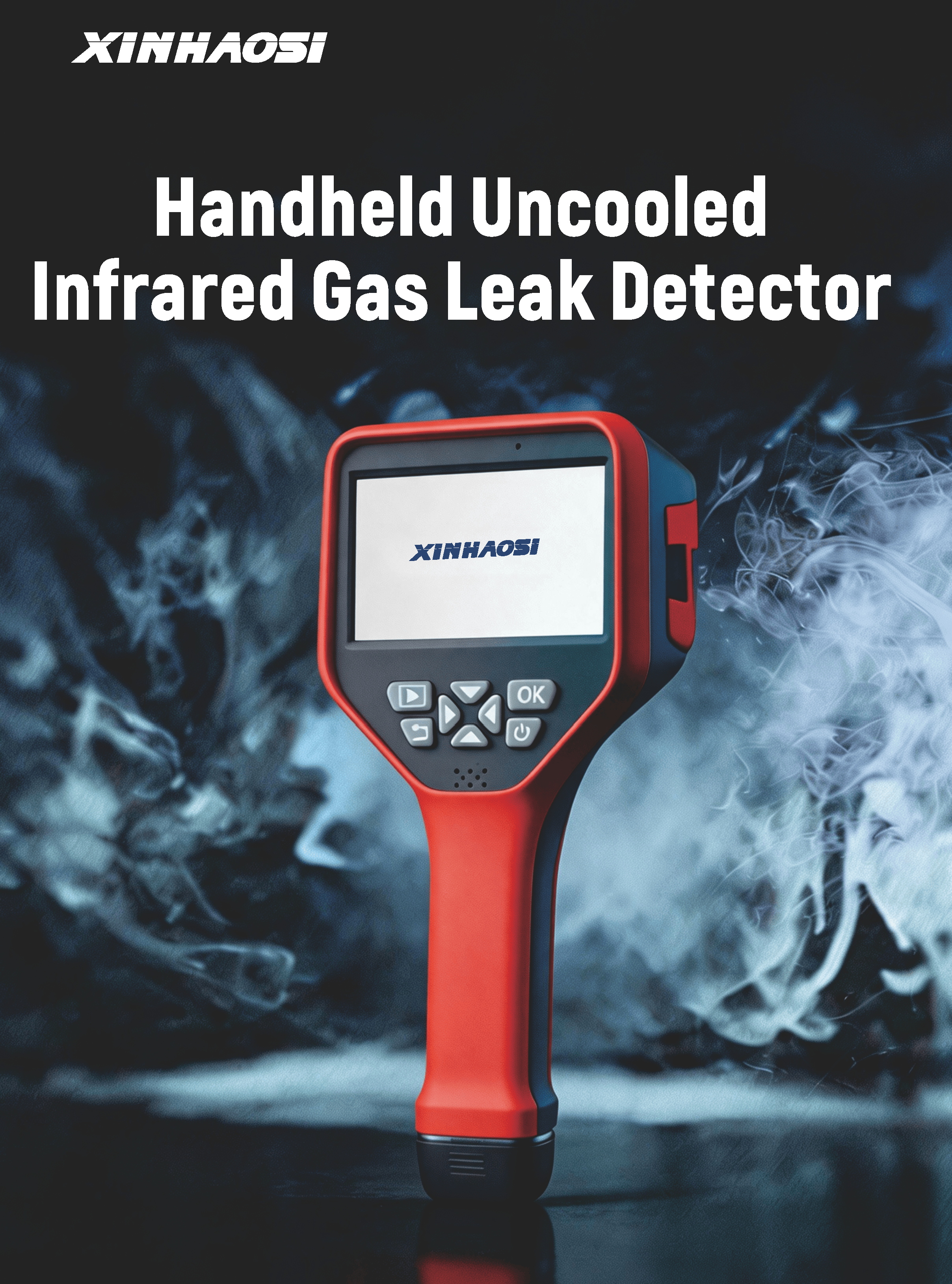
Xinhaosi Electronic Detection Technology Co., Ltd. officially launched its new Handheld Uncooled Infrared Gas Leak Detector, featuring dual-technology fusion, ultra-fast response, and long-distance non-contact detection to enhance safety and efficiency in petrochemical, refrigeration, natural gas and industrial safety scenarios.
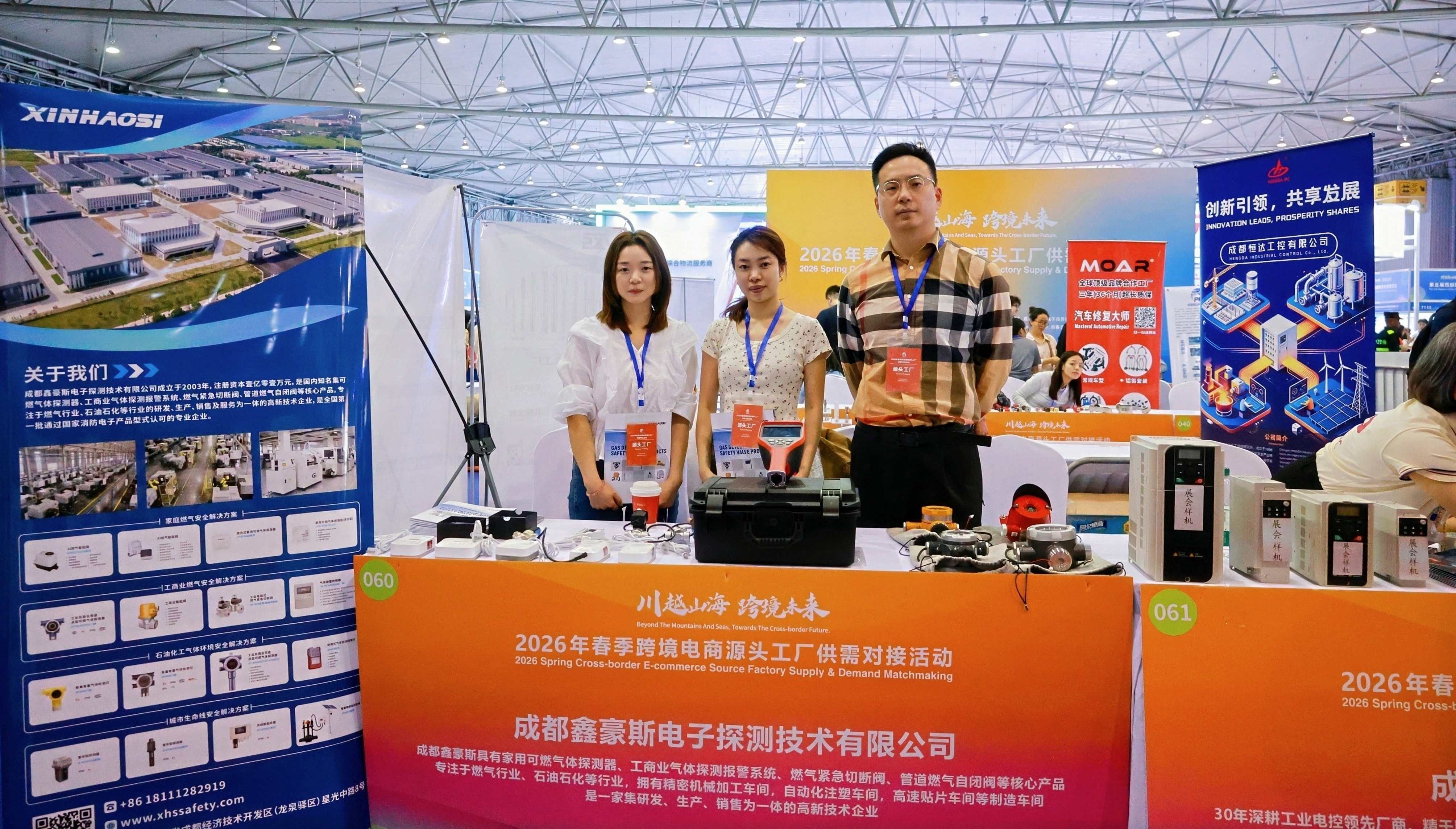
XINHAOSI recently participated in the 5th Western China Cross-Border E-Commerce Expo held in Chengdu. The event brought together cross-border e-commerce platforms, global buyers, manufacturers, and supply chain companies, creating new opportunities for international business cooperation and overseas market development.

XINHAOSI recently participated in the 2026 Sichuan (Chengdu) – Indonesia Industry Matchmaking Conference held in Chengdu. The event gathered enterprises and industry representatives from China and Indonesia to strengthen industrial cooperation and explore new business opportunities in Southeast Asia.
Procurement managers sourcing gas safety systems for Bangladesh must address several key requirements to ensure compliance and reliable operation. Standard safety components are not one-size-fits-all; they require integration across several technological dimensions:
Gas detector controllers and field transmitters deployed in hazardous areas must carry recognized certifications such as ATEX (Europe), IECEx (Global), or UL (Americas). These standards confirm that the devices are spark-proof and flame-proof, ensuring they cannot act as an ignition source in explosive atmospheres. Additionally, SIL-2 (Safety Integrity Level) certification is increasingly required for automated emergency shutdown systems.
Selecting the appropriate sensor technology depends on the target gases and environmental conditions. Catalytic bead sensors are standard for combustible gases, but they can be desensitized by silicones and chlorine compounds. Non-Dispersive Infrared (NDIR) sensors provide high immunity to contamination and excel in oxygen-depleted areas, while electrochemical cells offer high accuracy for toxic gases like CO, chlorine, and H2S.
Industrial facilities require customized monitoring zones. Modern controllers allow safety managers to partition plants into logic zones, ensuring that localized leaks only trigger local mitigation (such as triggering an exhaust fan in room A) rather than shutting down the entire plant.
Whether you operate a textile plant in Gazipur, a fertilizer facility in Sylhet, or an LNG installation in Chittagong, our technical engineering team can design a complete system to match your site specifications.
Request Technical ConsultationBrowse our full range of controllers, transmitters, and automated solenoid valves configured for regional industrial environments.
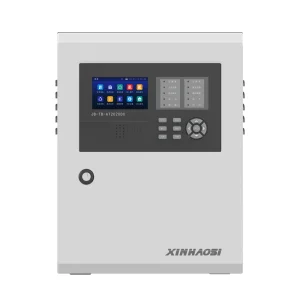
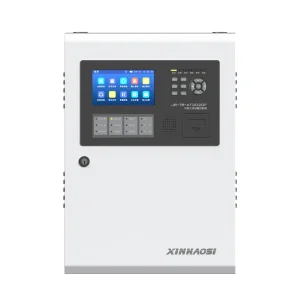
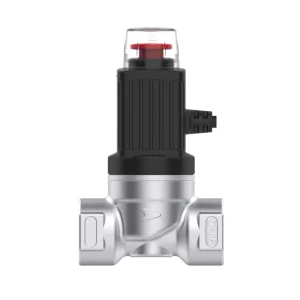
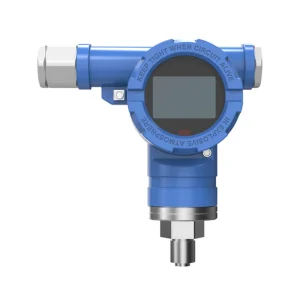

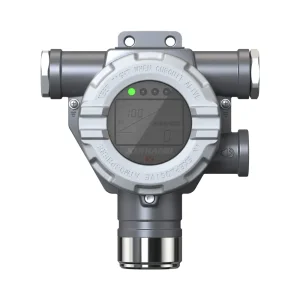
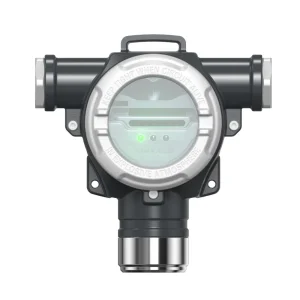
The integration of smart systems is shaping the future of industrial safety in Bangladesh. Static, isolated gas alarms are being replaced by interconnected networks. Key areas of focus for the next generation of gas detection systems include:
Next-generation controllers include integrated Ethernet and cellular communication interfaces. Safety managers can monitor real-time gas levels across multiple sites—such as Gazipur, Narayanganj, and Chittagong—from a centralized control room in Dhaka.
By analyzing sensor calibration trends, future controllers can predict when a sensor element is approaching the end of its service life or experiencing drift, allowing for scheduled maintenance before failures occur.
Where running cables is difficult, wireless protocols like LoRaWAN are being adopted. Battery-powered detectors transmit data back to a central controller, lowering installation costs for older facilities.
Actionable guidance for engineers, procurement officers, and safety managers in the Bangladesh market.
Under normal operating conditions with high-quality shielded twisted-pair cables (e.g., Belden 9841), Modbus RS485 communication loops can extend up to 1,200 meters without active repeaters. For sprawling factories in Narayanganj or Chittagong, installing RS485 repeaters allows for further signal extension to cover larger distances.
High relative humidity can lead to moisture condensation on sensor diffusion membranes, blocking gas path entry and reducing sensor sensitivity. Electrochemical cells can also absorb moisture over time, resulting in electrolyte dilution and drift. Regular calibration and the use of splash guards are recommended to mitigate these issues in humid environments.
A point gas detector monitors the gas concentration at a single physical location and outputs a direct signal (such as 4-20mA). An addressable controller acts as the system coordinator, consolidating signals from multiple point detectors, managing alarms, and initiating shut-offs across the facility.
Yes. Our controllers are equipped with configurable dry-contact relays. These relays can trigger solenoid shut-off valves (like the XF2 series) to shut down gas lines or interface with main fire alarm control panels (FACP) to coordinate facility-wide alarms.
Industry guidelines recommend calibrating electrochemical and catalytic sensors every six months to correct for drift and confirm system response. Sensors in challenging environments, such as dyehouses or chemical storage facilities, may require quarterly testing.