1 / 3

Quickly triggers alarm signals and interlock control when gas concentration exceeds set values to prevent accidents.
Adopts XBUS 2/4 wire protocol for easy wiring. Fully compatible with HBUS protocol for upgrading existing damaged controllers.
Supports optional wireless gateway (WiFi/NB/4G) for remote data viewing and mobile alarm notifications.
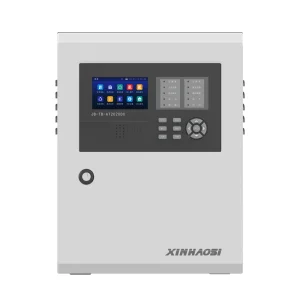
| Model | JB-TB-AT2020S |
| Working voltage | AC 170V-AC260V / 50Hz |
| Typical power | 5W Max (controller only) |
| Backup battery | Lead-acid battery |
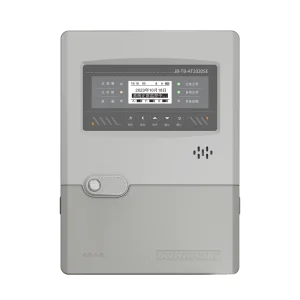
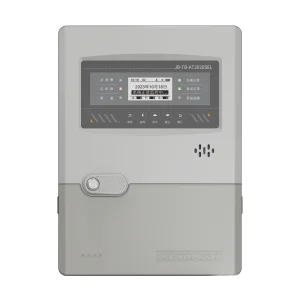
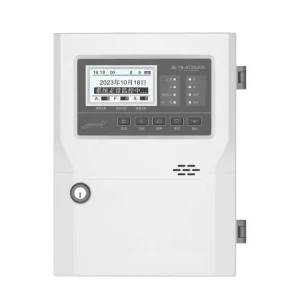
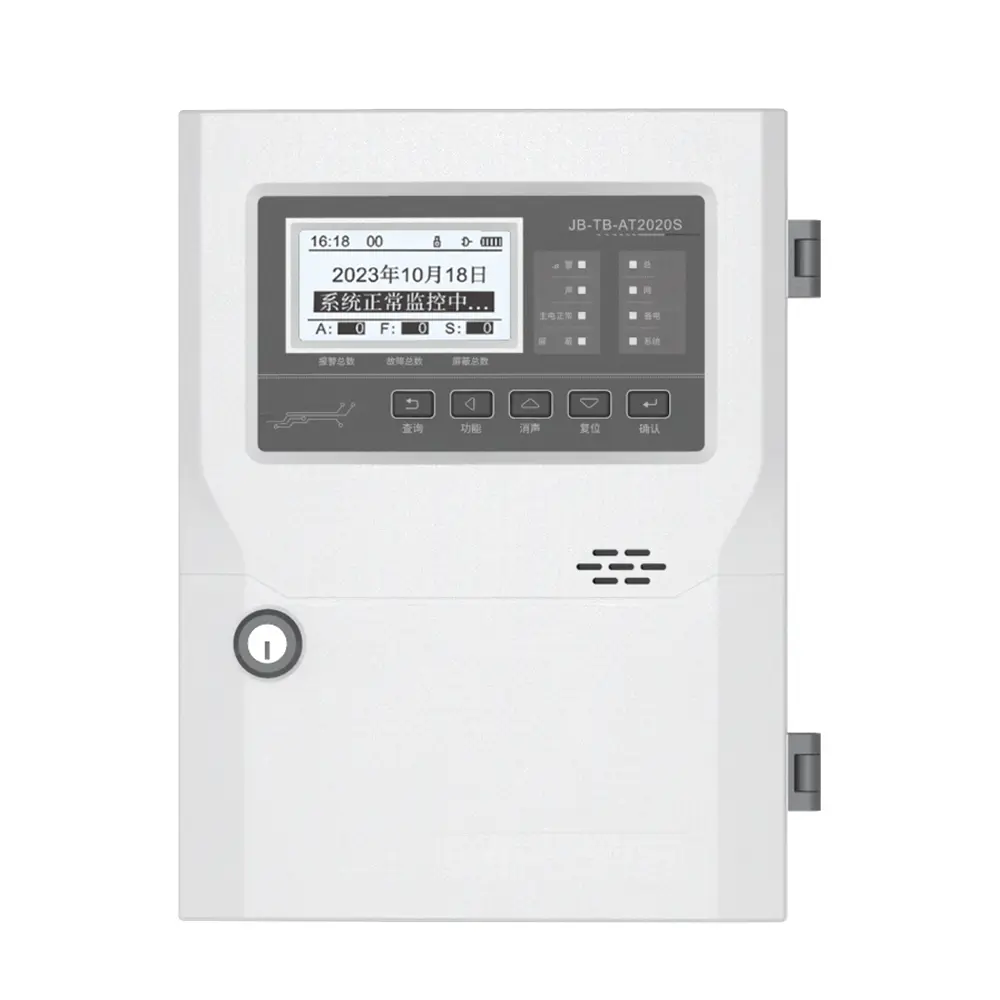
| Display | 3.2" dot matrix LCD |
| Communication | XBUS / HBUS |
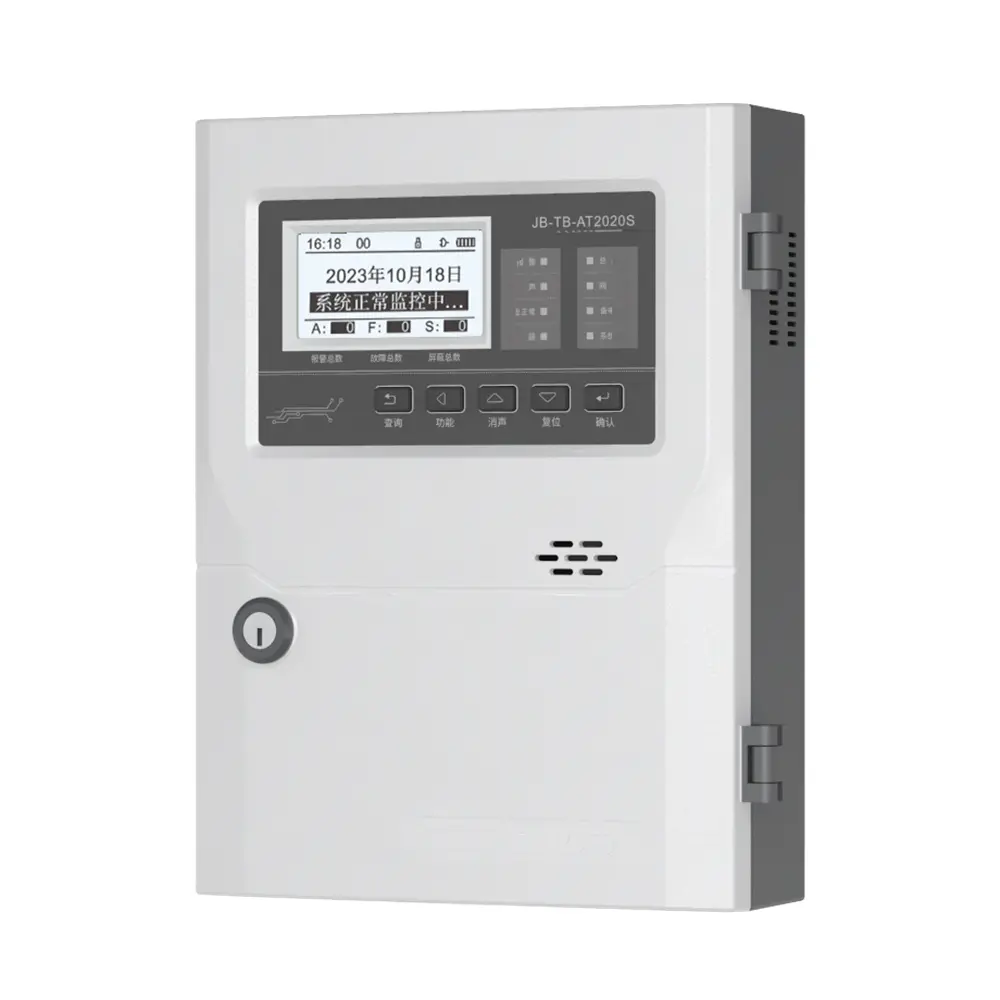
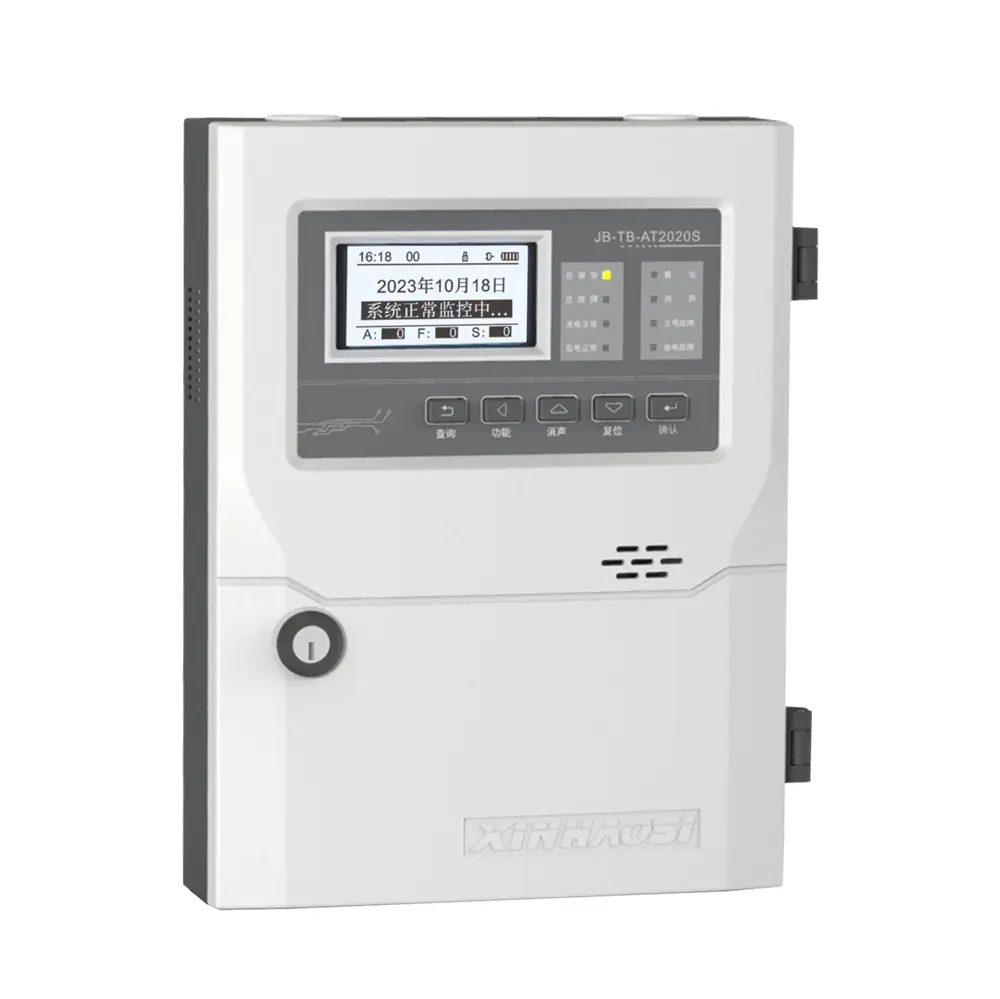
| Mounting type | Wall |
| Relay output | Built-in two groups of passive outputs (DC24V/2A or AC220V/1A) |
| Output type | Hold / Pulse (Adjustable) |
| Input type | Built-in passive switch input, allowing for programmed control of external outputs through interlocking |
| Transmission distance | 1500m Max |
| Capacity | 32 channels Max |
| Circuit | 1 |
| Size | 320(W) x 240(H) x 86(D) mm |
| Wireless transmission | Option: wifi / NB / 4G |
| Language | English / Chinese |
This controller is cost-effective and designed specifically for small to medium-sized industrial projects requiring zone interlocking functions, such as workshops, warehouses, and assembly lines.
Yes. Because the controller is compatible with the HBUS protocol, you can directly upgrade existing damaged controllers without having to replace the entire monitoring system, which significantly reduces replacement costs.
The controller supports a maximum capacity of 32 channels on 1 circuit, and can handle a maximum transmission distance of up to 1500 meters.
Yes, there is an optional wireless gateway supporting WiFi, NB-IoT, and 4G connection options, enabling remote data viewing and real-time alarm notifications.
It features a 3.2" dot matrix LCD display that supports quick language switching between English and Chinese for convenient debugging and monitoring.
The device features built-in passive switch inputs and two groups of passive outputs (DC24V/2A or AC220V/1A) with adjustable Hold/Pulse settings, allowing for programmed control of external interlocking safety devices.