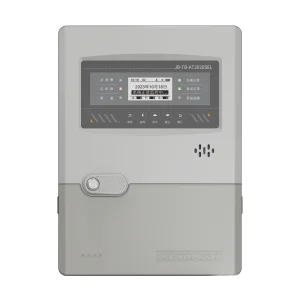
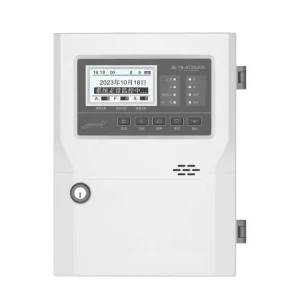
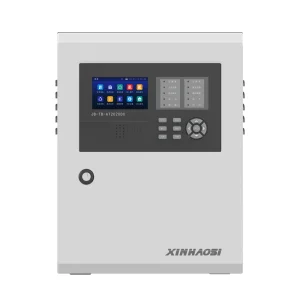
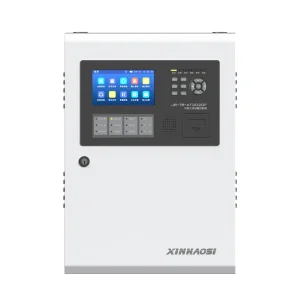
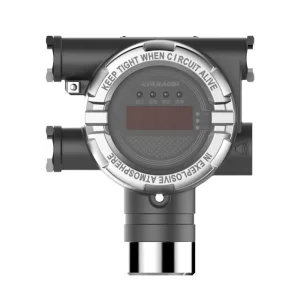
Explore our highly integrated industrial gas monitoring controllers engineered by state-of-the-art Chinese manufacturing facilities to secure global hazardous operations.
In modern high-risk industrial environments, safety monitoring is no longer just a regulatory compliance checkbox; it is a vital operational foundation. The term Gas Detector Controller refers to the central control panel or hub of any comprehensive toxic or combustible gas detection system. Operating as the "central nervous system", these controllers continuously collect analog and digital signals from local sensor transmitters distributed throughout hazardous process areas. By aggregating data, interpreting gas concentration trends, and triggering automated safety mitigation systems, gas detector controllers serve as the thin line of defense between routine operations and catastrophic industrial emergencies.
Founded in 2003, Xinhaosi has established itself as one of the most influential and reliable brands in the gas safety industry. With over two decades of expertise, the company leverages cutting-edge electronic detection technology to make unknown gas leak risks clear and visible. The brand's philosophy, "X Represents the Unknown Risks, X Represents the Next-Gen Safety Technology," underpins its commitment to researching, developing, and manufacturing robust controllers that empower global industrial, municipal, and household environments to prevent gas-related accidents before they manifest.
Continuous data pooling from electrochemical, catalytic bead, infrared (IR), and photoionization detectors (PID) across RS485 or 4-20mA loop interfaces.
Dynamic evaluation of TWA, STEL, and LEL limits. Embedded processors filter false positives through complex signal-drift algorithms.
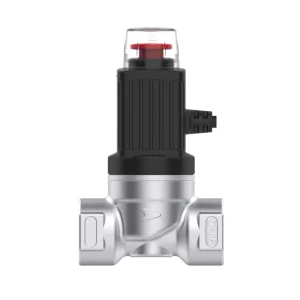
Actuating visual/audible alarms, driving local exhaust ventilation fans, and triggering emergency shutoff gas solenoid valves (e.g., XF2 and XF3 series).
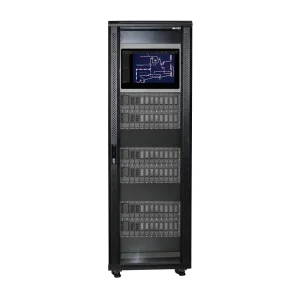
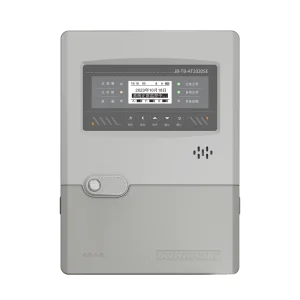
The system integration typically consists of gas detector transmitters, controllers, local warning indicators, and critical safety valves. As shown in the original product configurations (including high-quality models such as JB-TB-AT2020DX and JB-TB-AT2020SEL), modern controllers are configured with modular cards that allow operators to scale their systems from simple 4-channel setups for small boiler rooms to highly complex 64- or 128-channel configurations for massive chemical refineries. The integration of high-performance controllers enables plants to fulfill their safety mandate, ensuring that accidental releases are addressed instantly, minimizing property damage, environmental degradation, and most importantly, saving human lives.
Purchasing gas safety products from specialized Chinese manufacturers such as Xinhaosi provides distinct structural advantages. The industrial gas detection sector in China is supported by robust electronic infrastructure, precision metal and plastic fabrication clusters, and rapid technological deployment. These factors allow a Chinese gas detector controller factory to design, produce, and export devices that are cost-effective without sacrificing technical precision or ruggedness.
By localizing the entire supply chain—from high-performance microcontrollers, LCD screen fabrication, and precision enclosure molding, to final assembly testing—Chinese factories minimize lead times. Rather than sourcing individual components from multiple disparate regions, factories in electronic hubs like Chengdu, Shenzhen, and Suzhou maintain immediate contact with sub-component manufacturers. This localization insulates global buyers from raw material bottlenecks and unexpected logistics crises.
In addition to supply chain velocity, the Chinese manufacturing sector excels in rapid prototyping and iterative design. A professional manufacturer can take an OEM request, design the PCB schematic, construct a physical 3D-printed enclosure prototype, write custom localized firmware, and produce a pilot batch in a fraction of the time required by traditional Western plants. This speed facilitates the dynamic incorporation of emerging technologies, such as IoT connectivity, advanced Modbus RTU communication cards, and integrated diagnostic routines.
Furthermore, stringent quality testing processes are standard across China's premium gas detector controller factories. These include automated optical inspection (AOI) for circuit boards, high-temperature environmental aging chambers to simulate harsh field environments, and automated gas calibration chambers. This ensures that every controller leaving the production floor meets the exact tolerances required for explosive or hazardous chemical atmospheres.
For international buyers, importing a gas safety system is highly dependent on regional certification compliance. Different markets require specific product approvals to authorize installations inside hazardous areas. Experienced Chinese factories work closely with global certification bodies (such as TÜV, SIRA, and UL) to ensure that their products fulfill safety regulations across various markets.
Essential for European and international explosive atmosphere compliance. Undergoing rigorous thermal endurance, flameproof (Ex d), and intrinsic safety (Ex i) verification to operate reliably in Zone 1 and Zone 2 environments.
Safety Integrity Level (SIL) ratings certify the probability of failure on demand. Leading factories design their controller architectures with redundant watchdogs, voting logic (e.g., 2oo3 voting systems), and hardware diagnostics to achieve SIL 2 certifications.
True localization involves custom HMI interfaces. Controllers such as the JB-TB-AT2020S can be flashed with multi-language packages (English, Spanish, Portuguese, French, Arabic) and aligned with local electrical grid and warning standards.
Beyond certifications, localization extends to local technical support, installation training, and commissioning. Top-tier manufacturers support regional distributors and engineering contractors with comprehensive SDKs, Modbus register maps, and technical documentation. This enables seamless integration of the gas safety network into existing distributed control systems (DCS) or supervisory control and data acquisition (SCADA) platforms, keeping operations compliant with local health and safety executives (such as OSHA or EU-OSHA).
Industrial procurement agents, safety directors, and system integrators evaluate more than just the purchase price when selecting a manufacturing partner. Critical criteria include the Total Cost of Ownership (TCO), sensor compatibility, and system flexibility.
First, Sensor and Controller Compatibility is crucial. A versatile controller must support varied inputs. A typical industrial site may utilize electrochemical detectors for toxic gases like Carbon Monoxide (CO), Hydrogen Sulfide (H2S), and Chlorine (Cl2), alongside infrared sensors for Carbon Dioxide (CO2) or LEL detection of Methane. An adaptable controller series, like the JB-TB-AT2020F, handles diverse input types simultaneously, converting multiple raw signals into clear digital displays on a single control panel.
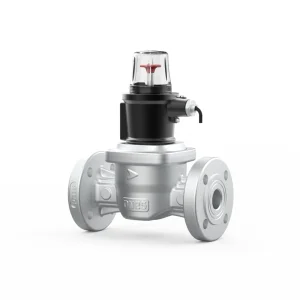
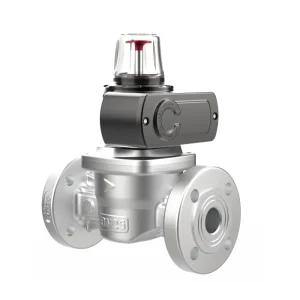
Second, Actuator and Shutoff Valve Integration represents a vital purchasing consideration. An alarm is only as effective as the automated safety action it triggers. Sourcing teams look for systems that integrate directly with high-capacity gas shutoff solenoid valves. When the controller detects gas concentrations exceeding the primary alarm threshold, it sends a direct electrical pulse to close the solenoid valves (such as the XF2 or KT-XF5 series), shutting down gas lines at the source before ignition can occur.
Third, the trend toward Smart Factories & IoT Diagnostics is redefining the industry. Procurement teams increasingly specify controllers equipped with Ethernet interfaces, MQTT protocols, and cloud-connectivity features. This enables central safety teams to monitor gas levels across multiple factories globally in real-time, receiving mobile notifications the instant an anomaly is detected, and planning preventive maintenance based on sensor calibration drift patterns.
Gas safety systems operate across different environments, each with unique challenges. A high-quality installation must tailor the system architecture to these specific requirements:
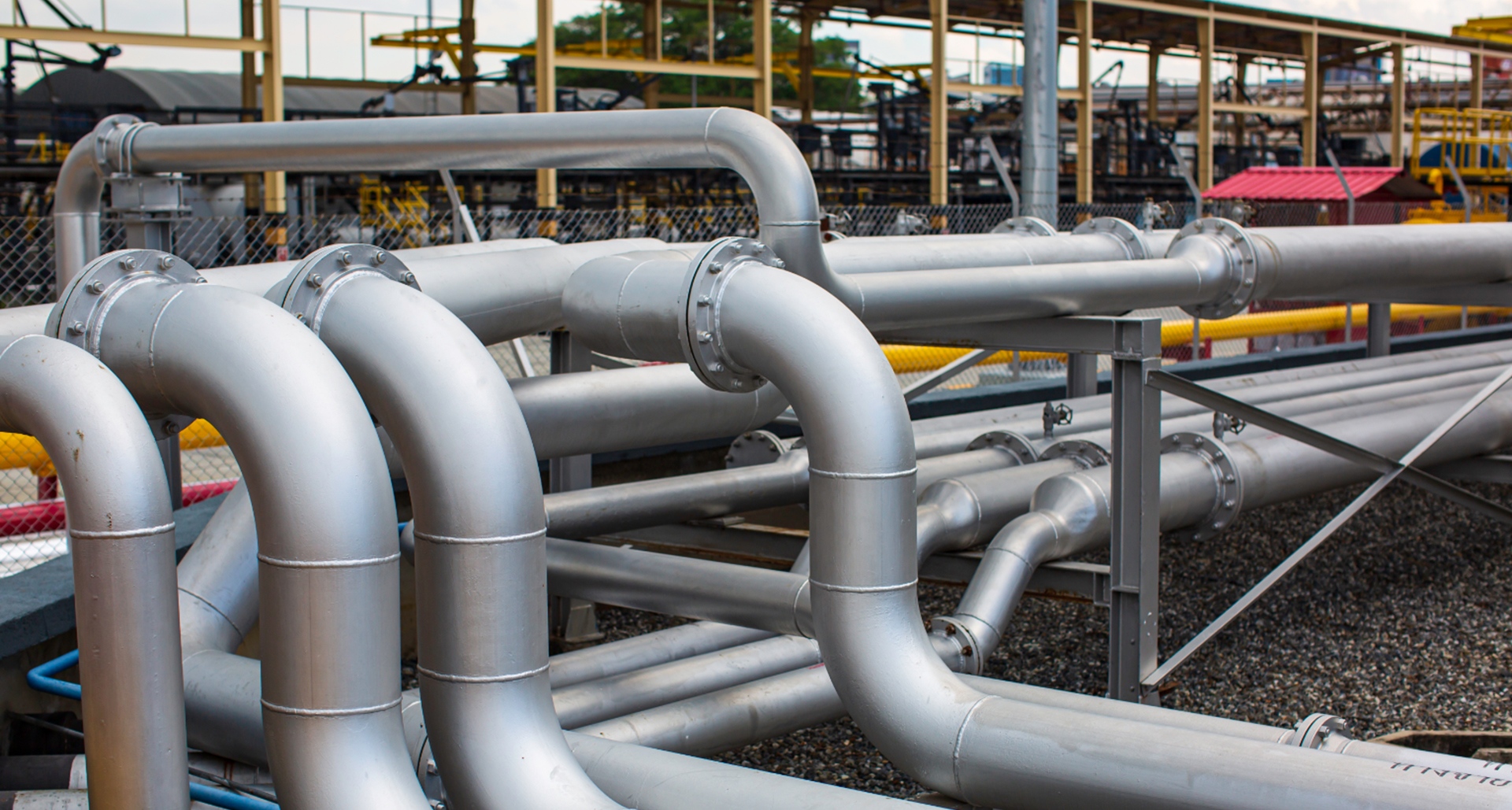
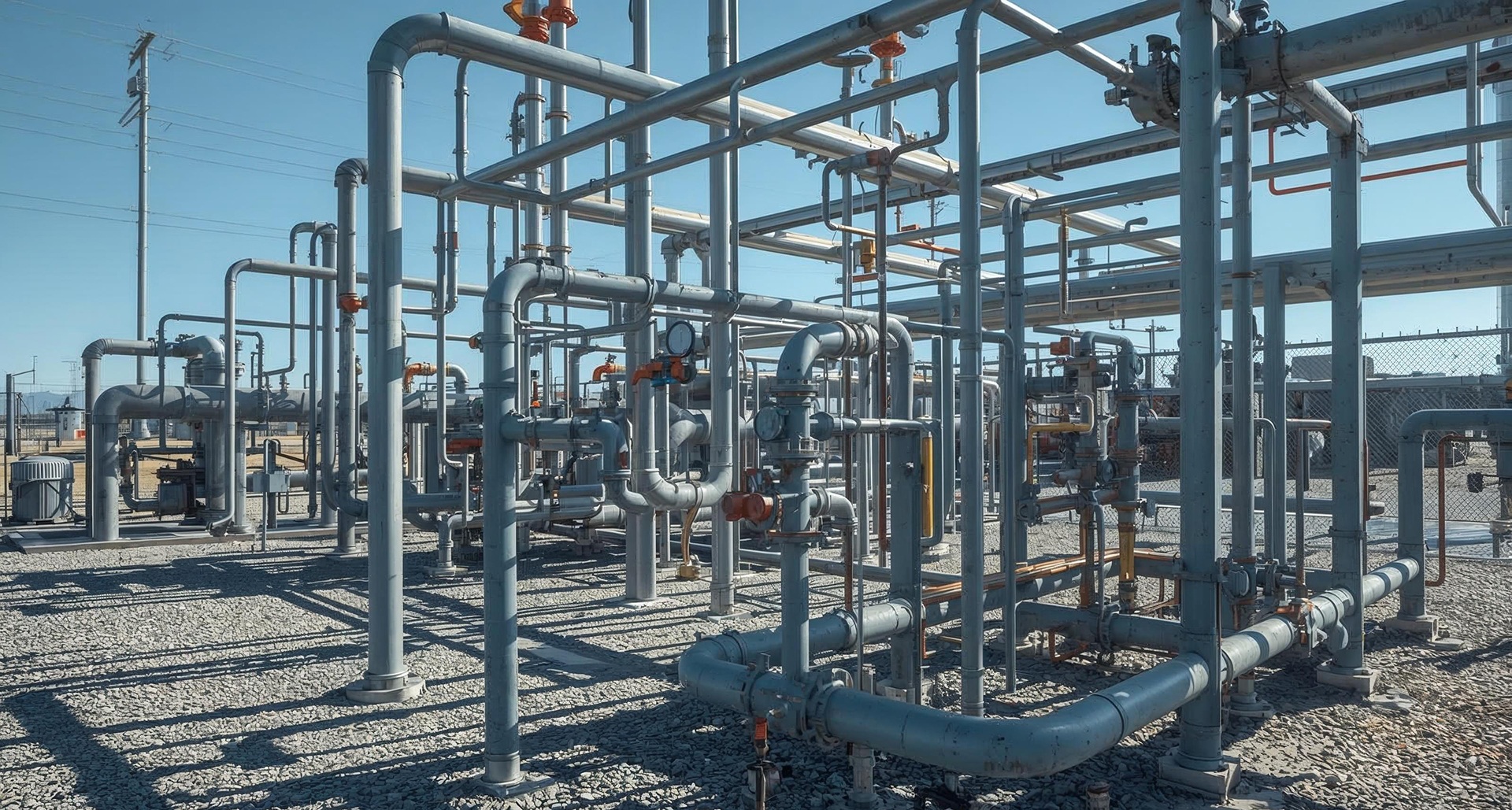
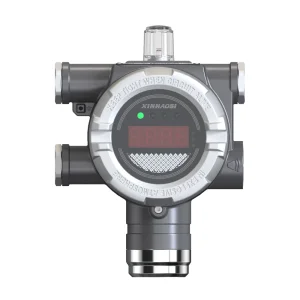
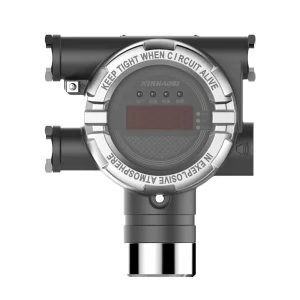
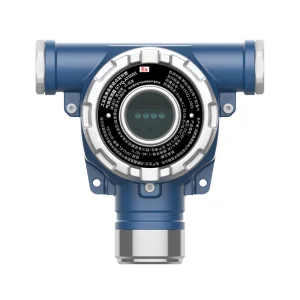
Characterized by volatile organic compounds (VOCs), hydrogen sulfide, and methane risks. Heavy-duty explosion-proof detectors (e.g., GTYQ-XP4000B or AT0602) are paired with multi-channel rack-mounted controllers located in protected control rooms, managing hazardous Zone 1 areas via steel-wire armored cables.
Monitoring critical city gas infrastructure, valve stations, and municipal pipeline tunnels. Systems deploy rugged controllers connected to smart telemetry RTUs, transmitting alarm packets via 4G/5G or LoRaWAN to metropolitan emergency services to prevent large-scale urban disruptions.
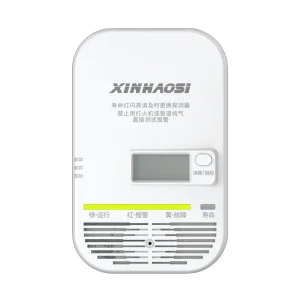
Focused on carbon monoxide and natural gas safety. These configurations typically utilize compact, cost-efficient wall-mounted controllers integrated with local alarm sirens and domestic gas shutoff valves (e.g., JT-AT2066AK/B and XF2 Series), ensuring simple installation and high reliability.
Stay tuned for the latest updates from Xinhaosi and the global gas safety industry.
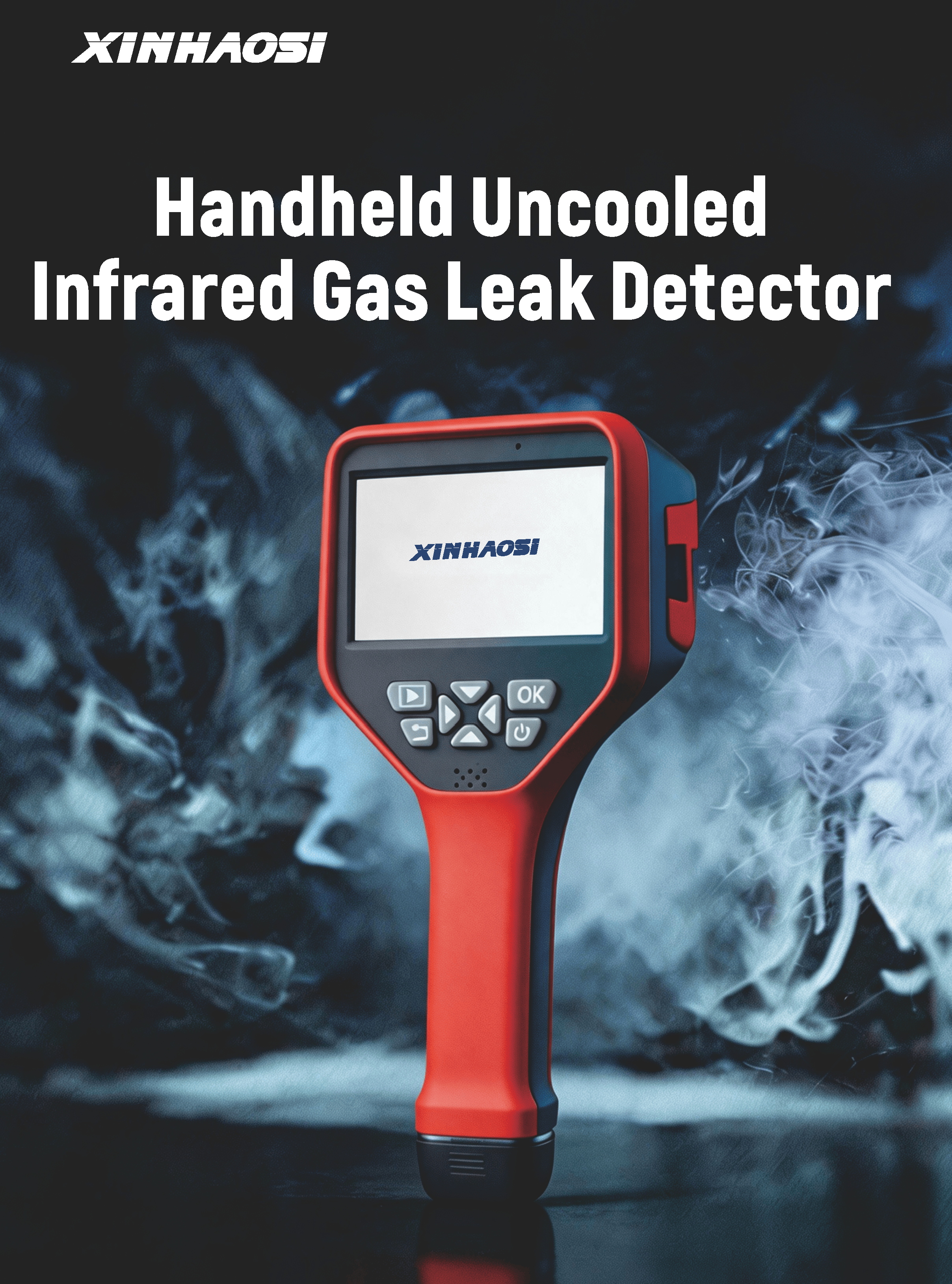
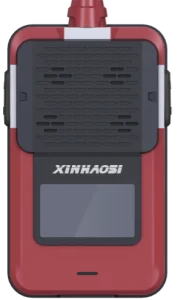
Xinhaosi Electronic Detection Technology Co., Ltd. officially launched its new Handheld Uncooled Infrared Gas Leak Detector, featuring dual-technology fusion, ultra-fast response, and long-distance non-contact detection to enhance safety and efficiency in petrochemical, refrigeration, natural gas and industrial safety scenarios.
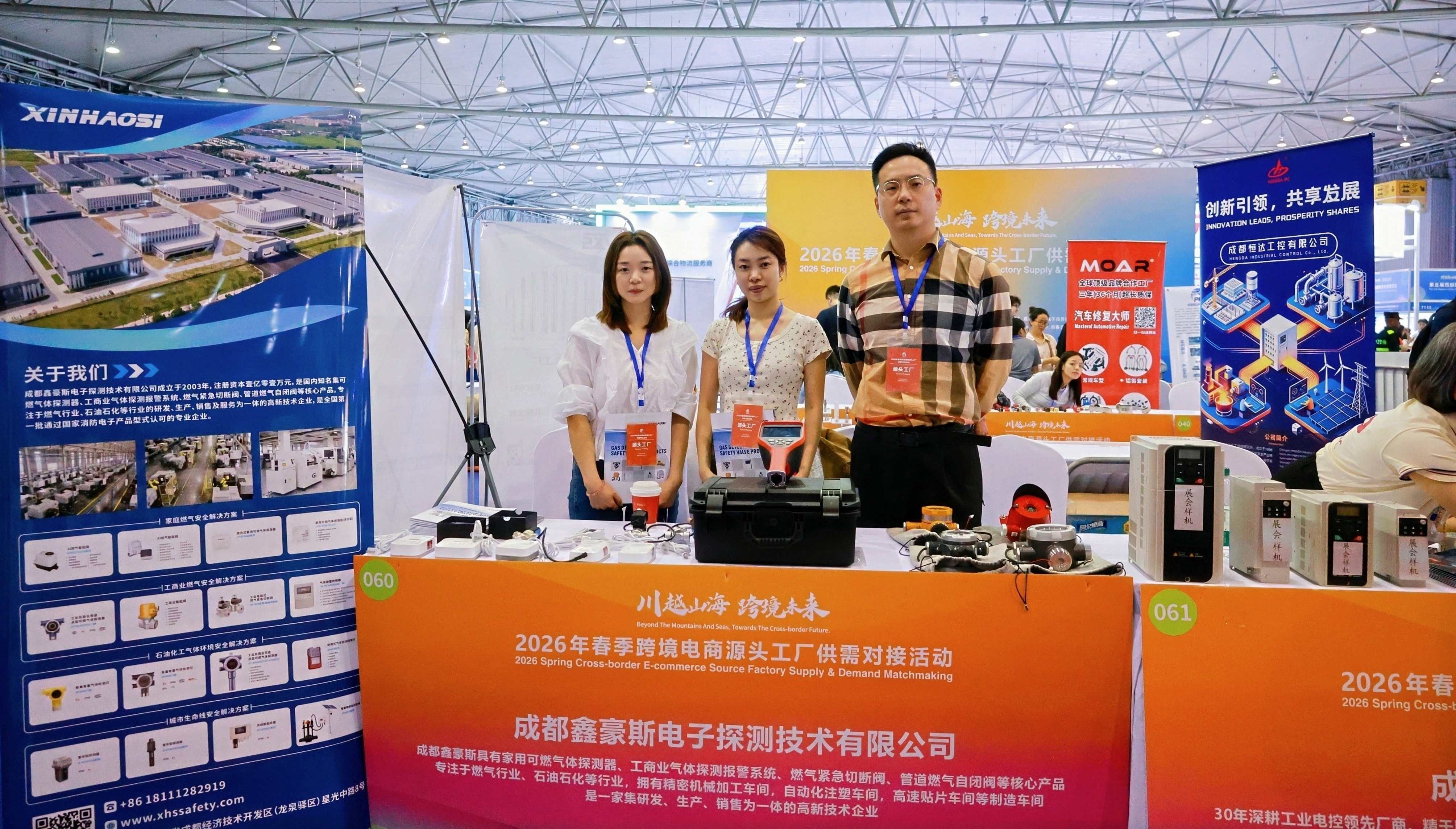
XINHAOSI recently participated in the 5th Western China Cross-Border E-Commerce Expo held in Chengdu. The event brought together cross-border e-commerce platforms, global buyers, manufacturers, and supply chain companies, creating new opportunities for international business cooperation and overseas market development.

XINHAOSI recently participated in the 2026 Sichuan (Chengdu) – Indonesia Industry Matchmaking Conference held in Chengdu. The event gathered enterprises and industry representatives from China and Indonesia to strengthen industrial cooperation and explore new business opportunities in Southeast Asia.
Read technical insights and expert guidance on installing, selecting, and maintaining gas detector controllers and associated components.
Collaborating with global brands and local leaders to build a safer industrial landscape.
























Complementary equipment engineered to work seamlessly with our controller platforms for comprehensive protection.
Established in 2003, Xinhaosi remains one of the most trusted names in gas safety and monitoring systems. We design, manufacture, and integrate industrial gas and flame detectors, warning panels, and high-performance safety shutoff valves.
By integrating advanced R&D with functional manufacturing pipelines, we provide intuitive solutions designed to simplify compliance and protect lives. Whether configuring systems for municipal networks, chemical plants, or residential properties, we deliver reliability in gas safety.
More About Us