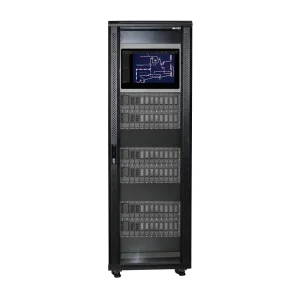
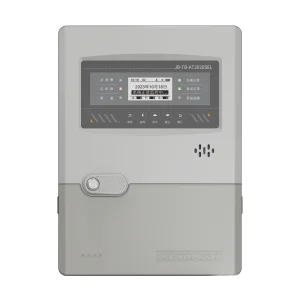
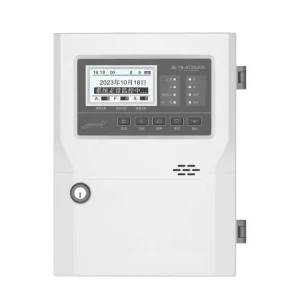
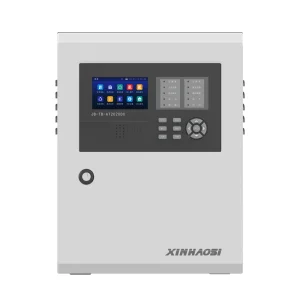
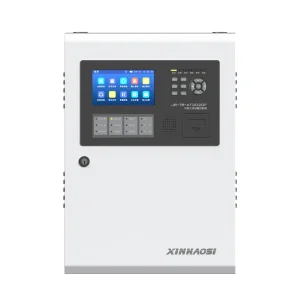
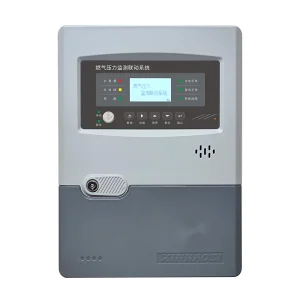
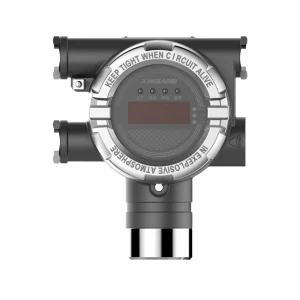
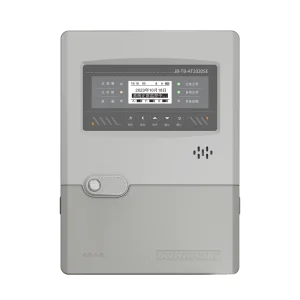
Advanced centralized controllers providing real-time telemetry, relay signals, and automated shut-off linkages for Hanoi industrial networks.
Hanoi has transitioned rapidly from a light assembly hub into a sophisticated high-tech electronics, automotive, chemical, and heavy machinery center. Key zones like the Thang Long Industrial Park, Noi Bai Industrial Zone, Quang Minh Industrial Zone, and the Hoa Lac High-Tech Park host key production complexes. With these manufacturing systems comes the storage, pipeline distribution, and local usage of hazardous materials, including liquefied petroleum gas (LPG), compressed natural gas (CNG), volatile organic compounds (VOCs), and toxic process chemicals like hydrogen sulfide, carbon monoxide, ammonia, and chlorine.
Regulatory frameworks in Vietnam, monitored under the Ministry of Industry and Trade (MoIT) and local firefighting authorities, mandate strict fire prevention and occupational hazard protection rules. Specifically, the national building regulations (QCVN 06:2022/BXD) and fire safety codes require that facilities storing combustible substances, or deploying pressurized gas lines, integrate certified centralized gas detection controllers. These must be linked to automatic emergency shut-off valves, fire alarm control panels, and ventilation fans. Selecting reliable gas detector controllers that integrate with field detectors is a prerequisite for passing regular fire safety checks and protecting human lives.
Industrial procurement agents and engineering companies managing facilities in Hanoi often encounter obstacles during the acquisition of gas safety systems:
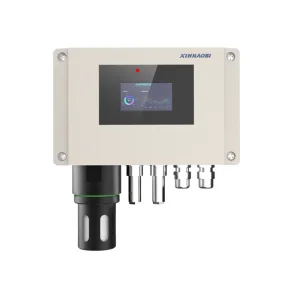
A typical centralized gas safety architecture consists of field-level gas/flame sensors connected to a multi-channel gas detection controller, which operates as the command hub. The controller continuously evaluates gas concentration thresholds (Lower Explosive Limit - LEL, or Parts Per Million - PPM). If a threshold is crossed, the controller triggers a series of actions:
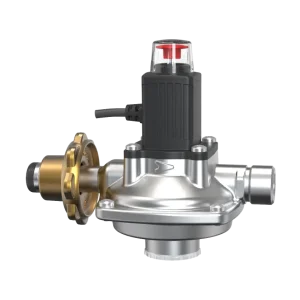
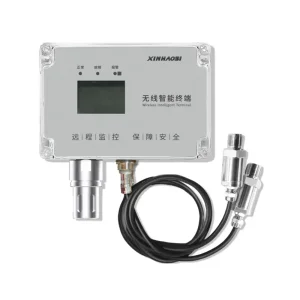
First, it triggers localized audio and visual beacons to warn workers on the floor. Second, it sends an emergency digital signal to an interlock control box, which commands the main line solenoid valve (e.g. the Industrial & Household Gas Solenoid Valves) to shut off the gas supply. Third, it starts extraction fans to clear hazardous gases and relays the alarm to the facility's SCADA system or Distributed Control System (DCS). For isolated sub-stations or urban distribution pipelines, wireless smart pressure monitors and wireless intelligent terminals broadcast pressure and concentration telemetry over LoRa or NB-IoT networks back to the main control center in Hanoi, enabling remote safety management.
Founded in 2003, Xinhaosi has spent over two decades developing high-performance gas sensing and alarm controller infrastructure.
We focus on end-to-end integration, providing smart detection, reliable controllers, solenoid shutoff valves, and IoT cloud telemetry platforms.
Send Inquiry NowAdapting leading technology to secure operations across diverse commercial, residential, and heavy industrial infrastructures.
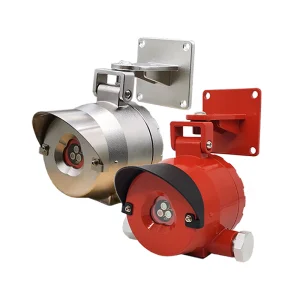
Using advanced electronic systems to detect gas leaks and flash fires in chemical, metallurgical, and semiconductor manufacturing facilities.
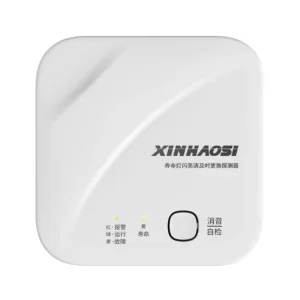
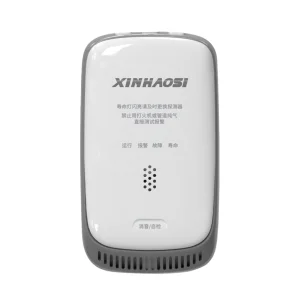
Protecting kitchens, multi-story commercial spaces, and boiler rooms with automated residential monitors linked directly to solenoid valves.
Smart pressure monitoring and wireless NB-IoT terminals that transmit real-time telemetry back to city networks for predictive maintenance.
Transforming unseen gas leaks and hazards into clear, manageable visual data through advanced electronic systems.
Year Established
Exporting Nations
Safety Integrity Certification
Sensor Calibration Precision
Traditional gas detection was historically responsive, warning facility managers only after a gas cloud reached an active ignition source or toxic exposure levels had already been exceeded. Modern gas safety requires proactive monitoring. Xinhaosi’s technology roadmap integrates high-performance optical, electrochemical, and catalytic bead sensors with local control units that process raw data at the edge.
Our new Handheld Uncooled Infrared Gas Leak Detector demonstrates this change, using infrared thermography to identify non-contact gas plumes from safe distances. In industrial control rooms, our controllers collect digital telemetry and execute smart logic loops. The systems identify minor pressure drops and concentration changes before they trigger full alarms, helping operators correct process leaks before they disrupt operations.
Technical guidance and installation recommendations for systems deployed in Northern Vietnam.
Tracking the development of safety regulations, exhibitions, and new hardware releases.
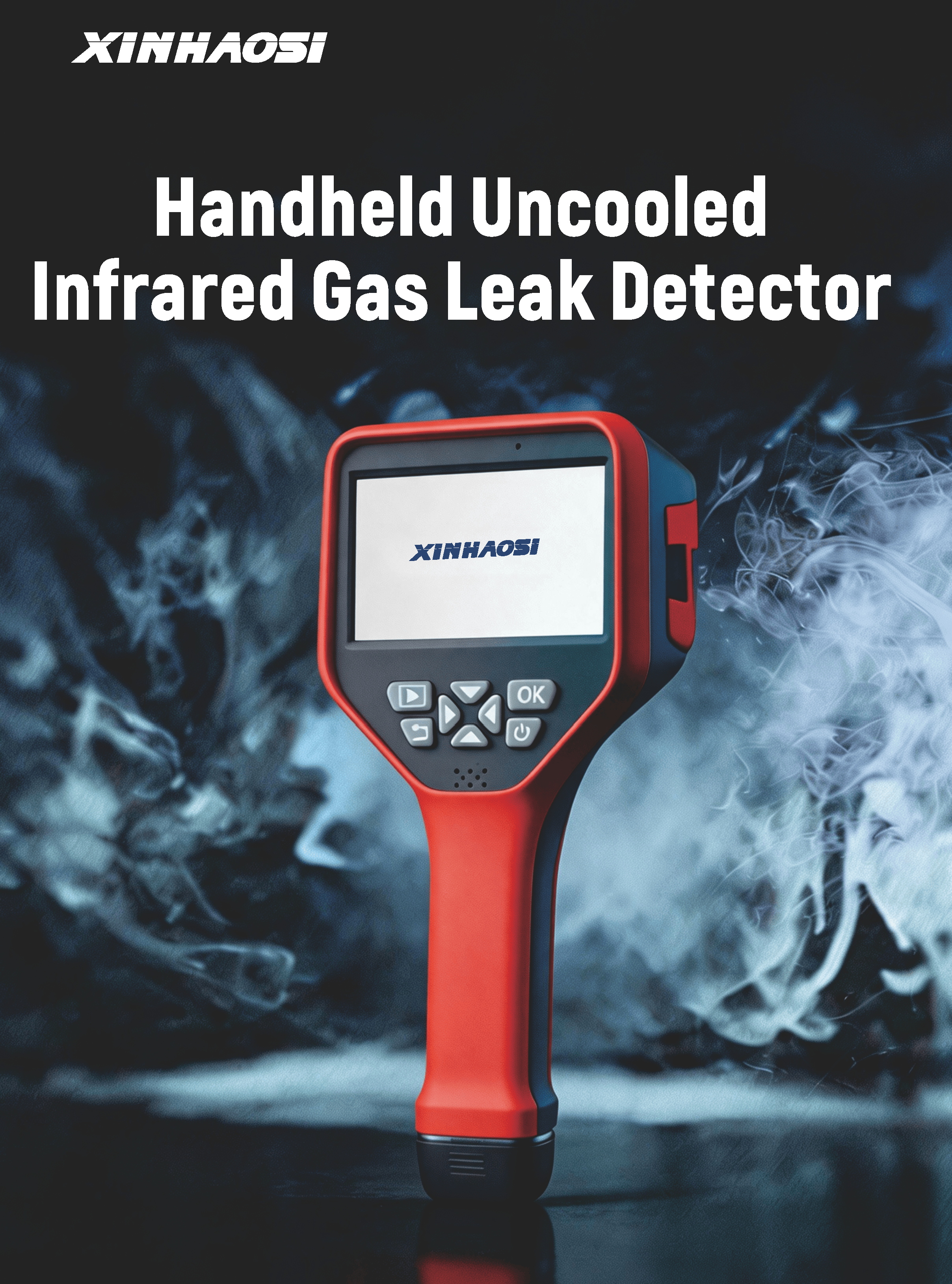
Featuring dual-technology fusion, rapid response times, and long-range non-contact detection to enhance safety in chemical, refrigeration, and industrial complexes.
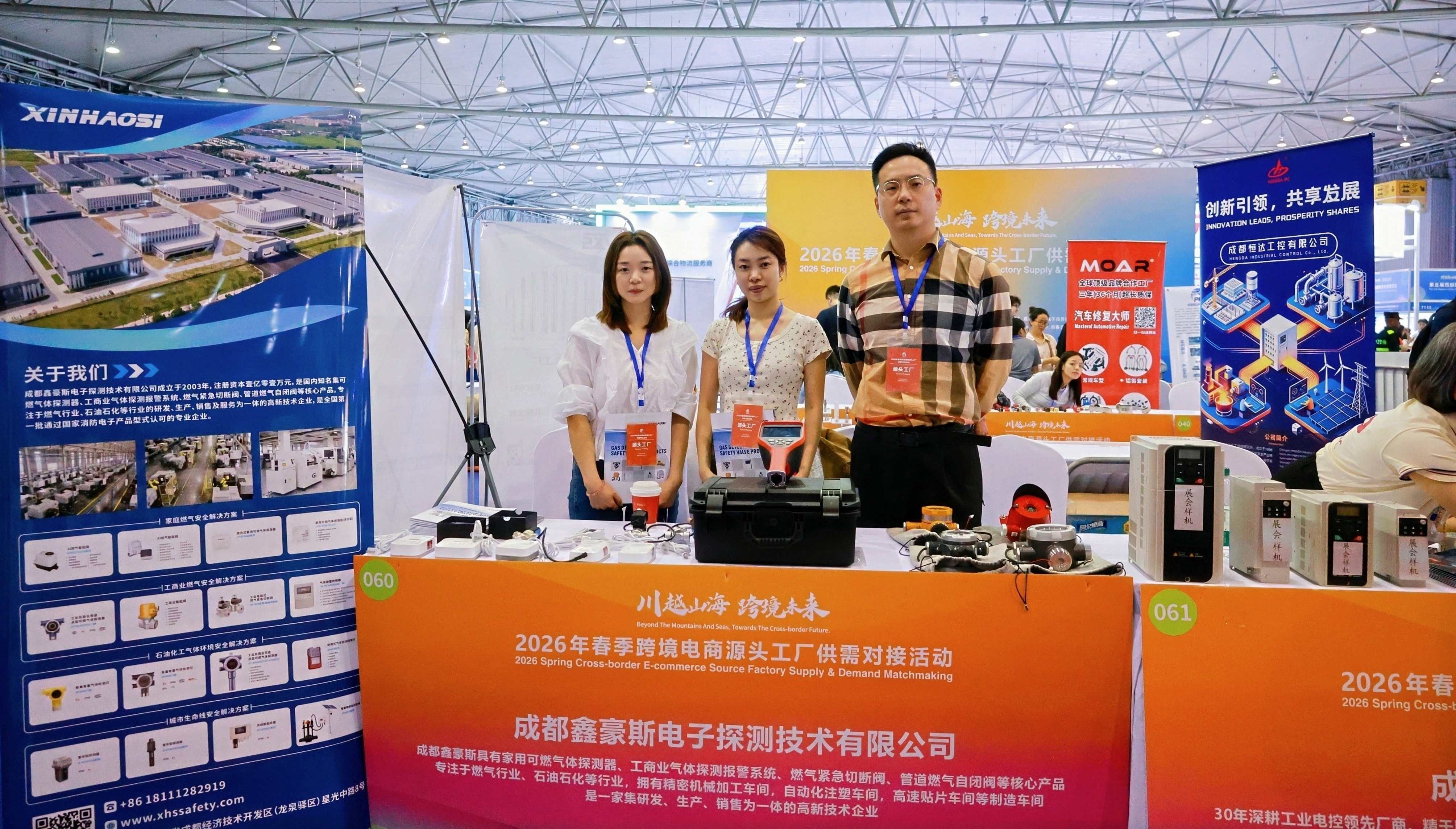
Connecting with international buyers, engineering firms, and supply chain partners to expand our distribution network in Southeast Asian markets.

Strengthening industrial cooperation, promoting our safety controllers, and expanding technical partnerships across ASEAN countries.
Explore our complete range of certified detectors, transmitters, terminals, and regulators available for projects in Hanoi.
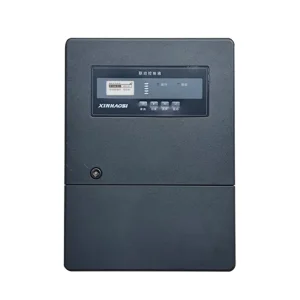
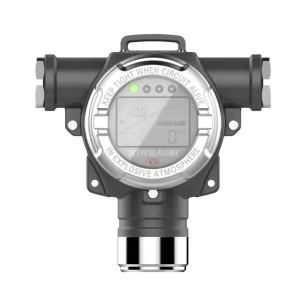
Working alongside international industrial businesses to deliver gas safety compliance and dependable monitoring.