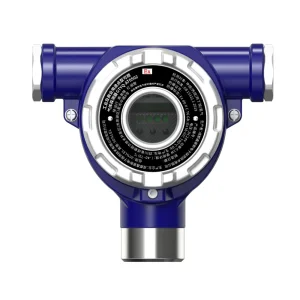
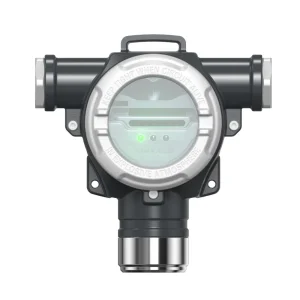
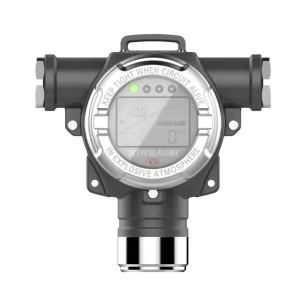
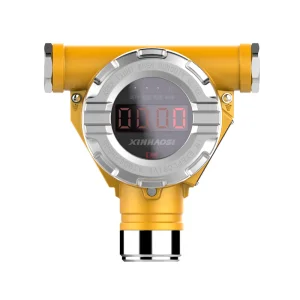
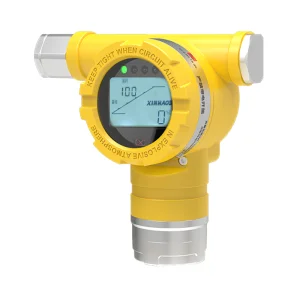
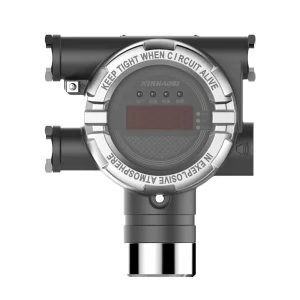
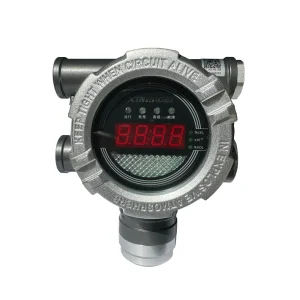
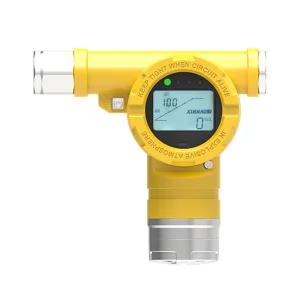
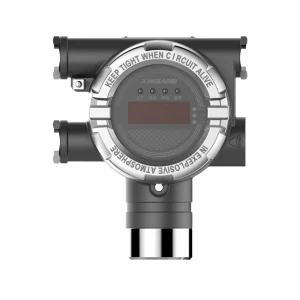
Explore our core gas detection units optimized for Istanbul's petrochemical, marine, and urban utility installations. Fully compliant with rigorous ATEX and IECEx standards.
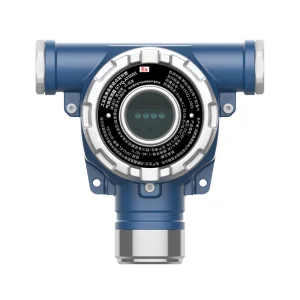
Istanbul stands as the vital economic heart of Turkey, bridging Europe and Asia across the historic Bosphorus Strait. This unique geographic positioning has fostered a vast industrial landscape, encompassing the Tuzla Shipyards, the heavy manufacturing zones in Hadımköy and Ikitelli, and massive energy storage terminals on both the Anatolian and European sides. As chemical processing, manufacturing, logistics, and marine transport continue to grow, the risk of toxic and combustible gas leaks increases proportionally.
Strict regional compliance standards, heavily aligned with EU directives, demand that factories, municipal water treatment facilities, and energy storage hubs install reliable fixed gas detection infrastructure. Turkey's implementation of ATEX (Directive 2014/34/EU) regulations for explosive atmospheres makes explosion-proof fixed gas detectors an absolute operational necessity. High-precision detectors safeguard lives, protect billions of dollars in infrastructure, and prevent catastrophic environmental damage in densely populated urban-industrial zones.
"Security and reliability are non-negotiable in Istanbul's congested marine corridors and expanding chemical zones. Industrial installations require fail-safe, continuously monitoring gas detection grids."

Sourcing fixed-type gas detection units from premier Chinese manufacturers offers a strategic balance of cost efficiency, production capacity, and technology integration. Over the last two decades, China's industrial automation sector has undergone rapid transformation, shifting from basic assembly to pioneering core sensor research and development. Today, Chinese factories utilize state-of-the-art automated testing chambers, robotic calibration systems, and rigid quality control protocols to match or exceed Western European safety standards.
By leveraging established local supply chains for high-purity aluminum housings, explosion-proof castings, and advanced microelectronics, we pass substantial cost savings down to Istanbul engineering contractors. Furthermore, our flexible manufacturing lines allow for extensive OEM/ODM personalization. Whether you require specific communication protocols (Modbus RTU, HART, 4-20mA, or LoRaWAN) or customized branding and mounting hardware, our specialized engineering team delivers tailor-made safety solutions with industry-leading lead times.
Harnessing cutting-edge electronics and physics to make hazardous gas threats visible in real time.

Founded in 2003, Xinhaosi has established itself as one of the most reliable and influential brands in the gas safety sector. We utilize advanced electronic detection technology to make unknown gas leak risks clear, visible, and manageable. We provide customer-focused products and services to safeguard the safe operation of every factory, the comfort of every city, and the peace and safety of every home. Powered by cutting-edge production systems, we deliver more advanced, intuitive, and precise gas safety solutions for shaping a safer world.

From industrial manufacturing plants to residential high-rises, we offer robust hardware segments designed to cover the entire safety chain:
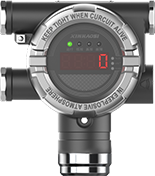
Safety First from Precision Sensing
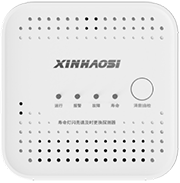
Home Safety from Gas Monitoring
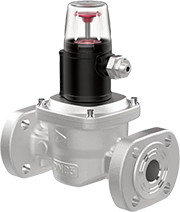
Protecting from the Source
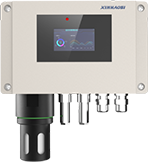
Smart Sensing for Urban Gas
Keeping pace with rapid technological advancements and international compliance standards.
Modern fixed-type gas detection is moving away from isolated alarms. Smart systems utilize wireless arrays (such as LoRaWAN and 4G/5G) to stream gas concentration levels to cloud-based monitoring panels. This enables off-site engineers and safety managers in Istanbul to review historical data and instantly receive push alerts in the event of an anomaly.
Historically, sensor drift required frequent calibration. The industry is adopting next-gen Non-Dispersive Infrared (NDIR) and catalytic sensors that resist poisoning and drift, extending calibration cycles to 12 or even 24 months. This significantly minimizes the total cost of ownership for offshore and marine applications.
High-risk chemical facilities now mandate SIL (Safety Integrity Level) certifications. Fixed gas detectors engineered with redundant circuitry and continuous self-diagnostic features ensure the system triggers critical shutdown valves when gas thresholds are exceeded, preventing major industrial incidents.
Understanding the exact application context is critical to choosing the correct fixed gas detector models. Below are the primary sectors requiring continuous monitoring within the Istanbul metropolitan region:
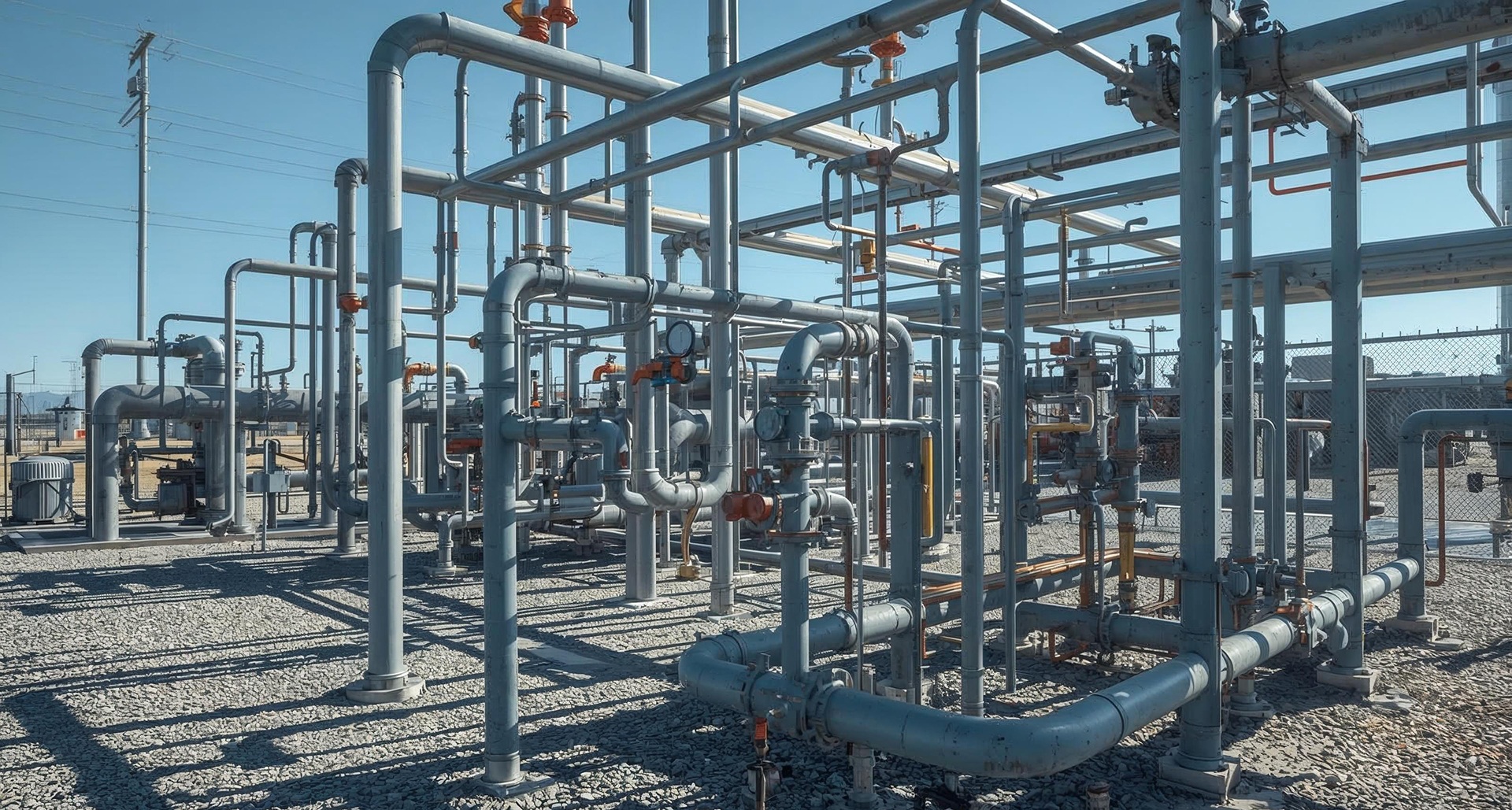
Integrating hardware and software to form a complete industrial safety barrier.
Empowered by advanced electronic technologies, we deliver full-chain integration and comprehensive protection, shaping a safer, more reliable future with smart sensing designs. Our systems connect field detectors, control panels, automatic shut-off valves, and localized exhaust ventilation systems into a cohesive safety matrix. In the event of a minor leak, the system initiates local ventilation and alerts operators. If gas concentrations continue to rise to critical levels, the system automatically cuts off gas supply lines via heavy-duty solenoid valves, mitigating the risk of ignition.
Explore Our Industrial Safety Solutions























Critical aspects EPC contractors and procurement managers must consider when sourcing fixed gas systems.
Match the target gas with the appropriate sensor chemistry. Catalytic combustion sensors are ideal for general flammable gases; NDIR (Infrared) sensors excel in oxygen-deprived environments and resist chemical poisoning. Use electrochemical sensors for highly toxic gases like H2S or Chlorine.
Ensure the detector's explosion-proof rating aligns with the zone classification (Zone 0, Zone 1, or Zone 2). For hydrogen or acetylene environments, specify IIC-rated equipment. For basic methane or propane applications, IIB certification is typically sufficient.
Confirm that the gas transmitters interface seamlessly with your existing PLC, SCADA, or DCS. Opt for systems providing simultaneous analog (4-20mA) and digital (Modbus RTU) outputs to guarantee backward compatibility with legacy safety infrastructure.
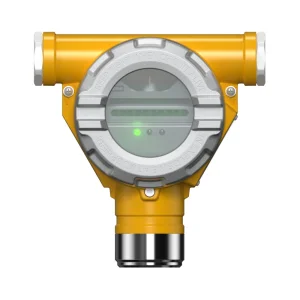
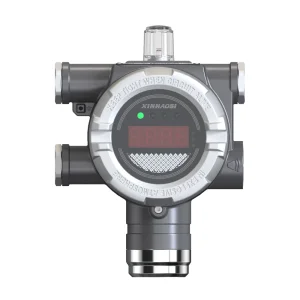
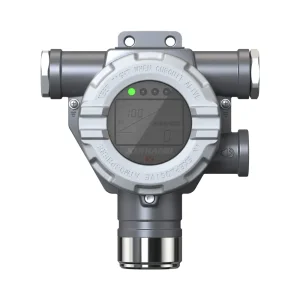
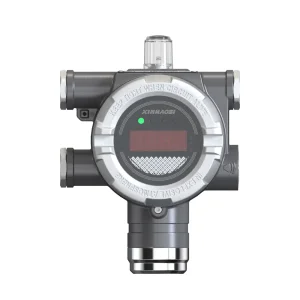
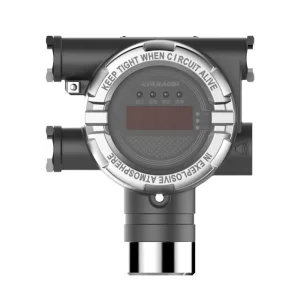
Engineered for high-hazard environments, presenting advanced modular designs, robust casing options, and multi-gas capabilities.
Keep up with Xinhaosi's industrial innovations, technical achievements, and global summits.
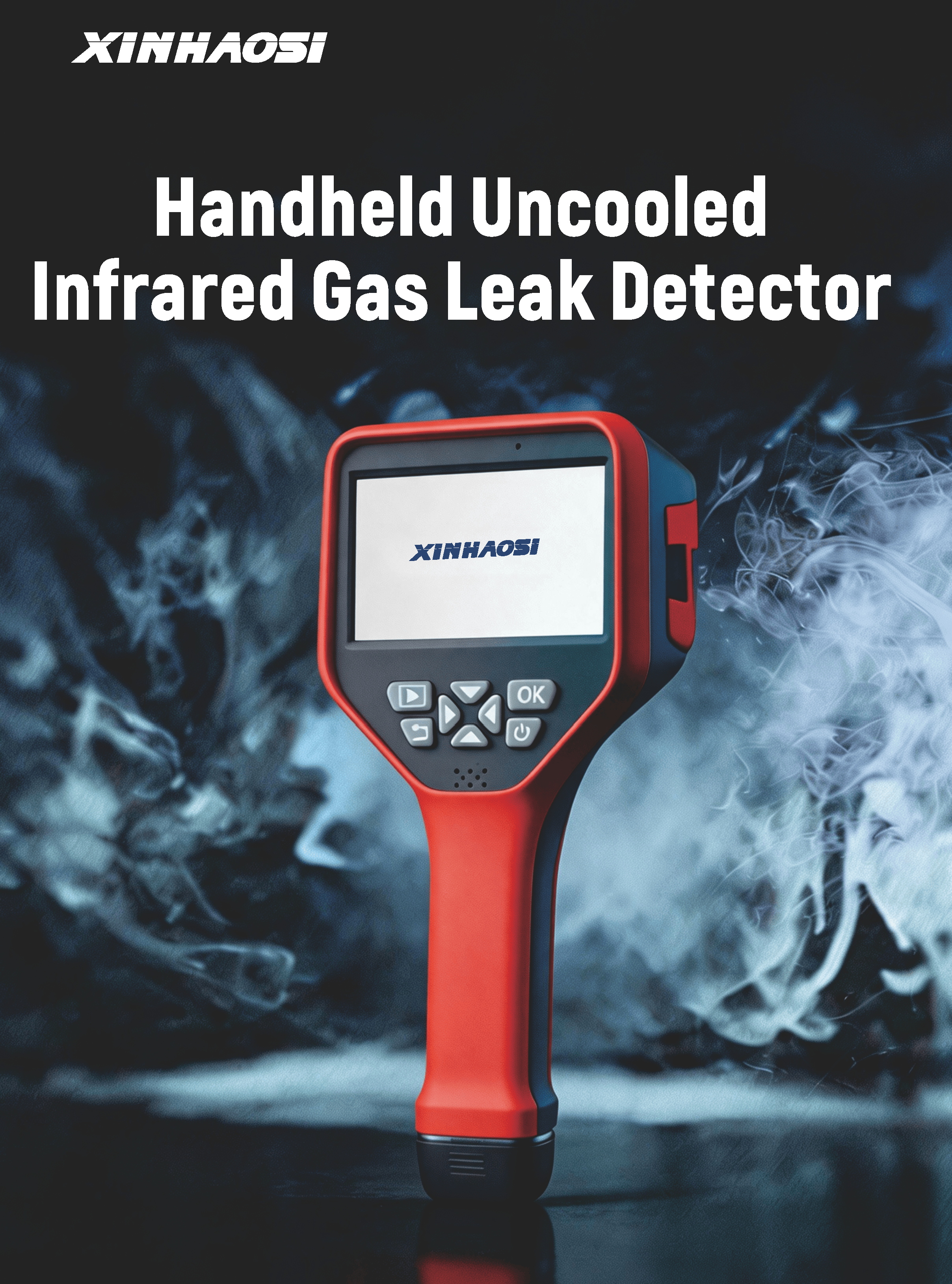
Xinhaosi Electronic Detection Technology Co., Ltd. officially launched its new Handheld Uncooled Infrared Gas Leak Detector, featuring dual-technology fusion...
Read Full Article →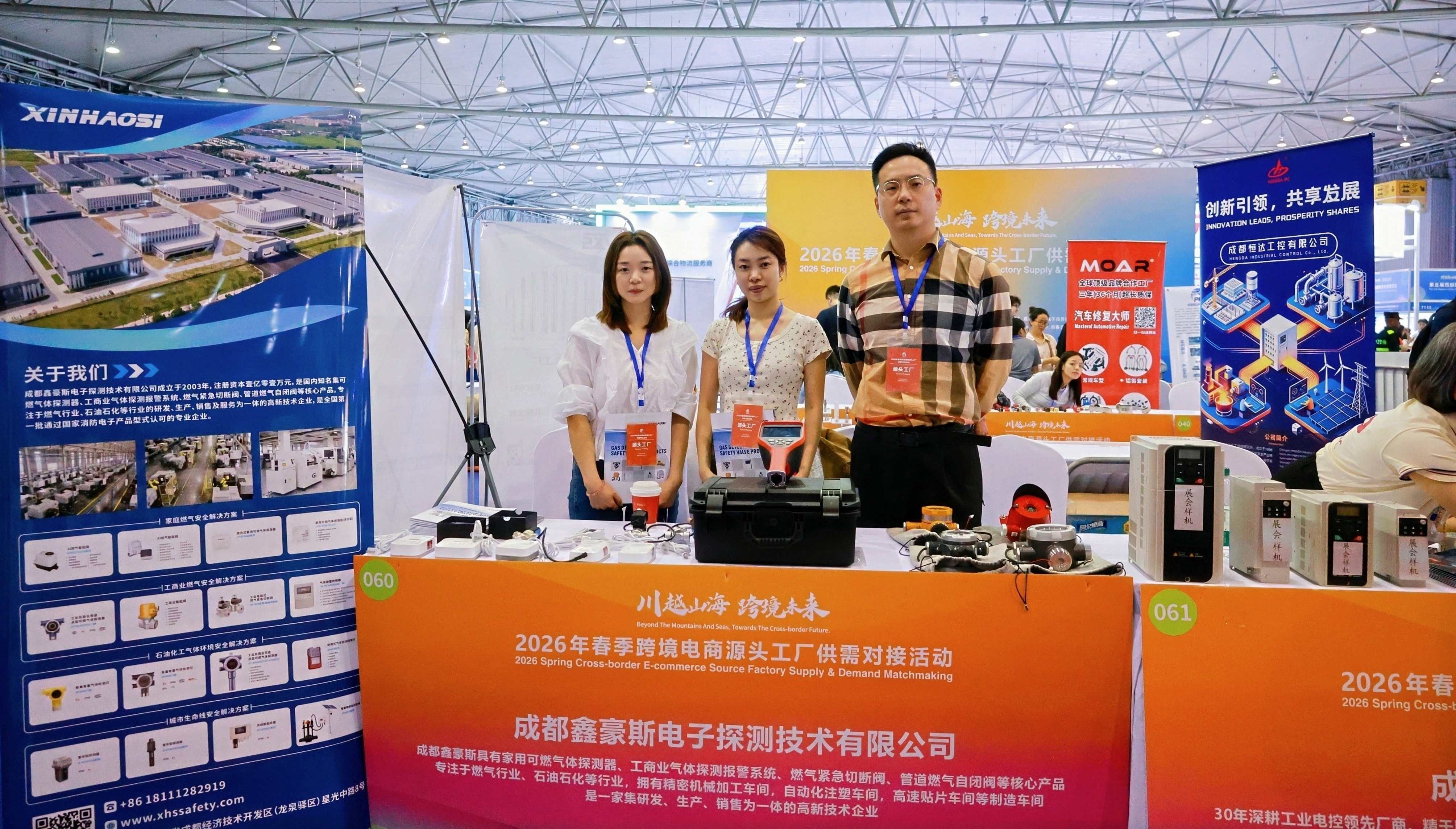
XINHAOSI recently participated in the 5th Western China Cross-Border E-Commerce Expo held in Chengdu, exploring new opportunities for international business...
Read Full Article →
XINHAOSI recently participated in the 2026 Sichuan (Chengdu) – Indonesia Industry Matchmaking Conference, strengthening cross-border industrial ties...
Read Full Article →In-depth insights, maintenance details, and installation guidance for technical engineers and safety coordinators.
In Turkey, industrial products must comply with the ATEX Directive (2014/34/EU), which is harmonized with Turkish safety standards managed by the Turkish Standards Institution (TSE). All fixed gas detectors intended for hazardous areas must have valid ATEX or IECEx explosion-proof certificates (typically marked as Ex d IIC T6 Gb or similar) to ensure they will not initiate combustion in explosive atmospheres.
For typical catalytic bead and electrochemical sensors, standard safety guidelines suggest calibrating detectors every 6 months. For high-grade NDIR (Non-Dispersive Infrared) sensors, calibration intervals can be extended to 12 months due to their minimal drift and excellent resistance to sensor poisoning. Regular bump testing is recommended between calibrations to verify sensor response.
Sensor lifespan depends on the detection technology and the environment. Electrochemical sensors (for oxygen and toxic gases like H2S/CO) typically last 2 to 3 years. Catalytic bead sensors (for combustible gases) last 3 to 5 years. NDIR sensors are highly durable and can operate efficiently for 5 to 10 years before requiring replacement.
Installation height depends on the molecular weight of the target gas relative to air (density = 1.0). For lighter gases like methane (natural gas) or hydrogen, detectors should be installed near the ceiling (approx. 30-50 cm below ceiling level). For heavier-than-air gases like propane, butane, LPG, or H2S, detectors must be mounted near the floor (approx. 30-60 cm above the ground).
Yes, our fixed gas transmitters are designed using universal industrial communication standards. They support standard analog 4-20mA currents and Modbus RTU (RS485) communication. This makes them fully compatible with Siemens, ABB, Schneider Electric, and Honeywell PLC or DCS architectures widely deployed across Turkey.
Get in touch with our engineering support and procurement team today. Receive detailed product catalogs, customized installation guides, and competitive factory-direct pricing for the Turkish market.
Send Inquiry Now