
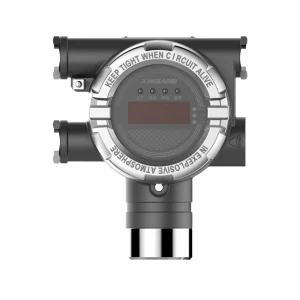
Our signature product line is engineered with explosion-proof housing and state-of-the-art sensing elements, specifically adapted to meet demanding Brazil oil & gas and heavy industry requirements.
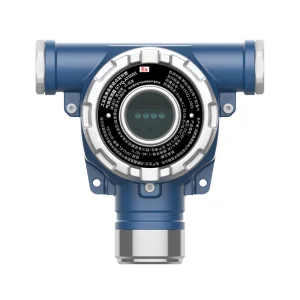
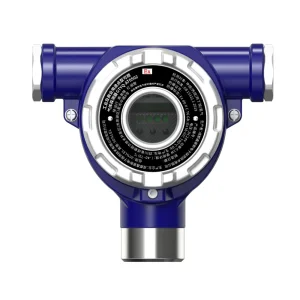
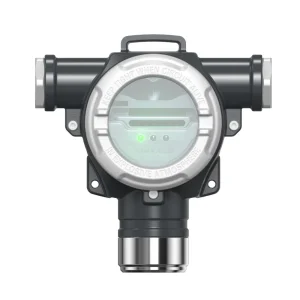
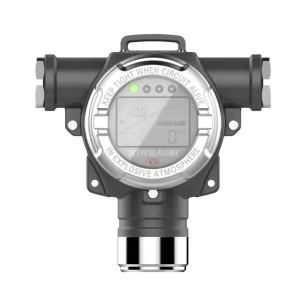
Brazil represents one of the largest, most dynamic industrial and energy markets in Latin America. The rapid expansion of offshore petrochemical exploitation in the pre-salt reserves (Santos Basin and Campos Basin) alongside a robust mining infrastructure (Minas Gerais, Pará) demands safety instrumentation that can withstand aggressive offshore environments, high relative humidity, saline corrosion, and explosive dust/gas hazards.
Operating in Brazil requires deep compliance with regulatory standards managed by INMETRO (National Institute of Metrology, Quality and Technology). Explosion-proof fixed gas detectors must adhere to strict conformity assessment rules (Portaria 179/2010 for hazardous location electrical equipment). In addition, Brazilian labor regulatory standards, specifically NR-12 (Machinery and Work Equipment Safety) and NR-33 (Health and Safety in Confined Spaces), place legal mandates on plant operators to integrate reliable, continuous monitoring gas detection systems coupled with automatic ventilation or isolation shut-offs.

Integrating fixed-type gas detection into modern automation architectures requires seamless communication, rugged field instrumentation, and functional safety systems. We deliver complete solutions ranging from sensor design to control execution.
Detecting volatile hydrocarbons (LPG, LNG) and corrosive, toxic gases like Hydrogen Sulfide (H2S) in ocean atmospheres. System integration via 4-20mA HART protocols directly into the main Distributed Control System (DCS).
Brazil’s large-scale ethanol and sugarcane processing facilities generate combustible vapor risks during refining and storage. Our detectors offer catalytic and infrared technology designed to eliminate cross-sensitivity issues.
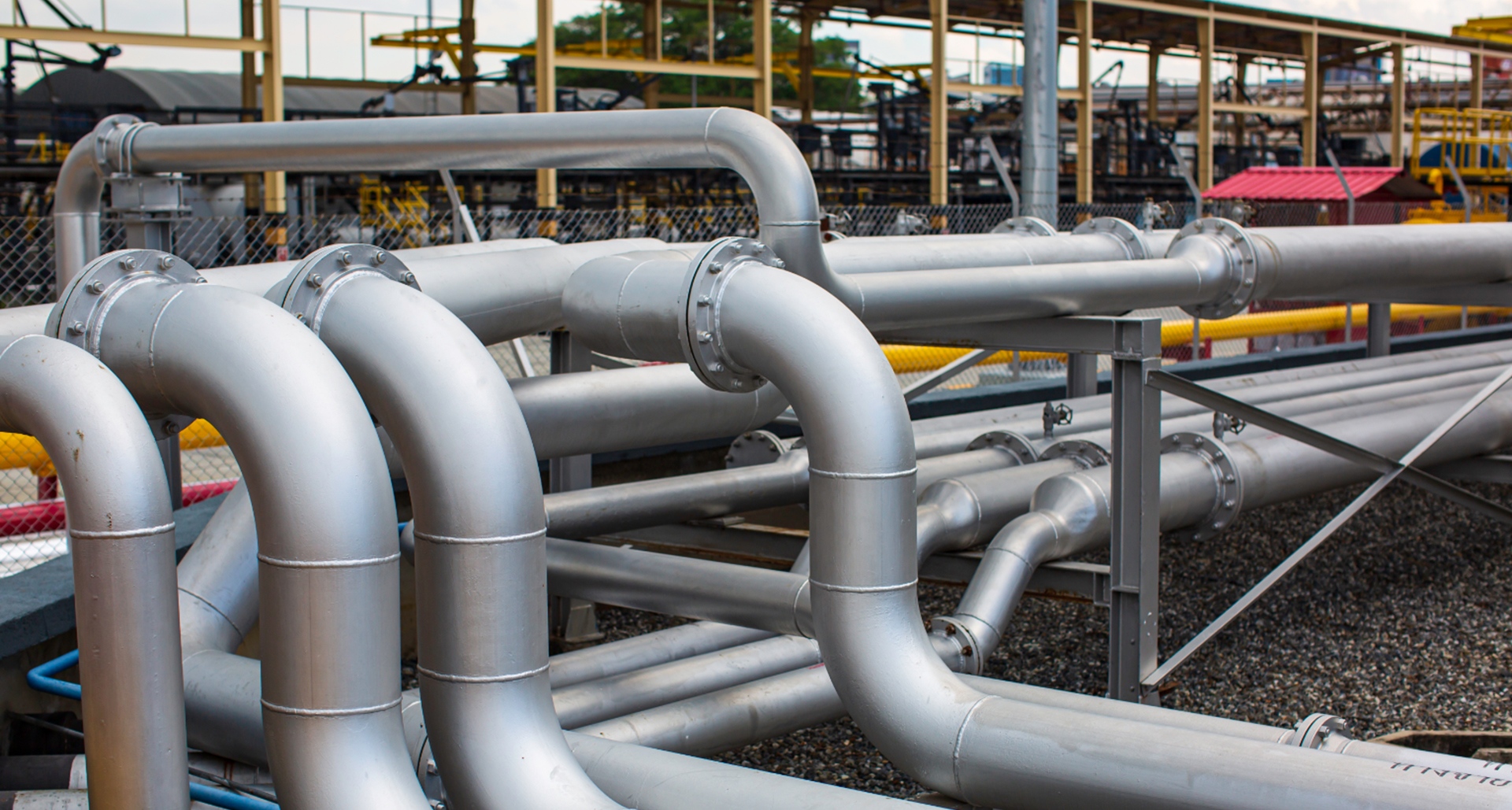
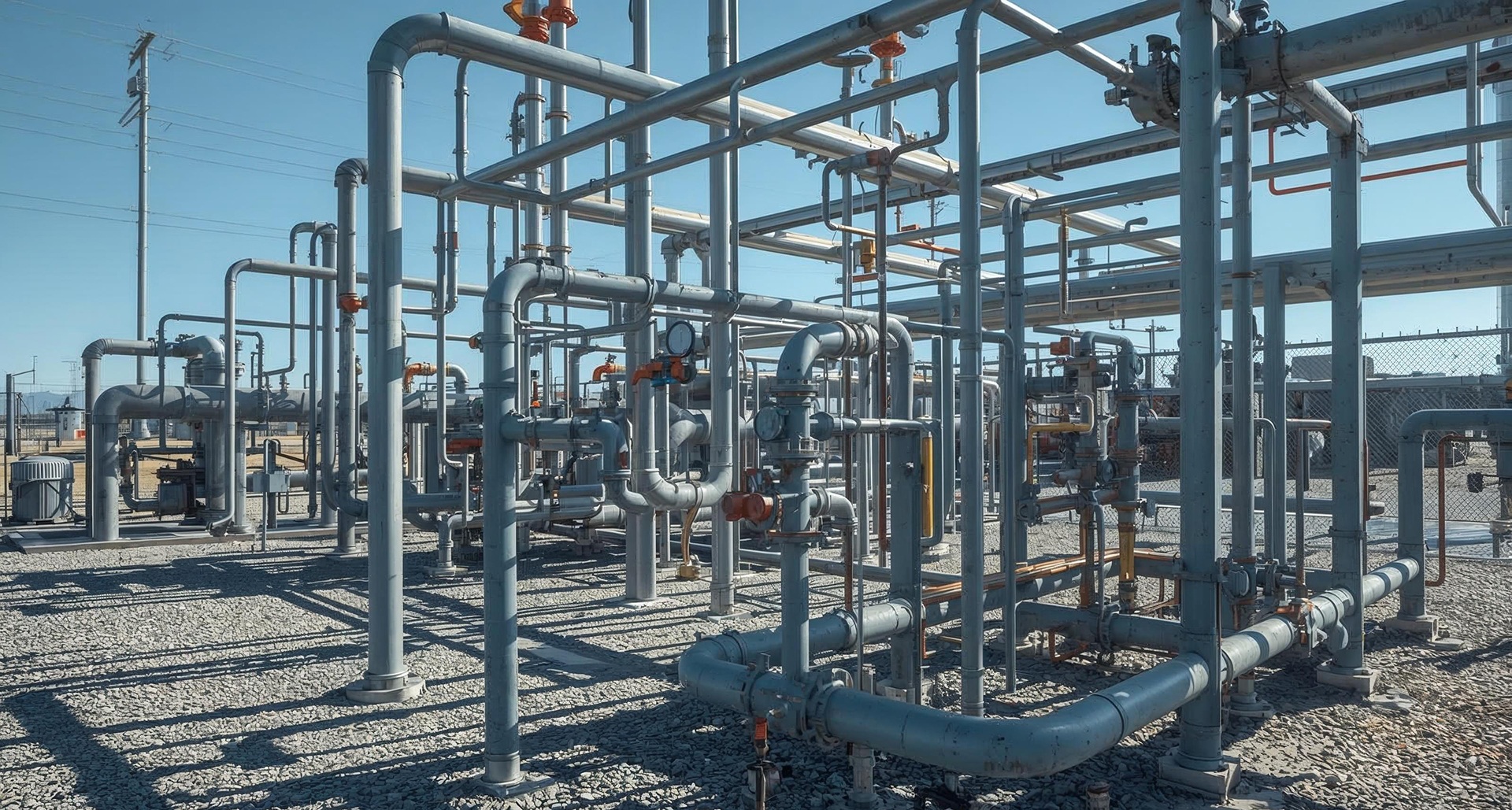
Natural gas distribution networks, compressor stations, and urban pipeline infrastructure utilize our fixed transmitters linked with automatic emergency shutdown (ESD) valves to prevent catastropic pipeline leaks.
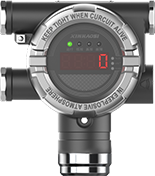
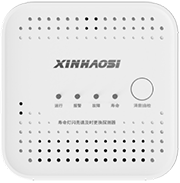
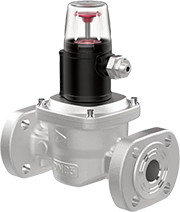
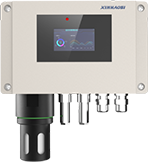
Deploying robust safety architecture backed by twenty years of focused R&D and strict conformity with international quality guidelines.


Founded in 2003, Xinhaosi is one of the most influential and reliable brands in the gas safety industry. We provide customer-focused products and services to safeguard the safe operation of every factory, the comfort of every city, and the peace and happiness of every home. Powered by cutting-edge production systems and technology, we deliver more advanced, intuitive, and precise gas safety solutions for shaping a safer future world.
By utilizing advanced electronic detection technologies, high-grade semiconductor/infrared elements, and precision flameproof designs, we expose unseen ambient hazards and eliminate potential gas leak risks before they trigger critical incidents.
Collaborating with top enterprise partners to design high-performance safety nodes.
























Our sensor technology has advanced to include intelligent diagnostic protocols that continually verify hardware integrity, sensor degradation, and optical path clarity for infrared sensing devices. This reduces local maintenance overheads in remote areas such as the offshore oil rigs off Rio de Janeiro and Amazon basin extraction stations, where shipping calibration gases is logistically complex.
Integrating digital field networks like Foundation Fieldbus, Profibus, and Modbus RTU into our line allows engineering teams to implement centralized asset management strategies. Operating metrics such as drift parameters and remaining electrochemical life indicators can be polled by localized servers. This enables plant managers to transition from reactive maintenance cycles to planned predictive calibration.
Furthermore, in response to growing global requirements for reduced environmental impacts, we are incorporating ultra-low power hardware configurations. This supports autonomous safety outposts operating off localized solar energy systems, commonly used along cross-country natural gas transmission lines.
Explore our comprehensive range of high-performance gas sensors, toxic/oxygen detectors, and VOC monitors for complete industrial security.
Stay updated on safety developments, new product launches, and regional conference highlights.
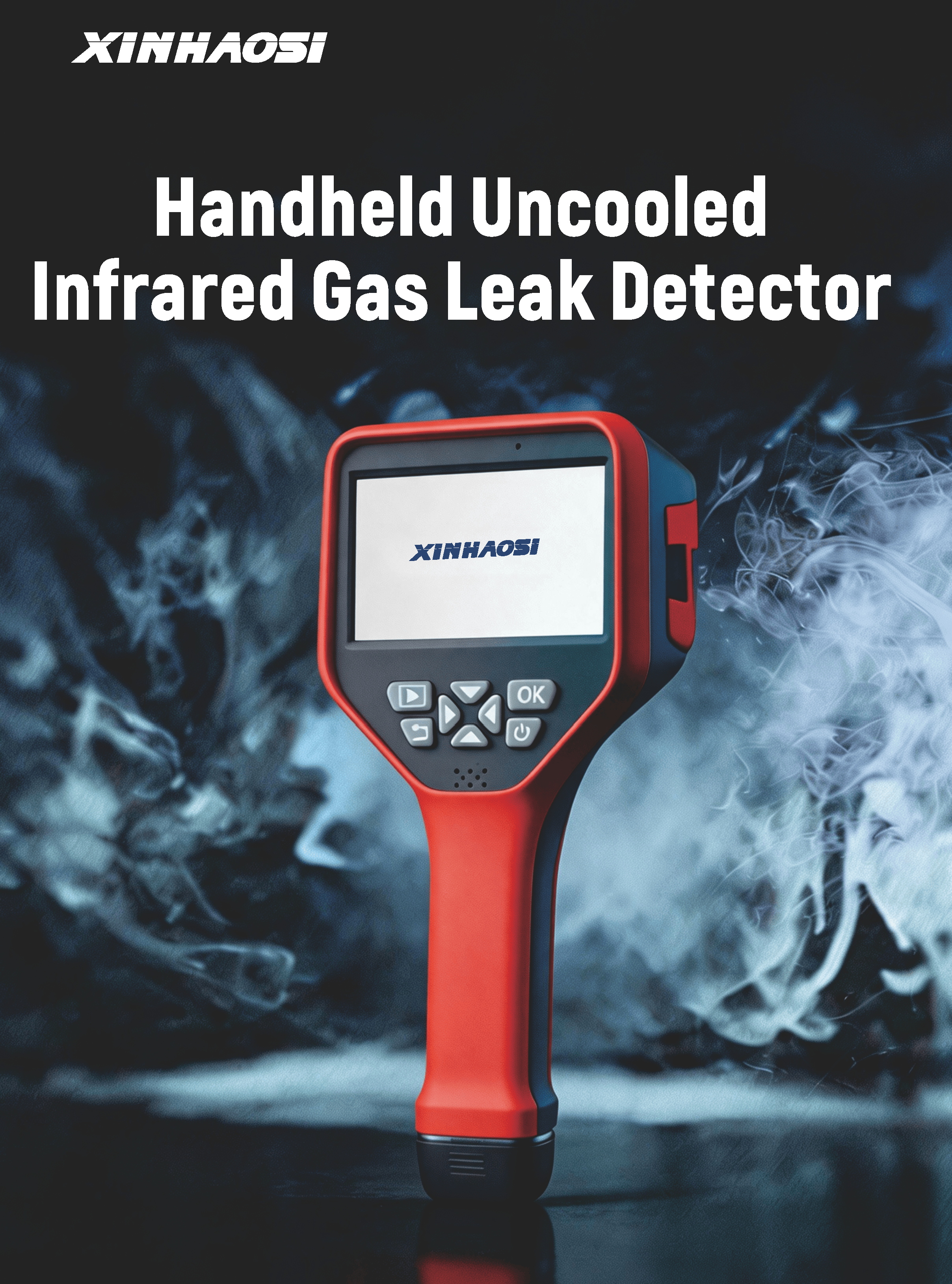
Xinhaosi Electronic Detection Technology Co., Ltd. officially launched its new Handheld Uncooled Infrared Gas Leak Detector, featuring dual-technology fusion, ultra-fast response, and long-distance non-contact detection to enhance safety and efficiency in petrochemical, refrigeration, natural gas and industrial safety scenarios.
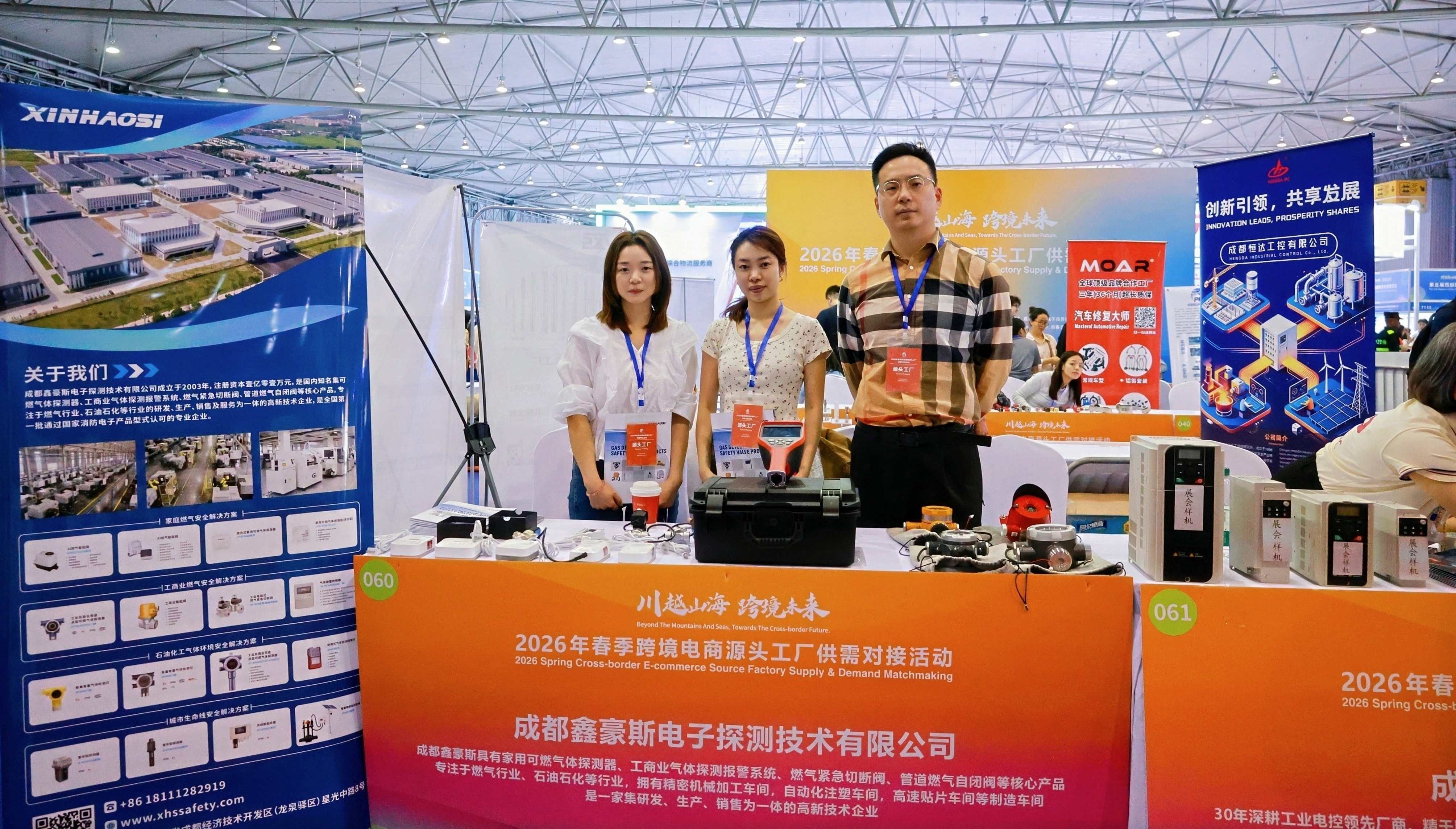
XINHAOSI recently participated in the 5th Western China Cross-Border E-Commerce Expo held in Chengdu. The event brought together cross-border e-commerce platforms, global buyers, manufacturers, and supply chain companies, creating new opportunities for international business cooperation and overseas market development.

XINHAOSI recently participated in the 2026 Sichuan (Chengdu) – Indonesia Industry Matchmaking Conference held in Chengdu. The event gathered enterprises and industry representatives from China and Indonesia to strengthen industrial cooperation and explore new business opportunities in Southeast Asia.
Proper fixed gas detector positioning depends on gas density relative to air. In Brazilian refining spaces handling Liquefied Petroleum Gas (LPG) or heavy hydrocarbons, gases accumulate at lower levels due to being heavier than air. Transmitters are typically installed 0.3m to 0.6m above the floor. For Ammonia (NH3) or Hydrogen (H2) installations, they are mounted near ceiling levels.
Our catalytic bead sensors use high-grade pellistors for accurate combustible gas monitoring up to 100% LEL. For harsh environments where chemical contaminants can degrade pellistors, our Non-Dispersive Infrared (NDIR) sensors provide a poison-resistant solution that operates reliably without oxygen.
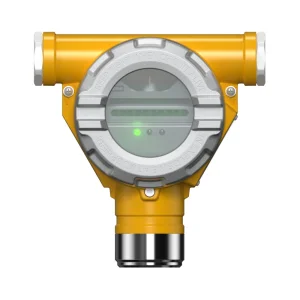
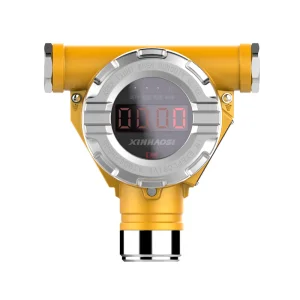
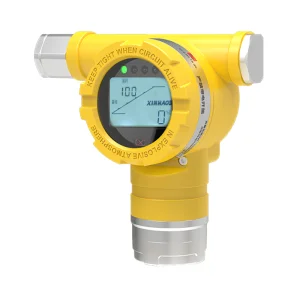
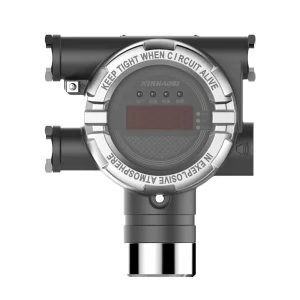
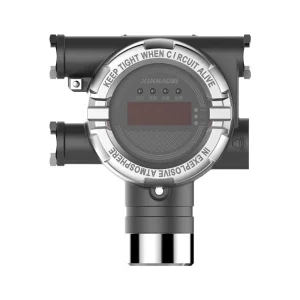
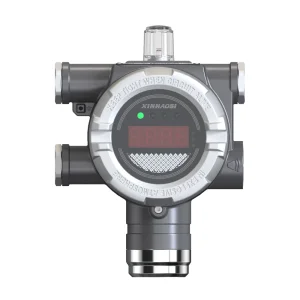
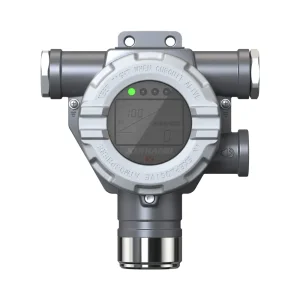
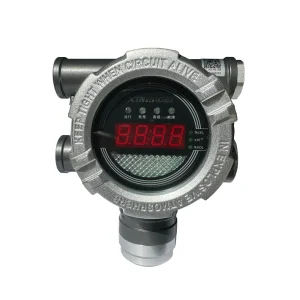
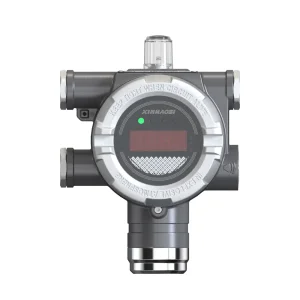
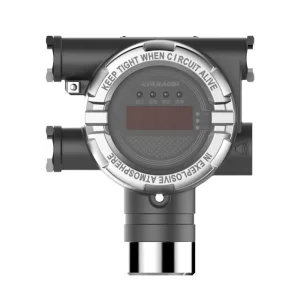
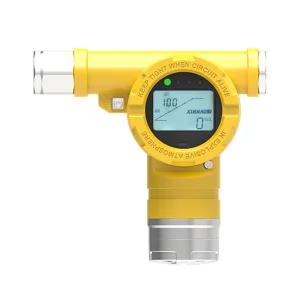
Each unit features local display options, non-intrusive magnetic wand calibration, and standard 4-20mA/RS485 modbus outputs. This ensures easy configuration and system integration for local safety teams.
Find answers to technical queries, compliance protocols, and installation practices for the Brazilian market.
Yes. All explosion-proof fixed gas detectors intended for hazardous locations (Class I, Division 1 & 2, or Zone 1 & 2) are manufactured to meet ABNT NBR IEC standards. We cooperate with local Brazilian testing agencies to ensure compliance with INMETRO certification schemes for imported electrical components.
For offshore FPSOs and drillships, we recommend Non-Dispersive Infrared (NDIR) sensors for hydrocarbons due to their resistance to salt spray corrosion and lack of sensor poisoning. For toxic gases like H2S, we utilize tropicalized electrochemical sensors specifically calibrated to resist drift caused by high humidity.
Our transmitters provide multiple output options. They support classic 4-20mA analog current loops (with optional HART overlays) and RS485 Modbus RTU digital loops. This allows direct connection to PLCs, Distributed Control Systems (DCS), or SCADA platforms to handle alert configurations and automatic plant shutdowns.
In accordance with NR-33 and general industrial safety practices in Brazil, fixed detectors should undergo bump testing quarterly, with full calibration every 6 to 12 months depending on environmental conditions. Calibration is simplified using our non-intrusive magnetic wand interface, eliminating the need to declassify the hazardous area during testing.
Yes. As a primary manufacturer, we support extensive OEM requests. This includes casting custom company identities, developing dedicated calibration ranges, and modifying relay control points for sirens, fans, or solenoid shut-off valves.