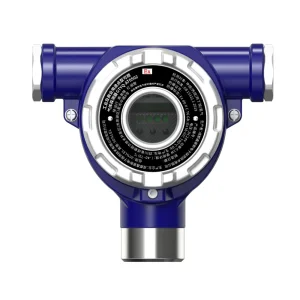
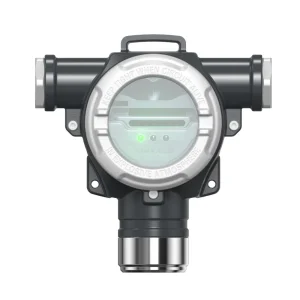
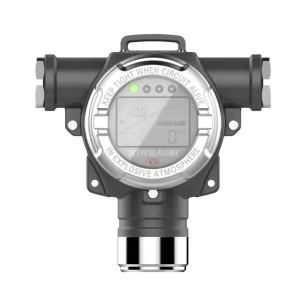
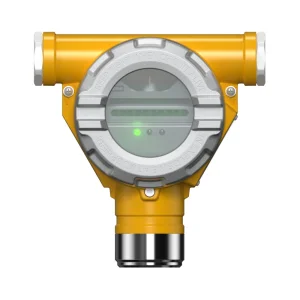
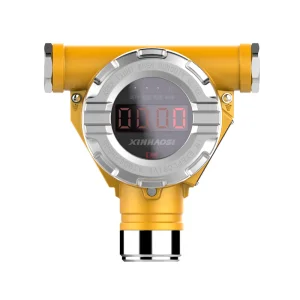
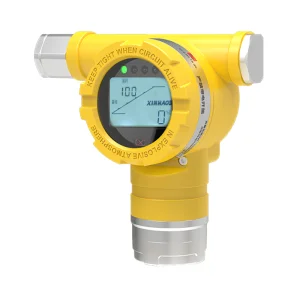
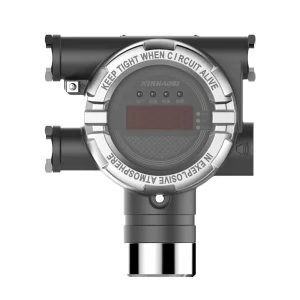
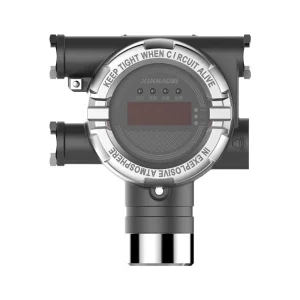
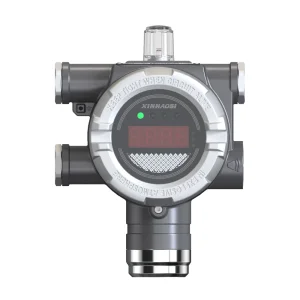
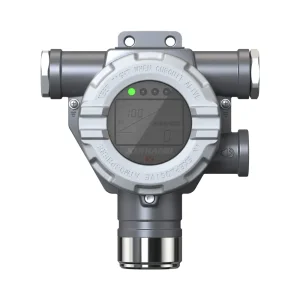
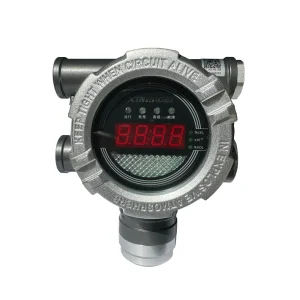
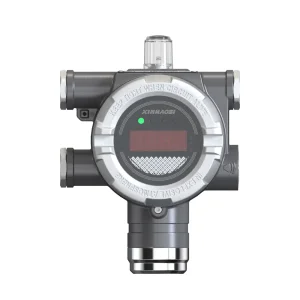
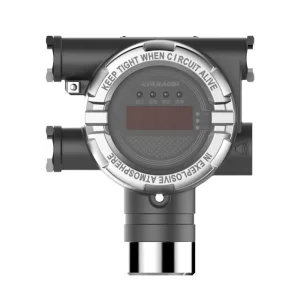
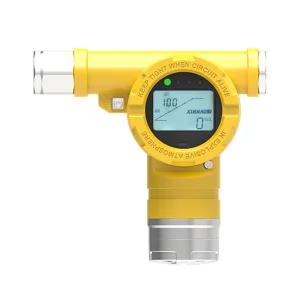
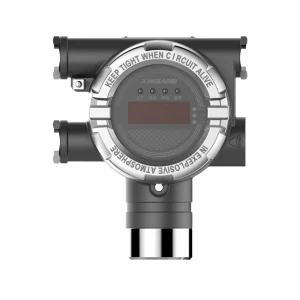
Engineered for hazardous locations and highly compatible with Malaysia's local safety parameters, these primary models are the backbone of site safety.
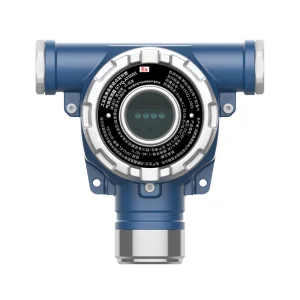
As one of Southeast Asia's most dynamic economic engines, Malaysia is undergoing significant industrial transformation. Driven by heavy investments in oil and gas processing (such as Petronas' major projects in Pengerang and Kerteh), chemical manufacturing, semiconductor fabrication, and palm oil biogas capture, local safety infrastructure requirements have intensified. The Department of Occupational Safety and Health (DOSH) and SIRIM QAS have enacted stringent protocols governing hazardous workspace operations.
Under the updated Occupational Safety and Health Act (OSHA), industrial operations must deploy certified fixed-type gas detection networks to mitigate explosive atmospheres (LEL) and toxic gas hazards. In high-humidity tropical conditions typical of Malaysia, gas monitoring systems must also exhibit robust environmental resilience, maintaining calibration accuracy amidst saline ocean breezes and torrential precipitation.
Our fixed-type gas detectors are calibrated to meet the stringent safety levels mandated by Malaysia's local authorities, ensuring trouble-free inspections and operations.
Our flameproof cast aluminum/stainless steel housings protect the electronic sensor assembly from external ignition sources even in Zone 1 and Zone 2 areas.
Year Established
Ex-Proof Certified Calibration
Global Distributing Channels
Hardware Diagnostic Integrity
We combine advanced sensor physics with smart transmitters to build reliable monitoring lines.
Utilizing high-end Non-Dispersive Infrared (NDIR) technology for hydrocarbons prevents sensor poisoning in silicon-laden environments, extending operational lifespans beyond 5 years.
Modbus RS485 and 4-20mA analog signal loops allow seamless integration into local SCADA, DCS, and emergency shutdown (ESD) systems with digital HART communication.
IP66/67 ingress protection design paired with integrated hydrophobic membranes prevents moisture penetration, ensuring functionality in Malaysia’s wet tropical climate.


We utilize advanced electronic detection technology to make unknown gas leak risks clear and visible.
Founded in 2003, Xinhaosi is one of the most influential and reliable brands in the gas safety industry. We provide customer-focused products and services to safeguard the safe operation of every factory, the comfort of every city, the peace and happiness of every home. Powered by cutting-edge production systems and technology, we deliver more advanced, intuitive, and precise gas safety solutions for shaping a safer future world.
Empowered by technology, Full-chain integration, Comprehensive protection, Shaping the future with intelligence.
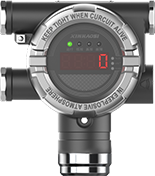
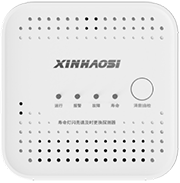
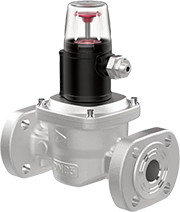
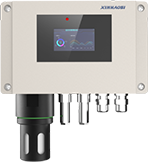
Xinhaosi's centralized manufacturing hub in China represents a standard of modern, automated industrial production. By integrating advanced surface-mount technology (SMT) lines, robotic testing stations, and computerized environment calibration chambers, we achieve massive output volumes without compromising detail accuracy.
For Malaysian industrial buyers, working directly with a premium Chinese gas detector factory provides major cost benefits over expensive European brands, alongside faster lead times. Because we manage raw component sourcing and assembly under one roof, we can customize hardware, enclosure specifications, and firmware protocols within weeks instead of months.
Our engineering team assists Malaysia-based system integrators with sensor selection, zoning layouts, and customized software options to keep your operations compliant and efficient.
Explore our industrial fixed gas detectors, specifically configured for optimal performance and safety in challenging applications across Malaysia.
Our units support fast onsite zero and span adjustments, aligning seamlessly with Malaysia’s standard gas verification procedures.
We provide full calibration logs, electrical drawing schematics, and ATEX/CE certificates for easy site approval.
We work directly with engineering partners to configure warning thresholds, Modbus mapping, and customized mounting setups.
Deploying gas detection systems in hazardous settings like oil refineries, chemical plants, and palm oil mills requires local support and a deep knowledge of target safety regulations. Xinhaosi coordinates with engineering partners throughout Malaysia to ensure smooth installation and startup.
We configure Modbus registers and analog loops to match standard controller setups, helping speed up system commissioning. Our design prevents water buildup from condensation, solving a common cause of sensor failure in humid tropical climates.
Providing precision instrumentation systems for top-tier names in petrochemical, utility, and municipal works.
























Stay tuned for the latest updates from Xinhaosi & the Industry.
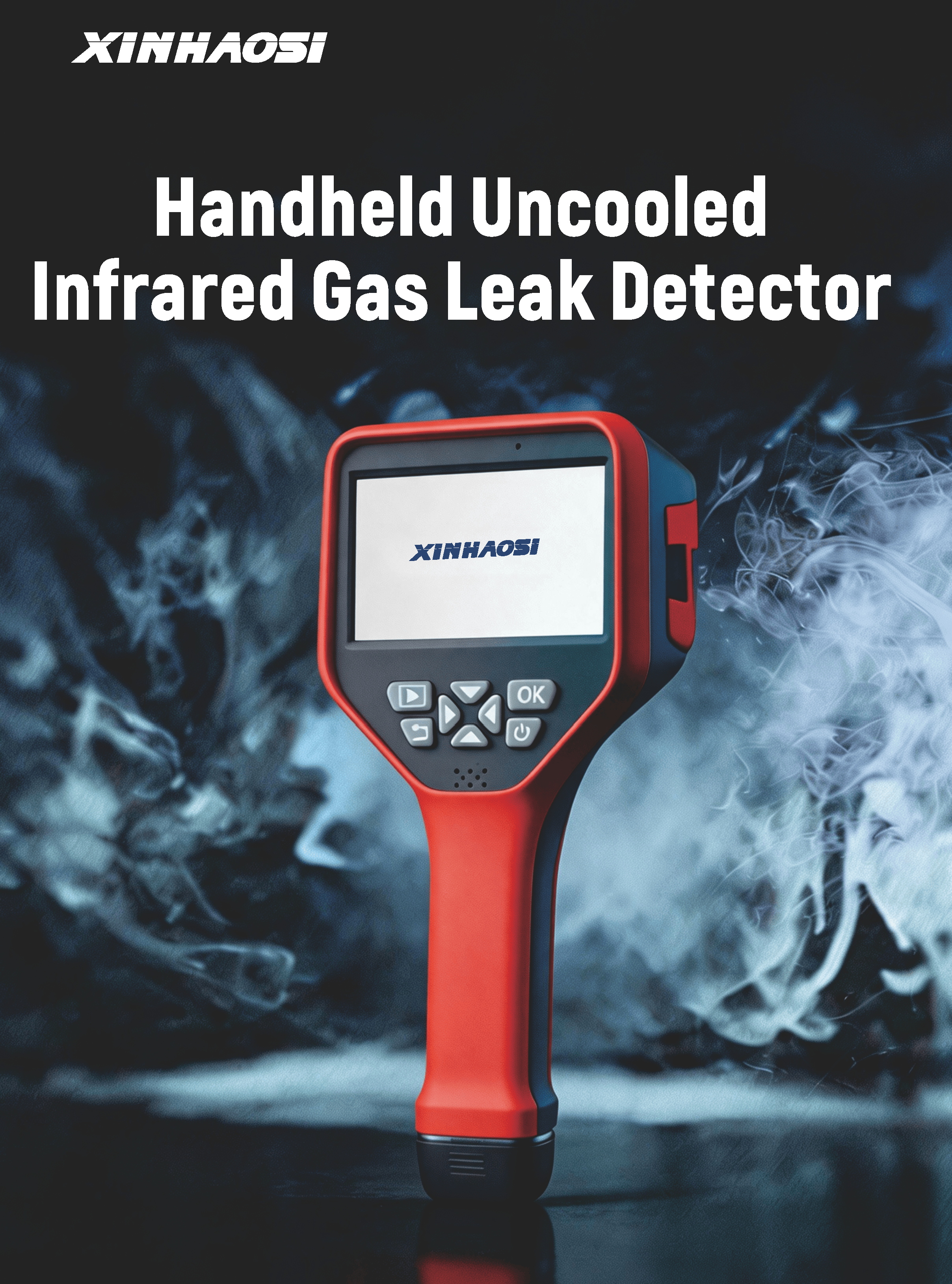
Xinhaosi Electronic Detection Technology Co., Ltd. officially launched its new Handheld Uncooled Infrared Gas Leak Detector, featuring dual-technology fusion, ultra-fast response, and long-distance detection...
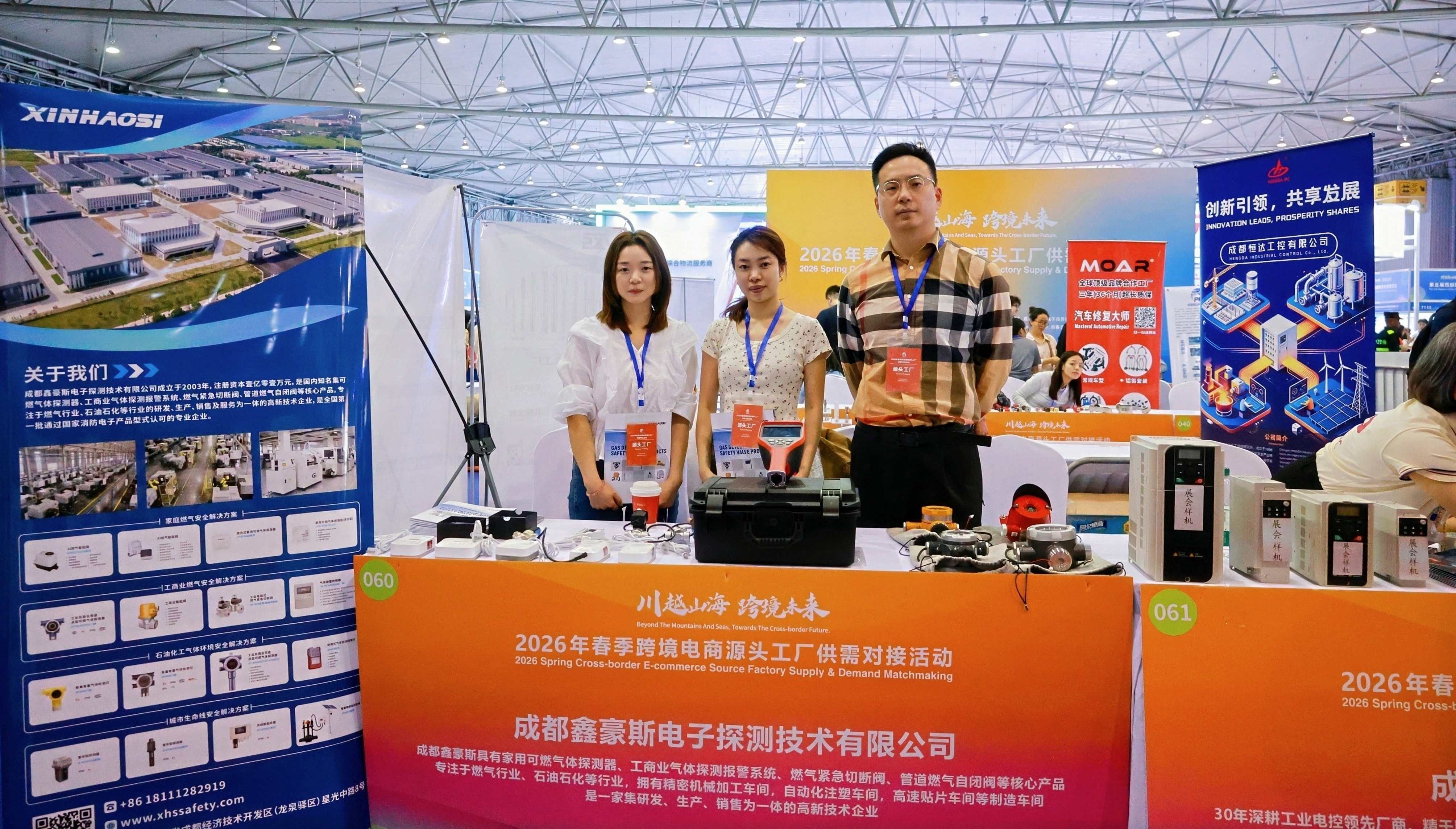
XINHAOSI recently participated in the 5th Western China Cross-Border E-Commerce Expo held in Chengdu, connecting with global buyers and strengthening international supply chain operations...

XINHAOSI recently participated in the 2026 Sichuan (Chengdu) – Indonesia Industry Matchmaking Conference to strengthen industrial cooperation and expand its reach in Southeast Asian markets...
Get answers to common technical and compliance questions about fixed-type gas detection in Malaysia.
For installations in hazardous locations, the Department of Occupational Safety and Health (DOSH) in Malaysia requires flameproof/explosion-proof equipment to hold ATEX or IECEx certifications. Additionally, local safety inspectors require testing report documentation or SIRIM verification approvals to confirm the equipment matches class division parameters.
High humidity and saline environments can accelerate oxidation in electrochemical cells and cause drift in catalytic bead sensors. Our fixed gas detectors feature high-grade ingress protection (IP66/IP67) and condensation filters, protecting internal components and ensuring stable, long-term operations.
Most industrial safety guidelines suggest calibrating fixed detectors every 6 months. For high-demand environments like offshore platforms or chemical processing zones, we recommend quarterly checkups to verify sensor accuracy and response speeds.
Non-Dispersive Infrared (NDIR) sensors are highly recommended for biogas applications. Unlike standard catalytic bead sensors, NDIR models are immune to hydrogen sulfide poisoning, which is common in palm oil mill effluent (POME) plants.
Our gas transmitters support standard Modbus RS485 and 4-20mA output signals. This allows easy integration with most PLC, DCS, or SCADA systems used in modern industrial setups.