
Explosion-proof point monitors and continuous transmitter assemblies designed for hazardous area installations in Malaysian processing facilities.
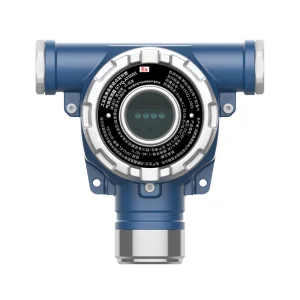
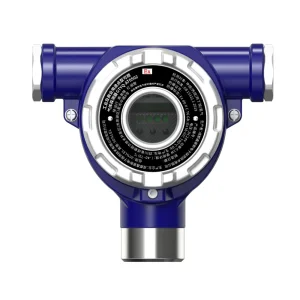
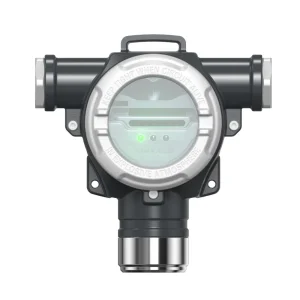
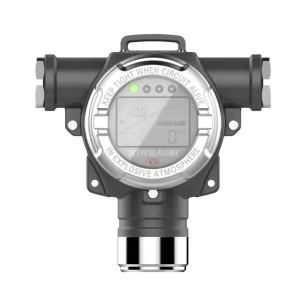
Kuala Lumpur, as the primary economic hub and metropolitan center of Malaysia, serves as the nerve center for multinational oil & gas corporate headquarters, engineering procurement services, and chemical manufacturing pipelines. Surrounding industrial zones such as Shah Alam, Port Klang, and the wider Klang Valley host massive storage depots, manufacturing complexes, and microelectronics fabrication facilities that handle volatile organic compounds (VOCs), flammable solvents, and toxic process gases daily.
Regulatory frameworks enforced by Malaysia's Department of Occupational Safety and Health (DOSH) and conformity assessments led by SIRIM QAS require strict adherence to international safety standards, including IECEx, ATEX, and UL certifications. Plant safety managers in KL must choose fixed-type gas detection systems that can withstand high relative humidity, high ambient temperatures, and corrosive coastal atmosphere while providing continuous, drift-free gas concentration telemetry to centralized Distributed Control Systems (DCS) or PLC architectures.
How global engineering firms select fixed-type monitoring installations for long-term project lifecycles.
Global procurement teams demand sensors with minimal baseline drift, rapid response times (T90 < 15s for flammable gases), and robust resistance against sensor poisoning. In hot, humid climates like Kuala Lumpur, traditional pellistor catalytic beads can degrade when exposed to silicones or lead, making Non-Dispersive Infrared (NDIR) sensors the preferred option for methane, propane, and butane monitoring due to their long operational lifespans exceeding 5 to 7 years.
Modern industrial plants require seamless telemetry. Fixed-type gas transmitters must output standard 4-20mA analog signals with superimposed Highway Addressable Remote Transducer (HART) digital data, Modbus RTU/TCP protocols, or modern Industrial Ethernet protocols. This allows for remote diagnostic access, parameter adjustments, and automated calibration history tracking, reducing local maintenance labor costs.
Beyond the initial hardware cost, maintenance intervals define a system's true financial impact. Buyers evaluate products based on how easily their sensor capsules can be replaced, how simple they are to calibrate without opening the explosion-proof enclosure (non-intrusive calibration using magnetic wands), and the local availability of factory-trained service technicians in Southeast Asia.
Leveraging advanced sensing technology to mitigate unknown gas hazards and guarantee reliable continuous detection.
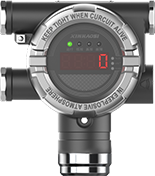
High-reliability, continuous sensing systems engineered for heavy petrochemical processing, storage facilities, and hazardous zones.
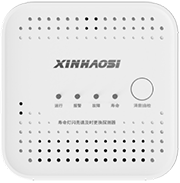
Compact, responsive gas detection units designed to safeguard hotels, commercial kitchens, multi-family residences, and building complexes.
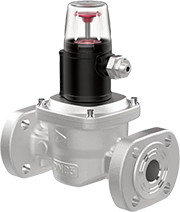
Emergency shut-off valves configured to automatically close fuel/gas lines upon receiving alarm signals, stopping hazards at the source.
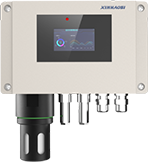
Smart city integration and pipeline monitoring nodes ensuring distribution grids operate without unnoticed leaks or pressure drops.

 Making Hidden Dangers Visible.
Founded in 2003, Xinhaosi has established itself as one of the most influential and reliable brands in the gas safety industry. We provide customer-focused products and services designed to safeguard the operation of every factory, the infrastructure of every city, and the peace of mind of every home.
Powered by cutting‑edge production systems and sensor technologies, we deliver advanced, intuitive, and precise gas safety solutions. By utilizing sophisticated electronic detection technology, we make invisible, unknown gas leak risks transparent, manageable, and preventable—shaping a safer industrial future.
How we configure fixed detection nodes to cover wide industrial facility layouts.
High concentration VOCs, hydrogen, and combustible hydrocarbon gases pose continuous ignition hazards. Our flameproof (Ex d) gas detectors are situated strategically around valves, storage tank areas, and pumps to continuously monitor for low-level LEL build-ups.
Silicon manufacturing plants within Malaysia's tech clusters require ultra-sensitive toxic gas monitoring (for phosphine, arsine, silane). We deploy fast-acting electrochemical transmitters calibrated for parts-per-million (ppm) scale monitoring.
Underground gas pipeline stations require robust, explosion-proof units linked to solenoid emergency valve controllers. In the event of a high alarm state, gas feeds shut down automatically, protecting neighboring urban areas.
The fixed gas detection sector is transitioning from simple, isolated sensor transmitters to fully integrated, intelligent safety nodes. Modern devices are moving beyond simple 4-20mA analogue signaling. By embedding microcontrollers inside the sensor housing, modern transmitters can run internal diagnostics, tracking sensor degradation and automatically warning the central panel when calibration or element replacement is required.
Furthermore, the integration of wireless mesh networks (WirelessHART, ISA100.11a) is reducing site installation costs by eliminating complex wiring runs in remote areas of tank farms or pipelines. Looking forward, the inclusion of AI-driven predictive algorithms is expected to analyze atmospheric fluctuations and predict gas plume behavior, improving response times before combustible gases reach explosive levels.
Ensuring industrial-grade gas safety systems are compliant, calibrated, and maintained across Malaysia:
Safety is only as good as the system installation and maintenance. Because industrial plants operate in demanding tropical conditions, selecting gas safety equipment with local support is critical. We ensure that our fixed gas monitors are supplied with complete documentation, electrical installation manuals, and flameproof cable glands suitable for Malaysia's unique industrial requirements.
Our collaborative support team works closely with local engineering procurement and construction (EPC) companies, safety officers, and technical integrators to ensure smooth installation, setup, and functional testing of safety systems.
Our detection technologies are integrated into major manufacturing complexes and utility grids worldwide.
























Stay informed about Xinhaosi's technical updates, international events, and product releases.
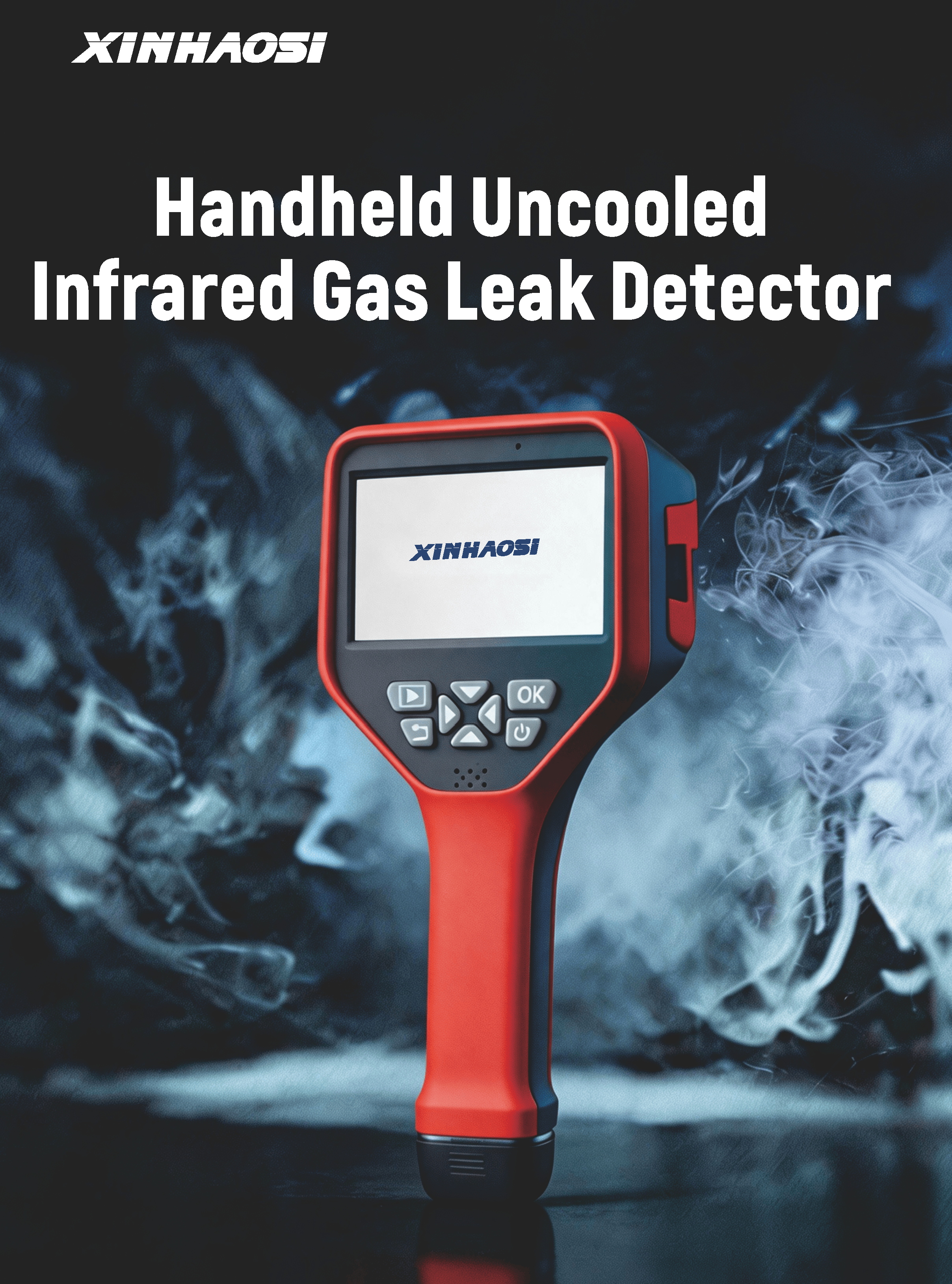
Officially launching a new Handheld Uncooled Infrared Gas Leak Detector, integrating dual-technology fusion, rapid response times, and long-range non-contact detection to enhance petrochemical, refrigeration, and industrial plant safety.
Read Article →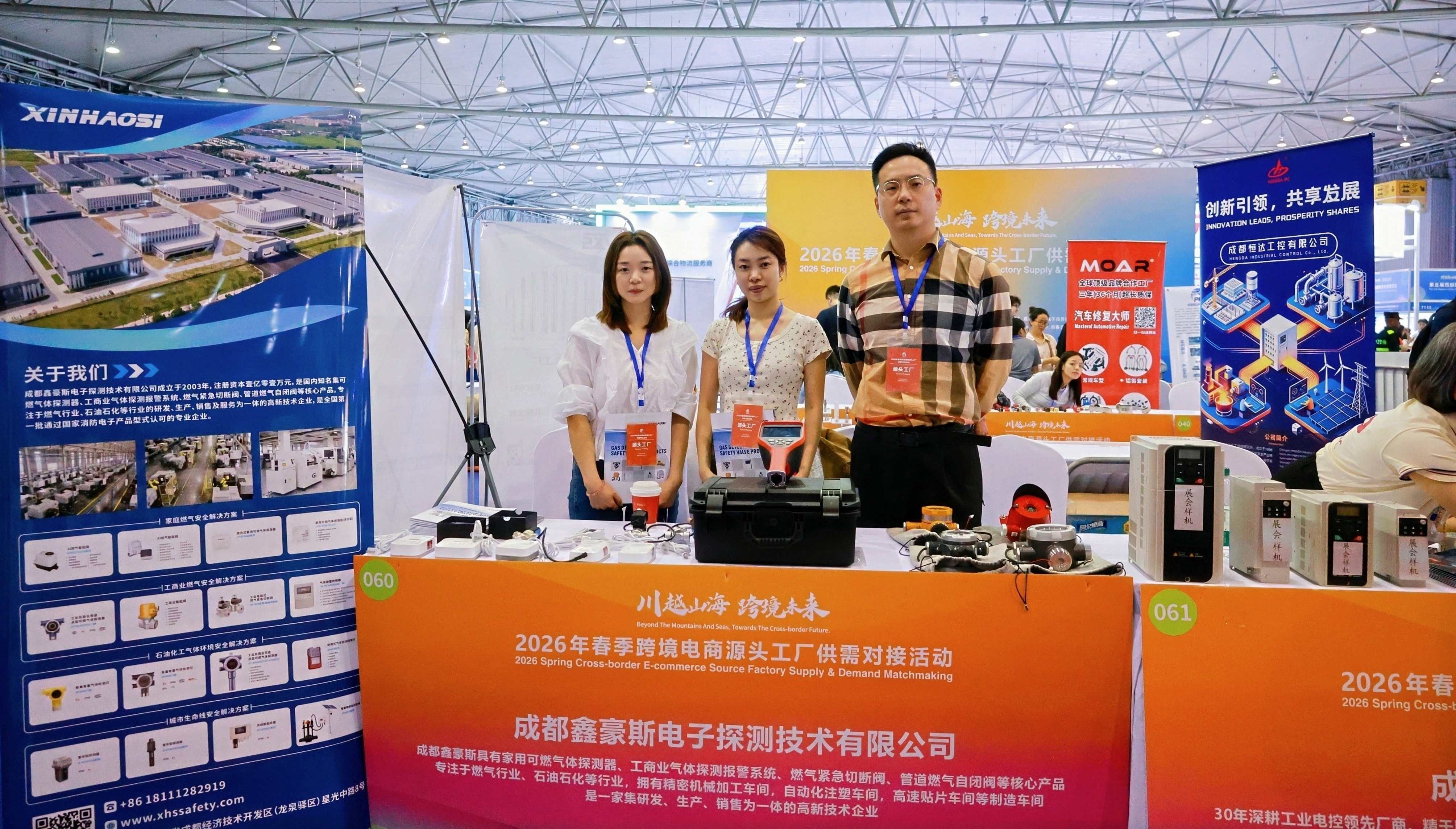
Connecting with international buyers, EPC contractors, and distribution networks at Chengdu's major industrial trade platform to expand global distribution pathways.
Read Article →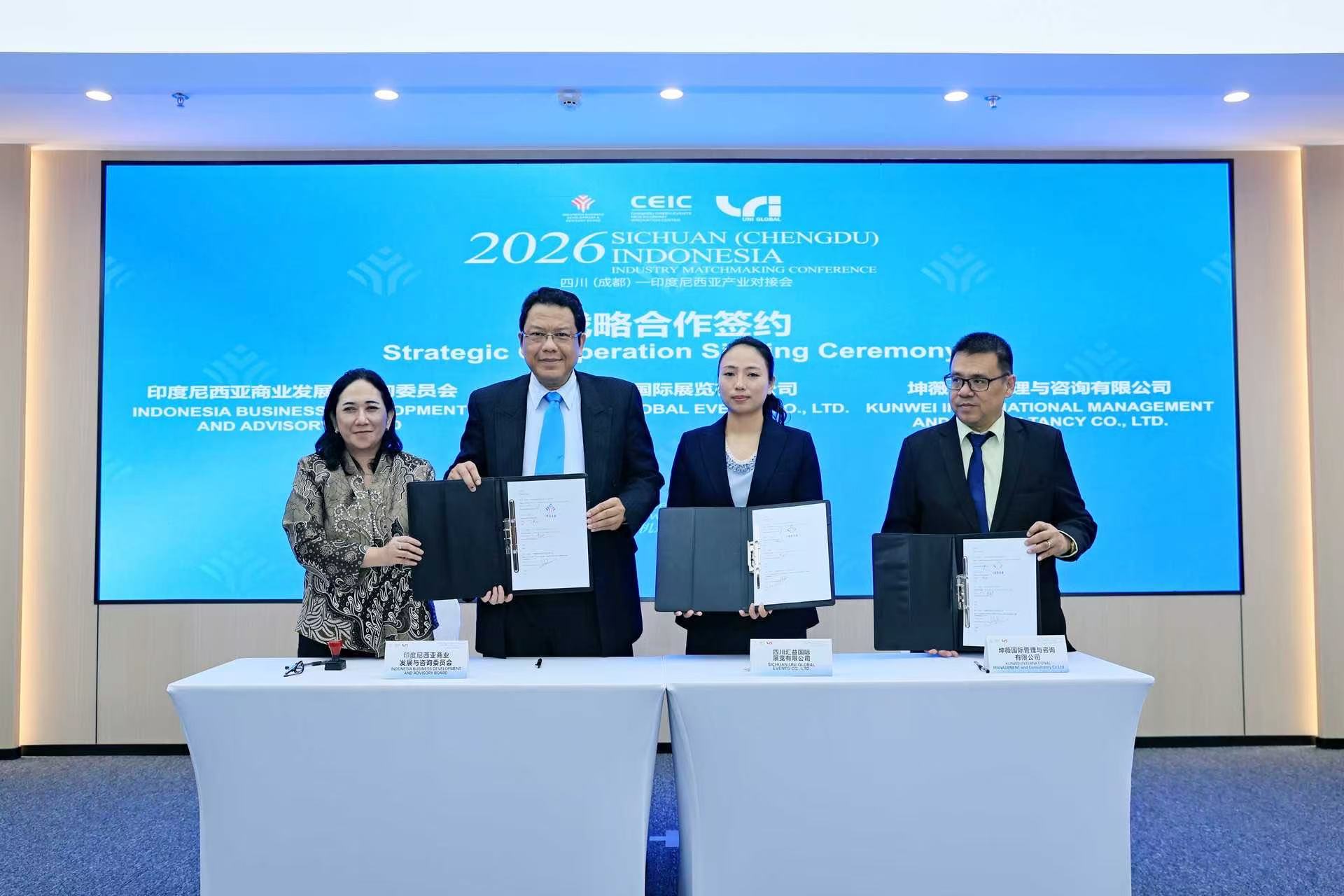
Strengthening trade operations and infrastructure safety partnerships with Southeast Asian industries, improving accessibility of gas safety equipment across developing markets.
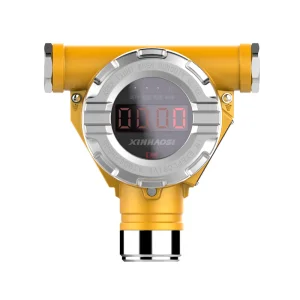
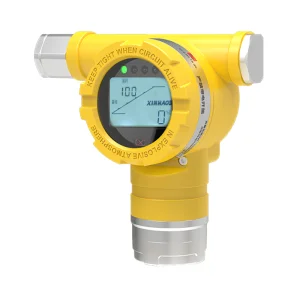
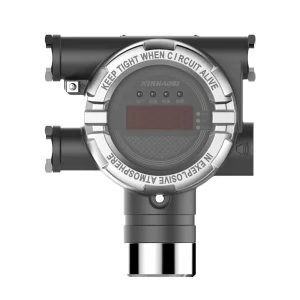
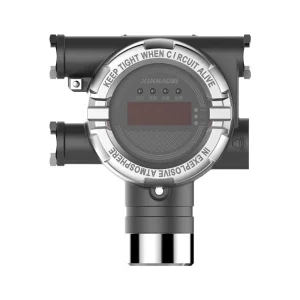
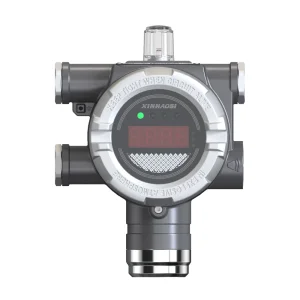
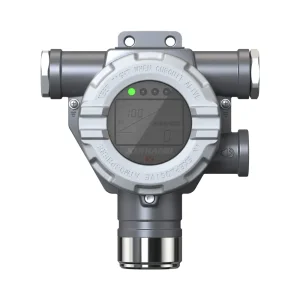
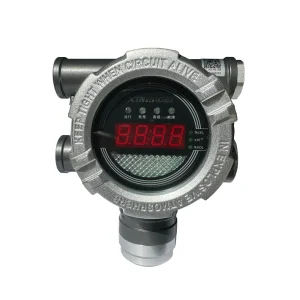
Read Article →Explore our range of fixed-type gas transmitters for combustible, toxic, oxygen, and volatile organic compound monitoring.
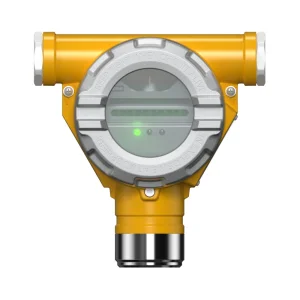
Answers to common technical and compliance questions regarding fixed-type gas detection in Malaysia.