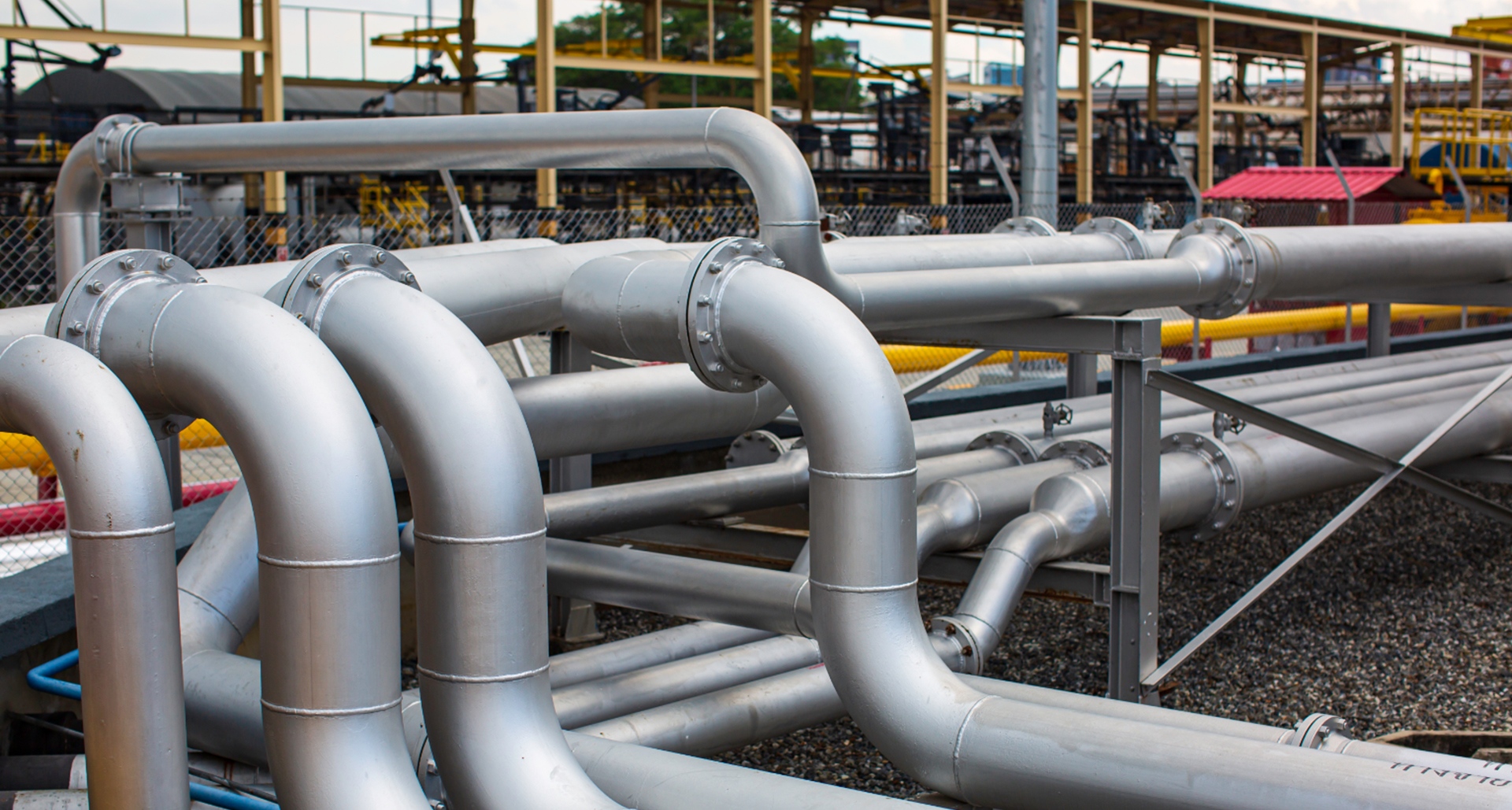
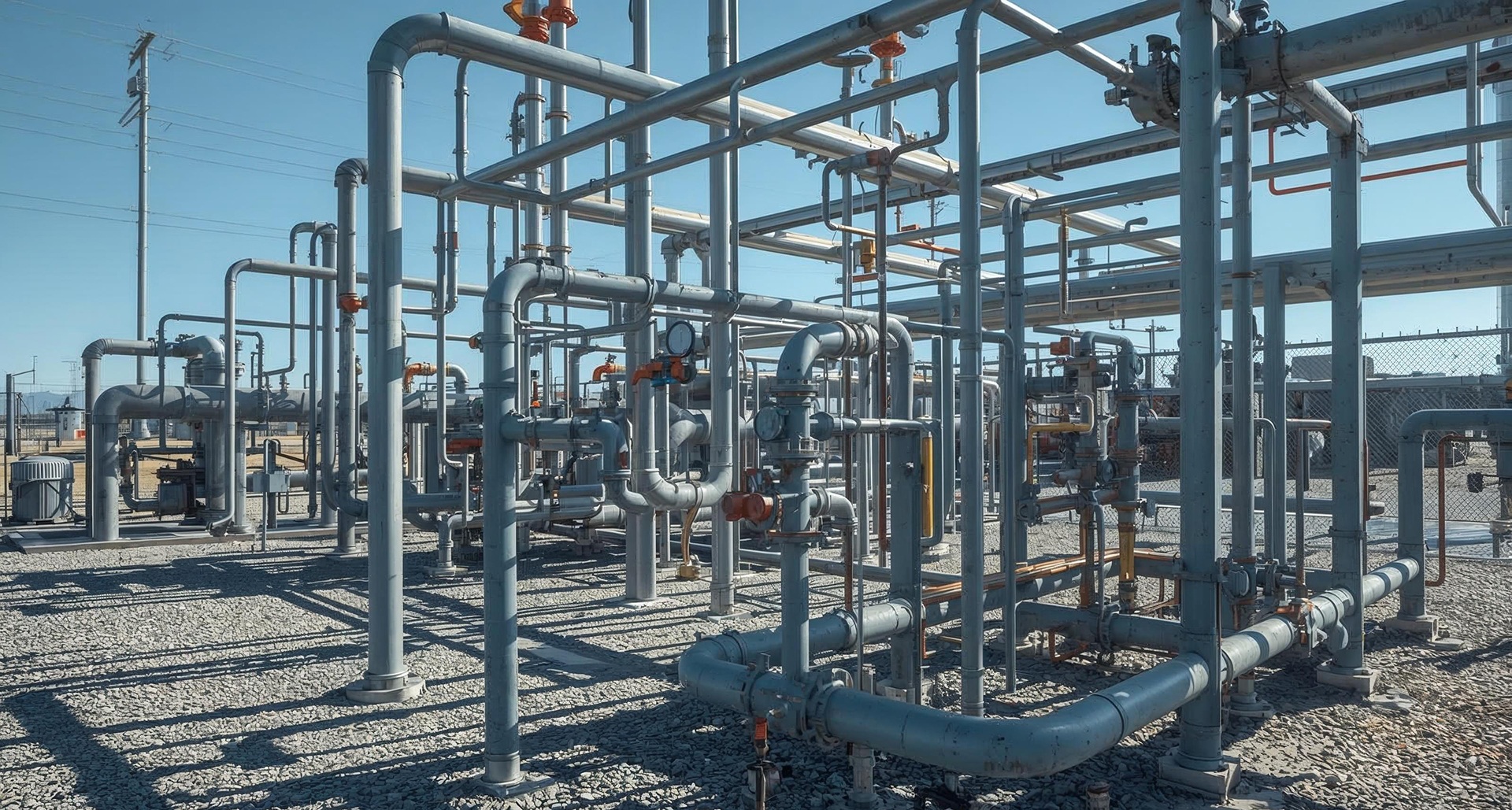
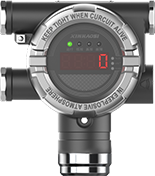
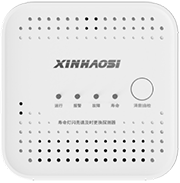
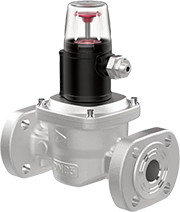
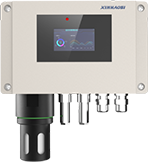
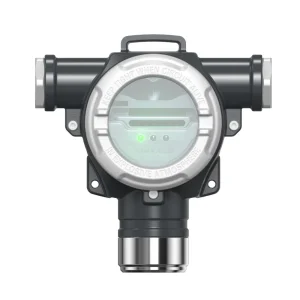
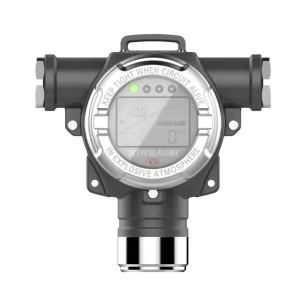
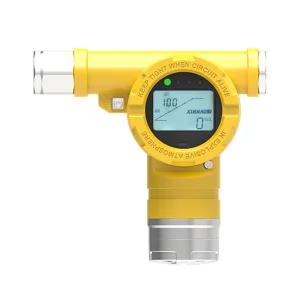
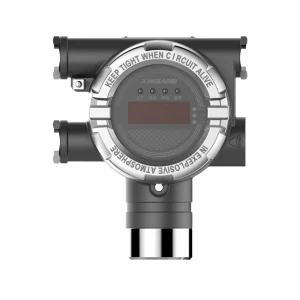
Engineered for hazardous locations, these initial four featured units deliver real-time environmental monitoring across typical Philippine industrial sectors.
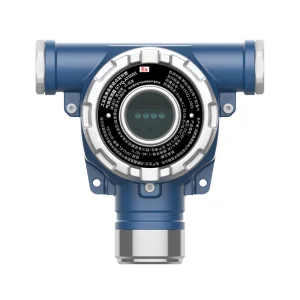
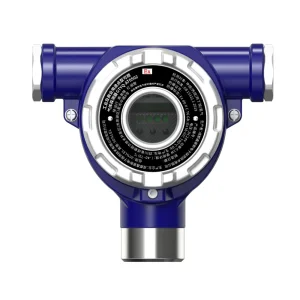
An authoritative analysis of fixed-type gas detection requirements under tropical climatic pressures and national safety regulations.
The Philippines is undergoing rapid industrial expansion, characterized by major developments in CALABARZON, Central Luzon, and various economic zones managed by the Philippine Economic Zone Authority (PEZA). With the growth of heavy industries, chemical processing facilities, marine ports, food and beverage production, and geothermal power plants, occupational safety has taken center stage.
Compliance with the Department of Labor and Employment (DOLE) Occupational Safety and Health Standards (OSHS) is mandatory. Specifically, Rule 1070 (Occupational Health and Environmental Control) mandates that industrial environments maintain air quality within threshold limit values (TLVs) for toxic and flammable substances. Concurrently, the Bureau of Fire Protection (BFP) under the Fire Code of the Philippines (RA 9514) enforces strict regulations regarding combustible gas hazard mitigation in commercial and industrial settings.
Operating gas detectors in the Philippines presents unique geographic challenges. High relative humidity (frequently exceeding 85%), high ambient operating temperatures, and saline-rich coastal air accelerate sensor degradation and corrosion. Standard gas detectors fail prematurely under these tropical conditions. Consequently, industrial deployments require IP66/IP67 ingress ratings, marine-grade aluminum or 316 stainless steel enclosures, and specialized hydrophobic filters to ensure stability and reduce maintenance cycles.
The global gas detection industry is transitioning from isolated localized transmitters to integrated, digitally networked safety ecosystems. The emergence of Industry 4.0 has accelerated the adoption of smart communication protocols such as Modbus RTU, HART, and wireless LoRaWAN, allowing real-time telemetry from remote areas.
In terms of sensor technologies, three primary methodologies dominate the market:
Geothermal & Thermal Power Plants (e.g., Leyte, Batangas): Geothermal extraction generates significant concentrations of Hydrogen Sulfide (H₂S), a highly toxic gas that is heavier than air. Fixed-type detectors equipped with long-life electrochemical sensors must be installed near the floor in extraction wells, turbine rooms, and pipeline corridors.
Cold Storage & Food Processing Facilities: Large refrigeration warehouses in Metro Manila and Bulacan rely heavily on anhydrous ammonia (NH₃) as a refrigerant. Although environmentally friendly, ammonia is highly toxic and flammable. Point detectors with high-sensitivity electrochemical or catalytic sensors are installed near potential leak paths, such as valve manifolds and compressor seals.
Semiconductor & Electronics Manufacturing: Electronics factories within PEZA zones use toxic process gases (such as phosphine and silane) and volatile organic compounds (VOCs). Photoionization detectors (PID) and highly selective toxic gas transmitters provide the ppm-level resolution necessary to protect cleanroom workers.
Leveraging advanced electronics and sensor diagnostics to turn unknown gas leak risks into visible, actionable safety metrics.
Compensates for the extreme temperature variations and high humidity levels characteristic of the Philippine climate, preventing baseline sensor drift.
Heavy-duty, spark-free cast aluminum/stainless steel enclosures designed to safely contain internal faults in volatile Zone 1 and Zone 2 environments.
Provides 4-20mA, Modbus RTU, and relay outputs for direct integration with PLCs, DCS networks, and emergency gas shutoff solenoid valves.

X is Clear and Visible Safety: We utilize advanced electronic detection technology to make unknown gas leak risks clear and visible.
Founded in 2003, Xinhaosi (GasSafePro) is one of the most influential and reliable brands in the gas safety industry. We provide customer-focused products and services to safeguard the safe operation of every factory, the comfort of every city, and the peace of of every home. Powered by cutting‑edge production systems and technology, we deliver more advanced, intuitive, and precise gas safety solutions for shaping a safer future.
Explore Our Enterprise CapabilitiesEmpowered by technology. Full-chain integration. Comprehensive protection, shaping the future with industrial intelligence.
We design, assemble, supply, and calibrate complete fixed-type gas detection networks linked directly to fire alarm control panels (FACP), building management systems (BMS), and emergency shut-off solenoid valves. Whether your project is in Batangas, Cebu, or Subic Bay, our engineers provide structural blueprints and localized support.
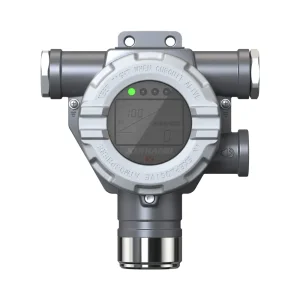
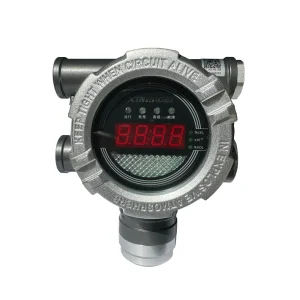
These certified combustible gas transmitters are optimized for LEL monitoring, featuring durable sensors and standard industrial signal outputs.
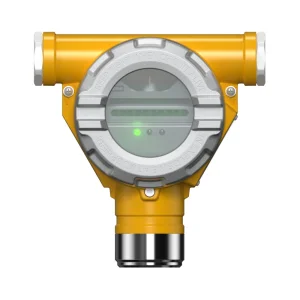
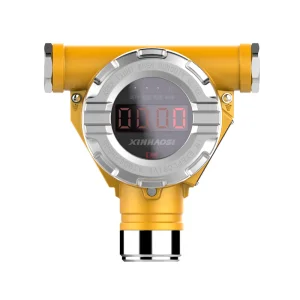
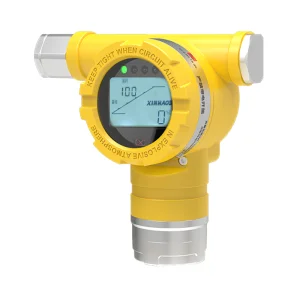
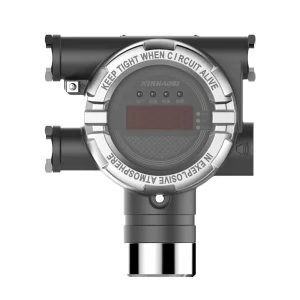
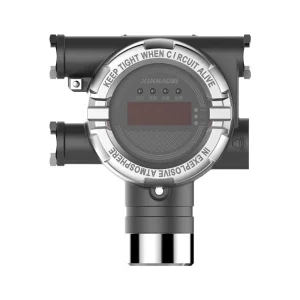
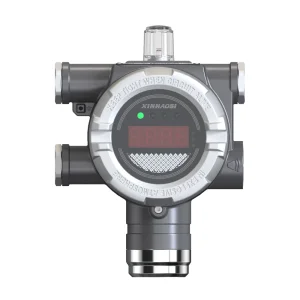
Engineered for specialized processes, these electrochemical and photoionization units monitor critical levels of oxygen depletion, toxic exposures, and volatile solvents.
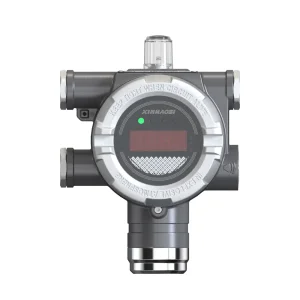
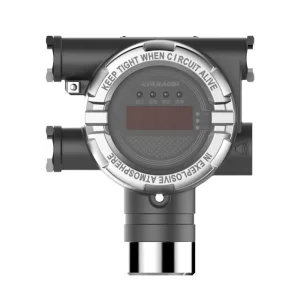
Collaborating with global industry leaders to deliver field-tested safety systems across international markets.























Stay updated with research developments, product launches, and regional safety expos.
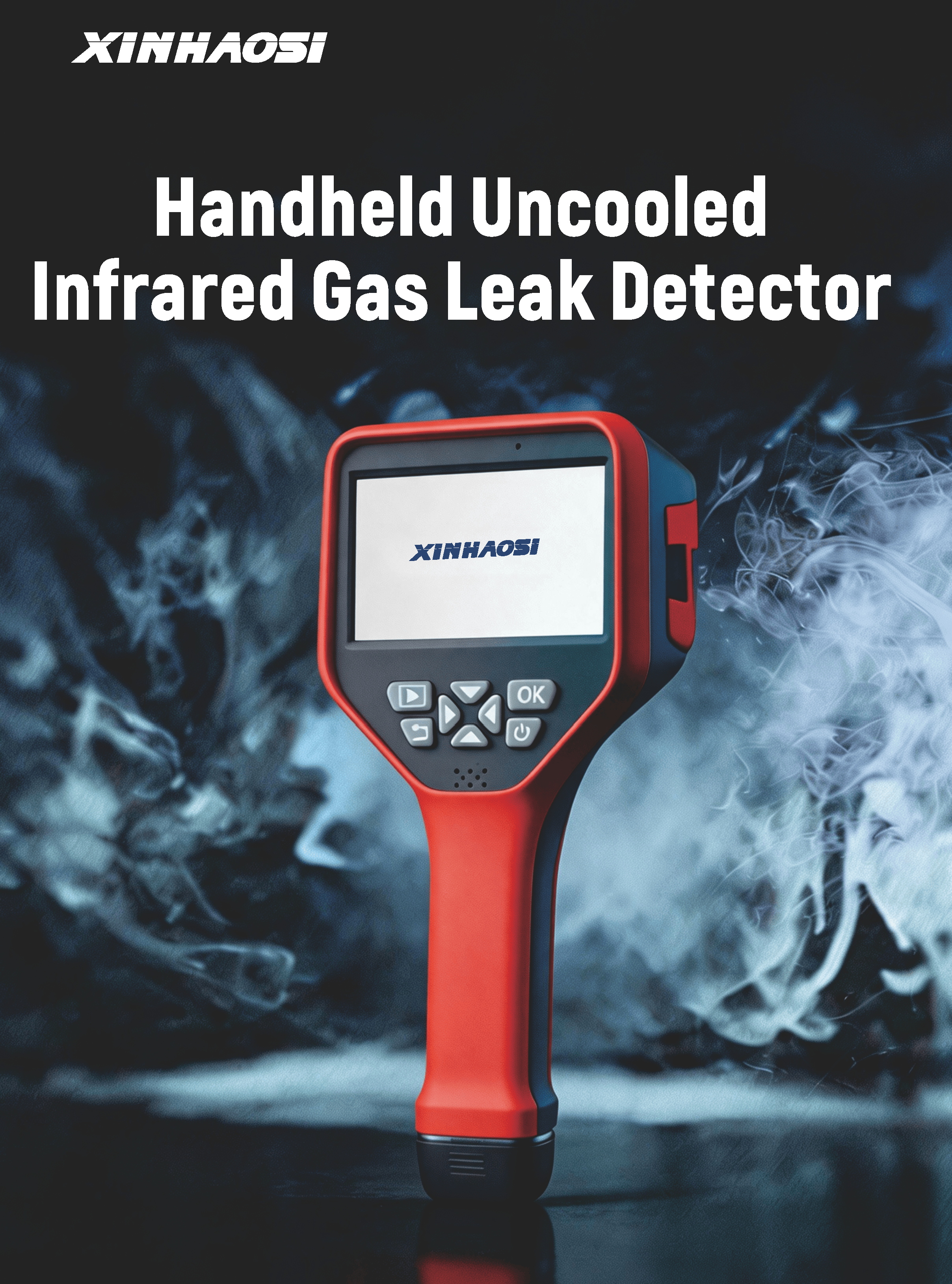
Xinhaosi Electronic Detection Technology Co., Ltd. officially launched its new Handheld Uncooled Infrared Gas Leak Detector, featuring dual-technology fusion, ultra-fast response, and long-distance non-contact detection to enhance safety and efficiency in petrochemical, refrigeration, natural gas and industrial safety scenarios.
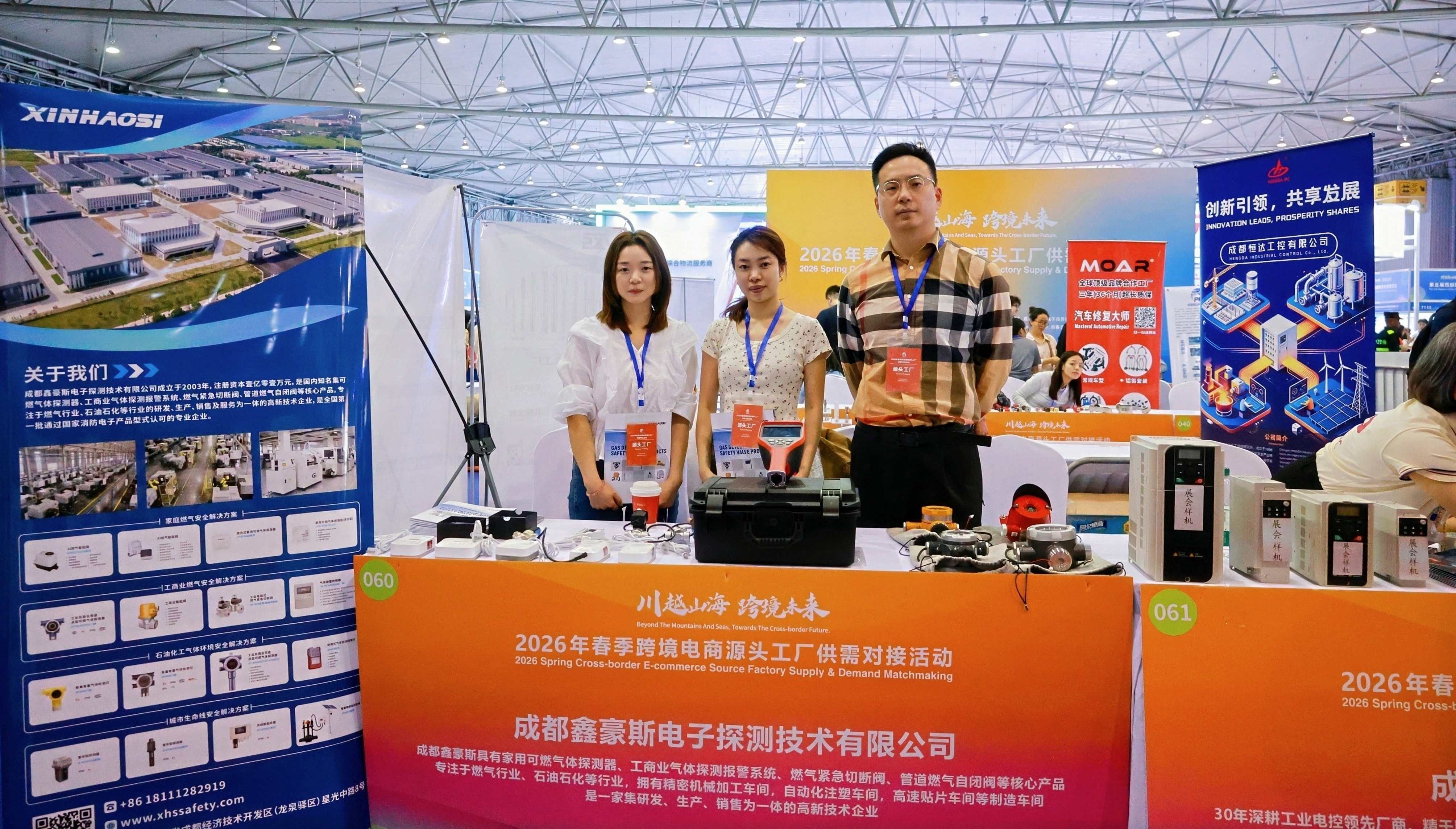
XINHAOSI recently participated in the 5th Western China Cross-Border E-Commerce Expo held in Chengdu. The event brought together cross-border e-commerce platforms, global buyers, manufacturers, and supply chain companies, creating new opportunities for international business cooperation.
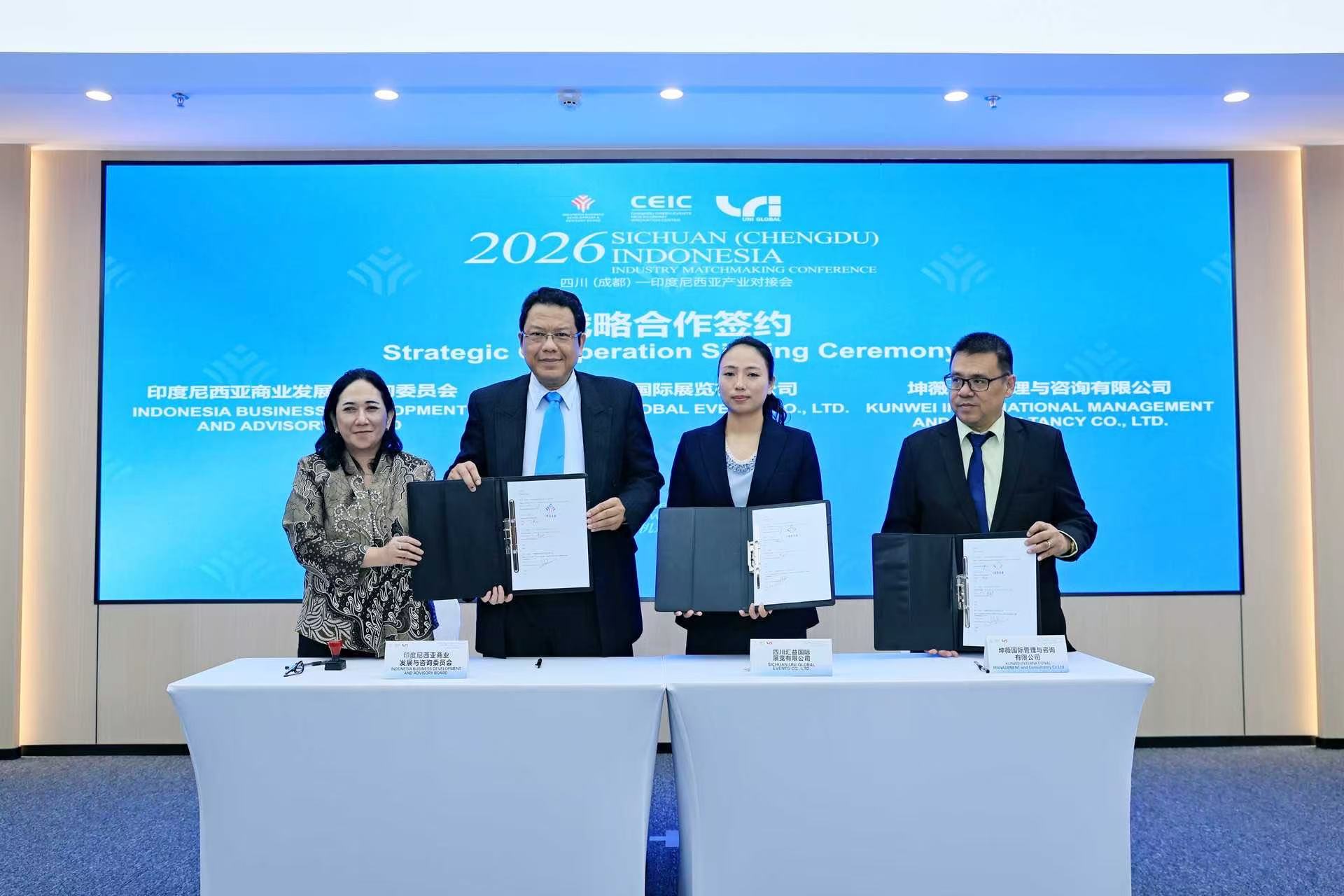
XINHAOSI recently participated in the 2026 Sichuan (Chengdu) – Indonesia Industry Matchmaking Conference held in Chengdu. The event gathered enterprises and industry representatives from China and Indonesia to strengthen industrial cooperation and explore new business opportunities in Southeast Asia.
Expert technical answers regarding compliance, installation heights, and calibration requirements under Philippine environmental standards.