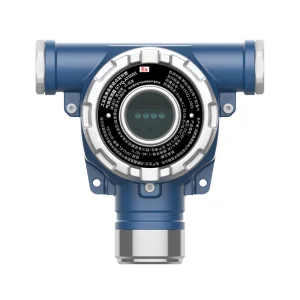
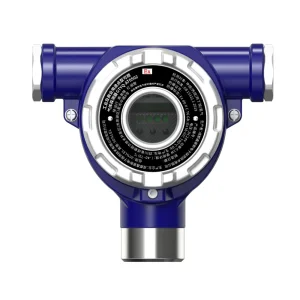
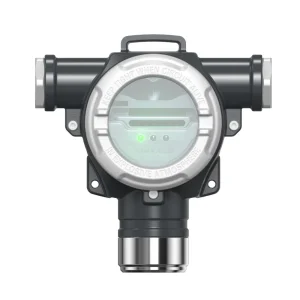
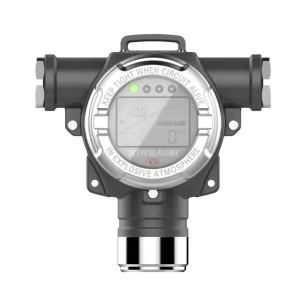
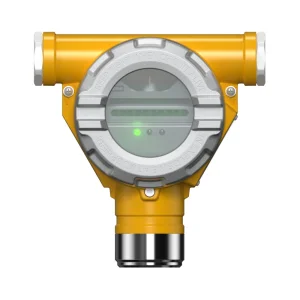
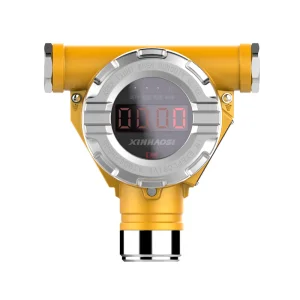
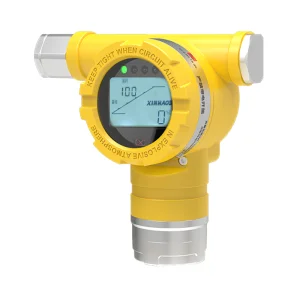
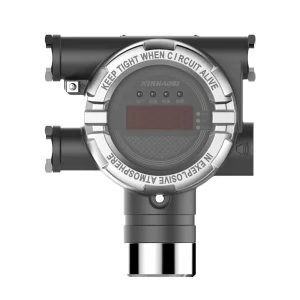
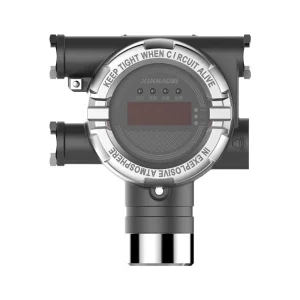
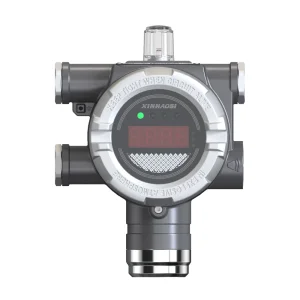
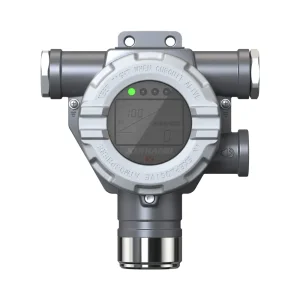
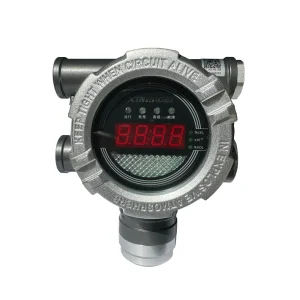
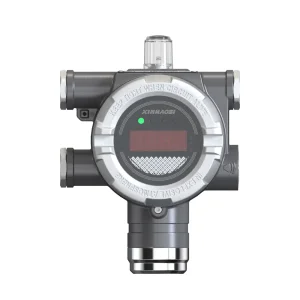
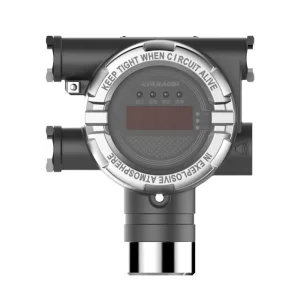
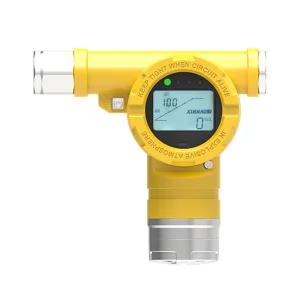
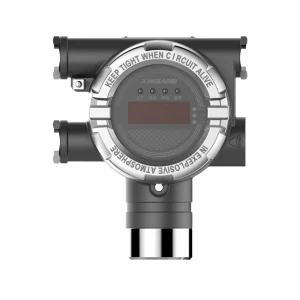
Direct from Factory: Explosion-Proof Combustible Detectors Engineered for Harsh Maritime & Heavy Manufacturing Zones
The Hanshin Industrial Region, centered around the Osaka prefecture and its coastal zones such as the Sakai-Senboku petrochemical complex, stands as one of East Asia’s most dense and sophisticated industrial agglomerations. Boasting massive refineries, chemical processing plants, LNG storage facilities, and advanced electronics manufacturing sites, Osaka maintains a relentless demand for state-of-the-art industrial safety systems. Fixed-type gas detectors in this region serve as the first line of defense against disastrous leaks, catastrophic explosions, and toxic exposures.
Furthermore, Japan's national transition towards clean hydrogen and ammonia infrastructure has heavily impacted the Kansai region. Osaka is aggressively developing import hubs and storage facilities for liquid hydrogen and ammonia fuels. This shift mandates next-generation gas detection systems capable of operating under extreme low-temperature and high-pressure parameters. Standard sensing solutions are no longer sufficient; Osaka’s heavy industry requires ultra-stable sensors configured with explosion-proof ratings that meet stringent local safety regulations (such as the High Pressure Gas Safety Act and KHK standards) as well as global equivalents.

For Osaka purchasing managers, sourcing directly from top-tier Chinese factories like Xinhaosi offers the perfect convergence of high-reliability manufacturing, advanced R&D, and cost efficiency. Founded in 2003, Xinhaosi has spent over two decades building an influential and highly reliable brand in the global gas safety industry. Our factories utilize cutting-edge manufacturing setups, high-precision calibration chambers, and rigorous climate simulators to supply components to industrial zones globally.
Our core manufacturing advantage lies in structural integration. Unlike regional assembly lines, Xinhaosi operates full-chain vertical integration—producing sensor housings, circuit boards, functional transmitters, and integrated gas solenoid valves under one roof. This minimizes supply chain latency and allows for deep customization (OEM/ODM) to meet specific Japanese engineering requirements. Our systems are built to endure, utilizing advanced electronic detection tech to render invisible gas leak hazards visible and manageable.
High concentration of volatile organic compounds (VOCs) and combustible hydrocarbons require continuous, explosion-proof monitoring. Fixed detectors with local display and high-decibel audio-visual alarms ensure worker safety near catalytic crackers and distillation towers.
Osaka's precision component manufacturers handle toxic gases such as silane, phosphine, and ammonia. Ultra-sensitive electrochemical transmitters with ppb-level (parts-per-billion) detection limits prevent occupational hazards and process contamination.
Large-scale refrigeration systems utilizing ammonia (R717) or carbon dioxide (R744) represent potential leak hazards. Our fixed detectors trigger ventilation and emergency shut-off valves instantly when thresholds are crossed.
Smart city initiatives in modern Osaka prioritize automated containment. Interconnecting fixed combustible detectors with gas solenoid valves automatically stops leaks at the main intake line, minimizing municipal disaster footprints.
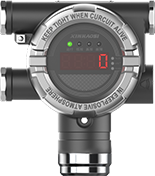
Heavy-duty hazard protection from precision sensing technology.
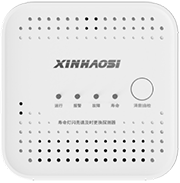
Everyday safety configurations for urban high-rise installations.
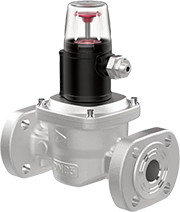
Protecting assets directly from the source via rapid auto-shutoff.
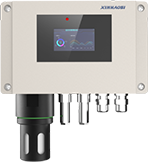
Smart IoT sensor arrays for comprehensive municipal grids.
Procuring fixed gas systems for high-hazard installations in Japan requires understanding certifications. Our factory-engineered systems conform to global standards, facilitating integration into Japanese functional safety architectures. Below is a structured analysis comparing key sensor configurations:
| Sensor Tech | Target Gases | Expected Lifespan | Osaka Harbor Suitability |
|---|---|---|---|
| Catalytic Bead | Methane, Hydrogen, LPG | 3 - 5 Years | High (Requires poison-resistant mesh for sulfur-rich coastal regions) |
| Electrochemical | H2S, CO, NH3, O2, Cl2 | 2 - 3 Years | Excellent (Highly selective; critical for semiconductor and cold chain) |
| Infrared NDIR | Hydrocarbons, CO2 | 5 - 8 Years | Outstanding (Immune to silicone/sulfur poisoning; performs in low O2) |
By leveraging standard industrial communication protocols (4-20mA analog loop, RS485 Modbus digital interface, and relays), our detectors interface smoothly with existing Distributed Control Systems (DCS) and Programmable Logic Controllers (PLC) commonly used in Kansai plants.
High-Quality Explosion-Proof Combustible & Toxic Transmitters Sourced Directly from our ISO-Certified Facilities
Expert Answers for Industrial Gas Sourcing Managers in the Osaka & Global Markets
Trusted by major enterprises across Asia-Pacific and Europe for continuous gas safety infrastructure.























Keep track of technological breakthroughs, cross-border expos, and global summits.
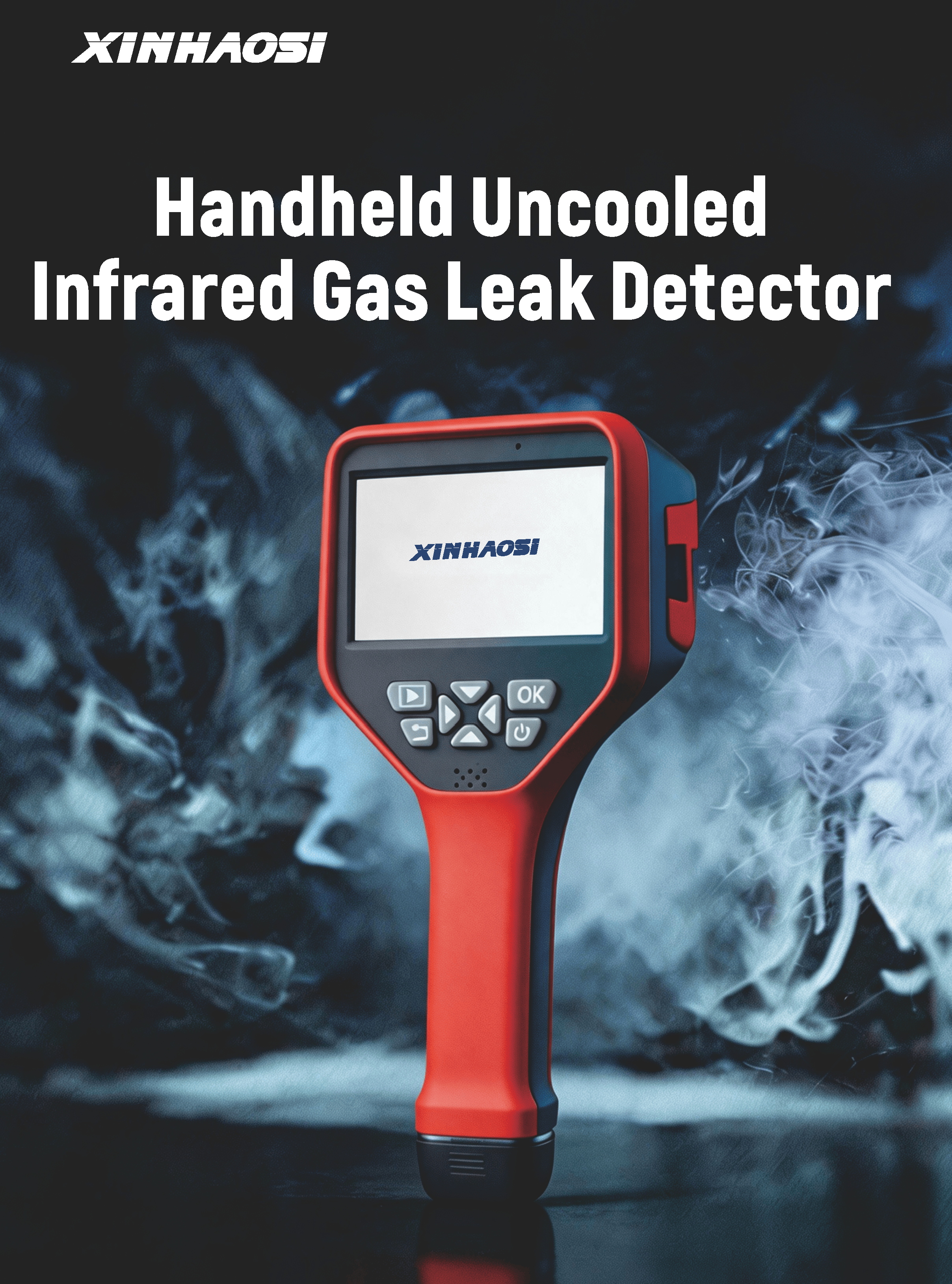
Introducing our new uncooled infrared gas leak detector featuring dual-technology fusion and rapid response, designed for petrochemical and refrigeration applications.
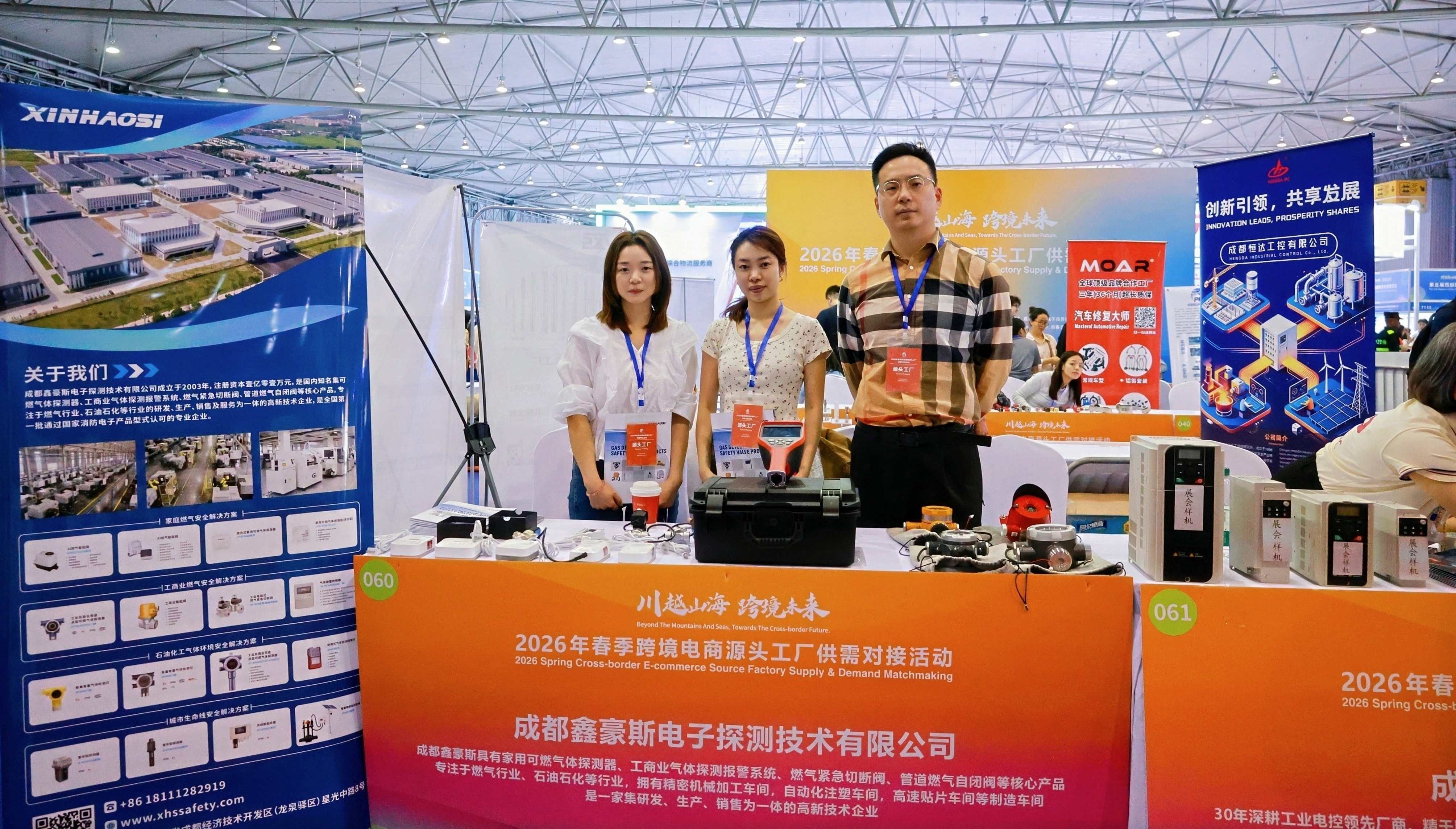
We connected with global partners and buying offices, opening new channels to supply fixed safety arrays to heavy-industry markets.
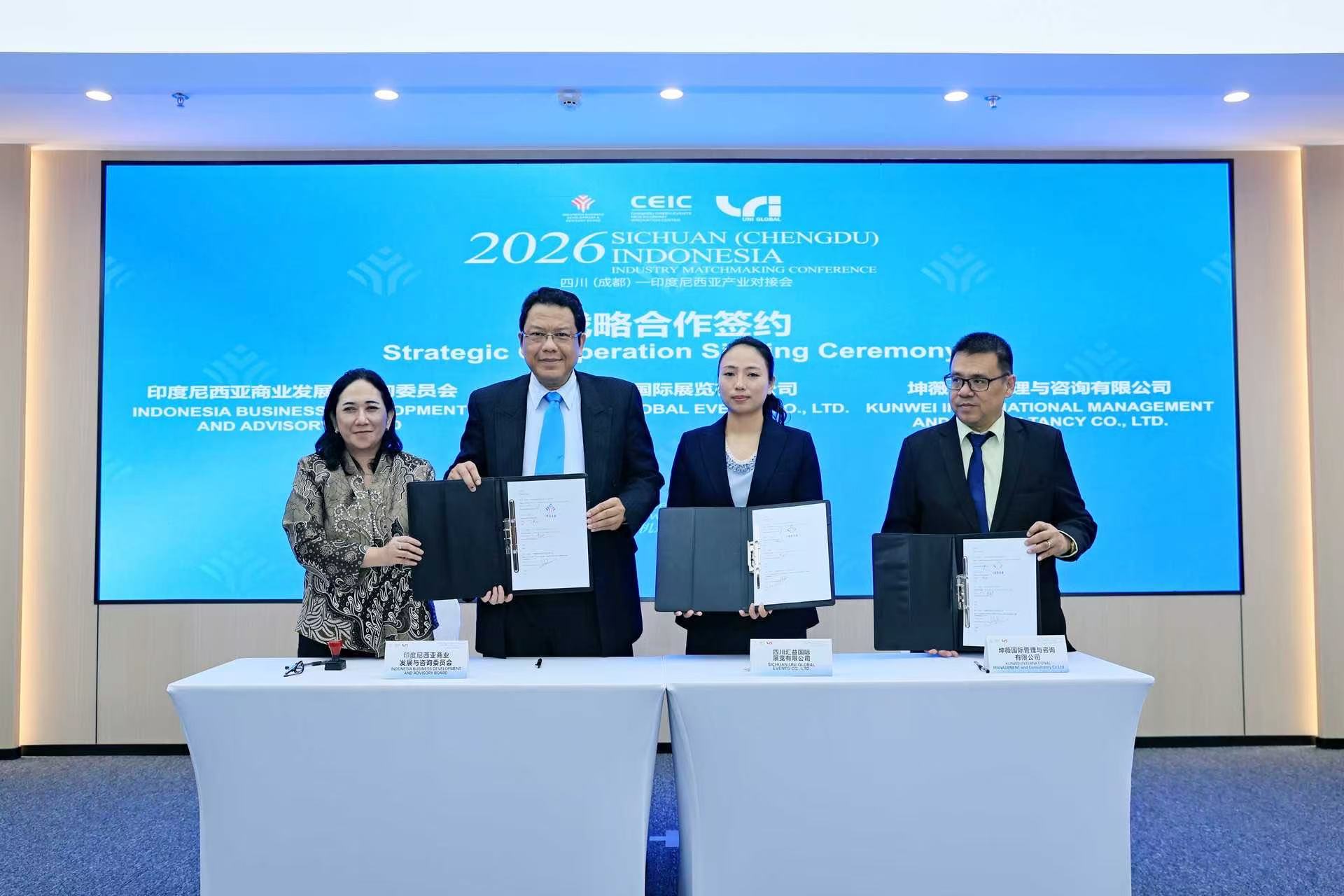
Strengthening relations within Southeast Asian markets to support clean energy transitions with reliable monitoring solutions.
Get in touch with our engineering team today to receive a detailed quote, technical integration diagram, or localized custom enclosure specification.
Send Inquiry Now