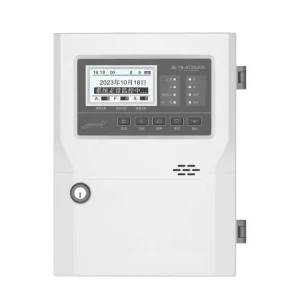
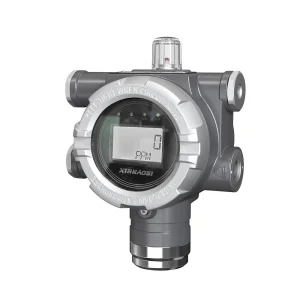
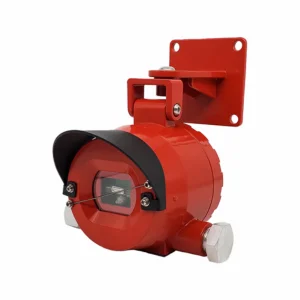
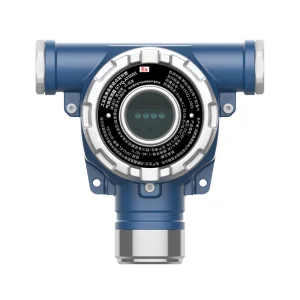
Founded in 2003, Xinhaosi stands at the forefront of the gas safety industry. We provide customer-focused products and services to safeguard the safe operation of every factory, the comfort of every city, and the peace of every home. Powered by cutting-edge production systems, we deliver precise gas safety solutions for a safer future.
Our Ammonia (NH3) detection roadmap emphasizes Information Gain through granular data analytics, ensuring that "unknown gas leak risks" become "visible and manageable data points."


Integrating AI-driven detection with low-latency response systems.

Ammonia is a dual-threat gas: highly toxic and potentially explosive. Modern industrial environments require more than just a simple sensor; they require a "Sensing Ecosystem."
While traditional electrochemical sensors remain the industry standard for cost-effective monitoring, the roadmap is shifting towards TDLAS (Tunable Diode Laser Absorption Spectroscopy). This technology offers zero cross-sensitivity to other gases, providing the "Information Gain" necessary for high-stakes environments like semiconductor manufacturing and large-scale cold chain storage.
Our next-gen detectors are not isolated units. They are nodes in a mesh network. By utilizing cloud-based digital twins, we can predict sensor exhaustion 3 months in advance, reducing downtime by 40% for global enterprises. This is the hallmark of a world-class Ammonia Detector Factory.
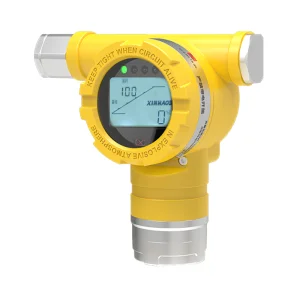
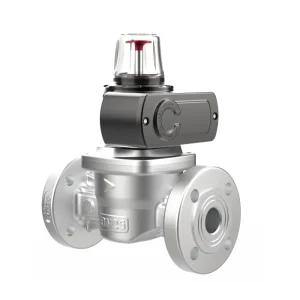
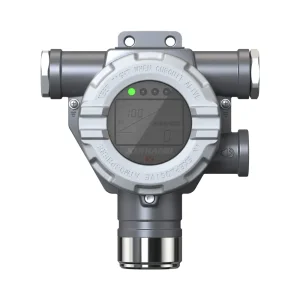
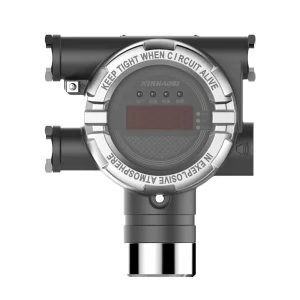
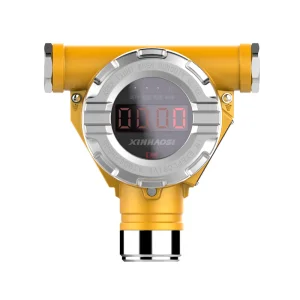
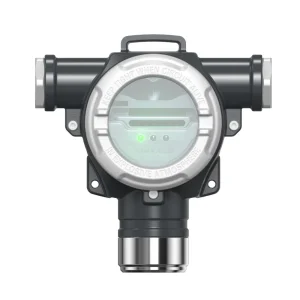
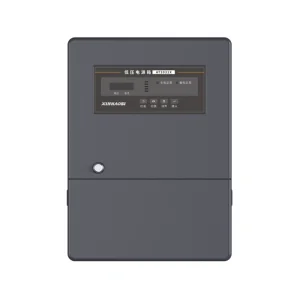
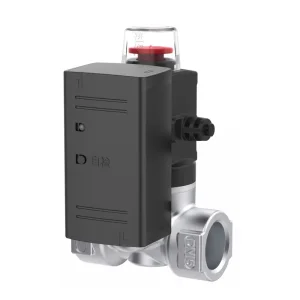
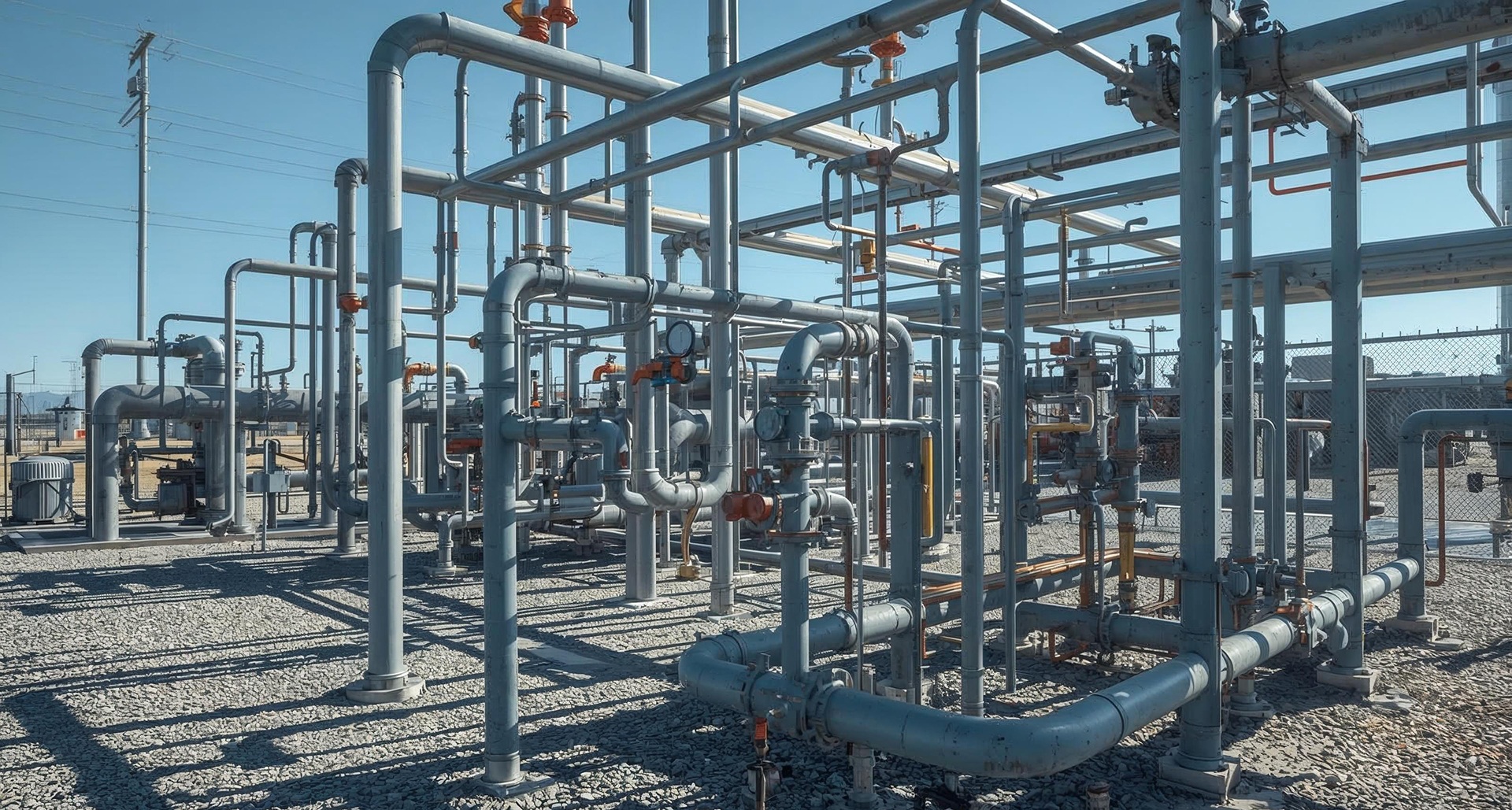
Whether it’s refrigeration, fertilizer production, or hydrogen energy storage, ammonia monitoring is critical. We provide end-to-end solutions that integrate Explosion-Proof Detectors with Automatic Solenoid Valves, creating an impenetrable safety loop.
In the post-pandemic era, Supply Chain Resilience is the top priority for global procurement officers. Our Chengdu-based factory has transitioned to Industry 4.0 standards, featuring:
Compliance with ATEX, IECEx, and CNEX standards to ensure your operations meet local safety laws.
Our technical partners across Europe, SE Asia, and the Americas provide local installation support.
24/7 technical hotline for critical safety incidents and sensor troubleshooting.
We focus on the Total Cost of Ownership, offering long-life sensors that reduce replacement frequency.
Q: What is the typical lifespan of an Ammonia (NH3) sensor?
A: Standard electrochemical NH3 sensors typically last 2-3 years depending on exposure levels. Our premium series offers enhanced resistance to "sensor poisoning" in high-humidity cold storage environments.
Q: Can your detectors integrate with existing SCADA systems?
A: Yes. All our industrial units (like the XP4000 series) support standard 4-20mA analog output and RS485 Modbus digital output for seamless integration.
Q: Why choose a China-based factory for gas detection?
A: China's supply chain offers unparalleled speed-to-market. Our factory 4.0 ensures that you get Western-grade precision (using high-end sensors) with the logistical efficiency of the world's largest manufacturing hub.
Q: Are your detectors suitable for Class I, Div 1 hazardous locations?
A: Absolutely. Our explosion-proof series are designed and certified for the most rigorous hazardous environments, featuring cast-aluminum housing and flame-arrestor technology.






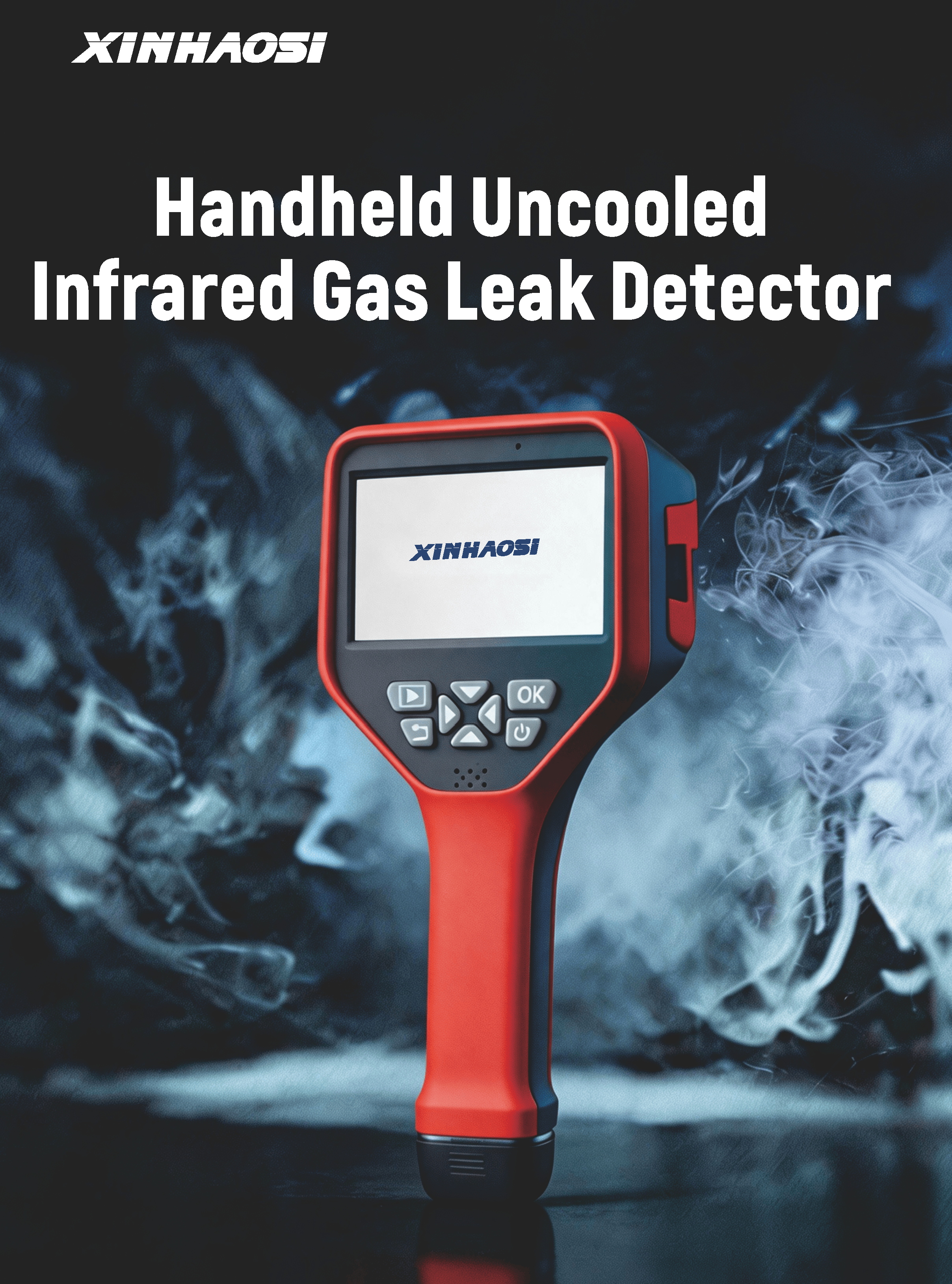
May 09, 2026 - Featuring dual-technology fusion and ultra-fast response for petrochemical safety.
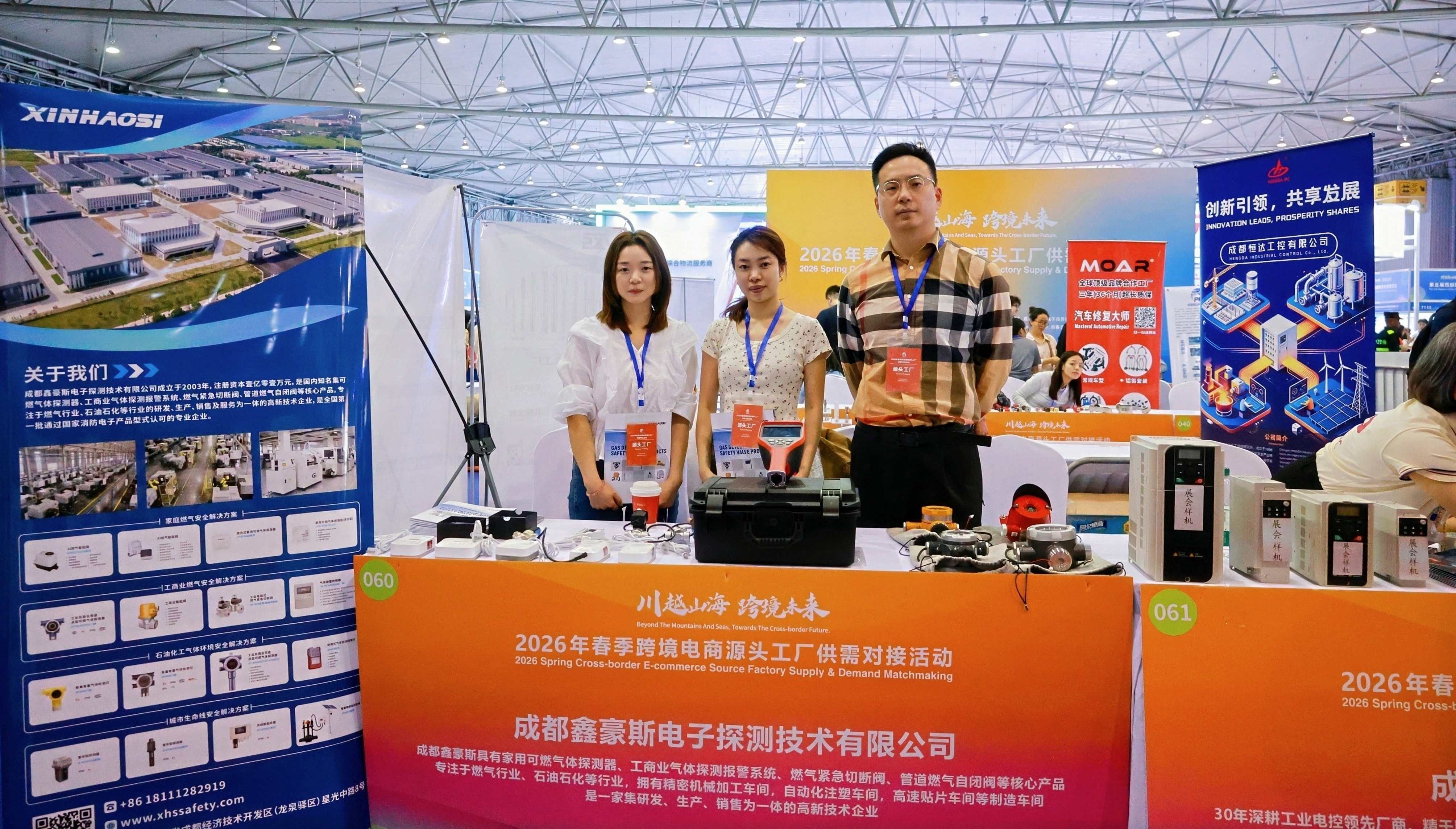
May 08, 2026 - Expanding our global footprint and supply chain cooperation.

May 08, 2026 - Strengthening industrial cooperation for smart sensing in Southeast Asia.