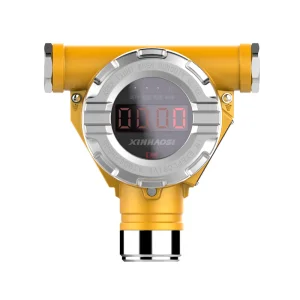
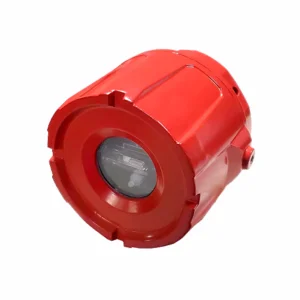
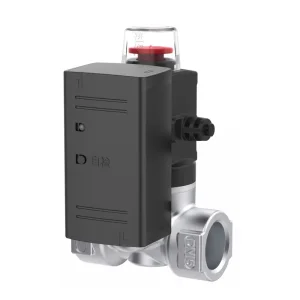
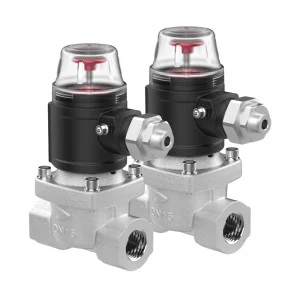
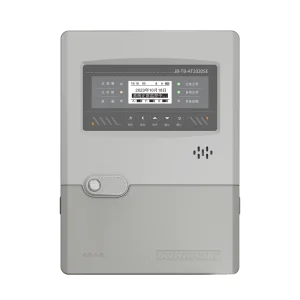
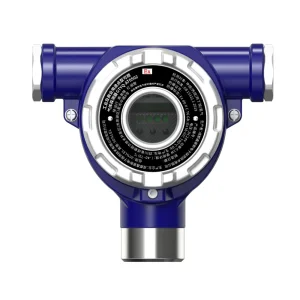
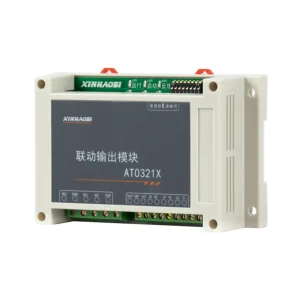
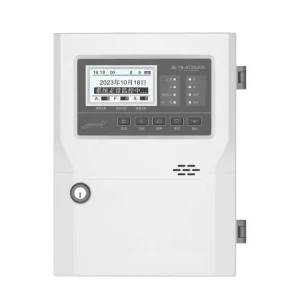
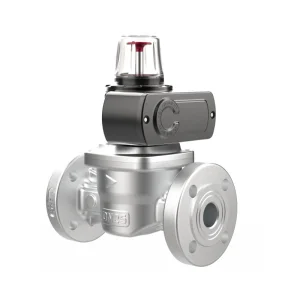
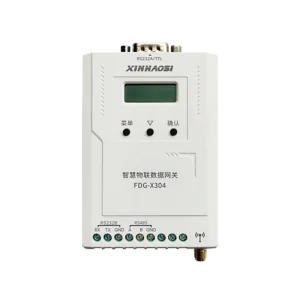
High-performance gas solenoid valves, data management gateways, and flame monitoring systems manufactured to international standards.
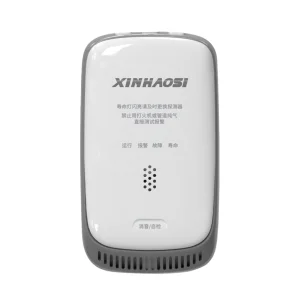
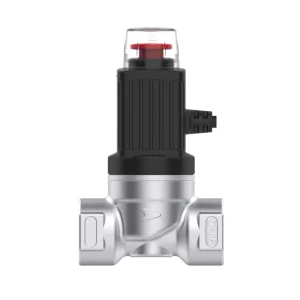
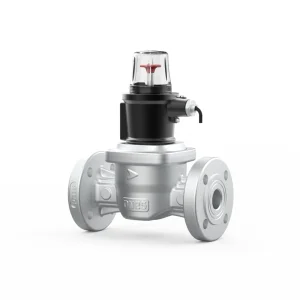
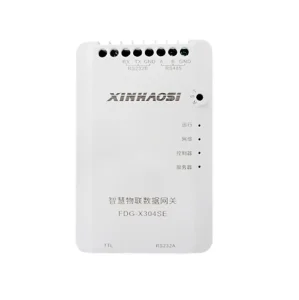
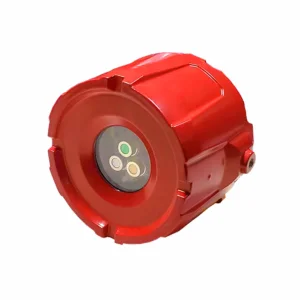
Ammonia ($NH_3$) is a vital compound across global chemical synthesis, agriculture, and refrigeration, yet its hazardous properties represent significant industrial vulnerabilities. Characterized by a pungent odor, ammonia is highly toxic even at low concentrations and is flammable under specific air-mix ratios (15% to 28% by volume). In hazardous industrial facilities, early detection is not merely a compliance issue—it is an absolute prerequisite to safeguard human life and operational assets.
Selecting professional ammonia detector manufacturers ensures systems are engineered to withstand complex hazards. Our enterprise partners seek reliability, fast response times ($T_{90}$ under 30 seconds), and low cross-sensitivity. High-quality gas safety configurations stop failures before they escalate, leveraging reliable sensors, advanced transmitters, and emergency shutdown mechanisms.
The global ammonia market is undergoing rapid evolution. Aside from standard agricultural fertilizers, ammonia is now critically regarded as a high-density hydrogen carrier for the new energy transition. Moving liquid hydrogen requires extreme cryogenics, whereas ammonia can be stored and transported under far more moderate conditions, subsequently cracked back to hydrogen at point-of-use.
This expansion of green ammonia processing terminals, storage ports, and transportation pipelines has sparked strict demand for high-reliability detection networks. In key economic regions like North America, the European Union, and the Asia-Pacific, regulatory bodies are tightening allowable exposure limits (such as OSHA's PEL-TWA of 25 ppm, and the UK HSE's EH40 occupational limits). Manufacturers are required to supply equipment with traceable calibration certificates, verified explosion-proof ratings, and integration capabilities for DCS (Distributed Control Systems) or Cloud IoT platforms.
Understanding the technical performance of gas sensors is vital when assessing ammonia detector manufacturing. No single detection method fits all applications; hence, high-quality manufacturers offer tailored options:
Ideal for ppm-level toxic gas safety. Measures small leaks with exceptional selectivity. However, exposure to high ammonia surges can exhaust the electrolyte, demanding regular sensor replacement.
Commonly selected for flammability (% LEL) monitoring. These sensors are robust in high concentrations but susceptible to environmental drifts and sensor poisoning, requiring regular calibration.
For extreme environments, modern advancements have introduced TDLAS (Tunable Diode Laser Absorption Spectroscopy) and NDIR (Non-Dispersive Infrared) sensors. By leveraging optical gas absorption bands, TDLAS systems provide drift-free monitoring, survive high-concentration exposures, and significantly lower total cost of ownership by extending maintenance intervals up to 5 years.
Integrating gas leak detection and smart shutoff solenoid valves to build resilient, end-to-end safety networks.
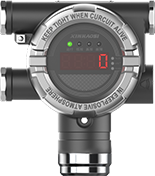
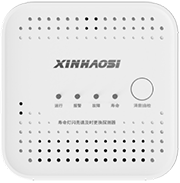
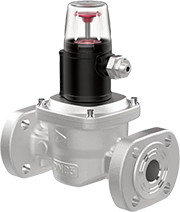
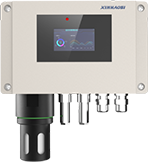


X is... We utilize advanced electronic detection technology to make unknown gas leak risks clear and visible.
Founded in 2003, Xinhaosi is one of the most influential and reliable brands in gas safety industry. We provide customer-focused products and services to safeguard the safe operation of every factory, the comfort of every city, the peace and happiness of every home. Powered by cutting-edge production systems and technology, we deliver more advanced, intuitive, and precise gas safety solutions for shaping a safer future world.
With research capabilities spanning chemical detection, wireless loT, and precision valves, our mission is to eliminate risk from the source, driving intelligent safety controls across boundaries.
Ammonia detection must adapt to its target environment. Ammonia is lighter than air (molecular weight of approximately 17 g/mol compared to air's 29 g/mol). Thus, released ammonia gas rises. However, high-pressure liquid releases can form heavy aerosols that settle low. Experienced manufacturers design specific solutions:
Cold chain warehousing relies on anhydrous ammonia (R717) for its superior thermodynamic efficiency. Because facilities are highly sealed, leaks can quickly reach lethal concentrations. Detectors should be mounted high near compressors, valves, and headers, utilizing low-temperature rated electrochemical sensors or TDLAS systems that operate effectively down to -40°C.
Ammonia synthesizers operate under high heat and pressure. Corrosive atmospheres necessitate 316 stainless steel housings, explosion-proof explosion containment (Ex d), and remote calibration capabilities to protect service teams.
SCR systems utilize ammonia to neutralize harmful NOx emissions from flue gases. Detectors are installed near ammonia storage tanks, dilution skids, and vaporizers, requiring robust cross-sensitivity filtering to prevent interference from combustion byproducts.
Procurement teams must carefully assess specific technical metrics to avoid low-quality sensors that trigger false alarms or fail early. Establish the following metrics during product screening:
Navigating international regulatory frameworks is critical. Compliance with standards like EN 378 (Refrigeration systems safety), ASHRAE 15, and OSHA 1910.111 is required. Reputable manufacturers provide local commissioning, scheduled calibration, and emergency spare-parts services. These technical networks verify compliance, optimize sensor placement, and provide traceable calibration logs during EHS inspections.
Empowered by technology. Full-chain integration, comprehensive protection, shaping the future with intelligence.
























Stay tuned for the latest updates from Xinhaosi & the Industry.
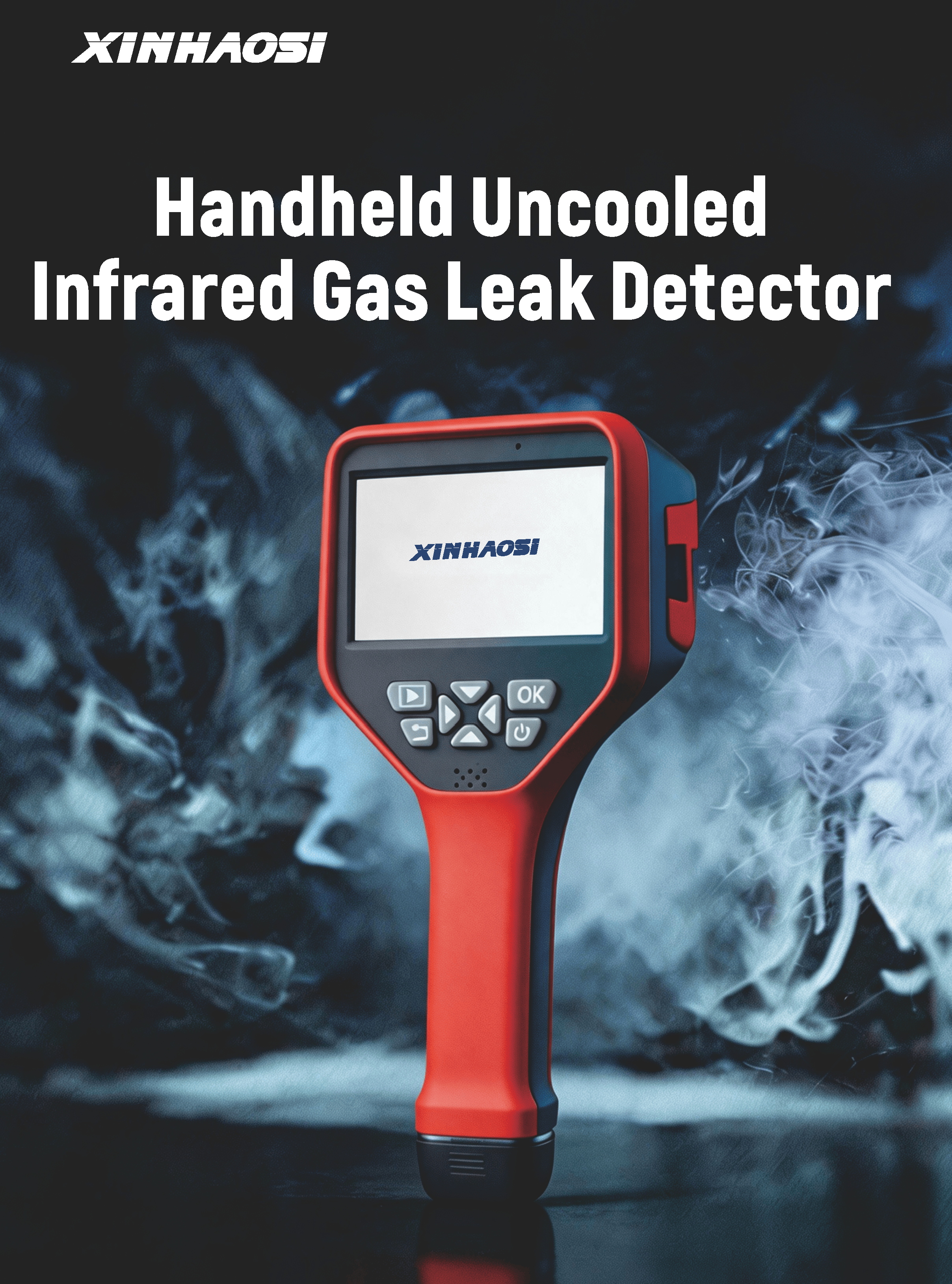
Xinhaosi Electronic Detection Technology Co., Ltd. officially launched its new Handheld Uncooled Infrared Gas Leak Detector, featuring dual-technology fusion, ultra-fast response, and long-distance non-contact detection...
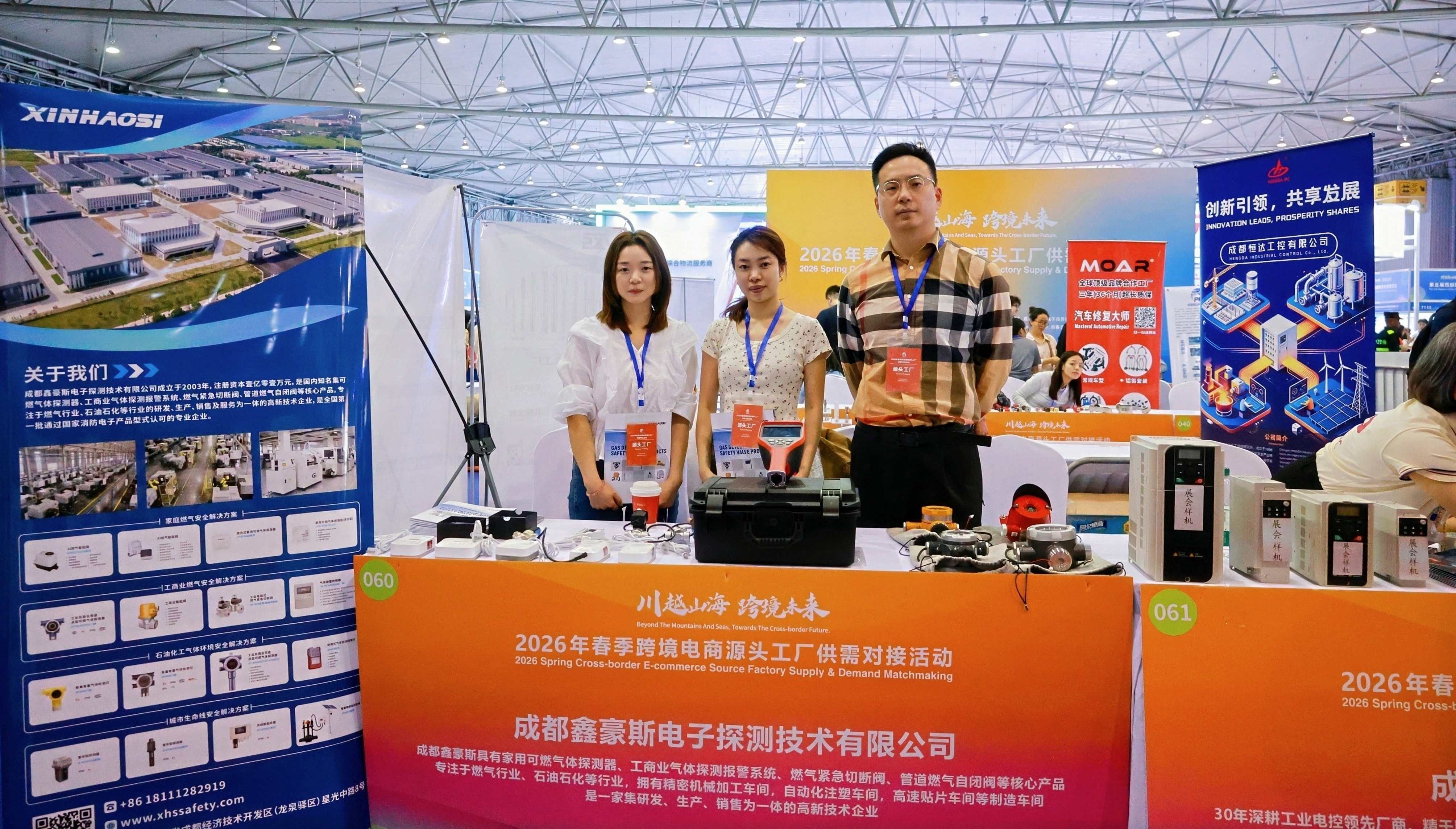
XINHAOSI recently participated in the 5th Western China Cross-Border E-Commerce Expo held in Chengdu. The event brought together cross-border e-commerce platforms, global buyers, and supply chain companies...

XINHAOSI recently participated in the 2026 Sichuan (Chengdu) – Indonesia Industry Matchmaking Conference held in Chengdu. The event gathered enterprises from China and Indonesia to strengthen industrial cooperation...
Get answers to the most common questions raised by procurement managers, process engineers, and safety officers.
Because ammonia gas is lighter than air (molecular density of 0.6 relative to air), it typically rises. Transmitters should be mounted within 0.3 to 1.5 meters from ceilings or directly above suspected leak paths (e.g., compressor zones, valves). In refrigeration applications where liquid ammonia is released under pressure, it can mix with cold air to form a cold mist that settles lower. In such specialized scenarios, dual-level sensor coverage is recommended.
Standard electrochemical sensors require calibration every 6 months to offset sensor drift. Laser absorption systems (TDLAS) require less frequent intervention, typically running up to 2 years without drift-related adjustments. Consistent calibration guarantees accuracy, ensures reliable response times, and extends sensor longevity.
For areas classified as hazardous (Zone 1 or Zone 2), detectors require ATEX, IECEx, or local equivalent certifications (e.g., UL, FM) verifying explosion-proof design. Transmitters integrated into automated safety shutdown loops also need SIL 2 (Safety Integrity Level) ratings to ensure reliability.
Constant exposure to background ammonia—common in chemical storage or agricultural settings—causes electrochemical sensors to drift and exhausts their electrolyte, triggering premature sensor failure. In locations with chronic background levels, optical (TDLAS) or metal oxide semiconductor sensors offer better durability.
Safety-critical controllers, explosion-proof combustible gas monitors, wireless solenoid systems, and output devices.