
Engineered for high accuracy pressure tracking, combustible gas monitoring, and direct telemetry under challenging Scandinavian environmental and operating conditions.
The Danish gas network, coordinated by Denmark's national transmission system operator Energinet and distributed locally by networks like Evida, is undergoing one of the world's most aggressive green transitions. Currently, biogas (bio-methane upgraded from agricultural and organic residues) constitutes more than 35% of the total gas flowing through Denmark's pipelines, with national targets set to reach 100% biogas injection well before 2030.
This massive influx of biogas introduces critical operational challenges for urban distribution systems. Biogas production is highly decentralized, meaning gas enters the local distribution network at multiple varying points. Unlike fossil natural gas, biomethane and its mixtures can exhibit micro-fluctuations in pressure, moisture level, and trace concentrations of hydrogen sulfide (H₂S) and carbon dioxide (CO₂). Consequently, traditional, static monitoring setups are insufficient. Precision sensing, fast response rates, and absolute explosion-proof reliability are mandatory to ensure public safety and grid integrity.
Compliance with Danish safety frameworks managed by the Danish Safety Technology Authority (Sikkerhedsstyrelsen) and the European ATEX Directive (2014/34/EU) forms the cornerstone of every component we engineer. Our systems are built to withstand high water tables in underground valve shafts (requiring IP68 ingress protection) while preventing fugitive emissions via real-time digital pressure control loop integration.

Unveiling the electronic sensing, communications, and mechanical technologies utilized to achieve fail-safe gas operations.
Using low-power wide-area networks (LPWAN) such as NB-IoT and LoRaWAN, our battery-operated field sensors (like the GT-AT0636 and AT0635) can communicate continuously from deep underground shafts directly to SCADA systems, ensuring no signal loss.
Specifically rated for Zone 0 and Zone 1 hazardous environments. Utilizing cast aluminum flameproof housings and intrinsically safe electronic circuit designs to prevent spark initiation, conforming directly to EN 60079 safety rules.
Sensor architectures calibrated for biomethane components and hydrogen-blended natural gas lines, allowing Danish energy distributors to transition fluidly between fossil natural gas and clean hydrogen blends.
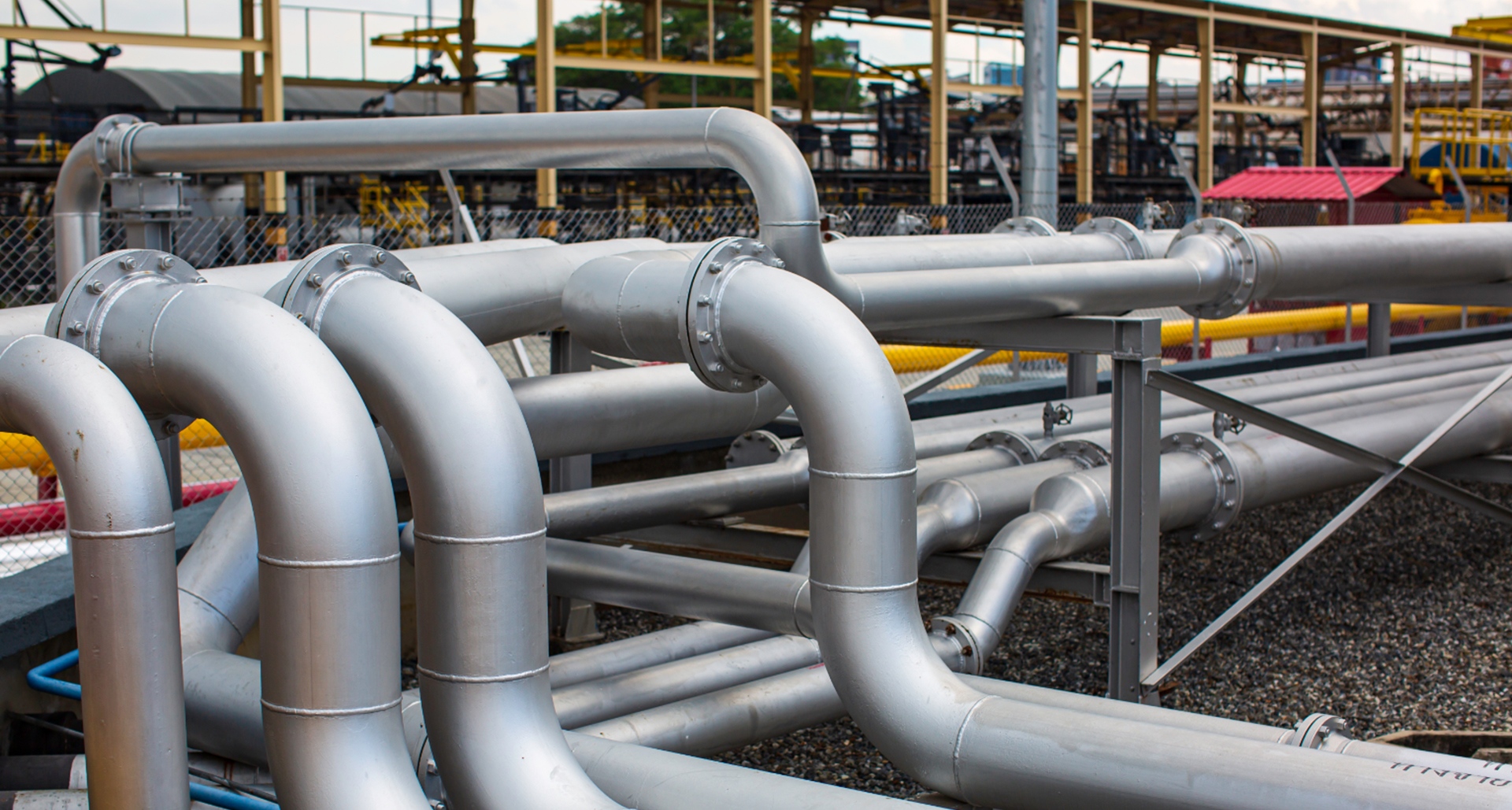
Underground municipal valve vaults and pipeline intersection shafts are notoriously hostile environments. They suffer from high levels of humidity, stagnant groundwater, potential biogas accumulation, and are completely isolated from traditional power sources. Relying on manually checked mechanical pressure gauges and periodical inspection patrols exposes utility firms to large security blindspots.
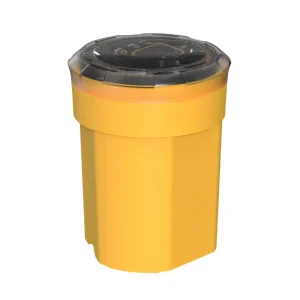
Our solutions target these specific structural pain points. Incorporating ultra-low power consumption microprocessors, our underground gas monitors run for up to five years on localized lithium batteries. The devices sample pressure, ambient temperature, and hydrocarbon build-up continuously. In the event of a minor pressure drop or gas leakage, the system activates an immediate emergency transmission loop, sending cellular alarms to central utility hubs before hazardous gas mixtures can reach explosive LEL limits.
Explore our complete vertical portfolio, from flame-proof detection terminals to rapid-close solenoid control valves.
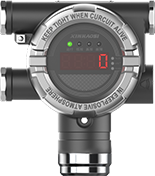
Safety First from Precision Sensing
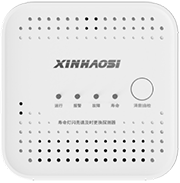
Home Safety from Gas Monitoring
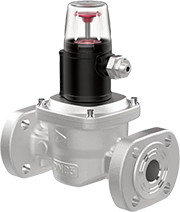
Protecting from the Source
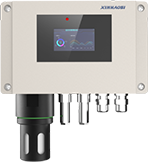
Smart Sensing for Urban Gas
As Denmark targets complete independence from imported fossil fuels, the Danish Gas Grid is preparing for the introduction of clean Hydrogen (H₂) injection. Hydrogen introduces unique chemical behaviors: it has a much smaller molecular size than methane, behaves differently under compression, and has a wider flammability range. Monitoring hydrogen concentration and preventing leaks requires state-of-the-art sensing materials and swift reaction controls.
We are actively developing and deploying sensing technologies specifically calibrated for H₂/CH₄ blends. This includes high-durability catalytic sensors and electrochemical gas elements designed to prevent cross-interference. Concurrently, we are embedding advanced Artificial Intelligence (AI) predictive software algorithms into our FDG series data gateways. Rather than responding to a leak that has already occurred, our smart telemetry systems analyze microscopic changes in pressures and temperature trends to flag potential micro-fissures and pipe degradation *before* gas escapes.
Our commitment to Denmark's municipal and green transition is backed by robust supply chain management, offering comprehensive factory testing documents, calibration certificates, and engineering consultation directly with Danish grid design engineers.
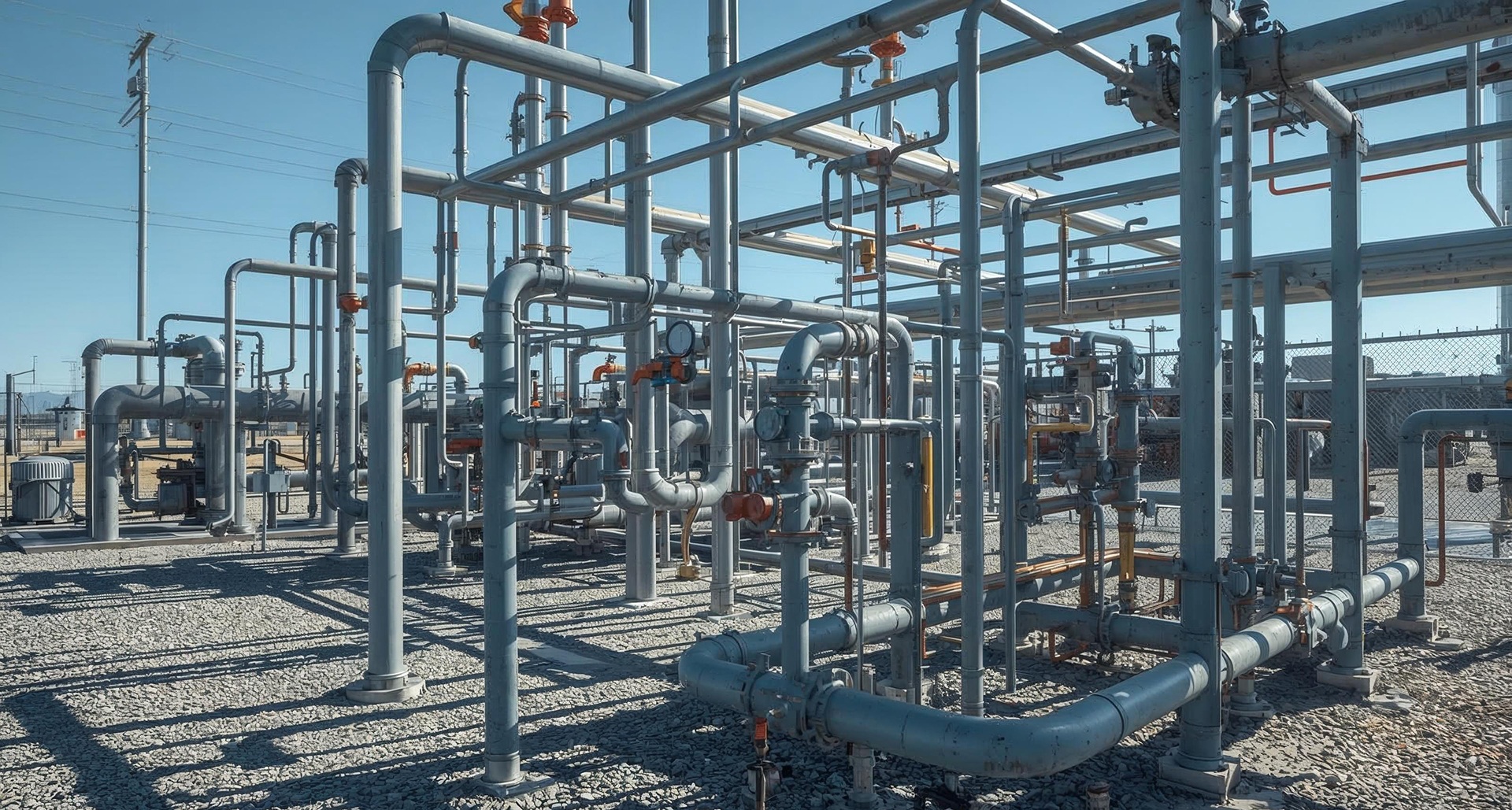
High-precision components built for heavy industrial, commercial, and municipal utility infrastructure installations.
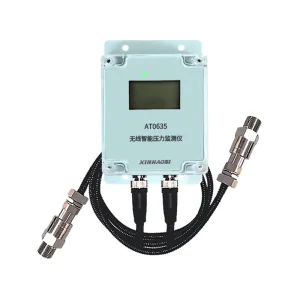
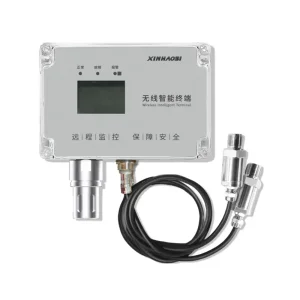
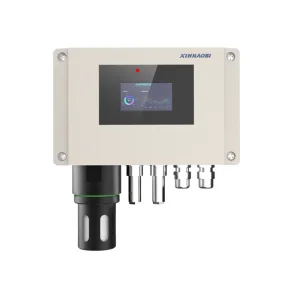

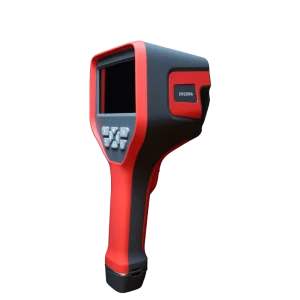
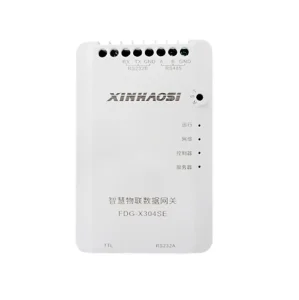
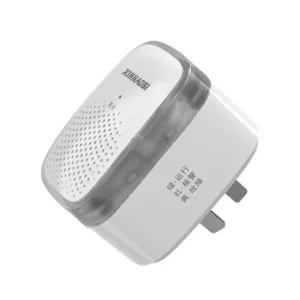
Completing our end-to-end protective loop with intelligent control boxes and high-reliability safety shutdown valves.
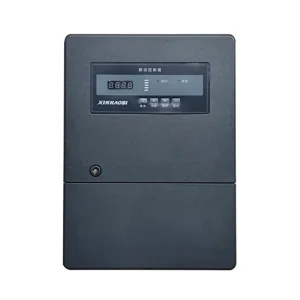
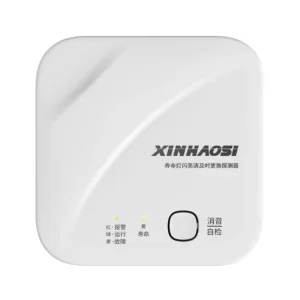
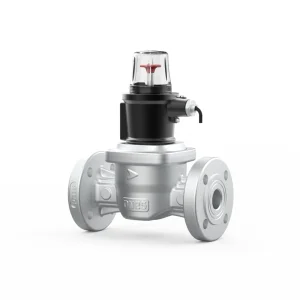

Founded in 2003, Xinhaosi has spent over two decades developing technologies to turn invisible, volatile hazards into highly predictable, manageable parameters. We provide robust sensor chips, data terminals, telemetry gateways, and automated cutoff valves designed to protect municipal installations, corporate facilities, and high-density residential properties.
By investing heavily in electronic research and development, we have established our systems as the benchmark for reliability in the industrial gas sensing sector. Our global supply partnerships ensure that safety engineers, utility managers, and construction procurement professionals have access to highly customizable safety solutions manufactured under stringent international quality control protocols.
Our instruments are tested and trusted by utility networks, industrial processors, and engineering contractors worldwide.






Read about our technical releases, international trade conferences, and modern product rollouts.
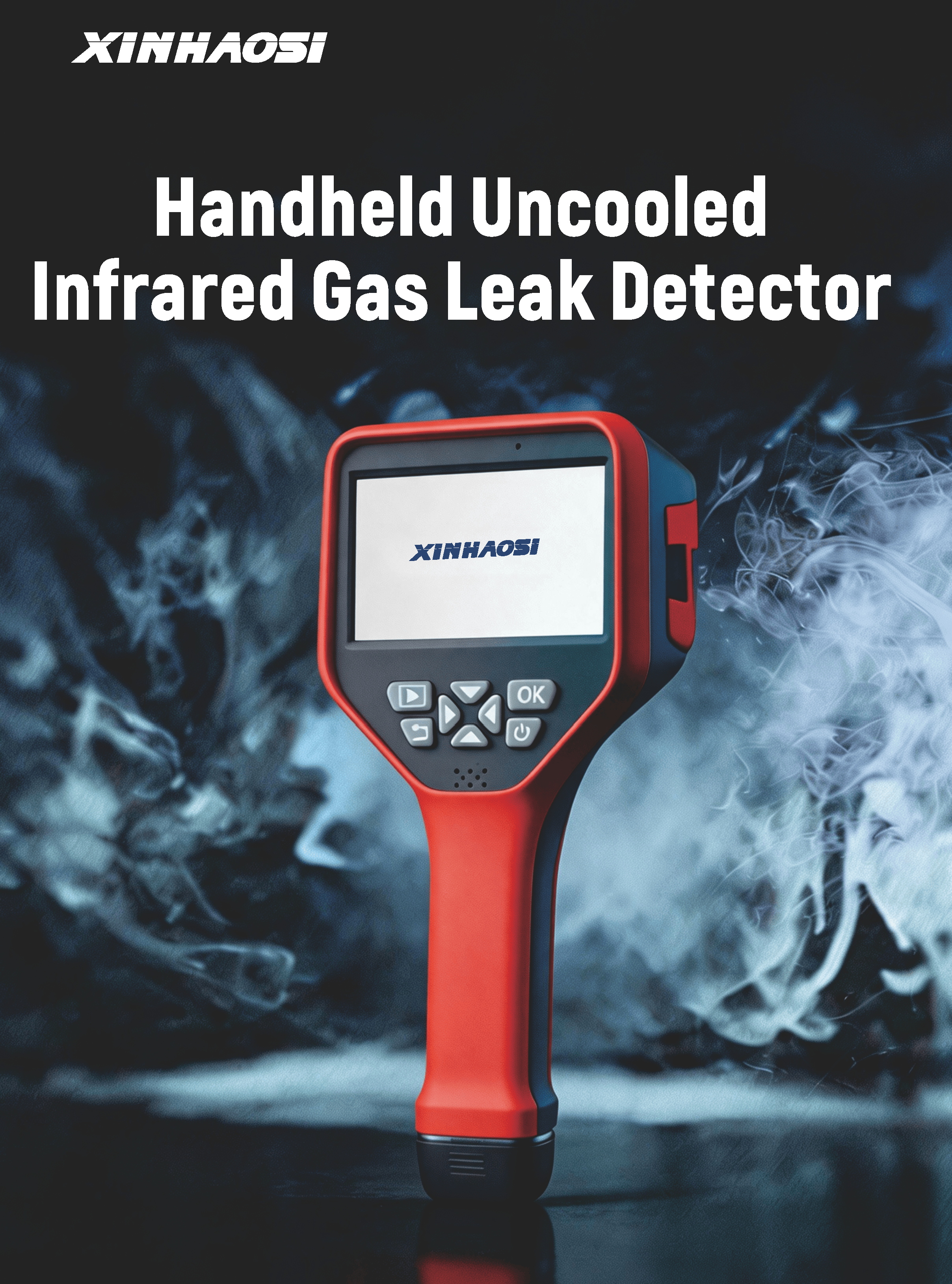
Featuring state-of-the-art dual-wavelength infrared imaging technology to visualize fugitive methane emissions from distances up to 30 meters.
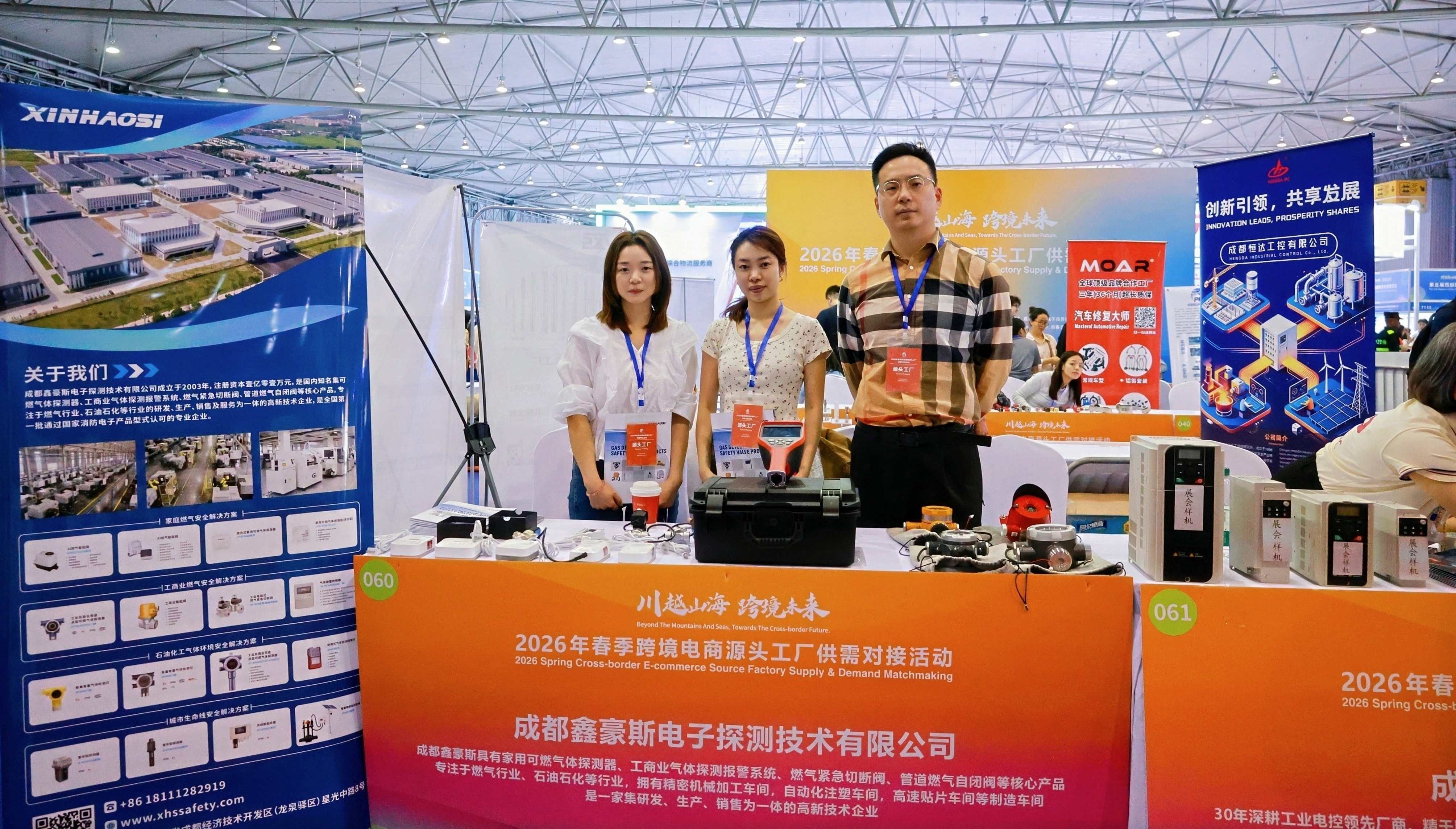
Showcasing ATEX-certified municipal gas pressure monitors and residential safety interlocks to European utility procurement consultants.
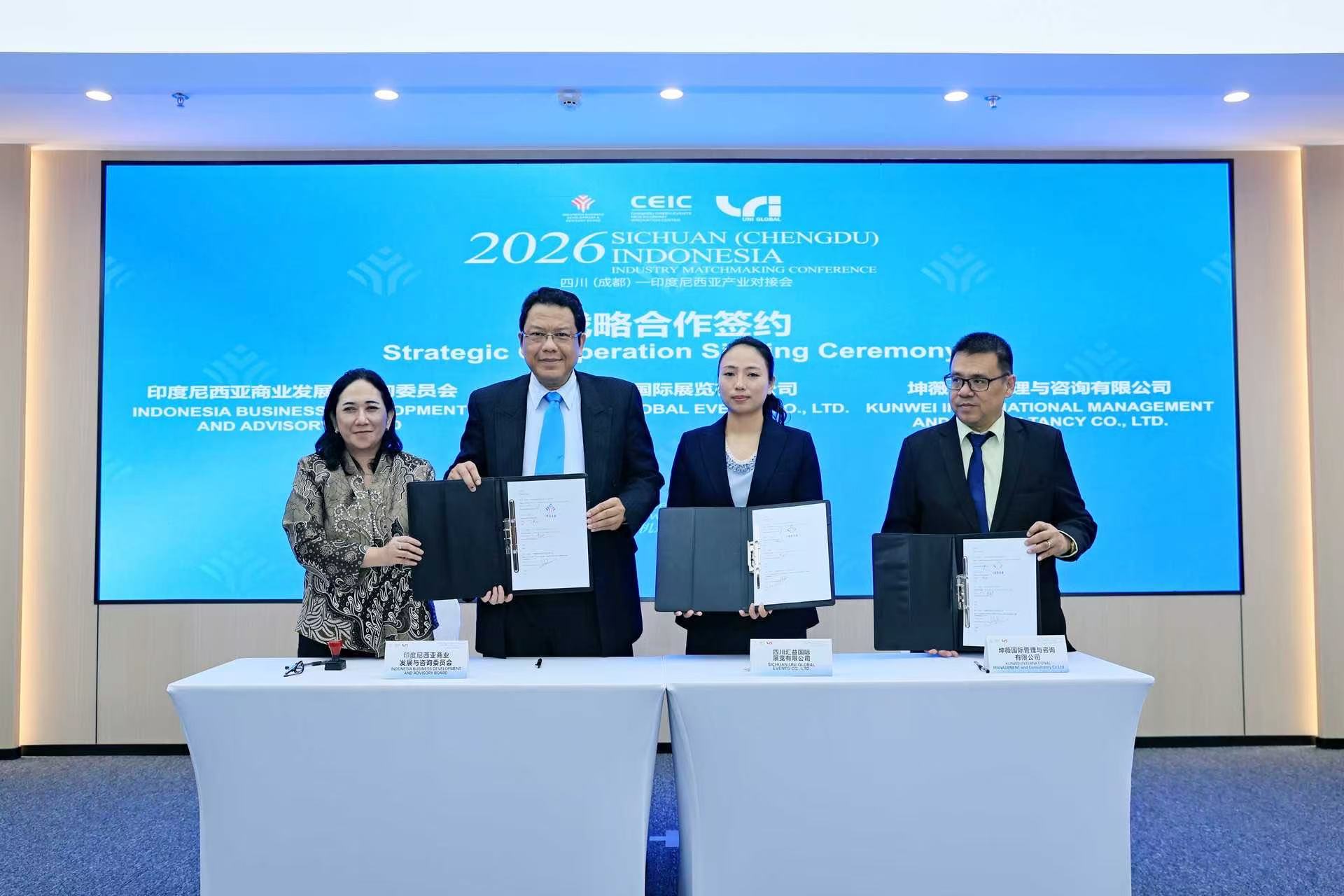
Strengthening international distribution networks and exploring Smart City gas monitoring integrations in rapidly expanding industrial markets.
Addressing the major engineering, compliance, and network integration inquiries from Danish gas utility contractors and specifiers.
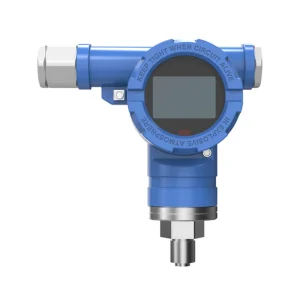
Biogas injected into the Danish grid is generated by decentralized biomass plants. Due to differences in compression cycles and biogas feedstock variation, pressure profiles in transmission lines can exhibit dynamic changes. Installing remote pressure monitoring nodes (such as the GT-AT0637 or XCS-P3051) allows operators to track pressure trends in real-time, detect micro-leakages via pressure-drop calculations, and optimize overall grid throughput dynamically.
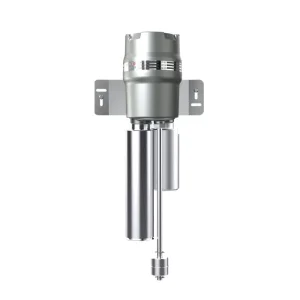
Our underground shaft gas detectors (such as the GT-AT0616 and GT-AT0617 series) are certified for Zone 0 and Zone 1 application environments. They are manufactured using flameproof cast housings and intrinsically safe low-power telemetry modules, complying fully with EN 60079-0 and EN 60079-11 standards required under the Danish Gasreglementet.
Yes, our intelligent wireless terminals (including the GT-AT0636 series) are configurable to support Narrowband IoT (NB-IoT), LTE-M, and standard LoRaWAN bands. This enables seamless connection through local Danish telecommunication provider networks even when the terminal is installed inside heavy concrete manhole shafts.
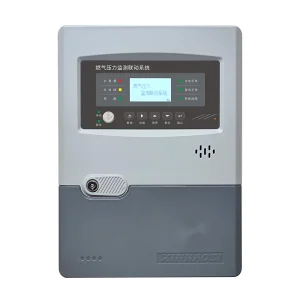
The interlock control box connects directly to our residential or commercial gas detectors and the XF3 series solenoid valves. When combustible gas exceeds the predetermined LEL threshold, the control box triggers a rapid-acting electrical signal to trip the normally open solenoid valve, immediately shutting off gas flow at the main intake. Simultaneously, the 4G module forwards remote alert notifications directly to the building manager's system.
Request detailed datasheets, ATEX certificate files, or schedule a technical call with our engineering team today to align with Evida and Sikkerhedsstyrelsen requirements.
Send Inquiry Now