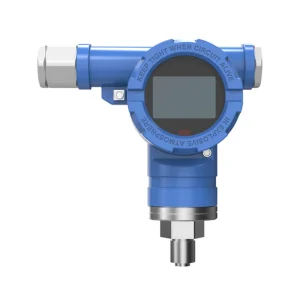
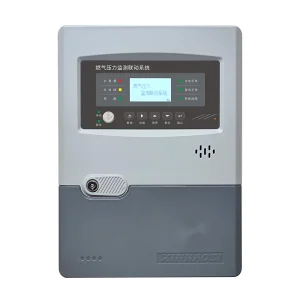
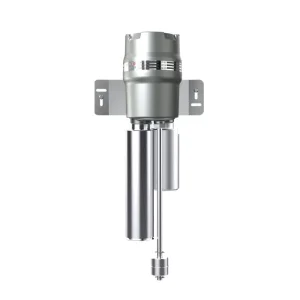
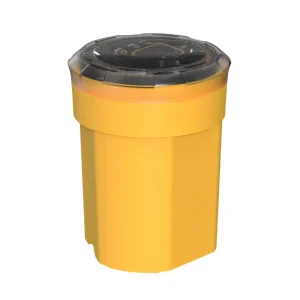
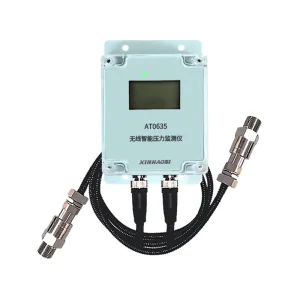
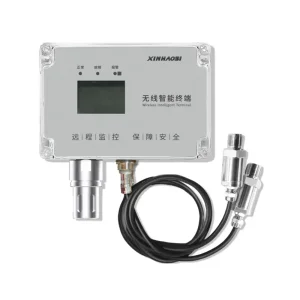
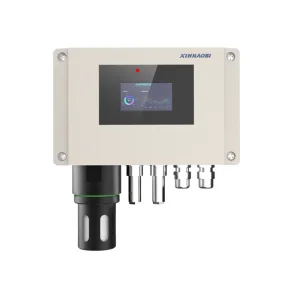
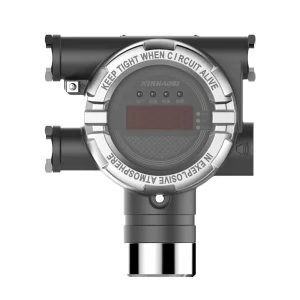
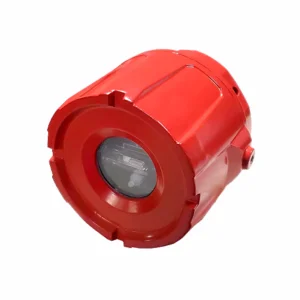
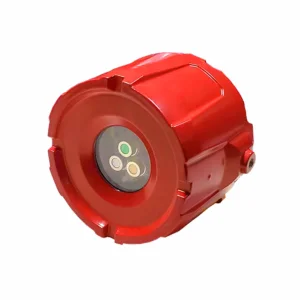
High-performance, hazardous-location-certified pressure transmitters and telemetry devices deployed across Barcelona’s district distribution stations.
The Metropolitan Area of Barcelona (AMB), characterized by its highly dense urban structures like the Eixample district and historic Gothic centers, presents unique layout constraints for gas utility operators. Managing and protecting this extensive grid network—originally established and continuously upgraded by major Spanish distribution system operators (DSOs) like Nedgia and Redexis—requires robust, localized, and intelligent technical oversight.
Traditional manual inspections are no longer sufficient to ensure safety across these intricate subsurface infrastructures. Under the regulatory oversight of Catalonia's General Directorate of Energy and Mines, operators are actively transitioning from legacy reactive systems to real-time predictive monitoring. This transformation leverages IoT technologies, combining high-resolution pressure profiling with ATEX-certified, low-power gas detectors to mitigate risk before leaks escalate.

Technical criteria and compliance benchmarks expected by utility engineers and international EPC project leads.
Full adherence to the EU ATEX Directive (Directive 2014/34/EU) and IECEx is mandatory. Transmitters and monitors must be classified for Zone 0 or Zone 1 installations to prevent hazardous ignition in explosive atmospheres.
Underground sensors endure high humidity, temperature swings, and chemical exposure. Procurement teams demand silicon-on-sapphire or piezoresistive sensors with drift rates under 0.1% FS per year to minimize field calibration costs.
Systems must interface directly with modern SCADA platforms via standard Modbus RTU, HART, or secure MQTT protocols, supporting seamless integration into utility operations databases.
Mitigating risks across metropolitan areas requires a multi-layered sensing architecture. A single safety component cannot manage all potential failure modes. Instead, operators must implement a coordinated safety strategy structured in distinct layers:
Connecting these hardware layers to an IoT-driven monitoring platform enables DSOs to transition to a predictive maintenance model. Real-time sensor telemetry feeding into a cloud dashboard allows operators to track pressure trends, identify slow micro-leaks, plan preventative maintenance, and coordinate responses with emergency services when thresholds are breached.
Founded in 2003, Xinhaosi has established itself as one of the most reliable brands in the gas safety industry. We provide customer-focused products and services to safeguard the operations of industrial facilities, support municipal gas grids, and protect residential developments worldwide.
Powered by advanced manufacturing systems and precision detection technology, we make invisible gas leak risks visible and manageable. Our engineering team continuously refines sensing systems to deliver intuitive, highly accurate, and durable gas safety solutions for critical infrastructures globally.

As the European Union moves toward decarbonization, gas distribution grids are shifting away from traditional fossil natural gas. The Generalitat de Catalunya and local utilities are actively studying hydrogen blending, targeting injection levels of up to 20% H2 into the existing natural gas grid. This transition changes the physical demands placed on distribution safety equipment:
Hydrogen molecules are significantly smaller than methane, which increases leak potential through traditional seals. Its lower minimum ignition energy and wider flammability range also demand enhanced ATEX-certified safety equipment. To meet these challenges, the technical roadmap for gas grid equipment focuses on key design upgrades:
By preparing hardware for hydrogen-blended streams, utility operators protect their capital investments for the long term. Designing today's systems to meet these future specifications prevents premature obsolescence as European green initiatives advance.
Trusted by leading energy providers, engineering firms, and municipal utility operators globally.




Updates on new product rollouts, exhibitions, and international trade conferences.
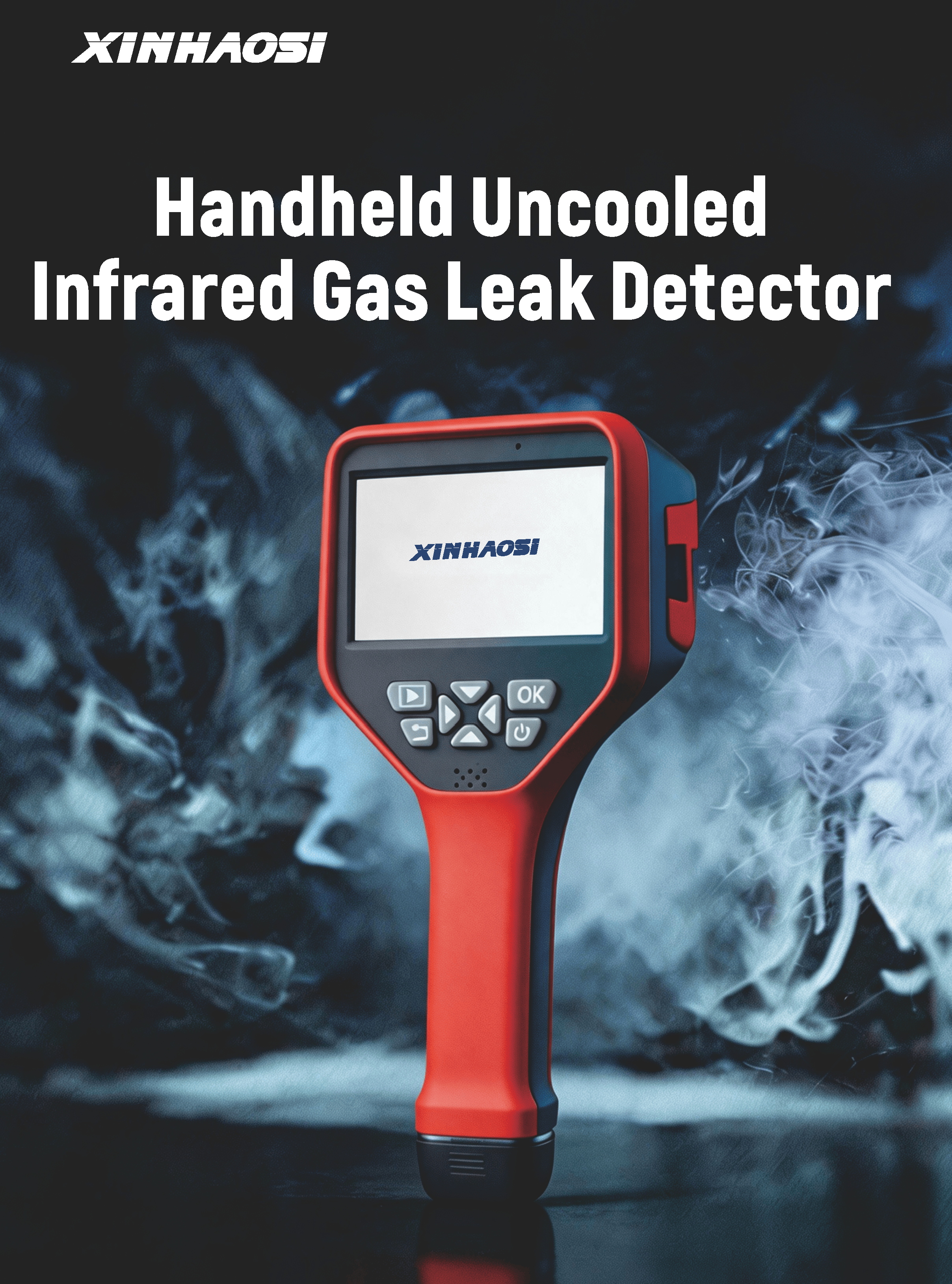
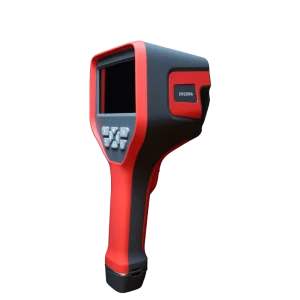
Xinhaosi Electronic Detection Technology launched its new Handheld Uncooled Infrared Gas Leak Detector, featuring dual-technology integration for long-distance, non-contact detection in natural gas pipelines and industrial plants.
May 09, 2026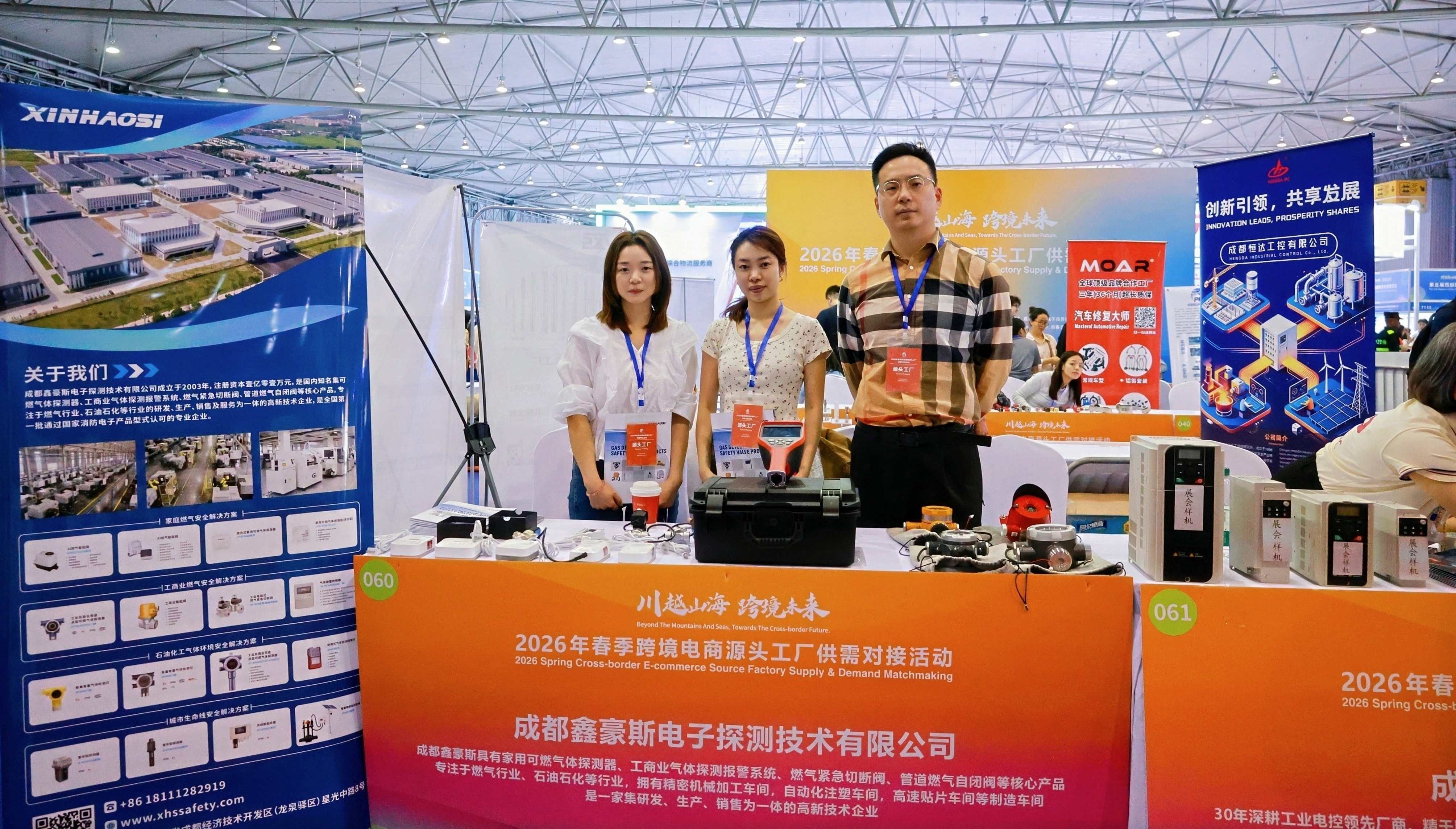
Xinhaosi showcased its latest Smart Gas Grid sensors and telemetry controllers at the 5th Western China Cross-Border E-Commerce Expo, establishing new supply partnerships with international procurement agencies.
May 08, 2026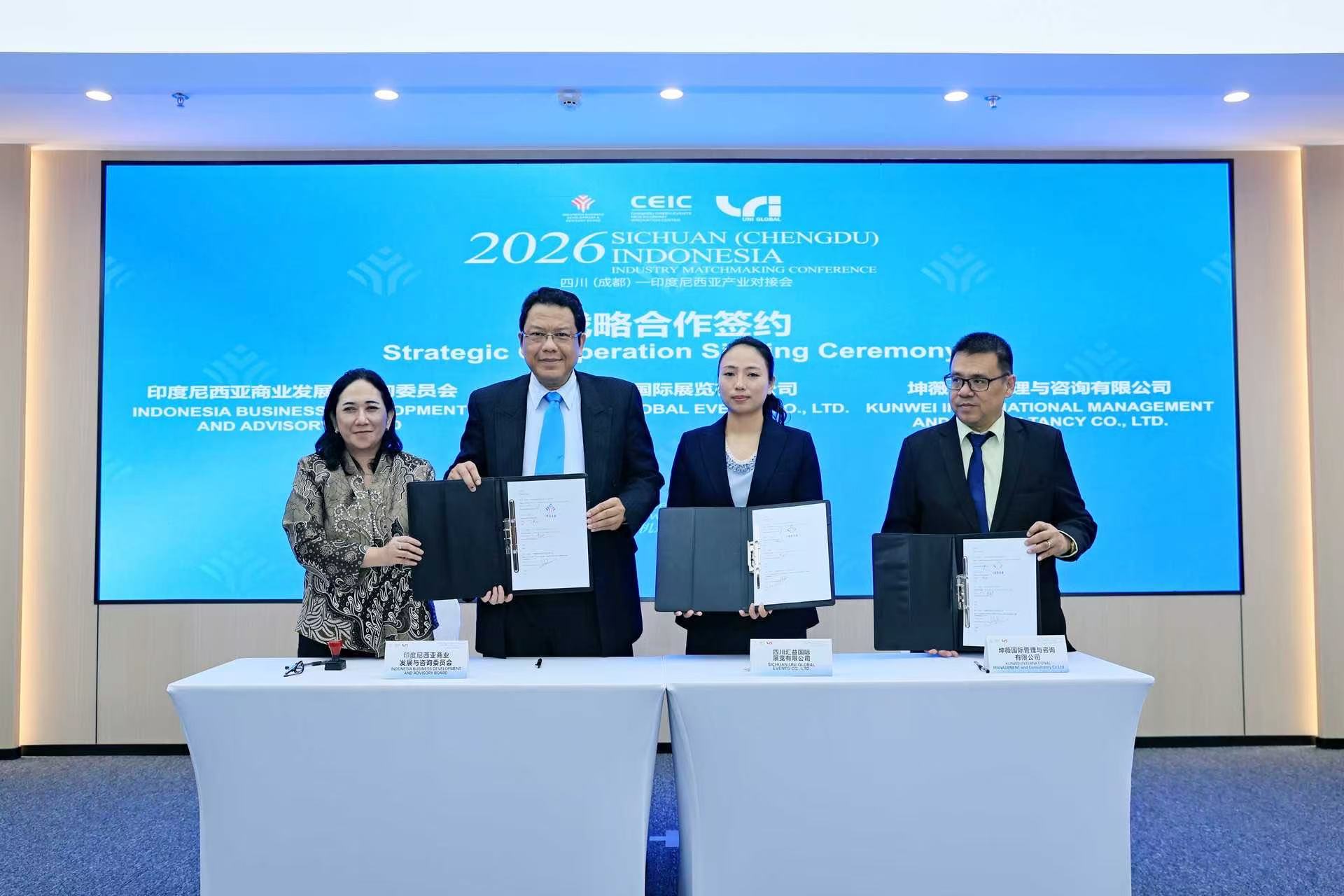
Xinhaosi representatives participated in the Sichuan (Chengdu) – Indonesia Industry Matchmaking Conference to explore industrial infrastructure partnerships and export channels within Southeast Asian markets.
May 08, 2026ATEX-compliant pressure monitoring, wireless terminals, flame detection, and safety controllers engineered for complex urban distribution systems.
Operating gas networks within Spain requires strict adherence to both national and regional standards. Spanish gas sector operations are regulated by the Spanish Association for Standardization through the UNE-EN standards body. Specifically, installations must align with:
We work closely with local engineering partners to provide products that carry the CE marking and come with complete declaration certificates. This alignment simplifies the municipal inspection process and ensures fast project sign-off for industrial operators and EPC contractors.
Technical clarification regarding urban gas distribution monitoring, regional integration, and deployment support.
Our underground shaft monitors (such as the AT0605 and GT-AT0616 series) support multiple telemetry options, including NB-IoT, LoRaWAN, Sigfox, and cellular LTE-M. These technologies allow data to penetrate pavement and access manholes, transmitting pressure and concentration data directly to central SCADA systems.
Yes. All sensors designed for hazardous gas locations are certified under ATEX and IECEx standards. They are rated as intrinsically safe (Ex ia) or flameproof (Ex d), allowing for safe installation in Zone 0, Zone 1, and Zone 2 environments.
Hydrogen blending increases the risk of micro-leakage and can affect sensor calibration. Our newer NDIR and thermal conductivity sensors are engineered to monitor hydrogen concentrations and blended streams without the drift risks associated with traditional catalytic detectors.
We partner with local engineering distributors across Spain to provide installation, commissioning, and system calibration services. Our technical team also offers remote support for SCADA configuration and API integrations.
You can contact our sales and engineering team directly through our inquiry link. We provide customized pressure ranges, specialized communication protocols, and tailored housings for demanding industrial applications.