Pioneering Safety and Precision with Next-Generation Electromechanical Flow Solutions and High-Integrity Gas Shut-off Technologies.
Industrial Gas Safety & Detection Showcase
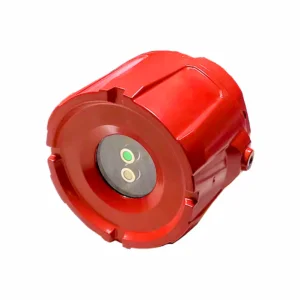
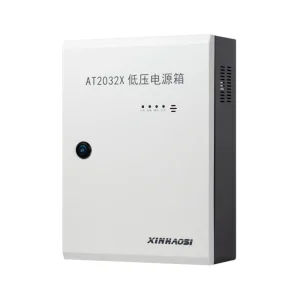
Explore our premium range of precision detectors, controllers, low voltage distribution systems, and emergency isolation valves engineered for zero-failure performance.
The Crucial Role of Solenoid Valve 4 in Global Automation and Safety Infrastructure
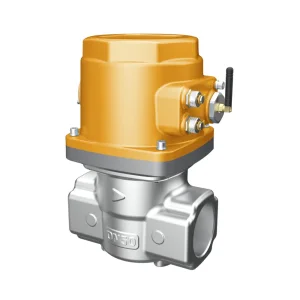
Solenoid valves serve as the foundational actuators in modern fluidics, automation, and safety management. Among them, the specialized "Solenoid Valve 4" configuration has emerged as the definitive standard for industrial processes demanding fast-acting, high-duty-cycle shut-off operations. Whether deployed in pipeline emergency response frameworks, smart energy grids, or critical process lines, these valves manage dangerous combustible gases and high-pressure steam with absolute precision.
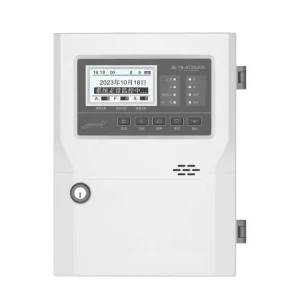
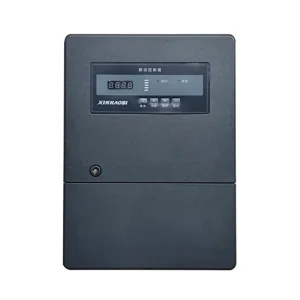
Across North America, Europe, and Asia-Pacific, industrial processes are rapidly transitioning towards smart ecosystem integration. The solenoid valve is no longer just a mechanical gateway; it functions as the downstream execution arm of automated controllers, like the JB-TB-AT2020S Gas Detector Controller. As chemical facilities, metallurgy industries, and urban gas infrastructures upgrade to meet safety integrity levels (such as SIL 2 and SIL 3), the demand for high-reliability OEM manufacturing has surged globally.
Advanced valves feature superior magnetic coil engineering, enabling them to consume negligible power during standby states while generating massive seating forces during closure. This reliability ensures that when toxic or explosive gas leaks are identified, safety loops can actuate instantly to isolate hazards at the source.
20+
Years of Safety Excellence
< 1.0s
Typical Emergency Shut-off Speed
100k+
Reliable Operation Cycles
IP67+
Robust Environmental Protection
Core Technical Innovations of Xinhaosi Solenoid Systems
How we design safety into the core mechanics of our electromechanical valves and monitoring systems.
Normally Open / Closed Versatility
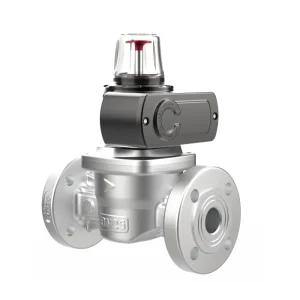
Configurable designs such as the KT-XF5 Series normally open gas valve. Under normal operations, the circuit consumes zero power. When triggered by a safety monitor, it drops the valve in milliseconds, requiring a manual reset to avoid accidental re-opening before site safety is verified.
Explosion-Proof Protection
Certified for hazardous zone operations (Ex d IIC T6). The internal flameproof enclosure contains any internal ignition of dust or gas mixture, preventing it from propagating to the external flammable atmosphere in petrochemical or mine-shaft systems.
Advanced Seal Metallurgy
Engineered with premium fluoroelastomers (FKM/Viton) or NBR sealing compounds. Resistant to chemical degradation, swelling, and extreme thermal fluctuations, ensuring a bubble-tight sealing envelope across a multi-decade operational lifespan.
Innovative Brand DNA
X Represents Unknown Risks, and the Next-Generation Safety Technology to Solve Them
Founded in 2003, Xinhaosi has spent over two decades establishing itself as one of the most influential, trustworthy, and technologically advanced brands in the global gas safety and process control industry. We provide customer-focused electromechanical and sensory products designed to safeguard the operation of large factories, municipal energy installations, commercial facilities, and residential spaces.
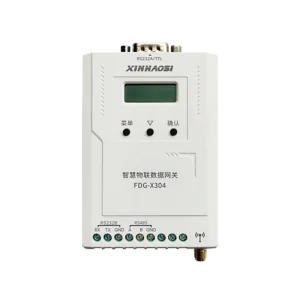
Our commitment to "X" safety signifies our mission to turn the invisible risks of explosive gas accumulations, line pressure abnormalities, and high-frequency flame hazards into visible, actionable, and automatically managed systems. Powered by smart integrated platforms, we combine electronic detectors, cloud-based data hubs (such as the FDG-X304 Intelligent Data Gateway), and physical actuators like our industrial solenoid valves to achieve holistic, end-to-end safety.
At our core, we believe safety is an integrated loop. Actuation mechanisms cannot operate effectively without high-integrity sensing, and sensing is futile if safety valves cannot shut off gas flow reliably when a threshold is breached. This philosophy underpins every valve body we cast and every solenoid coil we wind.
Leakage ClassBubble Tight (EN 12266-1 Gas Tightness Class A)
Electrical & Control Parameters
Operating Voltages12V DC, 24V DC, 110V AC, 220V AC
Power Consumption (Holding)Zero Power (Latching) / 8W (Direct-Acting)
Explosion-Proof ClassificationEx d IIC T6 Gb / Ex tD A21 IP66
Duty Cycle100% ED (Continuous Duty)
Coil InsulationClass H (Rated for up to 180°C)
Signal FeedbackPassive Microswitch Contact (Open/Closed status)
Advanced Factory Efficiency
Why Global Procurement Directors Partner with China-Based OEM Valve Factories
Over the last decade, China's valve manufacturing sector has transformed from low-cost casting mills into high-tech hubs utilizing automated machining lines, coordinate measuring machines (CMM), and digitalized testing bays. Our factory leverages these industrial advantages to supply OEM solenoid valves that match and exceed European standard ISO 9001 and CE directives at a optimized total cost of ownership (TCO).
Integrated Raw Material Cluster: Our facility is situated in a major industrial supply corridor. This proximity enables immediate, daily delivery of high-purity brass rods, stainless steel forgings, and high-performance engineering plastics. This streamlined material logistics loop cuts production lead times by up to 35% compared to factories operating in isolated geographies.
End-to-End Automation & Quality Control: Each step in our production cycle is meticulously logged on our integrated Manufacturing Execution System (MES). From CNC precision machining of the valve body seats to coil wrapping and encapsulation, everything is automated to reduce variance. Every finished solenoid valve is subjected to automated high-pressure nitrogen leakage tests and coil insulation diagnostics before packaging. This rigorous protocol helps us maintain a factory defect rate under 0.05%.
Localized Applications & Sourcing Trends
Adapting heavy industrial actuators to smart municipal and process automation ecosystems.
Municipal Smart Gas Networks
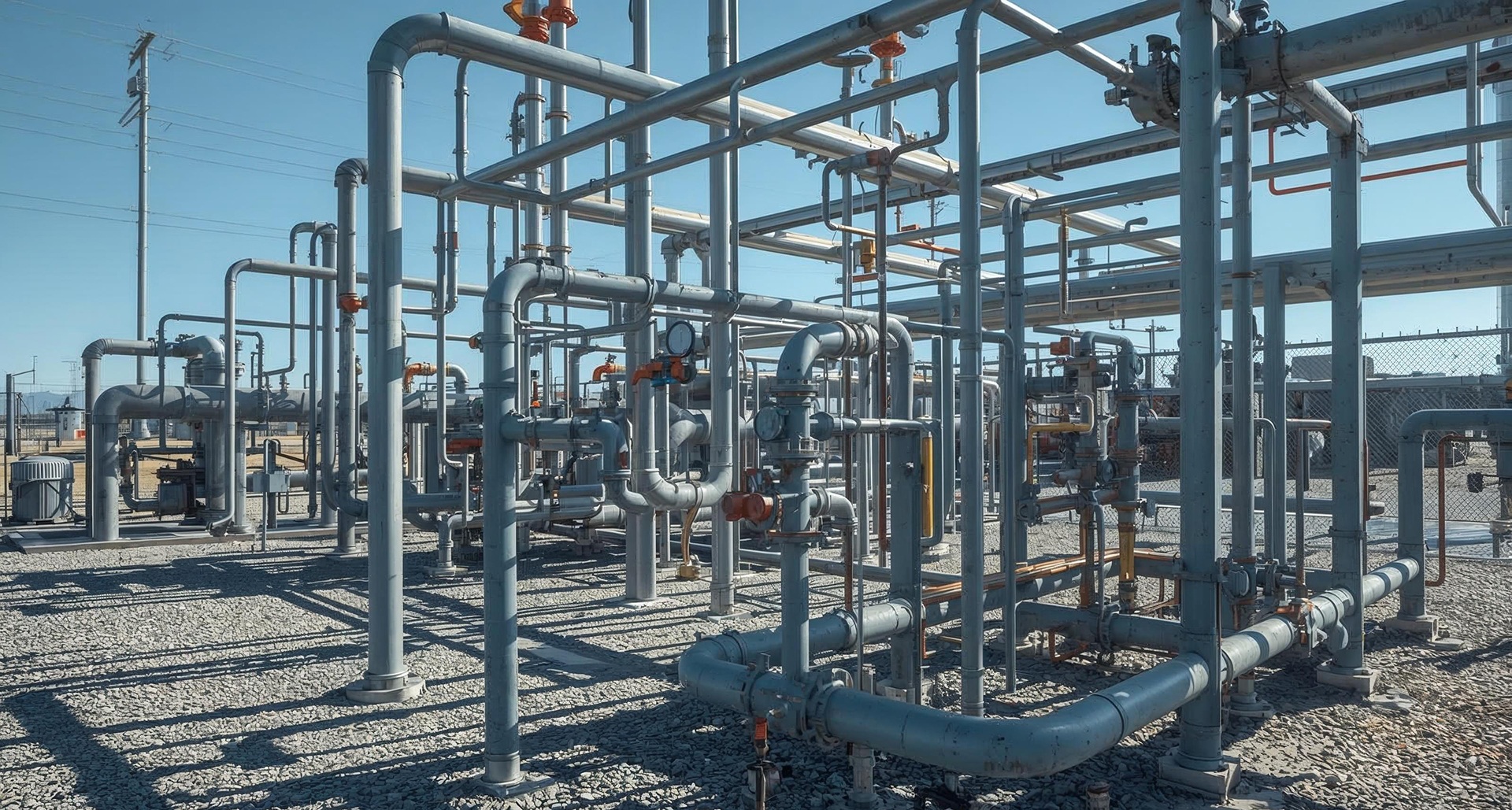
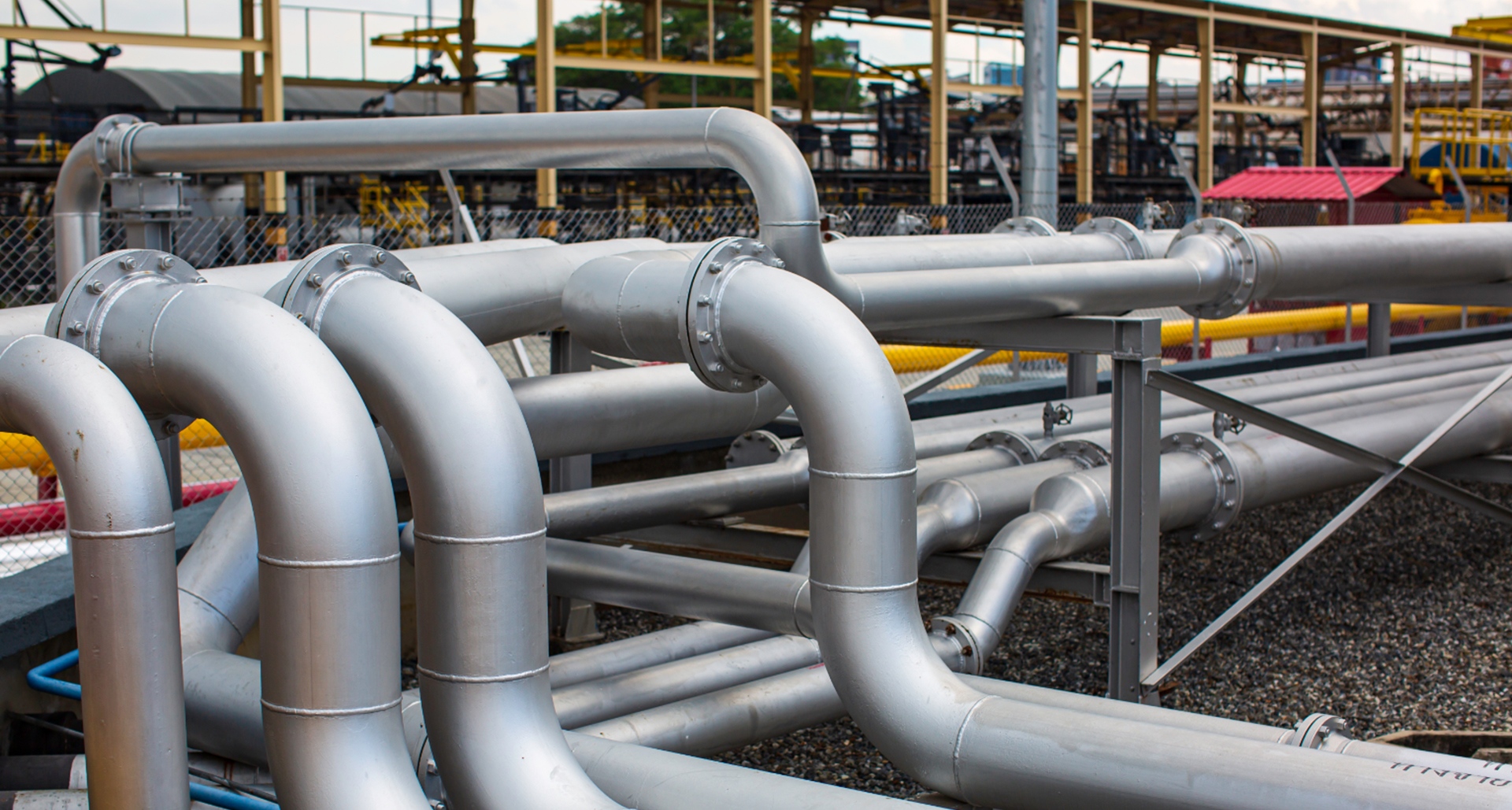
Modern cities are retrofitting main delivery lines with fast-acting valves. Integrated with intelligent data hubs, these valves shut down neighborhoods or zones instantly when a major underground pipeline rupture is registered. This prevents gas build-ups that could trigger urban disasters.
Industrial Process Safety
Within chemical and gas processing plants, Solenoid Valve 4 systems act as mechanical links for flame sensors and gas concentration alarms. If an anomaly occurs, the control loops trip the electrical signal, closing off feedlines to prevent fuel from feeding the flame front.
Commercial Boiler Isolation
Large hotels, commercial complexes, and public facilities use solenoid emergency cutoff setups directly hooked into carbon monoxide and methane detectors. These systems provide building management teams with immediate safety shutdowns, preventing gas leaks before they endanger guests or tenants.
How to Select and Audit an OEM Valve Factory
A structured framework to evaluate quality, efficiency, compliance, and custom capabilities.
Sourcing Verification Checklist
Electromagnetic Integrity: Verify Class H insulation rating and 100% ED duty cycle for preventing operational coil burnout under prolonged periods of activation.
Certification Profiles: Mandate ISO 9001, CE, ATEX, or IECEx certifications for explosive dust/gas zones.
Responsive Timing: Ensure the factory provides clear timing tests (valve closure speed should be under 1-2 seconds).
Custom Customization: Confirm the availability of varied sealing rubbers (Viton, NBR, EPDM) to suit different chemical mediums.
When sourcing OEM Solenoid Valve 4 configurations globally, industrial buyers face options from hundreds of factories. To optimize sourcing cycles, engineers must prioritize verification of material traceability and testing consistency.
A common issue with low-grade components is the quality of the magnetic copper wire. Substandard mills use wire with insufficient insulation coatings, leading to field failures when voltages fluctuate. At Xinhaosi, we use high-purity copper windings with dual-polymer insulation coatings. This ensures stable operation even when valves are subjected to heat cycles in close proximity to gas manifolds or industrial burners.
Additionally, look closely at the mechanical casting process. Valves processed via forged bar stock are structurally superior to standard sand-cast bodies, showing zero micro-porosities and greater resistance to pressure spikes. Ensure that your OEM partner offers complete metallurgical chemical analysis reports with each production batch.
Insights from our Senior Engineers regarding integration, maintenance, and compliance standards.
What is the difference between direct-acting and pilot-operated solenoid valves?
Direct-acting valves use the magnetic force of the solenoid coil to lift the valve plug off the seat directly. These do not require differential pressure to operate and are ideal for low-pressure gas loops. Pilot-operated valves use line pressure to help actuate the main diaphragm. They require a minimum pressure differential to operate, making them suitable for high-flow, high-pressure industrial liquid or gas distribution.
Why is a manual reset mechanism used in industrial gas emergency valves?
A manual reset design ensures safety. If a gas leak occurs, the detector trips the solenoid valve, shutting down the supply line instantly. Once the electric signal is cut, the valve locks shut mechanically. Even if power is restored, the valve will not open automatically. This forces onsite technicians to verify that the leak has been repaired and the area is safe before pulling the manual handle to resume gas flow.
What seal material should be selected for natural gas vs. hydrogen-blended networks?
For standard natural gas (methane/ethane), NBR offers excellent seal integrity and elasticity at a lower cost. However, for hydrogen-blended networks, FKM (Viton) is preferred due to its resistance to degradation and lower gas permeation rate. This helps prevent hydrogen leakage through the elastomeric barrier.
How does an explosion-proof coil (Ex d IIC T6) differ from standard coils?
Standard coils feature simple electrical terminals that can arc or spark during operation. An explosion-proof coil encapsulates the electrical connections in a flameproof enclosure designed to withstand internal gas explosions without allowing flame to escape into the surrounding hazardous area.
Precision Gas Actuators, Detectors & Gateways
Ensure reliable plant and building automation by pairing our solenoid safety valves with intelligent control nodes and monitoring systems.
Stay updated with our breakthroughs in infrared detection, cross-border partnerships, and industrial expansion.
May 09, 2026
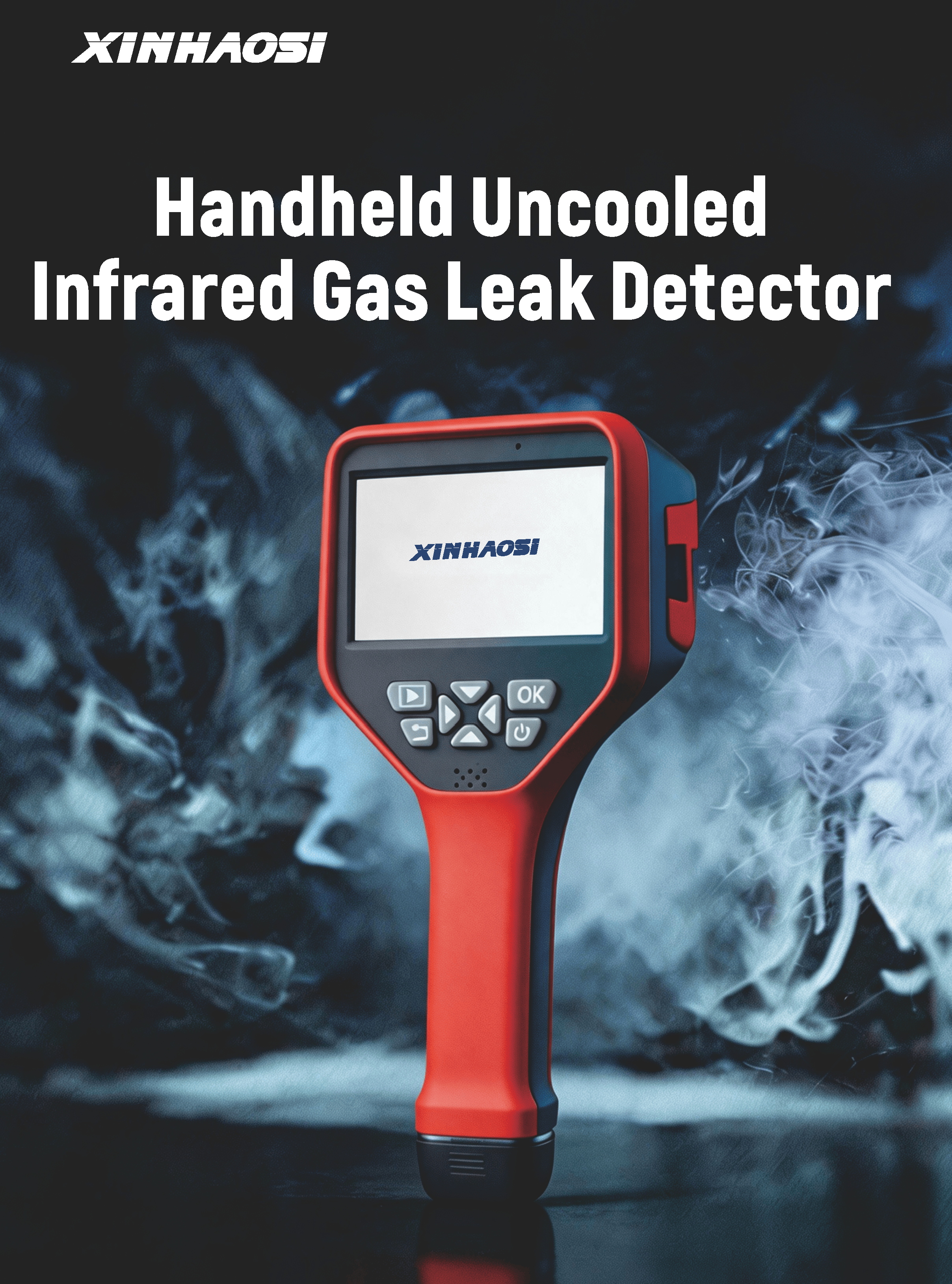
Xinhaosi Launches New Handheld Uncooled Detector
Xinhaosi Electronic Detection Technology Co., Ltd. has launched its Handheld Uncooled Infrared Gas Leak Detector, featuring dual-technology fusion, rapid response times, and remote detection capabilities suitable for gas infrastructure, chemical plants, and municipal response groups.
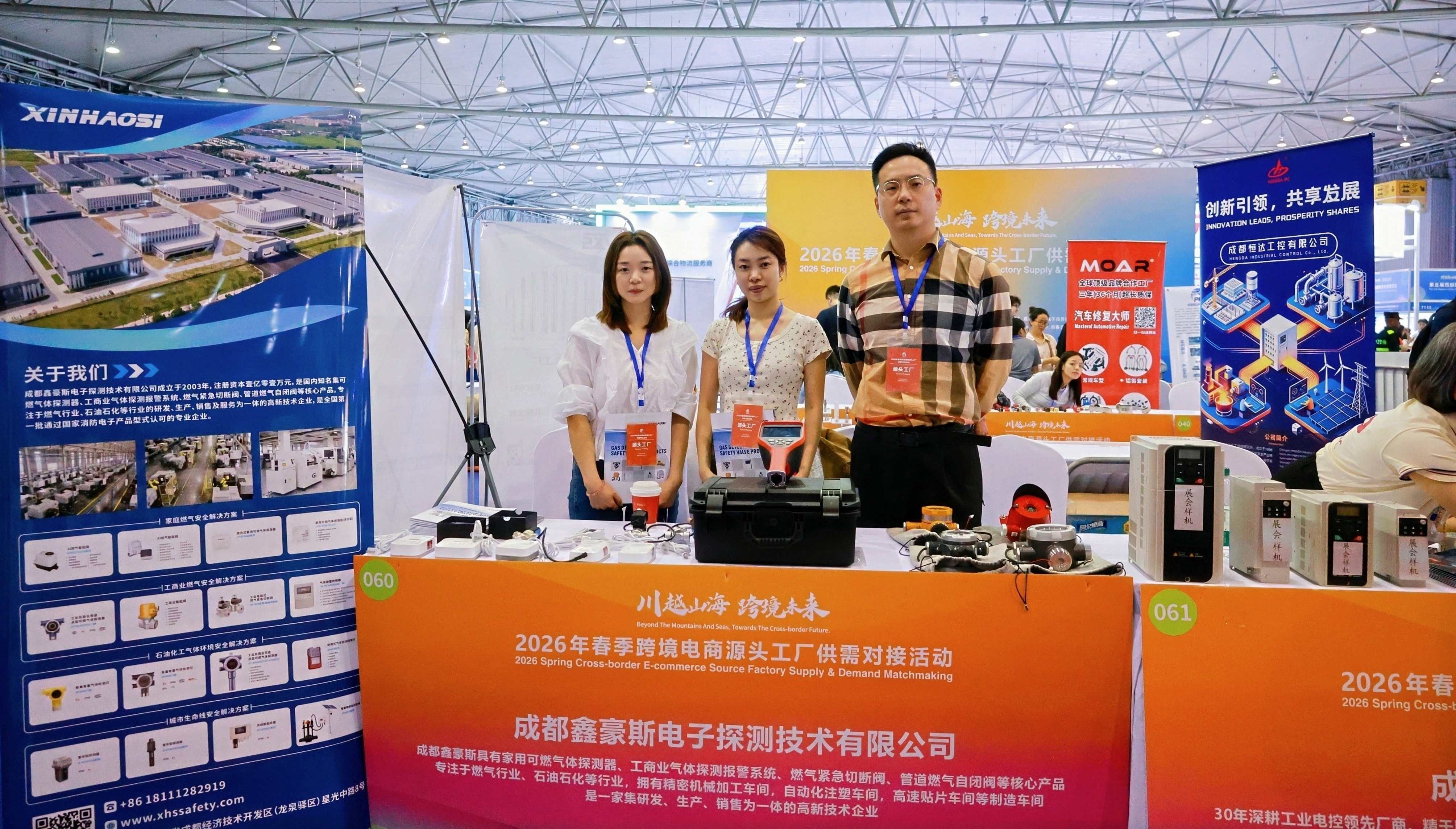
We recently participated in the 5th Western China Cross-Border E-Commerce Expo in Chengdu, engaging with global procurement teams, technical distributors, and key supply chain partners to expand our international sales networks.
Xinhaosi attended the industry conference to discuss gas distribution monitoring and safety actuator deployments in Southeast Asian industrial developments, securing project cooperation frameworks.