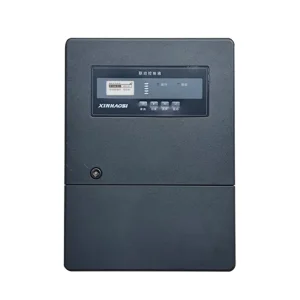
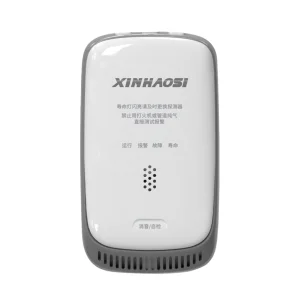
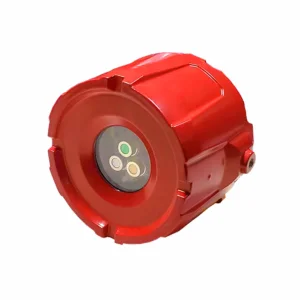
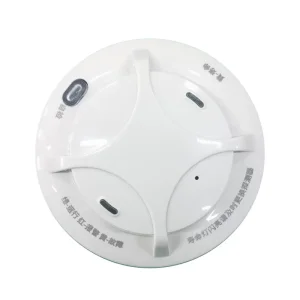
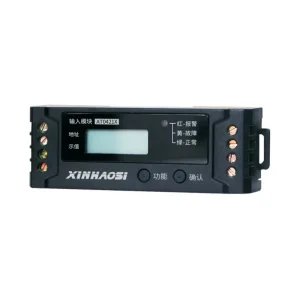
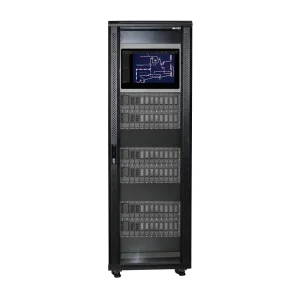
Explore our industrial grade gas leak controllers, automated shut-off systems, and multi-spectral flame detectors manufactured under rigorous ISO standards.
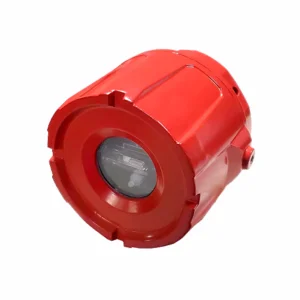
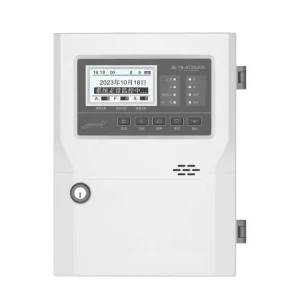

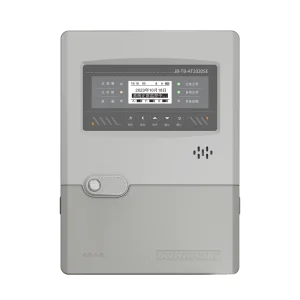
Understanding the global trends shaping modern industrial safety standards and toxic/combustible gas monitoring solutions.
In the current era of rapid industrialization and the implementation of Smart Factory initiatives, portable gas monitoring technology has transitioned from simple handheld sensory tools into integrated IoT nodes. Industrial environments face complex gas combinations, requiring monitors that are not only portable but highly responsive, robust, and capable of real-time telemetry communication.
Strict occupational health standards such as OSHA (Occupational Safety and Health Administration) in the US and the European Union’s Health and Safety at Work Directives require precision in target detection thresholds. Gas monitoring solutions must deliver exceptional performance. The integration of advanced micro-electromechanical systems (MEMS), non-dispersive infrared (NDIR) sensors, and photoionization detectors (PID) within unified handheld formats is transforming how personnel enter confined spaces and perform routine maintenance operations.
Modern portable gas monitors are no longer isolated alarms. They leverage BLE, LoRaWAN, and 5G connections to transmit live gas concentration levels to a central control hub, protecting off-site and lone workers.
By blending electrochemical, catalytic, and optical sensors into a single compact housing, devices detect toxic substances, volatile organic compounds (VOCs), and combustible atmospheres simultaneously.
A technical dive into sensor physics, calibration lifecycles, and explosion-proof manufacturing standards.
Choosing the correct sensor chemistry defines device reliability. Catalytic bead sensors remain the industry standard for LEL detection of combustible gases, whereas NDIR sensors are highly valued in high-concentration CO2 or oxygen-depleted methane environments where catalytic beads fail due to poisoning or lack of oxygen.
For trace levels of toxic gases (CO, H2S, Cl2), electrochemical cells are designed to minimize drift over temperature fluctuations. Our factory integrates premium, temperature-compensated sensing modules calibrated to national standards, ensuring linear responses across variable climates.
Reliable gas safety devices require structured calibration routines. Each portable gas monitor manufactured at our facilities undergoes a rigorous computerized multi-point gas calibration process using NIST-traceable gas mixtures.
We build automated calibration docks that automatically test sensors, measure response times (T90), and log device performance metrics into local or cloud databases. This digital registry guarantees traceability, supporting our clients’ compliance during safety audits.
Explosion-proof design is non-negotiable. To run safely in Zone 0 and Zone 1 locations, devices must be intrinsically safe (Ex ia/ib). Our portable gas monitors feature energy-limiting circuitry that prevents sparks or thermal ignition, even under dual-fault conditions.
Encased in high-density anti-static polycarbonate and rubberized overmolding, the outer shell achieves IP67/IP68 ingress ratings. This structure resists mechanical drop impact, heavy rain, dust storm wear, and chemical exposure in harsh industrial setups.
Founded in 2003, Xinhaosi has grown into an influential and reliable brand in the global gas safety industry. We provide user-focused products and services to safeguard the operations of industrial facilities, city distribution grids, and homes around the world.
"We utilize advanced electronic detection technology to make unknown gas leak risks clear, visible, and manageable before they turn into critical incidents."
Powered by cutting‑edge production lines, cleanroom SMT installations, and automated testing rigs, we build safety solutions that shape a safer world. Whether deploying handheld uncooled infrared gas leak detectors or smart industrial gas valves, precision remains our core priority.
Explore Smart AI Solutions
Combining portable monitors, fixed area gas detectors, and automated valve actuators for cohesive protection.
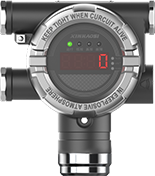
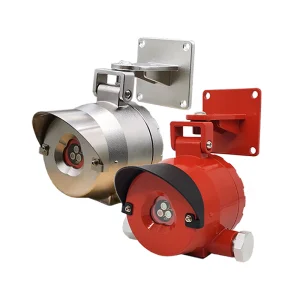
Continuous fixed detection systems paired with multi-spectrum optical flame sensors for hazardous production zones.
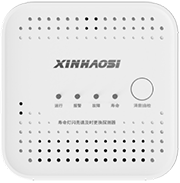
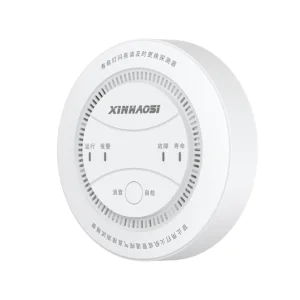
High-volume manufacturing of smart combustible gas alarms integrated with home IoT frameworks and safety valves.
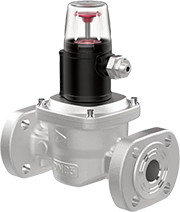
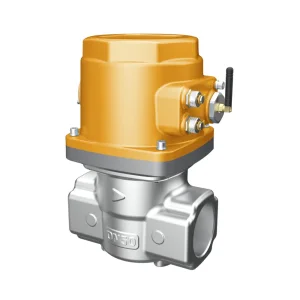
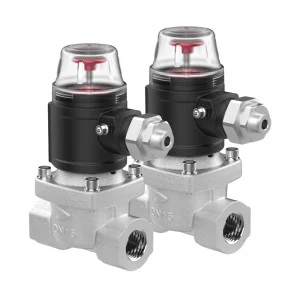
Pneumatic and electromagnetically actuated shut-off valves to instantly isolate gas supplies upon leak detection.
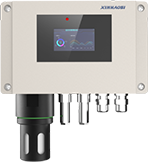
Smart pipeline network telemetry, pressure monitoring, and long-range laser leak detection systems.
A comprehensive overview of our localized certifications, testing protocols, and OEM workflow.
Our factory processes conform to ATEX Directive 2014/34/EU and the IECEx international scheme. All hazardous area products carry certificates suitable for Zone 0, Zone 1, and Zone 2 applications. Furthermore, our controllers are certified for SIL2/SIL3 functional safety, ensuring a low probability of failure on demand.
We provide full white-label OEM services for global distributors. Our engineering team designs custom enclosures, configures custom gas lists, writes specialized firmware protocols (including Modbus, HART, and BACnet), and designs custom packaging to maintain your brand's style guide.
Equipped with state-of-the-art high-speed Yamaha SMT placement lines, nitrogen reflow ovens, and automated optical inspection (AOI) units, Xinhaosi guarantees low defect rates. Sensor burn-in chambers run every component for 72 to 120 hours to prevent infant mortality failure.
Keep up with Xinhaosi’s latest technical updates, global exhibitions, and newly certified safety hardware.
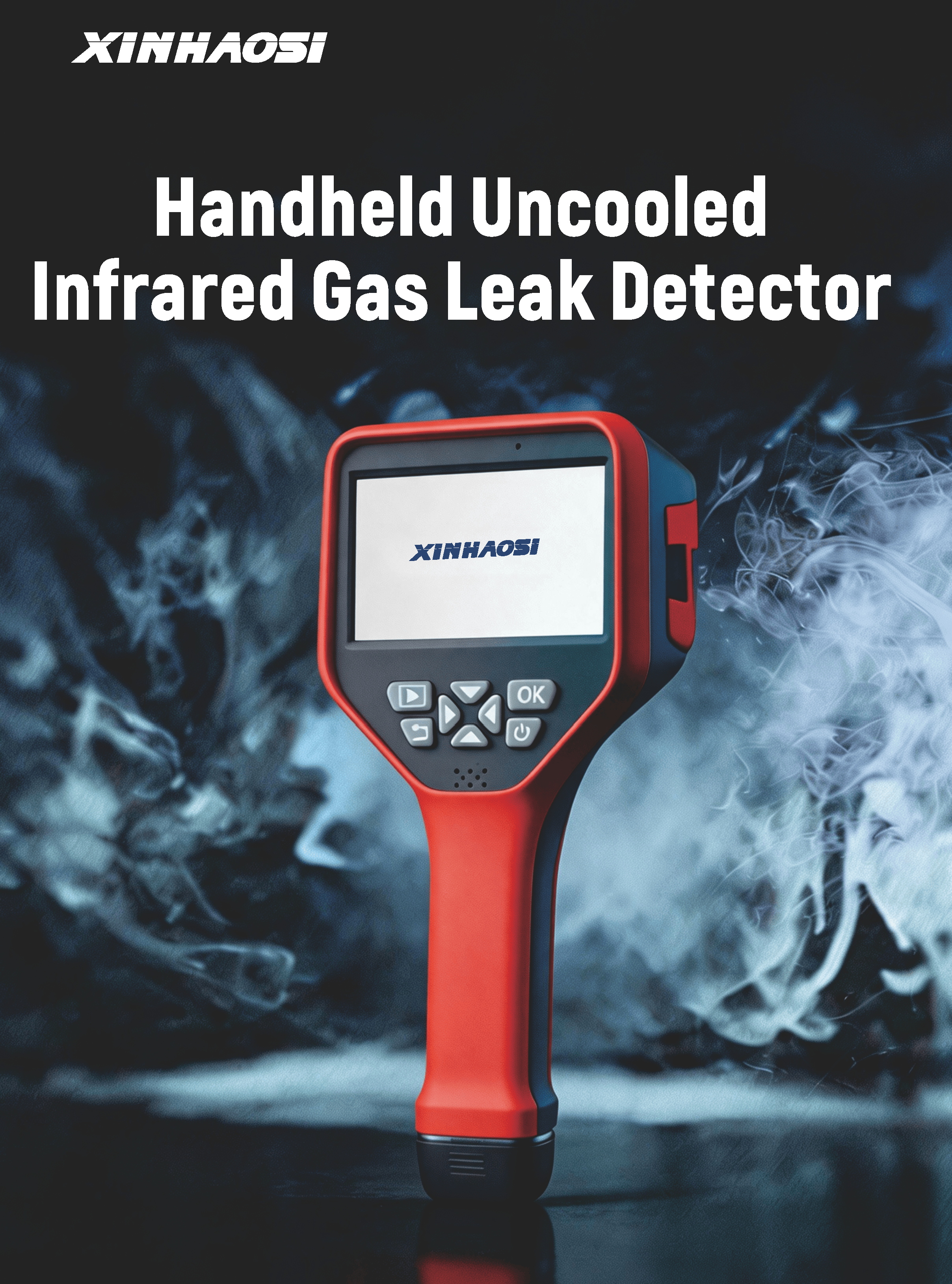
Featuring dual-technology sensor fusion, quick-response optics, and long-range non-contact detection capabilities to enhance safety in chemical, refrigeration, and natural gas facilities.
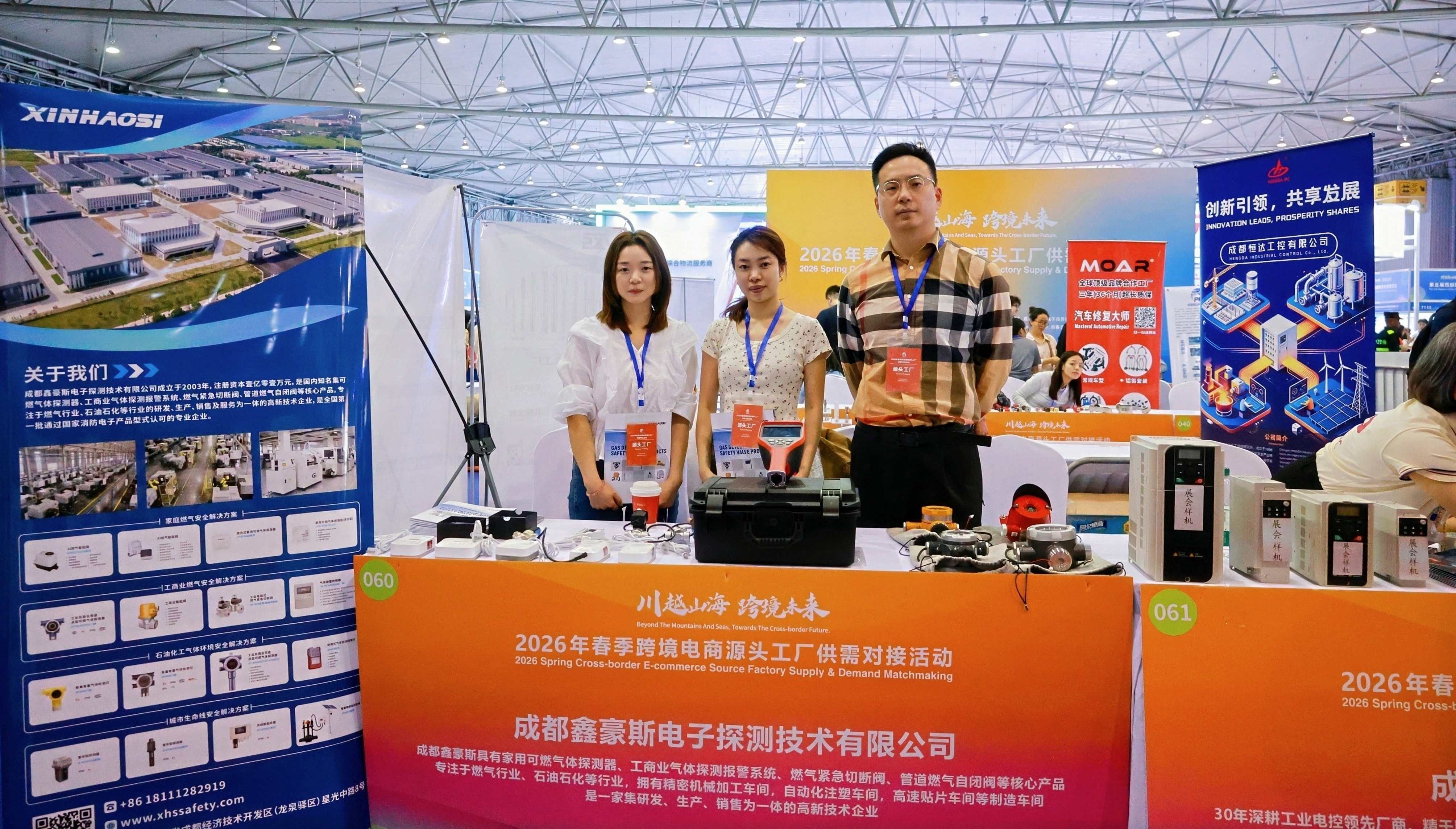
Our team showcased our latest gas monitoring range in Chengdu, connecting with international buyers, safety consultants, and supply chain networks to explore overseas market expansion.

Engaging with enterprise leaders and municipal gas authorities from Indonesia to discuss industrial infrastructure projects, commercial gas valve supply contracts, and regional compliance.
Providing custom OEM solutions and industrial protection for leading engineering firms worldwide.












Deploying specialized gas and flame detection equipment in harsh environments.
Chemical processing operations involve complex toxic and combustible environments. In these zones, multi-gas monitors must track toxic gases such as Hydrogen Sulfide (H2S) alongside combustible vapors. Interlocked solenoid valves can isolate solvent feed lines automatically when a leak is detected, reducing potential hazard progression.
Before workers enter underground utility vaults, sewers, or silo chambers, pre-entry testing is required. Portable gas monitors, fitted with high-draw internal pumps, sample the air at multiple depths to detect stratified gases. Heavy combustible gases sink, while methane rises, requiring vertical profile measurement prior to entry.
Smart city management integrates IoT combustible gas monitoring into municipal valve stations. By networking household gas sensors, commercial kitchen shut-off valves, and distribution monitors with centralized control rooms, safety authorities can identify distribution leaks and automate line shut-offs across regions.
Investments in research and design that will define gas monitoring over the next decade.
Modern sensors can generate transient false alarms from interferent gases like ethanol or humidity spikes. Our research focuses on training on-chip neural networks to identify signature gas response curves. This filtering reduces nuisance alarms, maintaining worker trust in critical situations.
Integrating miniature tunable diode laser absorption spectroscopy (TDLAS) modules into handheld units enables long-distance, line-of-sight methane detection. This allows operators to survey pipe racks from a safe distance, avoiding the need to climb ladders into potential hazard zones.
To support continuous gas monitoring without frequent battery charging, we are engineering low-power MEMS gas sensors. Operating in micro-pulsed modes, these systems can monitor environments for months on a single charge cycle, powered in part by ambient thermal gradients.
Technical answers to common queries regarding gas monitor operation, sensor lifespans, and compliance standards.
Electrochemical sensors typically offer a runtime lifespan of 2 to 3 years. Over time, the internal electrolyte depletes through chemical reactions and environmental exposure. In contrast, Non-Dispersive Infrared (NDIR) sensors feature lifespans extending from 5 to 10 years, as they rely on optical infrared absorption without consumable chemical reagents. Regular bump testing and calibration are critical to identifying end-of-life failures before they occur in the field.
Catalytic bead sensors rely on a heated catalyst surface to combust target hydrocarbon gases. Exposure to silicones, lead, chlorinated compounds, or sulfur compounds can permanently deactivate this catalytic coating, a condition known as "sensor poisoning." When poisoned, the sensor loses response sensitivity to methane and other combustibles, showing zero or reduced output even in dangerous gas concentrations. In environments with risk of poisoning, NDIR sensors are recommended.
A bump test verifies sensor response by exposing the device to a target gas concentration and checking that the alarms trigger. It does not measure or adjust the accuracy of the reading. A full calibration adjusts the instrument's accuracy against a known reference standard (such as a NIST-traceable mixture), compensating for sensor drift and restoring precision. Bump tests should be performed before each day's use, while full calibrations are typically scheduled monthly or quarterly depending on local regulations.
Intrinsic safety is a design standard that prevents electrical circuits from generating sparks or thermal effects capable of igniting an explosive atmosphere. Classified under EN/IEC 60079-11, "Ex i" equipment limits electrical energy levels under normal operation and fault conditions. This certification is essential for portable gas monitors carried by workers into Class I, Division 1 or Zone 0 environments where explosive gas mixtures are continuously present.
Complete your facility safety layout with our high-reliability interlock control systems and specialized flame detectors.