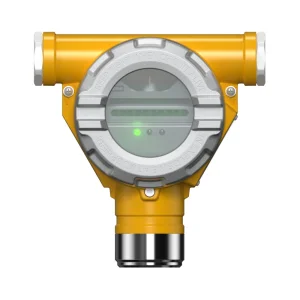
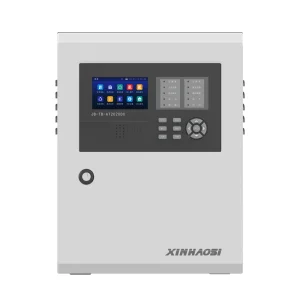
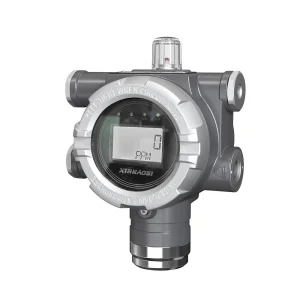
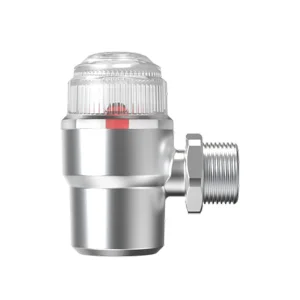
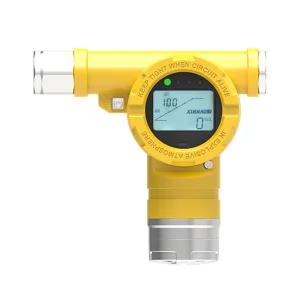
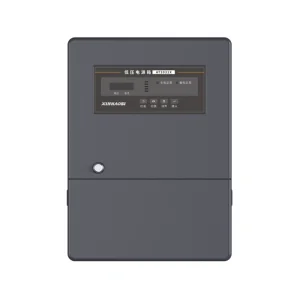
Premium OEM solutions engineered for reliable detection and shutoff capabilities across complex industrial networks.
A comprehensive examination of sensor architectures, electrochemical stabilization, and cross-sensitivity mitigation.
In modern industrial applications, ammonia (NH3) serves as both an essential refrigerant (R717) and a critical chemical raw material. However, its high toxicity and relative flammability demand precise detection systems. Choosing the right OEM NH3 Ammonia Sensor involves analyzing the chemical behavior of ammonia alongside environmental conditions. As a leading manufacturer, we develop sensors that mitigate traditional limitations, such as sensor poisoning and baseline drift.
Our electrochemical sensors run on a target-specific electrolyte system that reduces cross-sensitivity to carbon monoxide and hydrogen sulfide. These sensors are optimized for ambient monitoring in poultry farms and food cold chain warehouses.
Designed for long-term harsh environments, our solid-state MOS sensors withstand volatile weather conditions. These devices are well-suited for heavy-duty industrial processing sites due to their extended service lifespan.
For operations requiring parts-per-billion (ppb) level precision, we offer optical TDLAS (Tunable Diode Laser Absorption Spectroscopy) integration. This method avoids chemical deterioration, eliminating sensor wear-and-tear.
Ammonia is highly adhesive and chemically reactive. Traditional sensors often suffer from baseline drift after exposure to large ammonia leaks. Xinhaosi’s engineering team resolves this issue through a proprietary dynamic gas-diffusion membrane, limiting exposure to the sensing electrode while maintaining response times (T90 < 30 seconds). This keeps the device responsive during repeated exposure cycles.
How our OEM gas detection instruments adapt to localized, high-stress environments across global markets.
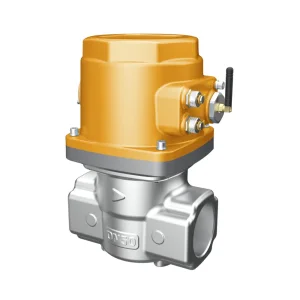
Anhydrous ammonia remains an efficient refrigerant choice for cold chains, yet safety risks persist. Our industrial explosion-proof NH3 monitors integrate directly with automated ventilation systems to prompt swift valve shutoffs in the event of a leak.
Sustained high humidity and high-ppm ammonia levels quickly degrade standard sensors. Our agricultural OEM units utilize corrosion-resistant casing materials to monitor air quality, supporting optimal livestock conditions and automated fan controls.
Monitoring ammonia slip in Selective Catalytic Reduction (SCR) systems demands heat-tolerant sensors. Our specialized high-temperature probe designs ensure stable operations in exhaust channels and flue gas stacks.
At Xinhaosi, we prioritize manufacturing efficiency and robust quality assurance. Our production facility combines automated SMT component placement, robotic chamber calibration, and strict QA testing protocols. This structured supply chain maintains high production output while minimizing lead times for global partners.
Our design roadmap focuses on low-power MEMS gas sensor technology, IoT connectivity (Modbus RS485, LoRaWAN, and 4G LTE), and intelligent temperature compensation algorithms. These advancements ensure reliable operation in challenging industrial conditions.
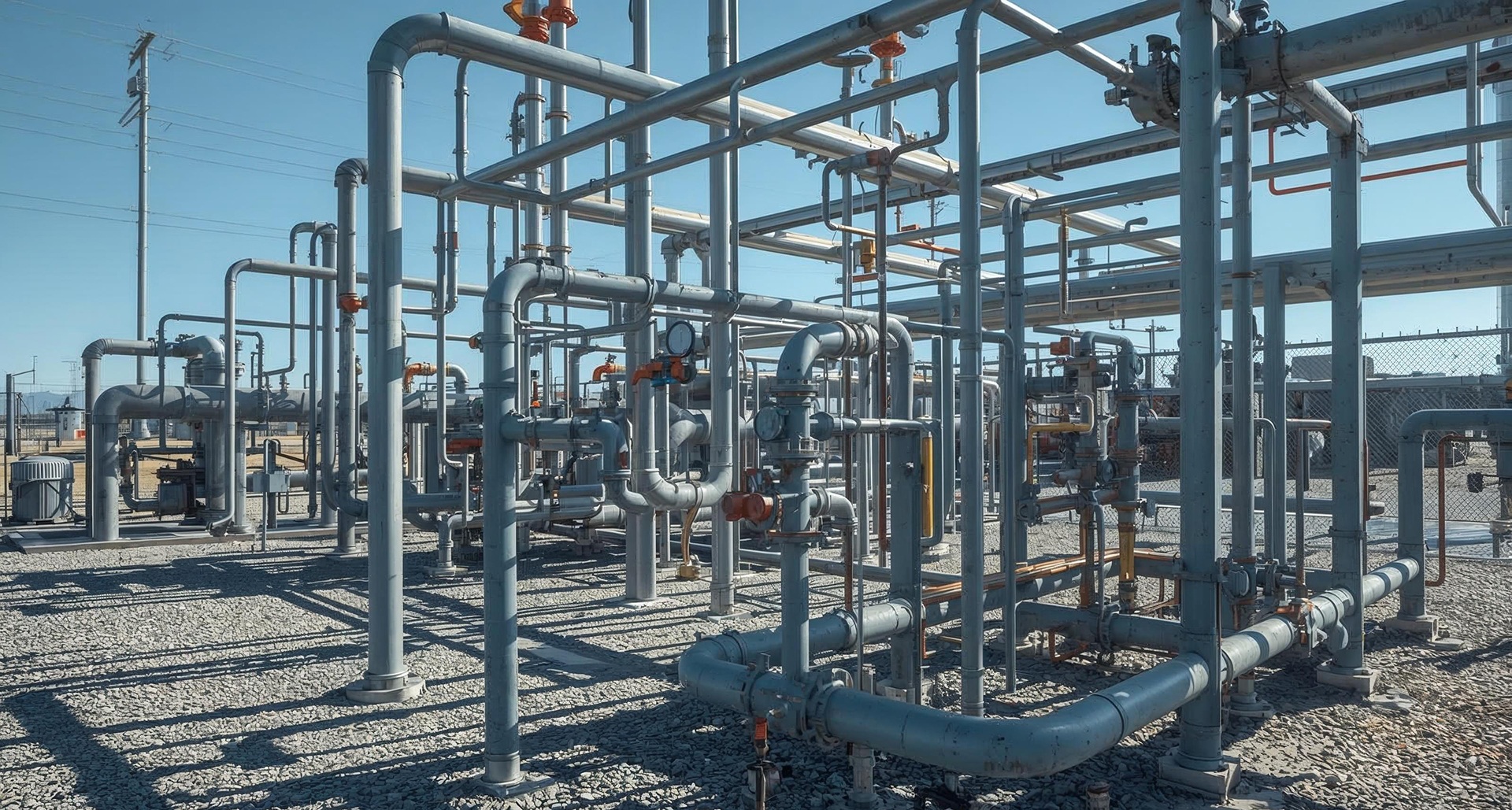
Providing custom product designs that meet strict regulatory and compliance frameworks worldwide.
Our manufacturing and testing processes align with European EN 50271, SIL 2, CE, and global ATEX/IECEx explosion-proof standards, facilitating smooth integration into local markets.
We provide tailormade solutions including customizable PCB footprints, dynamic measurement ranges (e.g., 0-50ppm up to 0-1000ppm), and customized housing branding to suit your product specifications.
Our B2B support services include hardware reference designs, sensor driver APIs, and dedicated engineering consultation for seamless system-level installation.

Founded in 2003, Xinhaosi has grown into a trusted brand in the gas safety industry. We provide customer-focused products and services to safeguard industrial operations, commercial infrastructure, and homes worldwide.
We use electronic detection technology to make safety risks clear and visible. Powered by modern production lines, we deliver precise gas safety solutions built for long-term reliability.

Comprehensive protection and integrated systems designed to monitor safety hazards at every level.
Safety First from Precision Sensing
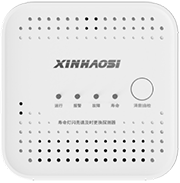
Home Safety from Gas Monitoring
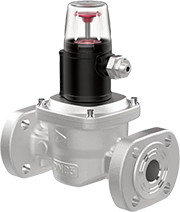
Protecting from the Source
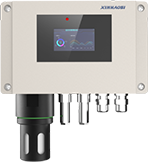
Smart Sensing for Urban Gas Networks
Collaborating with global enterprises to implement robust gas safety solutions.








Detailed engineering answers to the most common questions regarding NH3 monitoring deployment.
Keep track of technological releases, cross-border achievements, and strategic industrial partnerships.
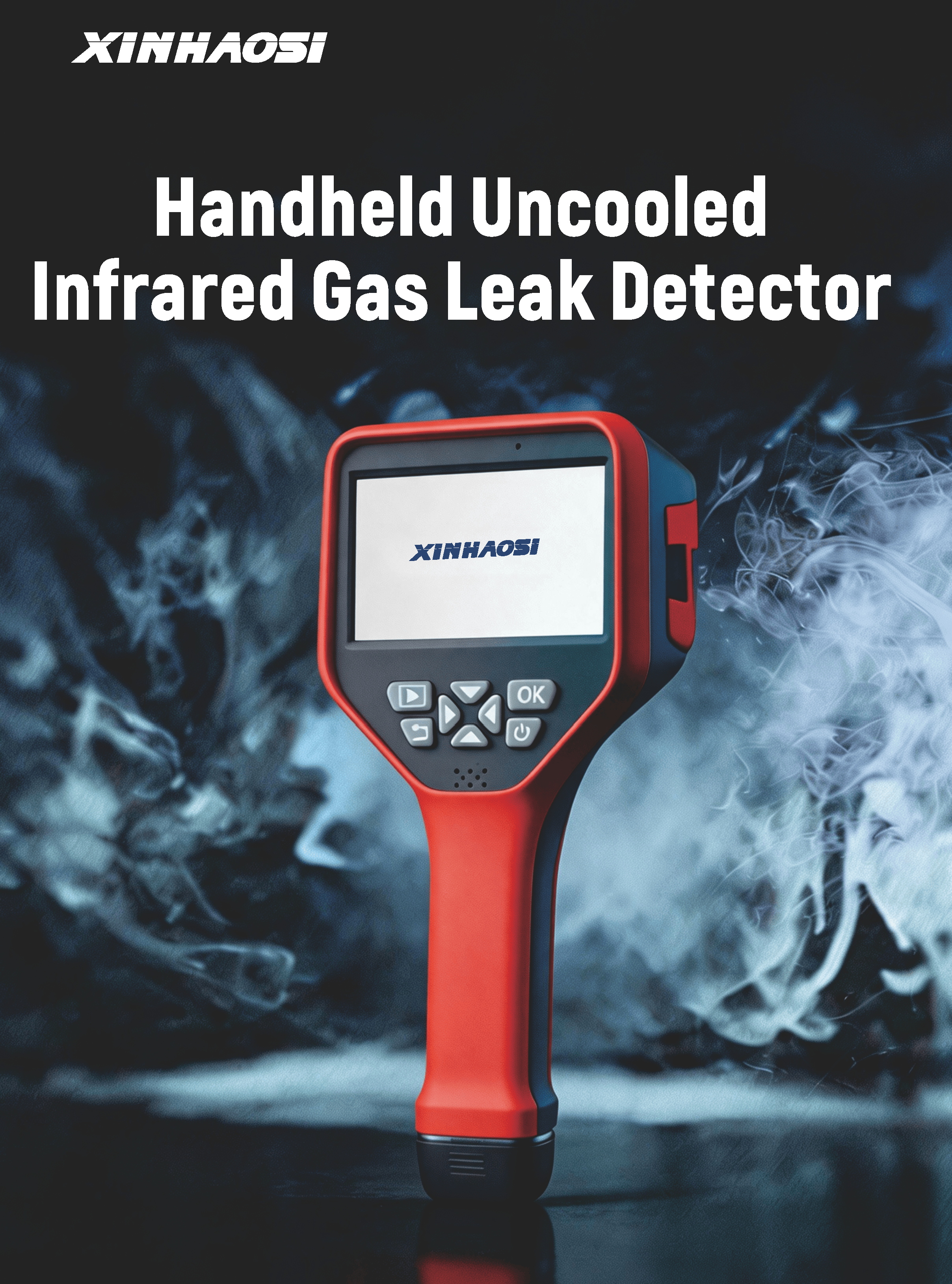
Xinhaosi Electronic Detection Technology Co., Ltd. launched its Handheld Uncooled Infrared Gas Leak Detector, featuring dual-technology fusion and fast response for petrochemical and industrial safety applications.
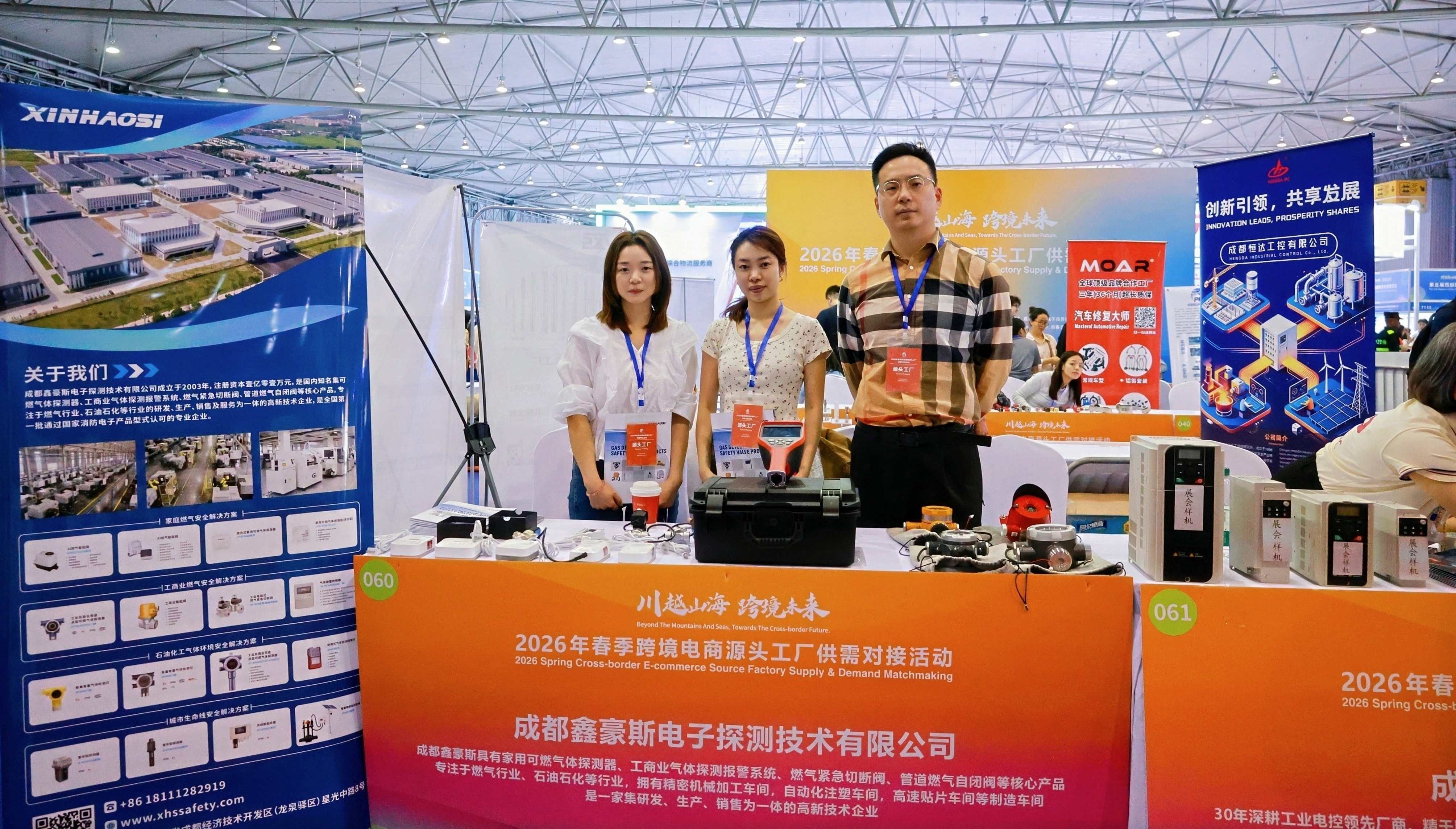
We attended the 5th Western China Cross-Border E-Commerce Expo in Chengdu, connecting with international buyers and expanding global partnerships.

XINHAOSI joined the Sichuan (Chengdu) – Indonesia Industry Matchmaking Conference to explore business opportunities and collaboration in Southeast Asia.
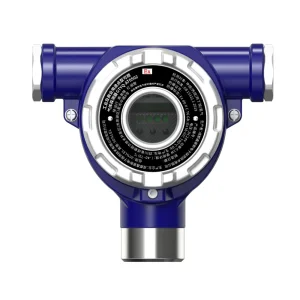
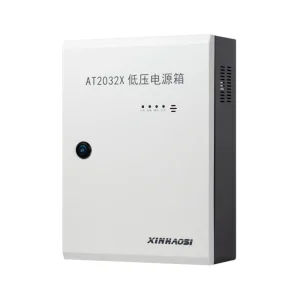
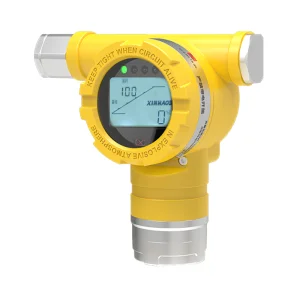
Explore our extensive range of high-performance controllers, transmitters, and emergency shut-off valves.