Explore our baseline product offerings manufactured under strict international quality controls. These items showcase our commitment to reliability, precision engineering, and safety monitoring across residential, commercial, and heavy industrial domains.
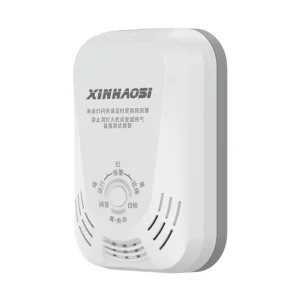
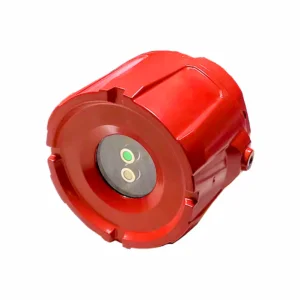
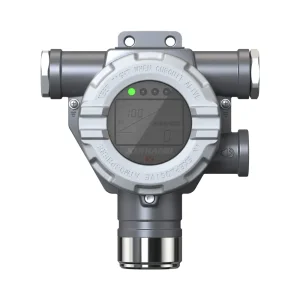
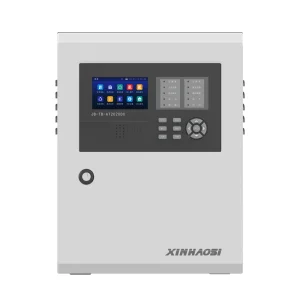
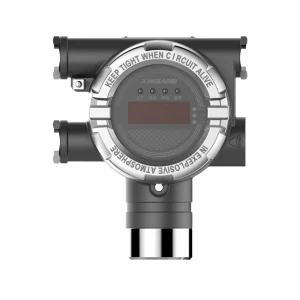
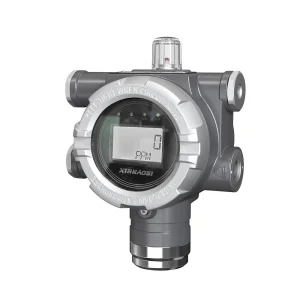
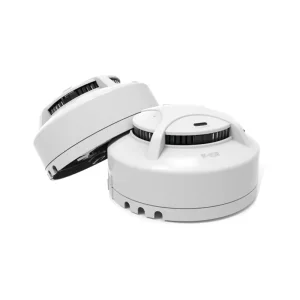
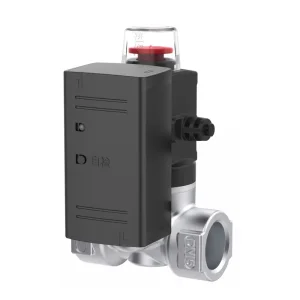
In the era of rapid industrialization and stringent environmental policies, managing Volatile Organic Compounds (VOC) emissions has transitioned from a routine compliance checkbox to a critical driver of global corporate sustainability. VOCs—encompassing aromatic hydrocarbons, alcohols, aldehydes, ketones, and halogenated solvents—pose severe ecological challenges and public health hazards. Industries worldwide are facing unprecedented pressure from regulatory bodies such as the US EPA, European Environment Agency (EEA), and China's Ministry of Ecology and Environment (MEE) to enforce near-zero fugitive emissions policies.
Achieving these rigorous targets requires highly precise, ruggedized, and responsive gas detection systems. Traditional periodic inspection models are rapidly giving way to continuous, automated, IoT-enabled environmental monitoring infrastructures. Factories focusing on high-quality VOC gas detectors must operate at the intersection of precise chemical spectrometry and reliable rugged hardware, ensuring that explosive, toxic, and volatile compounds are detected long before they accumulate to hazardous thresholds.
Delivering top-tier safety and sensing architectures globally for over two decades.
Utilizing advanced PID and NDIR sensors for precise gaseous emission tracking.
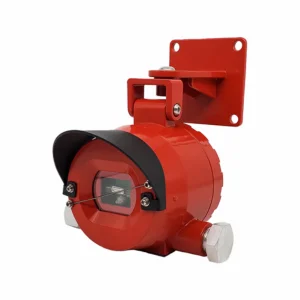
Ensuring explosion-proof safety in the most demanding refinery & petrochemical settings.
As a global manufacturing powerhouse, China has established unrivaled advantages in the research, development, and supply of gas safety systems. Factories specializing in VOC emission technologies leverage highly integrated regional supply chains that dramatically shorten production cycles from design to field deployment.
1. Vertical Integration of Sensor & Electronic Component Ecosystems: Chinese manufacturers operate in hubs close to advanced electronic component ecosystems. This enables seamless procurement of premium grade semiconductor arrays, robust casing plastics, and high-frequency communication modules, allowing rapid prototyping of custom gas safety solutions.
2. State-of-the-Art Calibration & Testing Infrastructures: High-performance VOC and gas detectors require multi-point temperature and gas concentration calibrations. Leading Chinese factories utilize automated climate chambers, precise mass flow controllers, and automated gas mixing rigs. This guarantees that each device, from a residential gas solenoid valve to a petrochemical-grade explosion-proof VOC monitor, maintains its accuracy over prolonged service life under extreme industrial stresses.
3. Cost-Efficient Scalability & Compliance Engineering: Chinese manufacturers excel at balancing cost efficiencies with demanding international standards. By integrating strict quality management systems (ISO 9001:2015, ISO 14001, OHSAS 18001), these factories achieve the production scale needed to offer highly competitive pricing without sacrificing compliance, ensuring that systems carry valid ATEX, CE, UL, and SIL-2 certifications.
When selecting a manufacturing partner, leading EHS (Environmental, Health, and Safety) managers prioritize the following criteria:

Effective mitigation of VOC emissions and gas hazards cannot be accomplished via standalone instruments. Comprehensive protection demands cohesive, end-to-end monitoring architectures tailored to the operational demands of distinct industries. Below, we examine key application frameworks that demonstrate the integration of detectors, controllers, and shut-off valves.
Fugitive emissions at valve glands, pump seals, and storage tank vents present high explosion risks and volatile releases. Our explosion-proof detectors (e.g., GTYQ-AT0601, XP4000) are deployed in grid-like monitoring networks to continuously stream data back to high-capacity controllers. This enables early alarm validation, allowing immediate process adjustments before hazard zones develop.
Enclosed facilities, like multi-level parking garages, require monitoring for Carbon Monoxide (CO) buildup and localized gas accumulation. Using products like the AT2004BIV-CO sensor paired with automated ventilation controls ensures that air quality is maintained. In the event of a dangerous threshold violation, automatic ventilation triggers, mitigating risk and saving energy during low-traffic hours.
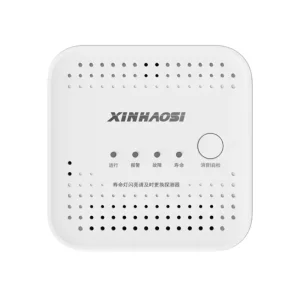
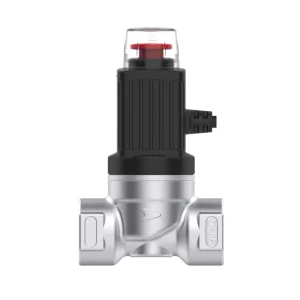
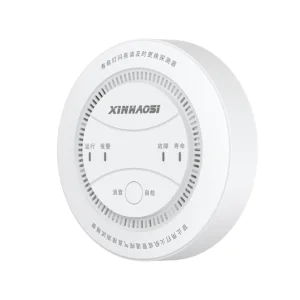
In smart domestic gas infrastructures, detecting combustible gas is only the first step. By coupling household detectors (JT-AT2004A, JT-AT3068) with mechanical safety valves (such as dry battery type wireless solenoid valves or the XF2 series), the gas supply is shut off at the source the instant a leak is identified. This proactive loop minimizes danger before a spark can trigger combustion.
In the vocabulary of chemical safety and gas detection, "X" symbolizes the invisible dangers lurking within process pipes, storage tanks, and municipal distribution loops. Simultaneously, "X" defines the future-proof sensing algorithms and mechanical innovations designed to render these invisible threats visible and controllable.

Founded in 2003, Xinhaosi Electronic Detection Technology Co., Ltd. has established itself as one of the most reliable and innovative manufacturers in the gas safety sector. By combining high-resolution photoionization sensors, catalytic elements, and smart automated control electronics, the brand delivers comprehensive gas leak detection solutions designed to protect personnel, assets, and the environment.
Global engineering procurement groups and EHS directors demand strict quality criteria when onboarding gas safety equipment suppliers. Meeting these expectations requires a comprehensive compliance framework:
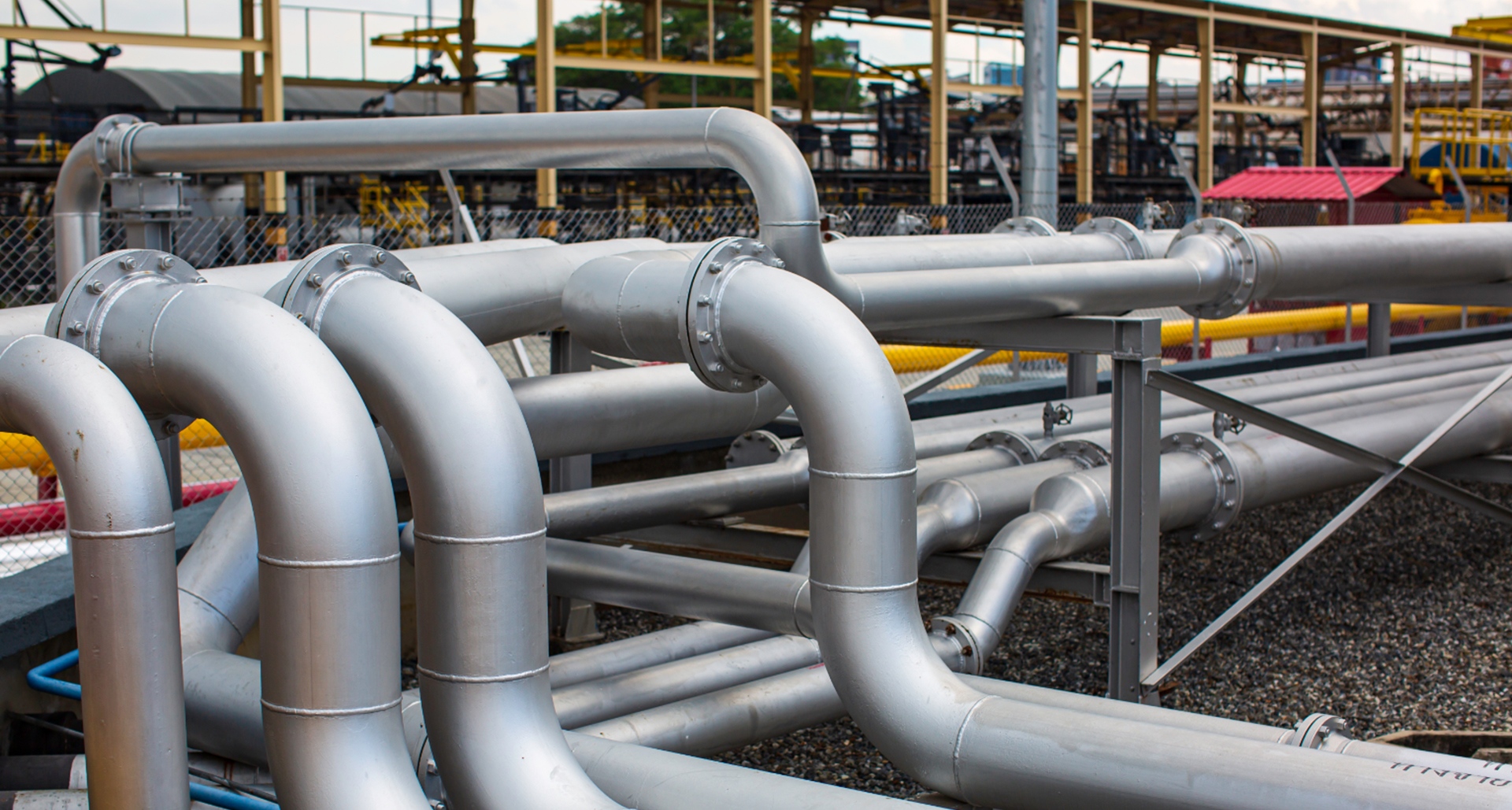
The industrial gas monitoring industry is undergoing a digital transformation, moving beyond static, localized alarms to interconnected, predictive safety ecosystems. Industry leaders are focusing on key technological developments:
Real-time visual monitoring using uncooled infrared cameras is transforming Leak Detection and Repair (LDAR) workflows. These systems visualize fugitive gas plumes at a distance, allowing crews to locate leaks safely without direct exposure.
Low-power wireless protocols enable dense, cost-effective sensor grids. This provides facility managers with comprehensive, real-time heat maps of gas concentration trends across expansive industrial footprints.
Next-generation gas controllers handle sensor drift and environmental compensation at the edge, reducing false alarms while ensuring prompt activation of critical safety valves when hazardous gas levels are detected.
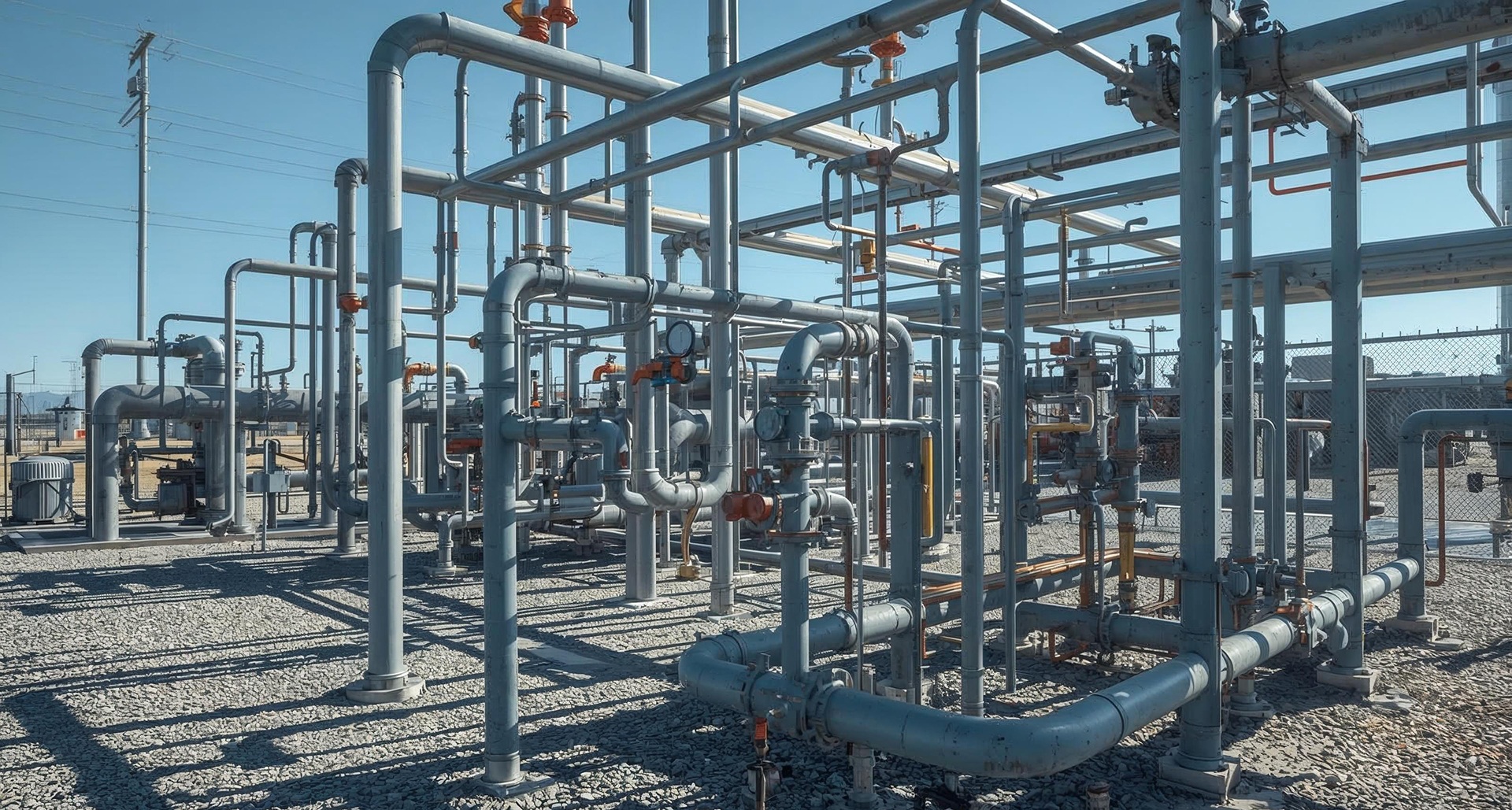
Get answers to critical technical questions regarding VOC regulations, system integration, and detector calibration.
VOCs are typically monitored using Photoionization Detectors (PID) or Non-Dispersive Infrared (NDIR) sensors. PID sensors utilize ultraviolet light to ionize gas molecules, making them highly sensitive for low-concentration (ppb/ppm) detection of broad-spectrum volatile organics. NDIR sensors use infrared absorption bands to detect specific carbon-hydrogen bonds, offering excellent selectivity for targeted hydrocarbons without risks of sensor poisoning from compounds like silicones or sulfur.
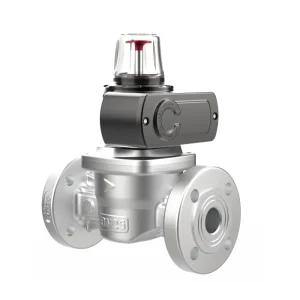
An automated gas shut-off loop connects detection sensors, control units, and solenoid shut-off valves. If gas concentrations exceed safety limits, the controller triggers the quick-closing solenoid valve within milliseconds, cutting off the gas supply. This immediate action mitigates risks of escalation, isolating leaks even in unstaffed areas or during power outages.
Industrial standards recommend performing a zero calibration using clean air (or nitrogen) and a span calibration using a target gas mixture of known concentration every six months. Environmental factors such as high humidity or temperature variations can accelerate sensor drift, so periodic bump tests are also advised to confirm sensor responsiveness.
ATEX and IECEx certifications verify that electrical equipment will not spark or become an ignition source in explosive environments (Zone 0, Zone 1, Zone 2). Safety Integrity Level (SIL) ratings, such as SIL2, indicate the reliability of a safety instrumented system under demand. Specifying products with these credentials simplifies regulatory approval and helps ensure compliance with international EHS codes.
Stay informed with the latest technology updates, product rollouts, and global trade activities from our manufacturing lines.
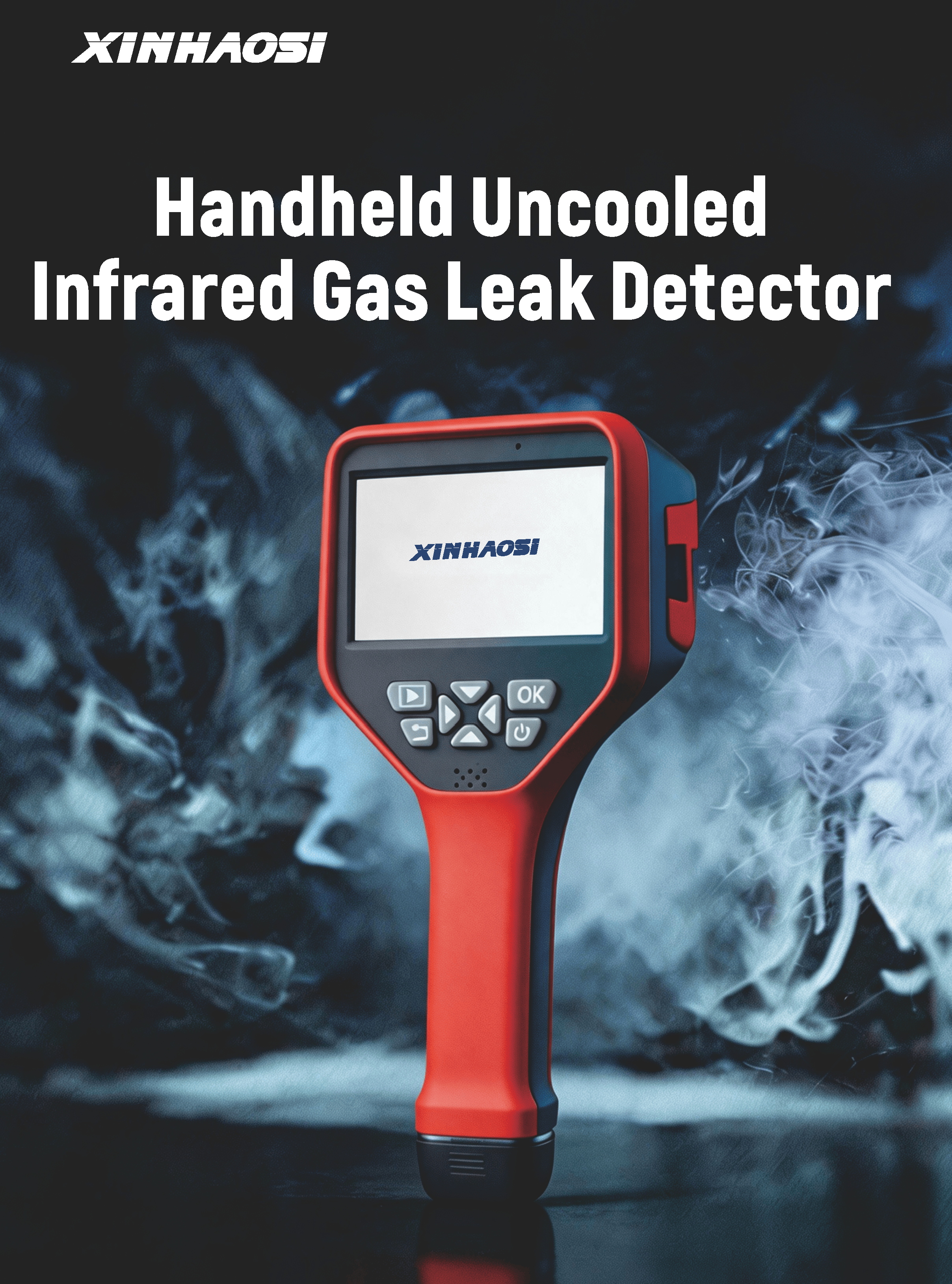
Featuring dual-technology fusion, ultra-fast response, and long-distance non-contact detection to enhance safety and efficiency in petrochemical, refrigeration, natural gas and industrial safety scenarios.
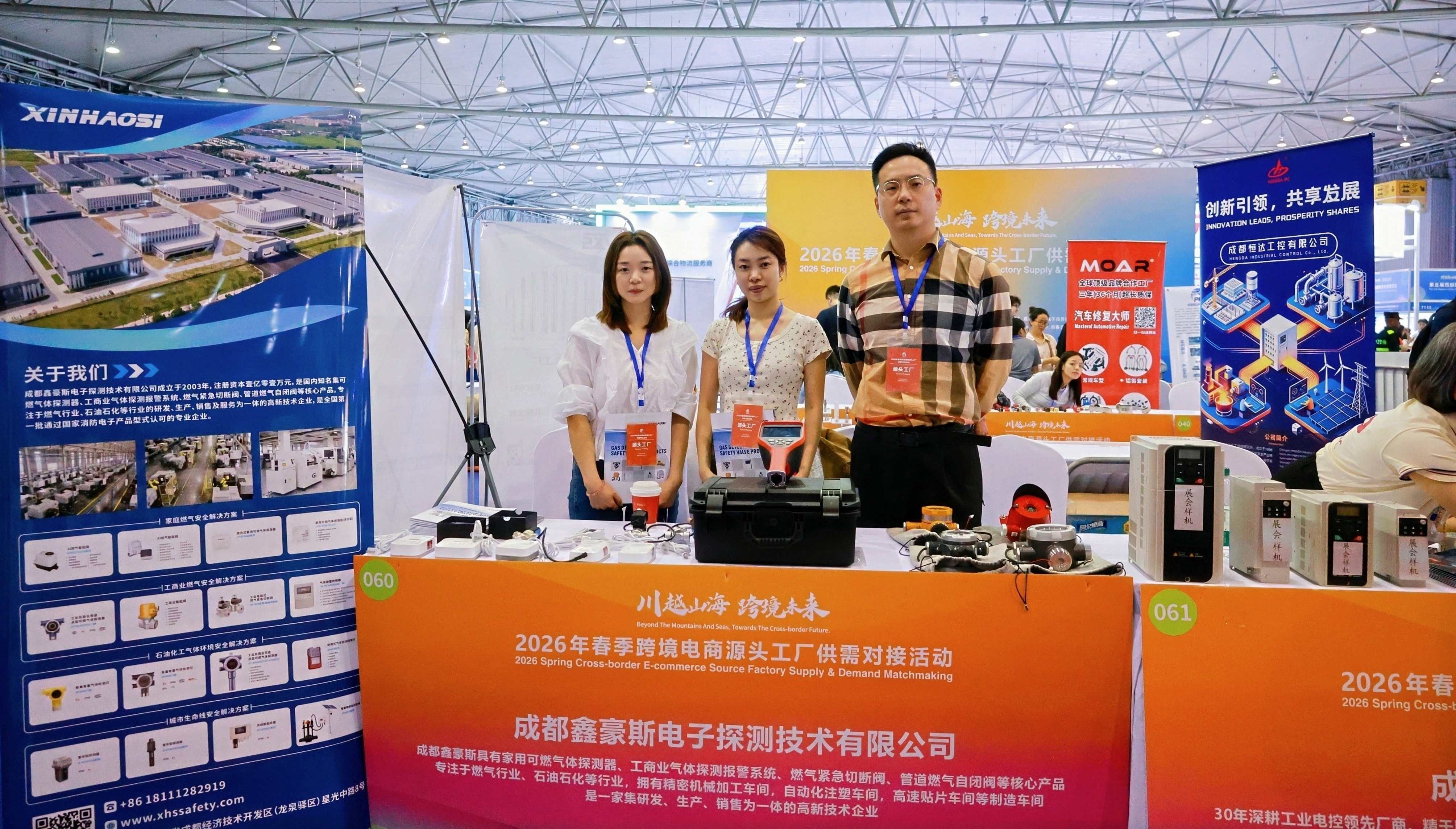
Chengdu hosted platforms, global buyers, and manufacturers to strengthen supply chains, expanding overseas partnerships and cross-border cooperation in safety technology.

Strengthening industrial cooperation and exploring gas safety application scenarios and business opportunities within the rapidly growing Southeast Asian municipal gas sector.
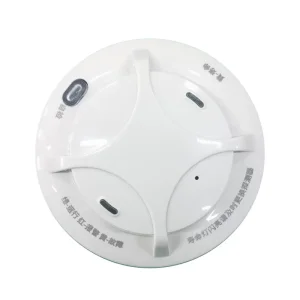
View our complete lineup of gas detectors, control systems, and quick-closing solenoid valves designed for residential, commercial, and industrial facilities.

We collaborate with industrial partners, safety engineers, and municipal distributors worldwide to implement robust gas safety solutions.