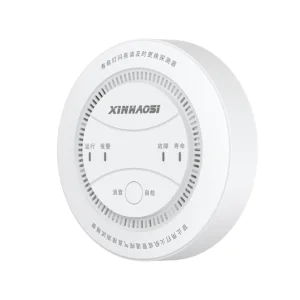
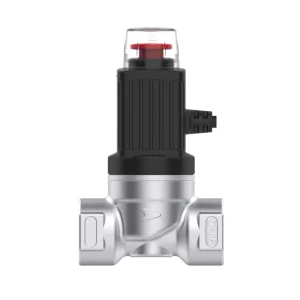
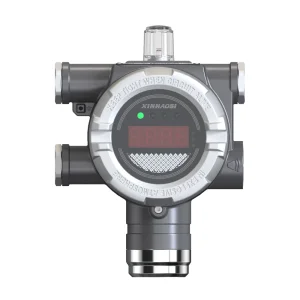
Deploying high-precision sensors, controllers, and rapid-response safety shutoff valves built for rigorous enterprise environments.
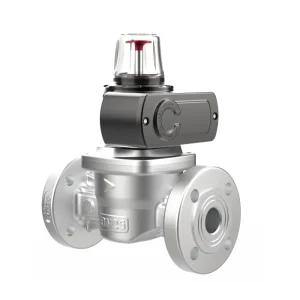
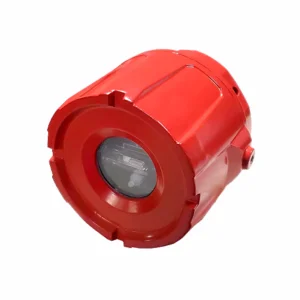
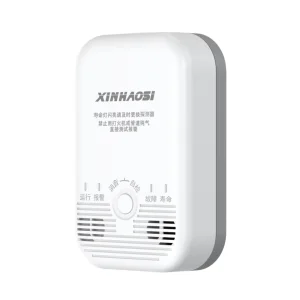
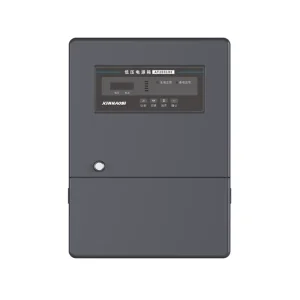
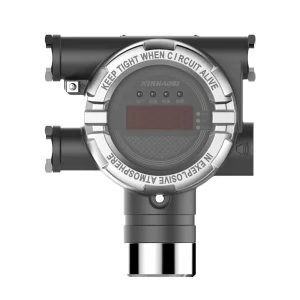
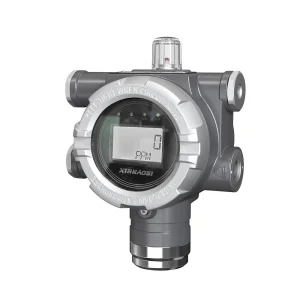
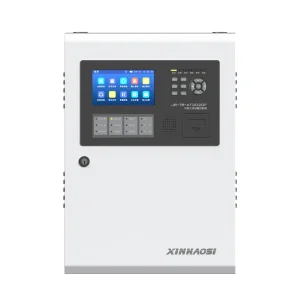
In global commercial cooking operations, residential construction projects, and municipal heating infrastructures, the integrity of a gas supply system lies fundamentally in its weakest link: the isolation device. The Gas Range Shut Off Valve is not merely a component of convenience; it represents the ultimate primary fail-safe mechanism against catastrophic runaway leaks, flash fires, and slow-leaking combustible atmospheres. As gas safety specifications shift globally from reactive hardware solutions to proactive, interconnected automation topologies, industrial designers and global procurement agents require a robust understanding of the materials science, regulatory landscapes, and engineering principles behind high-quality shutoff components.
Modern kitchen designs, both residential and commercial, demand compact layouts and high BTUs. Higher energy densities create thermal stresses and vibration thresholds that cheap, cast-alloy valves fail to withstand over prolonged cycles. Consequently, high-quality manufacturers focus on heavy-duty forged materials, such as CW617N brass and AISI 316 stainless steel, to prevent structural degradation, corrosion, and micro-fissuring over decades of continuous exposure.
Gas shutoff mechanisms fall under three primary operating designs, each engineered for distinct industrial and residential use cases:
A legacy built on precision engineering, validation testing, and compliance-driven mass production.
In the commercial hospitality and residential multi-family housing sectors, building management systems (BMS) are no longer isolated systems. A contemporary gas range installation must be integrated directly into a centralized safety grid. High-quality gas range shut off valves now frequently incorporate auxiliary micro-switches or digital communication nodes (using Modbus, BACnet, or low-power wireless protocols like Zigbee and LoRaWAN). When a household or commercial gas sensor detects levels exceeding 10% LEL (Lower Explosive Limit), the system bypasses manual user intervention, automatically triggering the solenoid safety shutoff valve while notifying building maintenance through the cloud.
As global gas utilities initiate pilot programs to blend hydrogen into natural gas distribution grids to reduce carbon emissions, the physical properties of transported gas are changing. Hydrogen molecules are significantly smaller than methane, which drastically increases the risk of micro-leakage through standard valve seats and thread seals. Furthermore, hydrogen exposure can induce embrittlement in certain carbon steels and copper-based alloys. Premium factories are upgrading their metallurgical formulations and testing sealing rings under pure hydrogen conditions to ensure their valves remain forward-compatible with emerging 20% H2/CH4 blended networks.
B2B procurement teams evaluating international manufacturers must look beyond the initial unit price. The total cost of ownership (TCO) of gas control systems is determined by product failure rates, field longevity, liability risk, and regulatory verification. Sourcing professionals must demand:
Engineered solutions across major B2B segments, integrating functional safety, industrial resilience, and smart connectivity.
High-output multi-burner lines requiring thermal emergency safety devices (TCO), quick manual shutoff bypasses, and high-temperature Viton sealing surfaces built to handle heavy grease and chemical cleaning agents.
Standardized brass compression-fit valves coupled directly with smart residential methane detectors to prevent accidental leaks from unlit range burners, ensuring rapid auto-isolation.
Heavy-duty explosion-proof solenoid control valves meeting ATEX, IECEx, and SIL-3 classifications for hazardous areas where flammable gas concentrations are a constant operational threat.
We utilize advanced electronic detection technology to make unknown gas leak risks clear and visible. Founded in 2003, Xinhaosi is one of the most influential and reliable brands in gas safety industry. We provide customer-focused products and services to safeguard the safe operation of every factory, the comfort of every city, the peace and happiness of every home.
Powered by cutting‑edge production systems and technology, we deliver more advanced, intuitive, and precise gas safety solutions for shaping a safer future world.
Navigating the regulatory labyrinth of global gas components requires strict adherence to regional standardizations. High-quality gas range shut off valves must conform to specific certifications depending on the destination market:
Compliance with ANSI Z21.15 / CSA 9.1 for manual valves, and ANSI Z21.21 / CSA 6.5 for automatic safety valves. NPT thread certifications are strictly verified.
CE marking conforming to the Gas Appliances Regulation (GAR) (EU) 2016/426 and standard EN 161 for automatic gas valves.
UKCA markings and alignment with BSI safety codes, guaranteeing compatibility with localized infrastructure requirements.
AGA (Australian Gas Association) approvals under AS 4617 for gas control valves and AS 5601 pipeline installation compliance.
At Xinhaosi, our technical roadmap looks beyond standard regulatory compliance. We are actively developing next-generation self-diagnostic valves. These units continuously measure flow rates, backpressure, and internal seat wear using embedded MEMS (Micro-Electro-Mechanical Systems) sensors. When structural deviations or pressure anomalies are detected, the valve alerts the user before a leak can even manifest, transforming safety from reactive response to predictive prevention.
In-depth answers to critical technical questions asked by global piping engineers and purchasing managers.












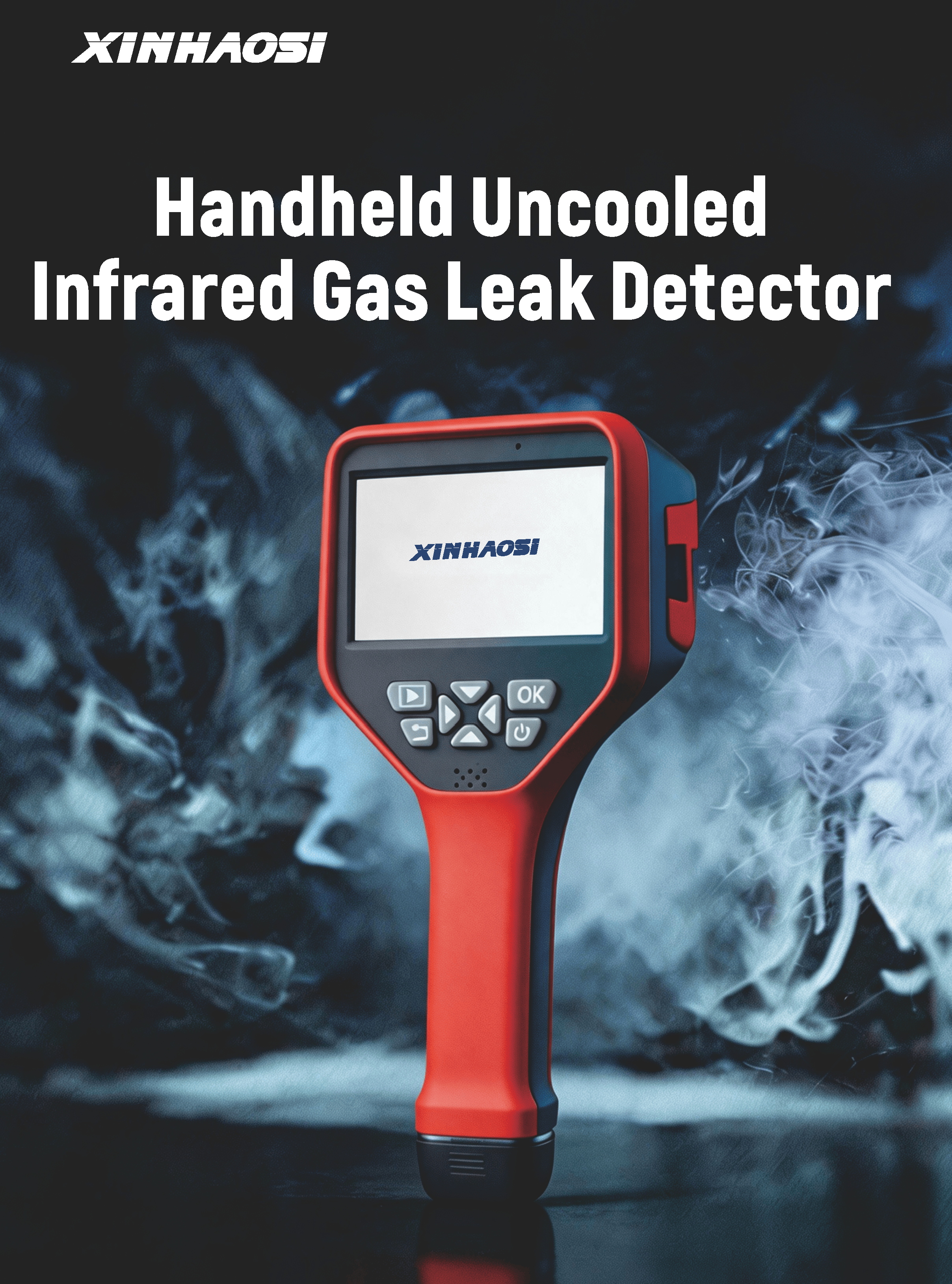
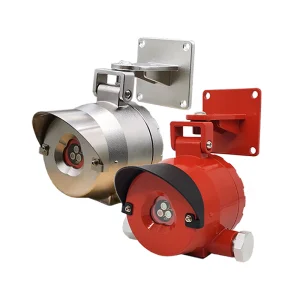
Featuring dual-technology fusion, ultra-fast response, and long-distance non-contact detection to enhance safety and efficiency in petrochemical and refrigeration operations.
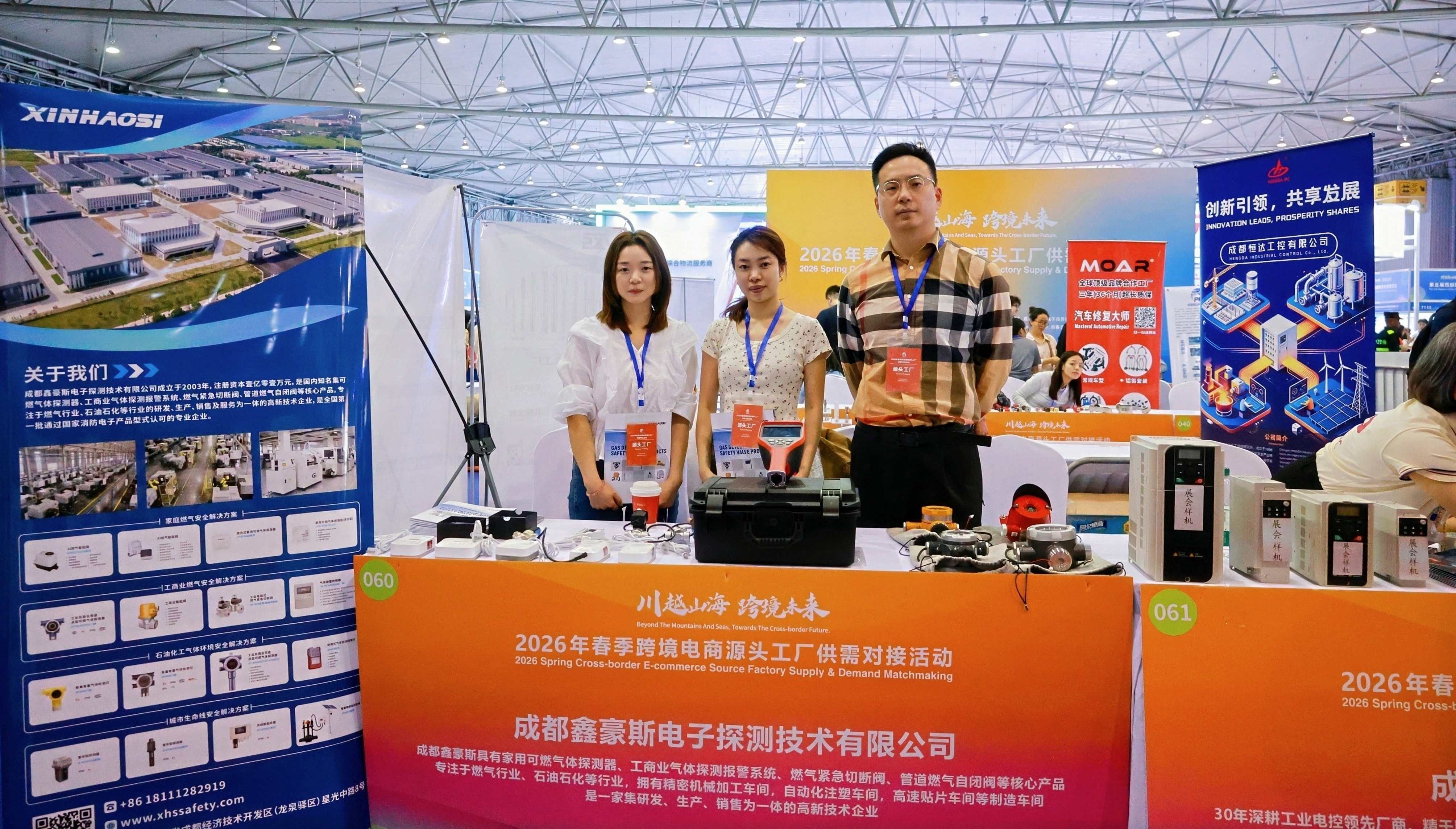
Connecting with global buyers, manufacturers, and distribution chains to expand reliable international business cooperation networks.

Strengthening trade bonds and industrial cooperation channels to provide gas safety infrastructure to Southeast Asian development zones.
Explore the full range of safety valves, combustible gas detection arrays, and safety control panels.