Engineered to deliver precision monitoring, immediate physical containment, and continuous operation in demanding hazardous facilities.
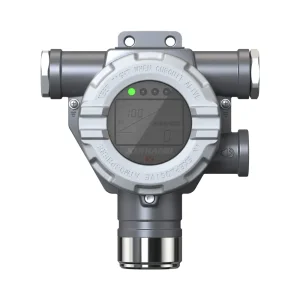
In the demanding landscapes of petrochemical refining, urban gas distribution, metallurgy, and thermal energy generation, a single leak can compromise local operations and regional infrastructure. As a specialized gas control valve supplier and advanced manufacturer, our engineering foundation centers on mitigating unseen fluidic risks. Standard industrial flow components cannot withstand the corrosive chemical stresses, sharp high-pressure differentials, and extreme thermal cyclic changes of modern installations. This is why we focus on developing gas solenoid valves and flame verification networks designed for high performance and long operational lifespans.
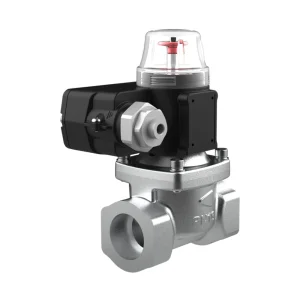
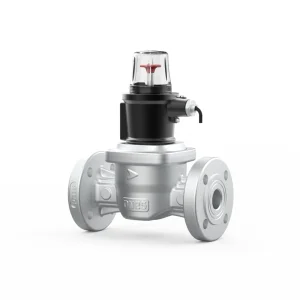
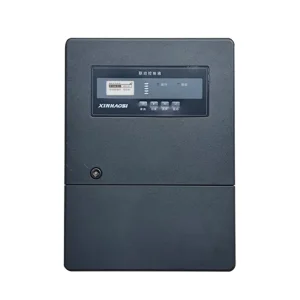
To address critical fail-safe requirements, systems require complete integration. For example, our Normally Open (N.O.) Industrial Gas Solenoid Valves, such as the XF3III and XF5III series, act as the final protective barrier in automated safety loops. When connected to systems like the JB-MK-AT2041X Interlock Control Box, these emergency shut-off valves close rapidly in response to early electrical alarm signals. By isolating fuel sources instantly, they help contain issues before they escalate.
Safety is built on reliable material performance. High-quality control systems must feature chemical-resistant elastomers (such as Viton or high-density NBR) and explosion-proof cast aluminum or stainless steel housings certified under international frameworks like ATEX, IECEx, and China GB Ex. This ensures consistent operation in hazardous locations (Class I Div 1 & 2) and corrosive marine environments.
The convergence of industrial automation, smart wireless monitoring, and hydrogen blending technologies.
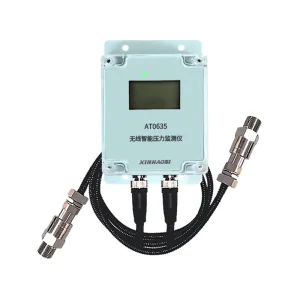
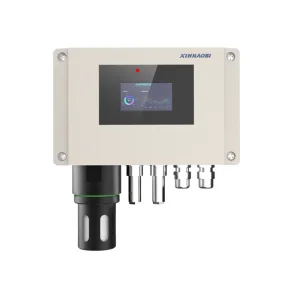
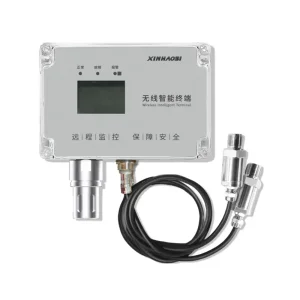
Modern industrial setups are moving away from isolated, mechanical equipment. Modern infrastructure integrates IoT-enabled pressure sensors, such as the GT-AT0637 and AT0635 Wireless Smart Pressure Monitors, to continuously stream pressure and telemetry data. This allows control rooms to detect anomalous leaks and drop-offs in real time.
As the global energy sector adapts to lower-carbon alternatives, hydrogen blending is becoming more common. Hydrogen molecules are small and can cause embrittlement in standard metals. Advanced suppliers are now developing valves using specialized alloys and engineered coatings to prevent leakage and retain physical strength.
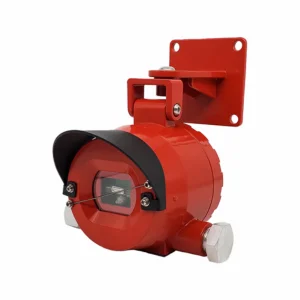
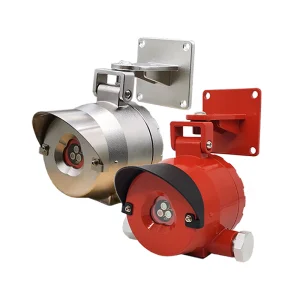
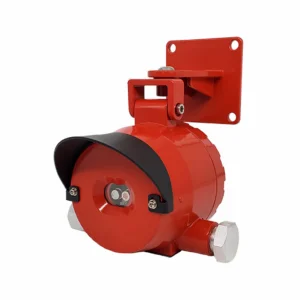
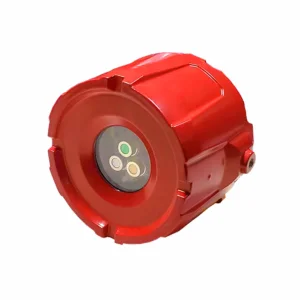
Modern plant management emphasizes predictive over reactive maintenance. Multi-spectrum flame detectors, including the IFD2020 Infrared and FD1020 Triple-IR models, use optical path sampling and automated self-testing. These diagnostic routines help operators schedule maintenance before a component fails.
Historically, the global flow control market relied on localized production hubs. Today, Chinese smart manufacturing facilities have transitioned to Industry 4.0 principles, combining digital production, rigorous quality testing, and reliable logistics networks.
Founded in 2003, Xinhaosi has grown into an influential and trusted brand in the gas safety sector. We provide tailored solutions to protect industrial operations, public infrastructure, and homes worldwide. Powered by modern production and sensing technologies, we deliver precise gas safety systems to safeguard what matters most.

Our factory uses automated machining centers, coordinate measuring machines (CMM) for micrometer-level verification, and specialized testing chambers to confirm consistent valve closure. Every industrial gas valve undergoes rigorous hydrostatic pressure and external seal integrity testing before dispatch. This systematic approach ensures reliable performance, allowing us to supply global EPC projects with robust flow-control components.
Exploring our four primary industrial and commercial product segments.
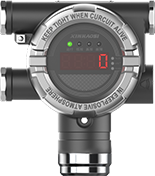

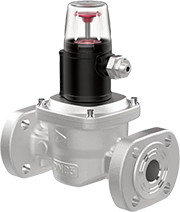
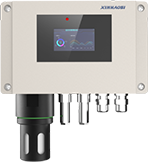
Every industrial setting introduces unique challenges for gas control valves and monitoring systems. Matching the right equipment to the application is vital for performance and safety:
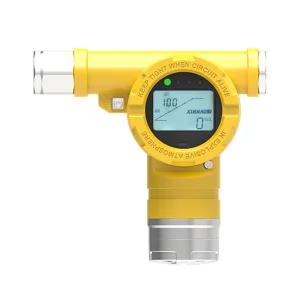
Refining environments contain heavy concentrations of volatile organic compounds (VOCs) and toxic sulfur byproducts. Using explosion-proof combustible gas detectors like the XP3000 alongside corrosion-resistant emergency shut-off valves ensures reliable operations in demanding, Class I Division 1 areas.
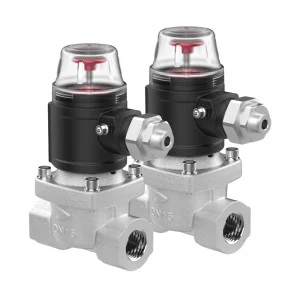
Municipal networks require low-maintenance, battery-operated remote systems. Integrating wireless terminals like the GT-AT0636 with low-power solenoid valves allows utility providers to monitor line pressure and shut off flow remotely when issues occur.
Boiler systems require fast-acting shut-off systems that trigger automatically upon gas leak detection. Using quick-acting normally open solenoid valves linked to compact local detectors helps prevent fuel accumulation and risks in confined kitchen environments.
Collaborating with global enterprises to provide reliable safety solutions.
























Stay informed on safety innovations, regional business matchmaking events, and global exhibitions.
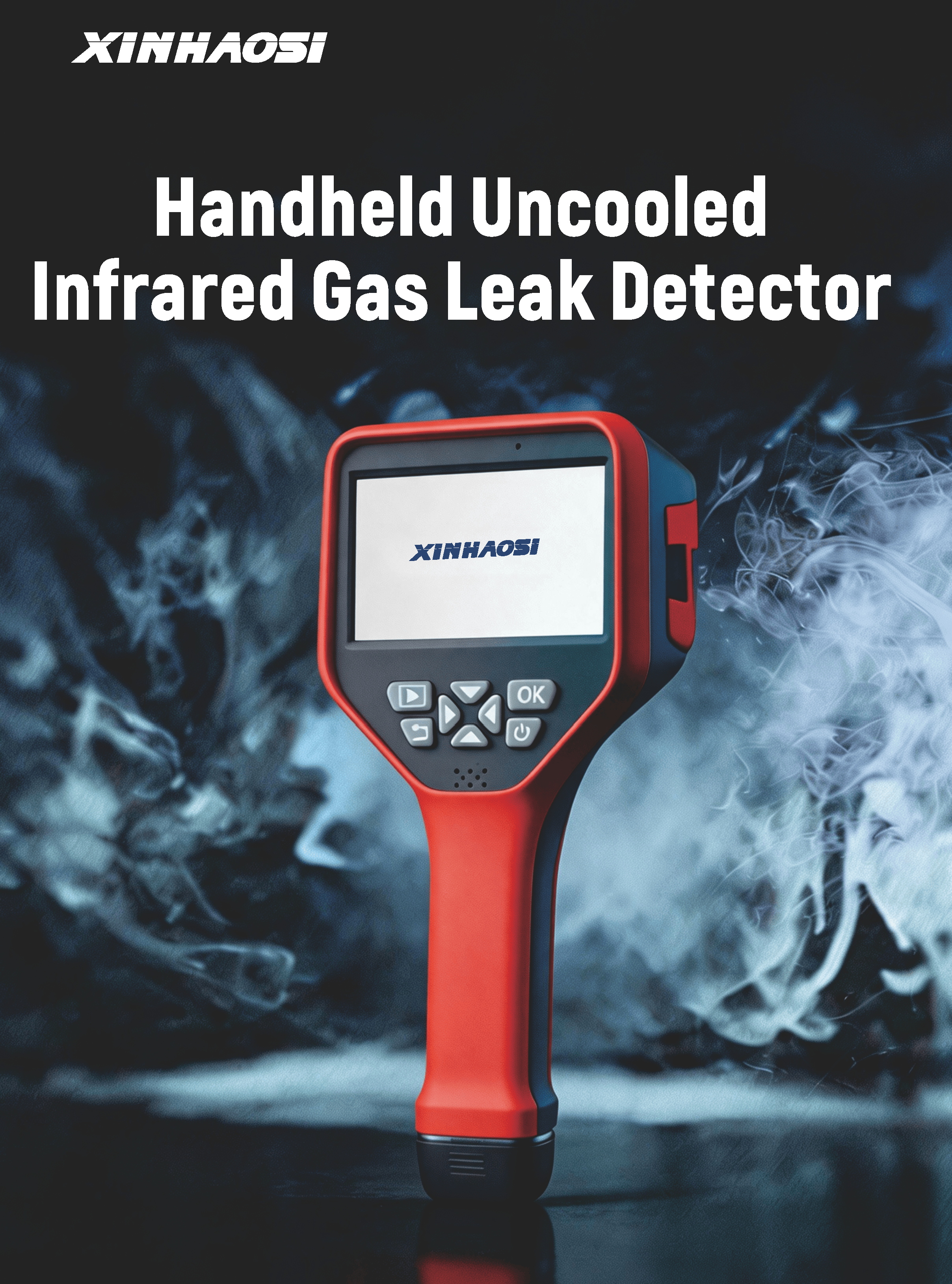
Xinhaosi Electronic Detection Technology Co., Ltd. officially launched its new Handheld Uncooled Infrared Gas Leak Detector, featuring dual-technology fusion, ultra-fast response, and long-distance non-contact detection to enhance safety and efficiency in petrochemical, refrigeration, natural gas and industrial safety scenarios.
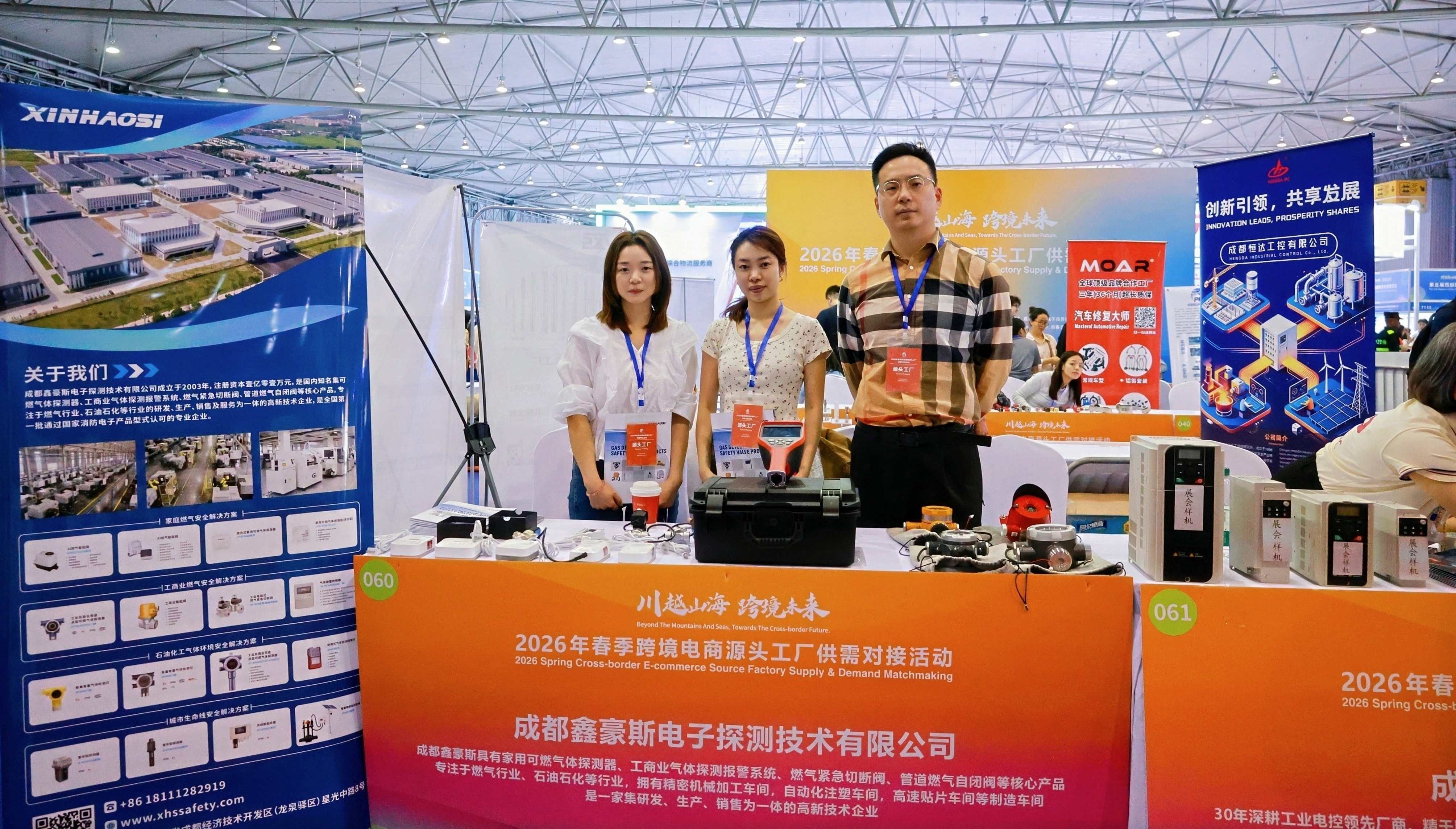
XINHAOSI recently participated in the 5th Western China Cross-Border E-Commerce Expo held in Chengdu. The event brought together cross-border e-commerce platforms, global buyers, manufacturers, and supply chain companies, creating new opportunities for international business cooperation and overseas market development.

XINHAOSI recently participated in the 2026 Sichuan (Chengdu) – Indonesia Industry Matchmaking Conference held in Chengdu. The event gathered enterprises and industry representatives from China and Indonesia to strengthen industrial cooperation and explore new business opportunities in Southeast Asia.
Common operational and technical questions regarding gas control valves and flame detection systems.
Normally Open (N.O.) valves, like the XF3III, stay open during standard operations without consuming electrical power. They are shut by an electrical pulse from an interlock control box during emergency scenarios and must be reset manually. Normally Closed (N.C.) valves require constant power to stay open and close immediately if power is lost, making them ideal for small-scale applications where immediate isolation during power outages is required.
Triple infrared (3IR) flame detectors, such as the FD1020 3IR, scan three narrow spectral bands to confirm the presence of CO2 emission bands. This makes them highly resistant to false alarms from sunlight, hot machinery, and welding arcs. Single UV detectors (like the FD1020 UV) respond quickly but can occasionally trigger false alarms from lightning, X-rays, or arc welding when used in open, unshielded outdoor environments.
These smart pressure monitors utilize low-power wide-area network technologies like LoRaWAN, NB-IoT, or Zigbee. This allows them to transmit continuous pressure readings over several kilometers while maintaining long battery life. They are typically used in utility networks and industrial complexes where running extensive cabling is impractical.
Explosion-proof ratings, such as Ex d or Class I Division 1, mean the device's heavy-duty enclosure is designed to contain any internal spark or explosion. This prevents it from igniting volatile gases in the surrounding atmosphere. These devices must be verified through strict testing (such as ATEX or IECEx) to ensure safe operation in hazardous environments.
Explore our range of detectors, valves, and wireless monitors designed for complete hazardous site protection.