
Engineered to mitigate risk in hazardous gas storage and distribution environments.
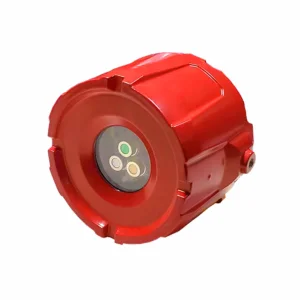
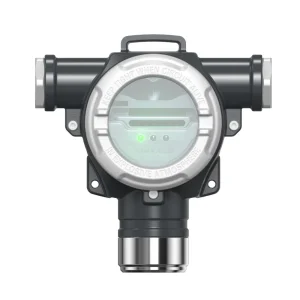
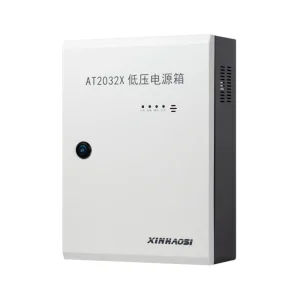
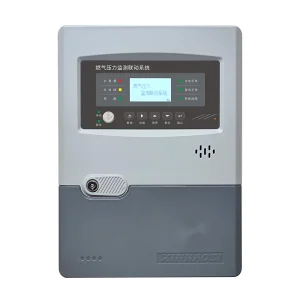
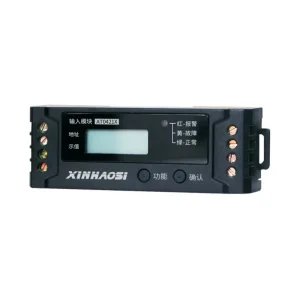
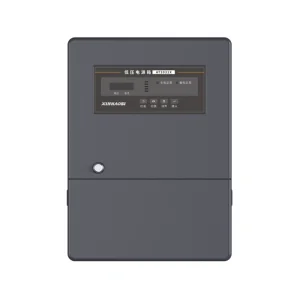
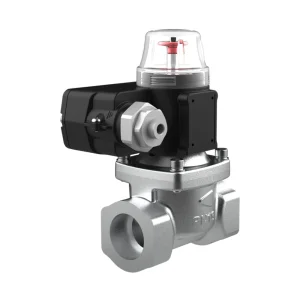
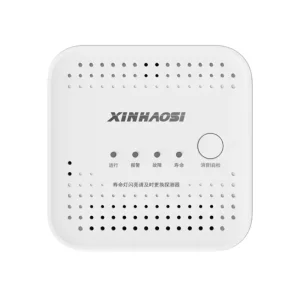


We utilize advanced electronic detection technology to make unknown gas leak risks clear, visible, and manageable. In an industrial landscape characterized by rapid shifts toward automation and hazardous material storage, detecting volatile components before they reach their Lower Flammable Limit (LFL) is critical to preserving life, assets, and continuity.
Founded in 2003, Xinhaosi has established itself as one of the most influential and reliable brands in the gas safety industry. We provide customer-focused products and services to safeguard the safe operation of every factory, the comfort of every city, and the peace and happiness of every home. Powered by cutting-edge production systems, rigorous R&D engineering, and high-accuracy sensing hardware, we deliver more advanced, intuitive, and precise gas safety solutions for shaping a safer future world.
More About UsModern industrial processing, petrochemical refinement, and city gas networks require high-fidelity gas safety architectures. Passive, slow-response sensors are no longer acceptable under stringent regulatory frameworks like ATEX, IECEx, and safety integrity level (SIL) protocols. Our factories have integrated multi-spectral sensing, micro-electro-mechanical systems (MEMS), and low-power IoT networks to convert traditional hazard management into a predictive safety system.
The global gas detection market is undergoing a major evolution, driven by the emergence of hydrogen infrastructure, carbon capture technologies, and smart city infrastructure. Traditional catalytic bead sensors, while robust, are susceptible to poisoning by silicones, sulfur, and lead, leading to catastrophic failure without warning.
To overcome this, modern factories are transitioning toward Non-Dispersive Infrared (NDIR) and Laser-based (TDLAS) detection platforms. Infrared detection offers several key advantages:
Procuring explosive gas detectors requires meticulous verification of technical parameters, functional safety standards, and logistical compliance. Enterprise procurement managers prioritize the following criteria during factory audits:
Global compatibility with explosion-proof standards including IECEx, ATEX Zone 1 & 2, UL/CSA hazardous location classes, and SIL2/SIL3 functional safety verification.
The time it takes for a sensor to output 90% of the actual gas concentration. Premium detectors achieve T90 times of less than 10 seconds for methane and light hydrocarbons.
Seamless communication protocols including 4-20mA analog loops, Modbus RTU (RS485), HART communication, and IoT interfaces such as LoRaWAN and NB-IoT.
Providing precision engineering from the detection source to automated emergency shutoff.
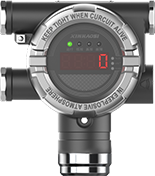
Detection Systems. Safety First from Precision Sensing.
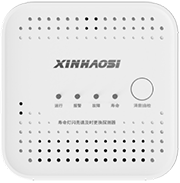
Gas Detectors. Home Safety from Gas Monitoring.
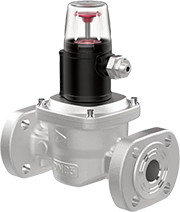
Gas Solenoid Valves. Protecting from the Source.
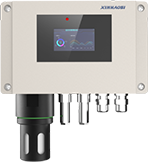
Distribution & Monitoring. Smart Sensing for Urban Gas.
A gas leak is a dynamic event that can escalate to an explosion within seconds. Simply alerting operators is insufficient in modern industrial environments. High-quality factories engineer comprehensive mitigation loops that integrate detection, logic processing, and localized shutoff:
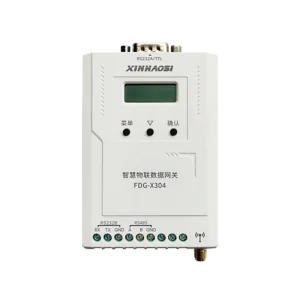
Looking ahead, the gas safety industry is embracing digital transformation. The integration of uncooled infrared imaging technology allows non-contact, long-distance detection of gas plumes, enabling operators to see invisible leaks from hundreds of meters away. Edge computing and localized gateways (such as the OEM FDG-X304 Intelligent Data Gateway) act as local servers to run AI algorithms, filtering out false positives caused by environmental changes, moisture, and dust, while ensuring constant connectivity to plant DCS databases.
Traditional catalytic bead and electrochemical sensors with local alarms and 4-20mA loops. Highly reliant on physical contact with gas leaks.
Adoption of poison-resistant Non-Dispersive Infrared sensors. Digital networks (Modbus, HART) enable remote diagnostic reporting and automated calibrations.
Transition to uncooled infrared gas imaging cameras and smart edge-gateways. Real-time gas hazard visualization, cloud diagnostics, and autonomous emergency interlock networks.
Empowered by technology. Full-chain integration. Comprehensive protection. Shaping the future of safety with intelligent engineering.
Collaborating with top-tier operators to secure industrial facilities across the globe.
























Stay tuned for the latest updates from Xinhaosi and the industry.
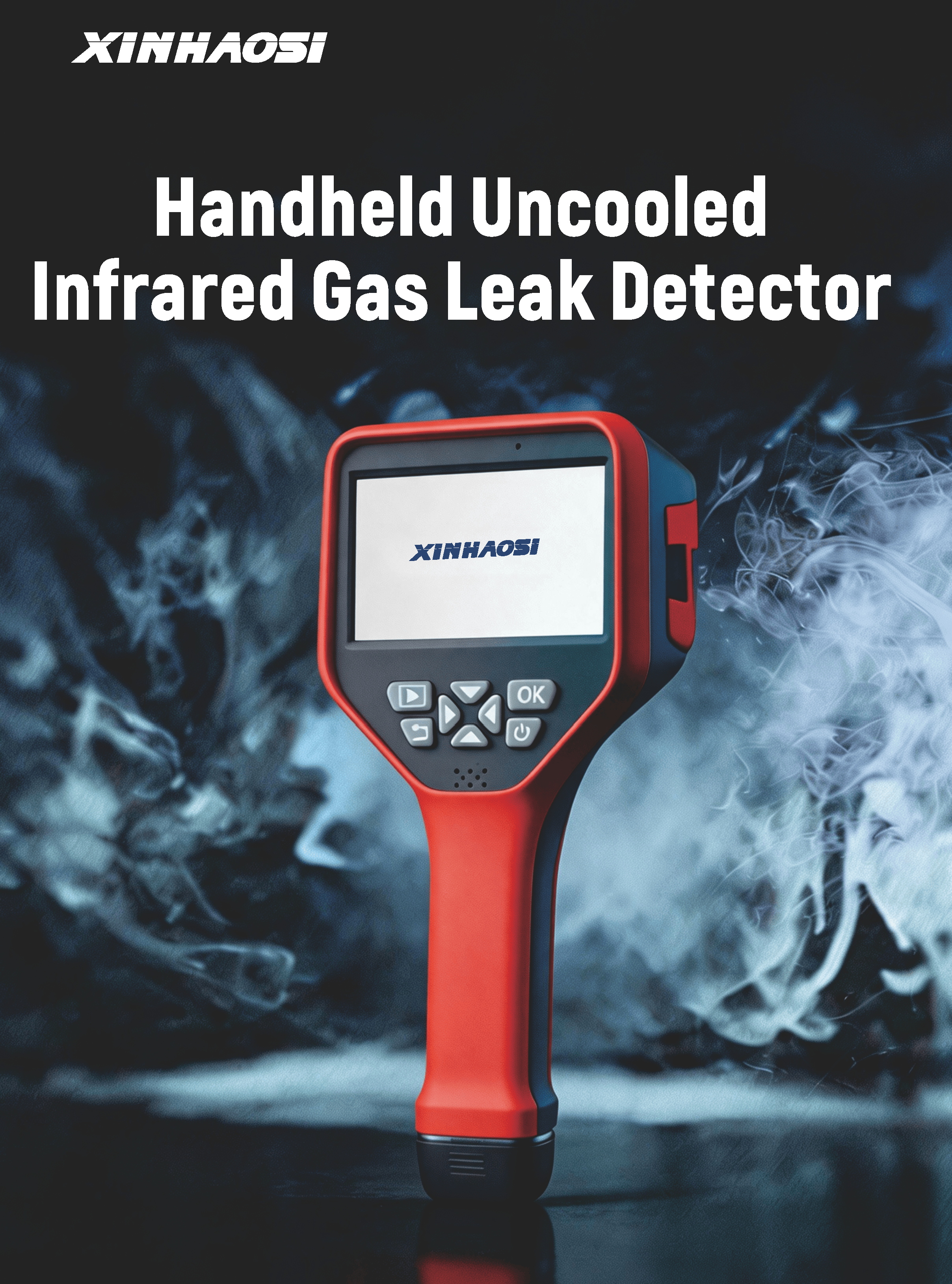
Xinhaosi Electronic Detection Technology Co., Ltd. officially launched its new Handheld Uncooled Infrared Gas Leak Detector, featuring dual-technology fusion, ultra-fast response, and long-distance non-contact detection to enhance safety and efficiency in petrochemical, refrigeration, natural gas and industrial safety scenarios.
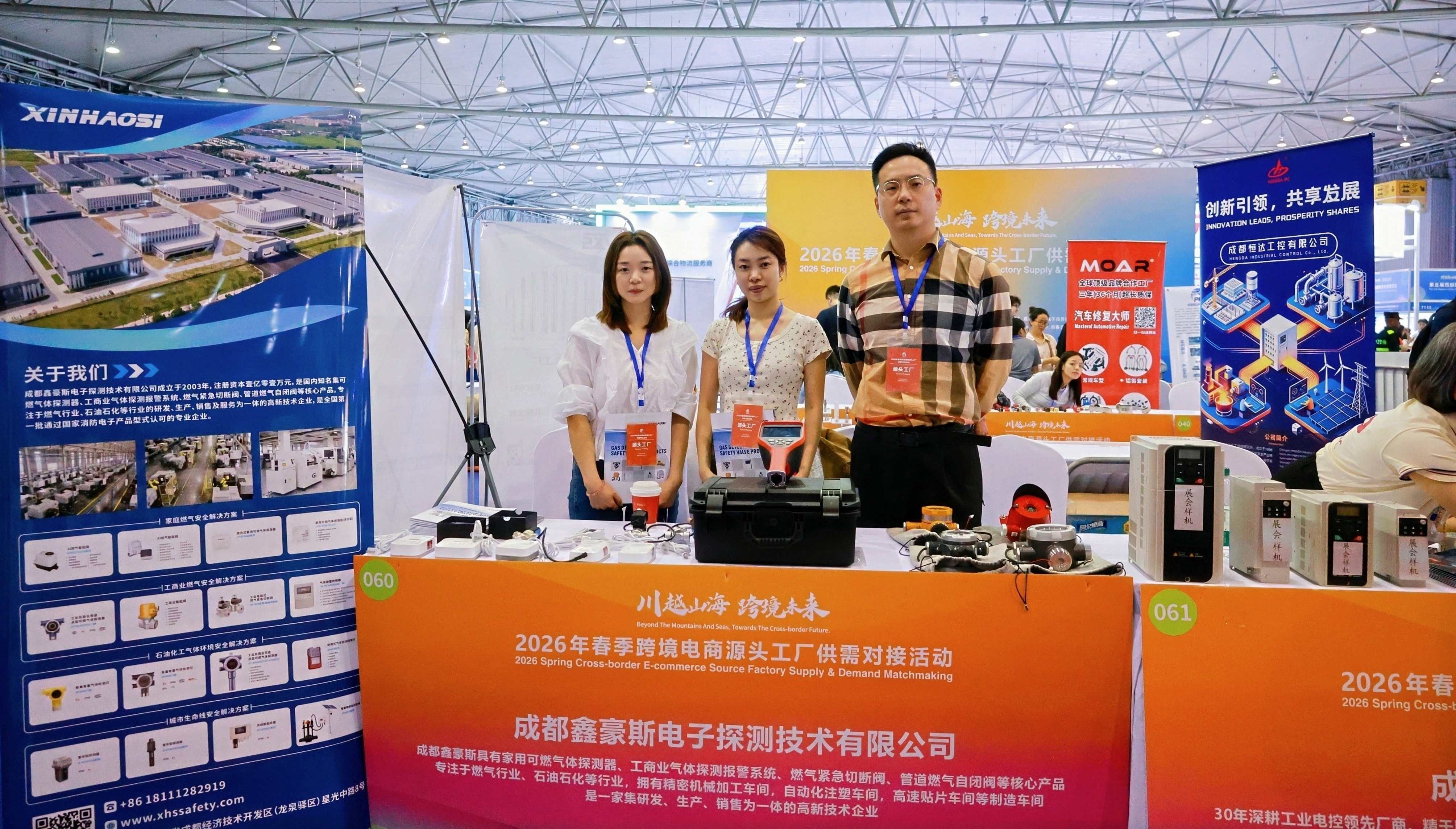
XINHAOSI recently participated in the 5th Western China Cross-Border E-Commerce Expo held in Chengdu. The event brought together cross-border e-commerce platforms, global buyers, manufacturers, and supply chain companies, creating new opportunities for international business cooperation and overseas market development.

XINHAOSI recently participated in the 2026 Sichuan (Chengdu) – Indonesia Industry Matchmaking Conference held in Chengdu. The event gathered enterprises and industry representatives from China and Indonesia to strengthen industrial cooperation and explore new business opportunities in Southeast Asia.
Deploying gas safety systems requires continuous maintenance, periodic calibrations, and technical service support. As an established manufacturer, our factory is committed to supporting engineers and system integrators throughout the entire lifecycles of their installations:
When engineering high-risk zones, relying on uncertified systems poses a threat to plant operations and safety. Working directly with an experienced OEM factory ensures access to critical components, functional safety certifications, and localized engineering support, helping to reduce operational downtime and prevent catastrophic accidents.
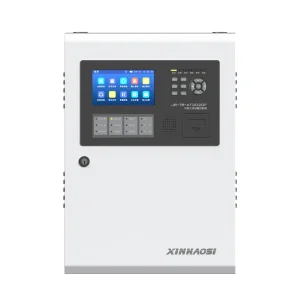
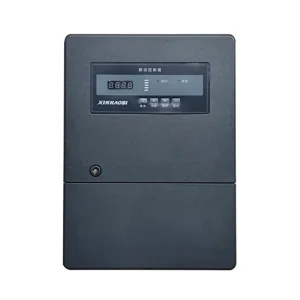
Precision controllers, gateways, and regulators for industrial automation loops.
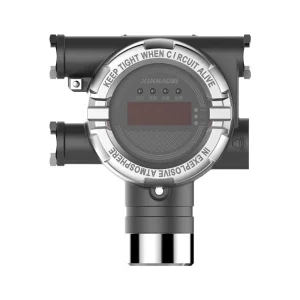
Answering key engineering questions regarding explosive gas detection architectures.
Catalytic bead sensors rely on catalytic combustion to detect combustible gases. While cost-effective, they require oxygen and can be poisoned by silicones, chlorine, and sulfur. Non-Dispersive Infrared (NDIR) sensors measure light absorption, operate without oxygen, resist chemical poisoning, and require less frequent calibration.
Safety Integrity Level 2 (SIL2) certifies that the device's hardware design, diagnostic coverage, and software protocols limit the probability of failure on demand (PFD) to between 0.01 and 0.001. This level of reliability is typically required for high-risk industrial safety loops.
Calibration intervals depend on the sensor type and the operating environment. Catalytic sensors typically require calibration every 3 to 6 months. High-quality NDIR and optical infrared systems can maintain accuracy with verification cycles extended to 12 or 24 months, depending on local regulations.
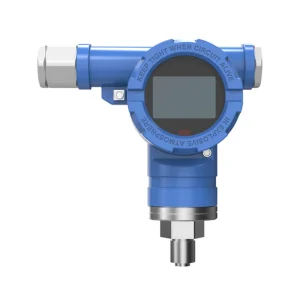
Yes, our industrial gas detectors (such as the GTYQ-AT0503 and GTYQ-XP4000) are engineered with temperature-compensated electronics. They operate in temperatures ranging from -40°C to +70°C, making them suitable for petrochemical facilities and cold-climate LNG storage.
The solenoid valve acts as the final control element in a safety loop. When a detector sends an alarm signal to the controller, the controller cuts power to the solenoid valve, triggering it to shut off the gas flow. This isolates the leak source and helps prevent potential ignition events.
Placement depends on the physical properties of the target gas. Light gases (e.g., methane) tend to rise and should be monitored near ceilings. Heavy gases (e.g., propane, LPG) settle near ground level. Additionally, sensor locations must account for local airflow, potential leak points, and ease of access for maintenance.