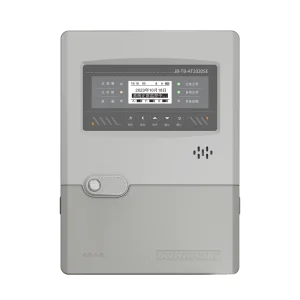
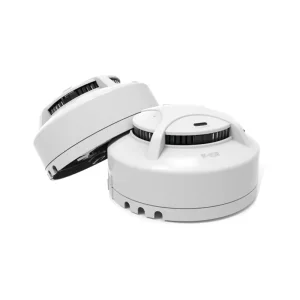
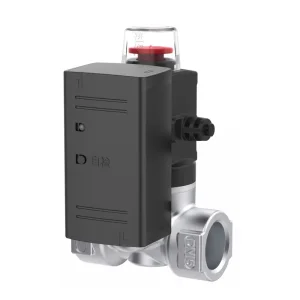
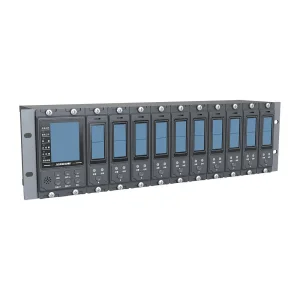
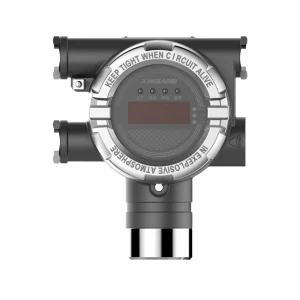
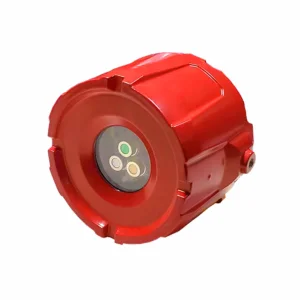
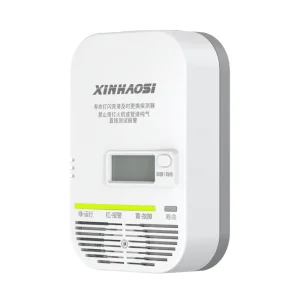
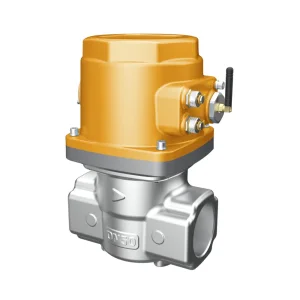
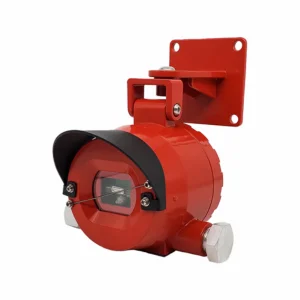
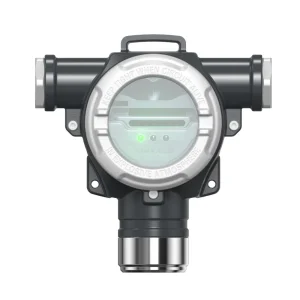
Explore our industrial-grade combustible gas detectors, integrated controllers, and high-performance safety shutdown solenoid valves engineered to work in tandem.

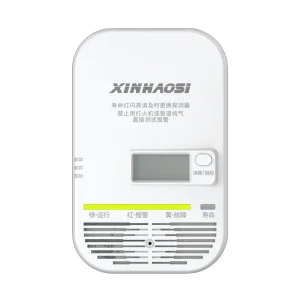
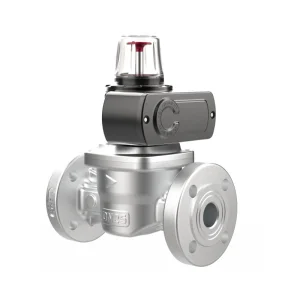
In modern municipal gas distribution grids, large-scale industrial heating complexes, and petrochemical production lines, the control of explosive media is subject to zero-tolerance regulatory frameworks. The 2 Inch Gas Solenoid Valve (nominally denoted as DN50) acts as the crucial gatekeeper. In an emergency event—such as line rupture, toxic gas emission, or downstream fire detection—the valve must complete high-speed isolation in milliseconds.
As leading engineers and safety equipment designers, the objective of this technical report is to examine the fluid dynamic constraints, mechanical structures, coil thermodynamics, and system integrations that define reliable valve design. We analyze these elements through the lens of international compliance standards, including ATEX, IECEx, and China’s national safety directives.
Industrial ecosystems consume trillions of cubic meters of natural gas, liquefied petroleum gas (LPG), and volatile hydrogen-methane blends every year. Operating a 2-inch piping system entails navigating significant kinetic energy. In the event of a downstream pressure drop or sensor alarm, closing a large valve too fast can trigger a kinetic shockwave—commonly known as fluid hammer—which can damage pipeline joints. Conversely, closing the valve too slowly leads to gas accumulation in hazardous areas.
Modern manufacturing plants utilize a balanced design approach. By combining direct-acting solenoid mechanisms with semi-direct lift or pilot-assisted configurations, we construct DN50 valves that balance rapid response time (under 1000 milliseconds) with smooth, vibration-damping closures.
"Reliability under thermal and physical stress is non-negotiable. A premium 2 Inch Gas Solenoid Valve must guarantee low power draw, high coil resistance to thermal aging, and tight bubble-proof seals across millions of operation cycles."
For a DN50 valve port, the force required to seal against gas pressure can be substantial. Engineers select between two primary actuation methods:
Xinhaosi valves utilize a balanced spring-return architecture. We construct the valve body from high-tensile cast aluminum alloys or hot-forged brass to resist external pipe stress, using specialized Viton (FKM) or NBR elastomers designed for low temperatures (-20°C to +60°C).
Our valves are designed to adapt to diverse regional parameters and physical plant environments:
Trustworthy manufacturers prioritize third-party certifications over cost reduction. To meet Google's E-E-A-T criteria, we document our compliance pathways:
Our safety valves conform to international directives such as EN 161 (Automatic shut-off valves for gas burners and gas appliances), FM approvals, and Chinese GB standards. Xinhaosi’s ISO 9001 certified manufacturing facilities conduct 100% helium leakage testing and high-pressure shell durability assessments, ensuring each valve maintains its pressure rating before shipment.
The integration of IoT diagnostics marks the next step in gas safety. Our Research and Development teams are implementing intelligent feedback loops inside the solenoid casing:
Future models will support real-time coil health diagnostic telemetry, predictive failure indicators, and compatibility with clean hydrogen blends (up to 30% H2 admixture). By combining smart gas safety valves with our advanced controller systems, we help facilities move from reactive fire safety protocols to proactive, predictive maintenance strategies.
Explore the design parameters that differentiate our 2-inch industrial valves in high-demand operations.
Ex d IIC T6 certified protection prevents internal electrical sparks from igniting external hazardous atmospheres. Designed for petrochemical processing and refinery floors.
Internal fluid pathways are shaped using computational fluid dynamics (CFD) to maximize the flow coefficient (Cv), minimizing line turbulence and operational pressure drop.
Manual-reset valves require human verification before restarting gas flow. This design step ensures line safety checks occur before the pipe is re-pressurized.
Founded in 2003, Xinhaosi Electronic Detection Technology Co., Ltd. is a leading provider of high-reliability gas safety equipment.
Over more than two decades, Xinhaosi has established itself in the gas safety sector. We design and manufacture comprehensive gas detection networks, intelligent solenoid shut-off systems, and high-performance control panels. Powered by modernized production lines, our products help secure manufacturing facilities, commercial developments, and municipal distribution grids around the globe.
By integrating gas detection technology with automatic emergency shut-off valves, we provide integrated control systems. From field sensor validation to immediate gas shut-off at the source, Xinhaosi remains dedicated to protecting workers and assets worldwide.

Our solutions protect operations across a range of energy providers, utility operators, and commercial builders.






Keep track of our product launches, technological updates, and international trade activities.
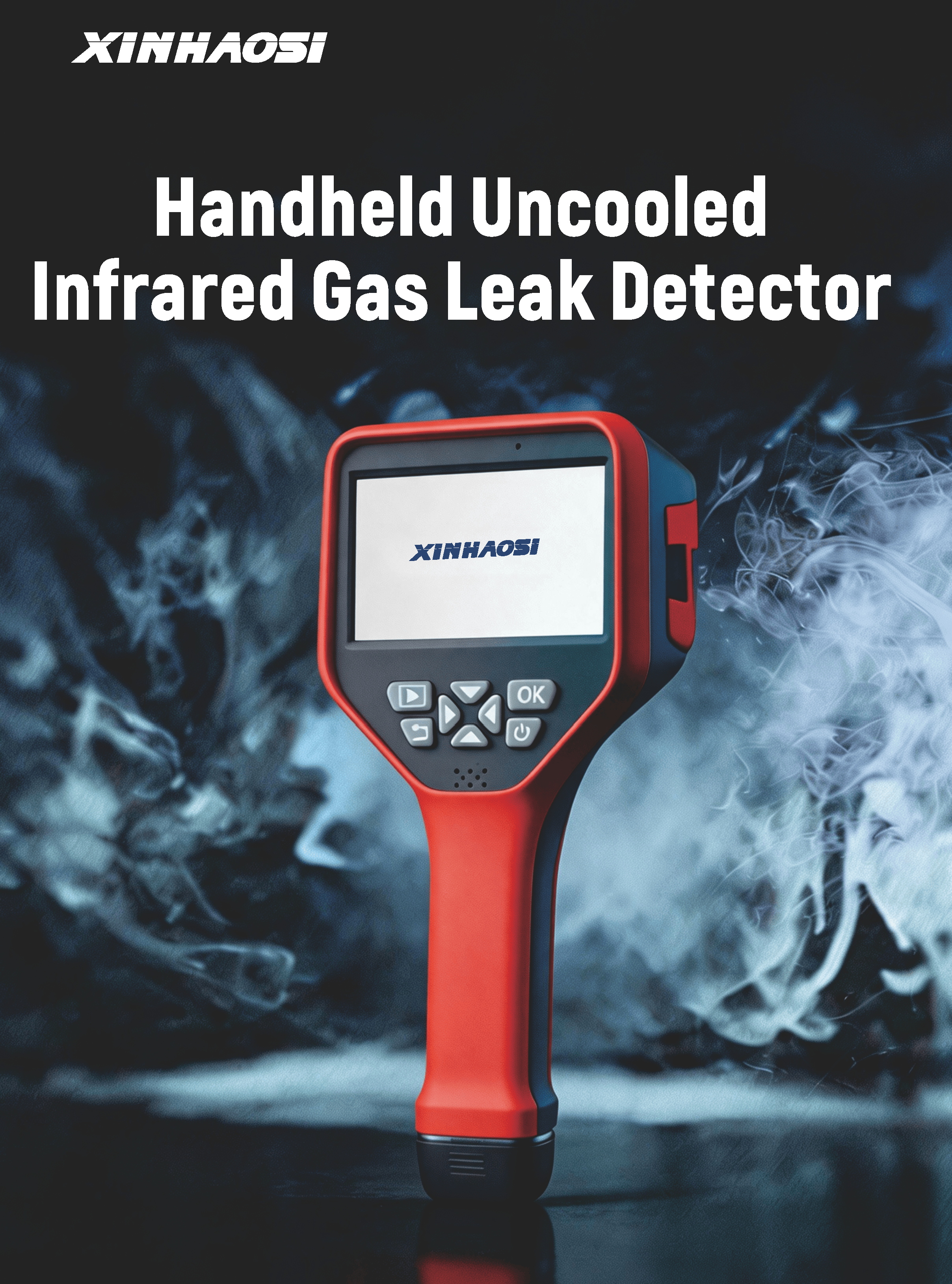
Xinhaosi Electronic Detection Technology Co., Ltd. officially launched its new Handheld Uncooled Infrared Gas Leak Detector, featuring dual-technology fusion, ultra-fast response, and long-distance non-contact detection...
Read Full Article →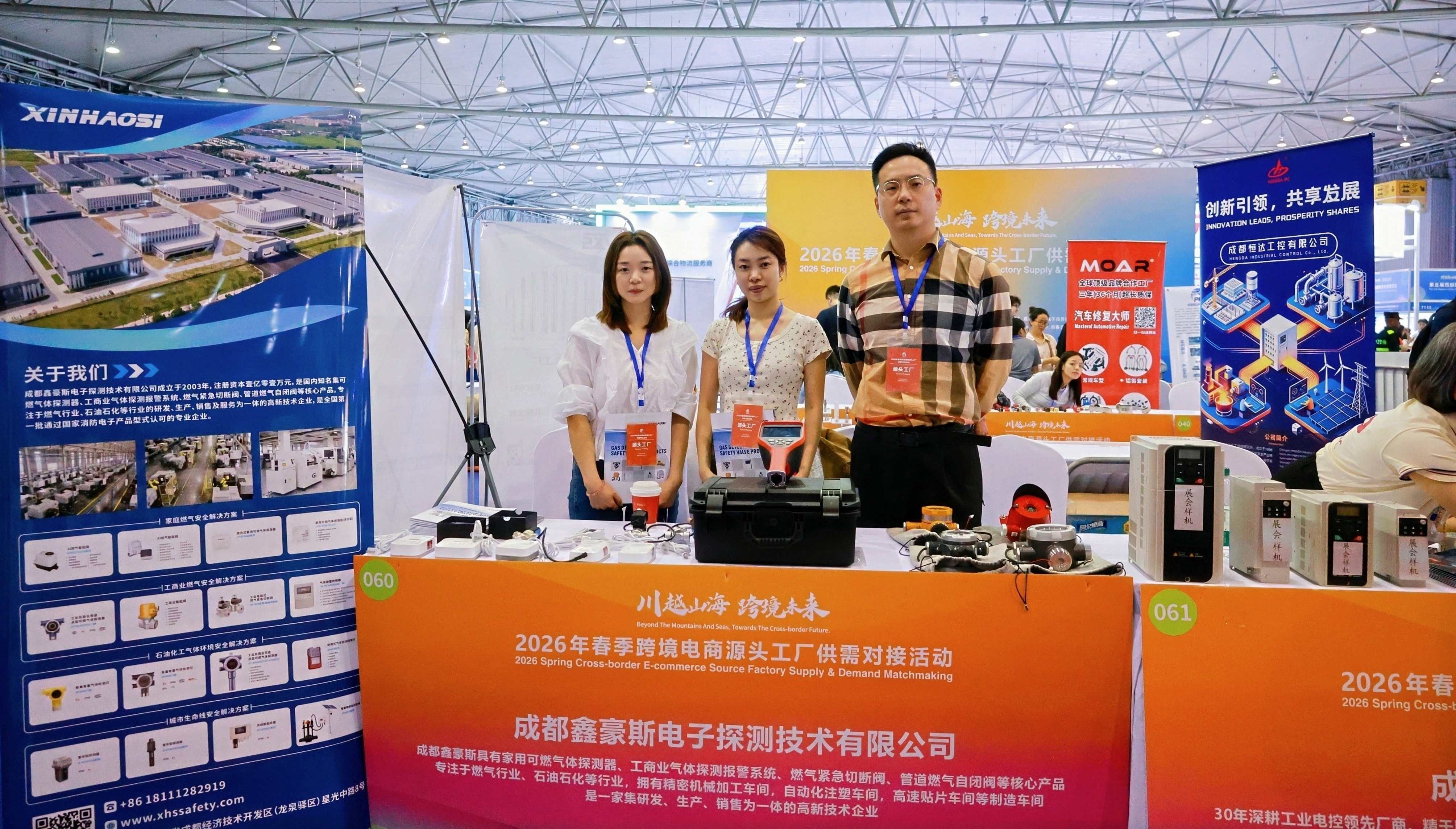
XINHAOSI recently participated in the 5th Western China Cross-Border E-Commerce Expo held in Chengdu. The event brought together international e-commerce platforms, buyers, and manufacturers...
Read Full Article →
XINHAOSI recently participated in the 2026 Sichuan (Chengdu) - Indonesia Industry Matchmaking Conference to strengthen trade partnerships and explore safety solutions markets in Southeast Asia...
Read Full Article →Common questions from design engineers, facility managers, and safety compliance officers regarding our 2-inch solenoid models.
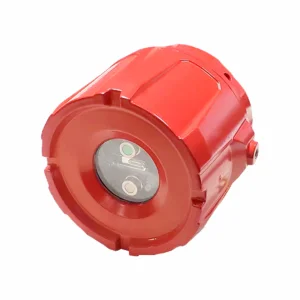
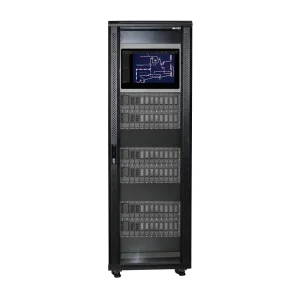
Explore additional components from our gas safety line, including dual IR-UV sensors, smart control panels, and battery-powered safety valves.