As Germany’s second-largest city and its principal industrial heartland, Hamburg presents a highly sophisticated landscape for urban gas distribution. Driven by strict environmental regulations and the federal transition toward hydrogen-based energy networks, local distribution network operators (DNOs)—most notably Gasnetz Hamburg—are redesigning their gas grids for safe, decentralized, and multi-gas operation.
Hamburg’s vast port infrastructure (Hafen Hamburg) and intensive maritime networks demand highly reliable pipeline monitoring. High water tables and heavy vehicle dynamics trigger soil settlement, making structural integrity and micro-leak detection paramount.
With projects like HH-WIN (Hamburg Hydrogen Network) pioneering hydrogen blending, monitoring suppliers must deliver explosion-proof gas safety apparatus certified for hydrogen detection (Group IIC gases) and pressure stabilization.
Compliance with DVGW (German Technical and Scientific Association for Gas and Water) regulations, ATEX Zone 1 & Zone 2 classifications, and German environmental protection laws mandates robust sensing architectures.
Hamburg's commercial footprint is anchored by heavy energy consumers, including steel manufacturers, major chemical refining facilities, and aviation production complexes in Finkenwerder. The distribution grids feeding these operations handle high volumes of natural gas under varying pressure profiles. Disruptions or minor leakages can cause catastrophic production halts and safety crises. Consequently, the local utility sector is rapidly migrating away from manual, schedule-based inspection models toward a digitized, IoT-driven, continuous monitoring architecture.
For specialized suppliers of gas distribution equipment, this presents an urgent opportunity: providing smart, integrated sensing systems that can operate reliably in harsh, humid subterranean environments, transmit data wirelessly over long distances, and operate autonomously on long-life battery modules in classified hazardous areas.
Globally, the smart gas grid market is undergoing a rapid evolution. Fueled by national net-zero pledges and international clean-air initiatives, modern smart gas networks must act as predictive systems rather than reactive safety mechanisms. Leading engineering hubs are integrating advanced sensors that can pinpoint gas release concentrations down to parts-per-million (ppm) scales, preventing the accumulation of explosive clouds long before traditional Lower Explosive Limit (LEL) alarms are triggered.
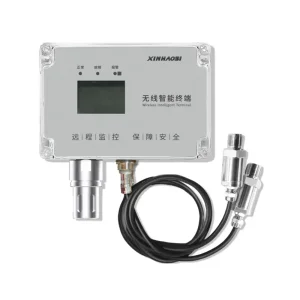
Historically, sub-surface gas chambers, utility shafts, and municipal chambers have been difficult to wire for power and communications. The industry-wide adoption of wireless protocols such as LoRaWAN, NB-IoT (Narrowband IoT), and LTE-M has resolved this challenge. Modern underground monitors are now capable of remaining in standby mode for 5 to 10 years on internal lithium-thionyl chloride batteries, transmitting pressure values, gas concentration metrics, and diagnostic status messages twice daily or instantly upon threshold breach.
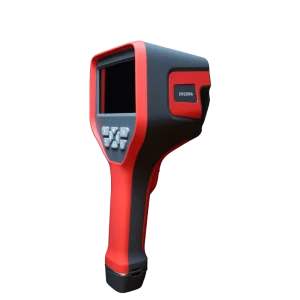
In industrial settings such as maritime distribution pipelines, traditional catalytic combustion sensors suffer from poisoning due to silicones, hydrogen sulfide, and halogenated compounds. The industry is moving swiftly toward Non-Dispersive Infrared (NDIR) and uncooled handheld infrared gas leak detectors (such as the IR-2610). These sensors analyze specific spectral absorption bands, enabling long-range, contact-free verification of gas plume locations, accelerating routine grid inspections, and maximizing work safety.
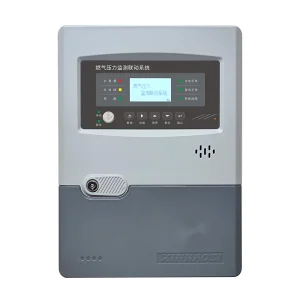
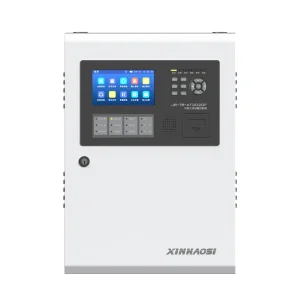
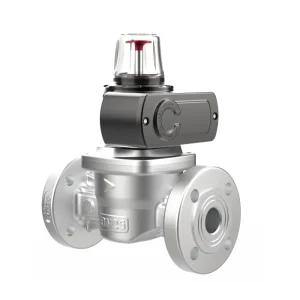
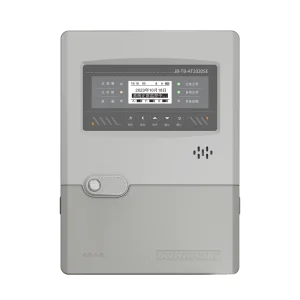
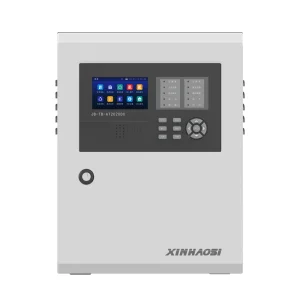
Sensing without automated intervention is a partial safety loop. Modern distribution grids incorporate quick-acting, low-power solenoid safety valves (such as the KT-XF5 industrial solenoid valves) directly connected to control units (such as the JB-TB series). In the event of a catastrophic main rupture or high-pressure anomaly, these systems automatically execute emergency closure sequences without operator latency.
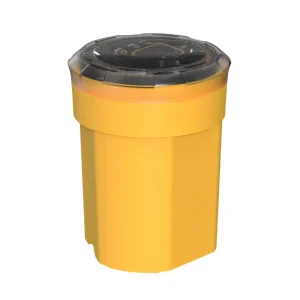
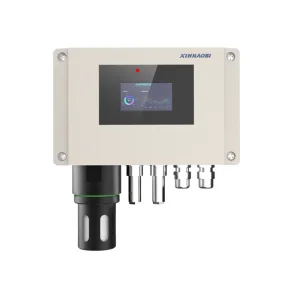
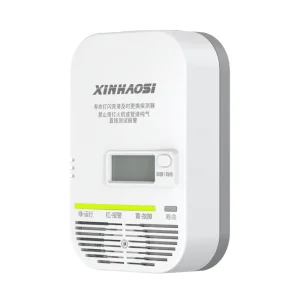
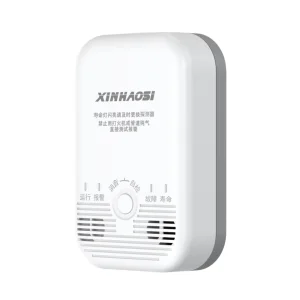
In historical urban districts like Hamburg Altstadt, utility networks (water, gas, district heating, and high-voltage power lines) run in close proximity within crowded subterranean concrete shafts. A leak in a municipal gas pipe can cause migration through soil and concrete cracks, leading to gas accumulation in surrounding building basements. By implementing underground shaft combustible gas monitoring devices (like the AT0605 / GT-AT0616 Series), municipal operators can continuously monitor the atmosphere within these shafts, utilizing cellular networks to stream safety diagnostics directly to central utility SCADA systems.
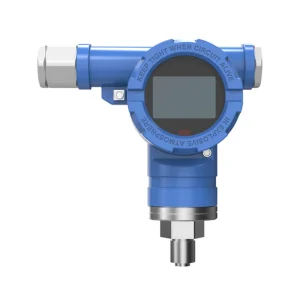
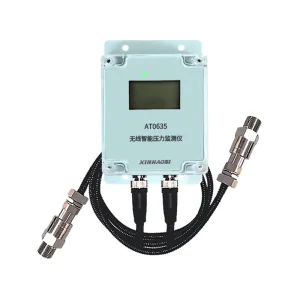
The industrial zones surrounding the Port of Hamburg handle large-scale chemical processing and LNG bunkering. Heavy machinery, maritime cranes, and thermal fluctuations impose severe mechanical stresses on adjacent pipelines. High-precision pressure transmitters (such as the XCS-P3051) installed at high-pressure regulator stations track localized drop curves to identify micro-fractures in real-time, allowing proactive replacement before pipeline failure occurs.
Upgrading municipal sensor elements with specialized catalytic bead and electrochemical elements capable of measuring varying hydrogen/natural gas blends without sensitivity degradation or drift.
Deploying dual-frequency (LoRaWAN & NB-IoT) low-power transmitters across all underground chambers to guarantee message delivery even through reinforced concrete street covers.
Integrating localized gas pressure curves, ambient humidity, and temperature data using cloud-based machine learning models to predict pipe corrosion levels and mechanical stress failures.

Founded in 2003, Xinhaosi is one of the most influential and reliable brands in the gas safety industry. We utilize advanced electronic detection technology to make unknown gas leak risks clear and visible. We provide customer-focused products and services to safeguard the safe operation of every factory, the comfort of every city, the peace and happiness of every home. Powered by cutting‑edge production systems and technology, we deliver more advanced, intuitive, and precise gas safety solutions for shaping a safer future world.
Connect With Our SpecialistsEmpowered by technology, full-chain integration, and comprehensive protection. We shape a safer urban future using intelligent gas monitoring hardware, custom control consoles, and automated response valves.
Safety-focused sensing networks designed to secure maritime transport and heavy manufacturing facilities.
Commercial and residential-grade explosive gas warning sensors for complete end-user coverage.
Fast-acting isolation shutoff valves acting directly at the pipeline distribution source.
Smart subterranean telemetry platforms transmitting safety metrics to grid operator terminals.






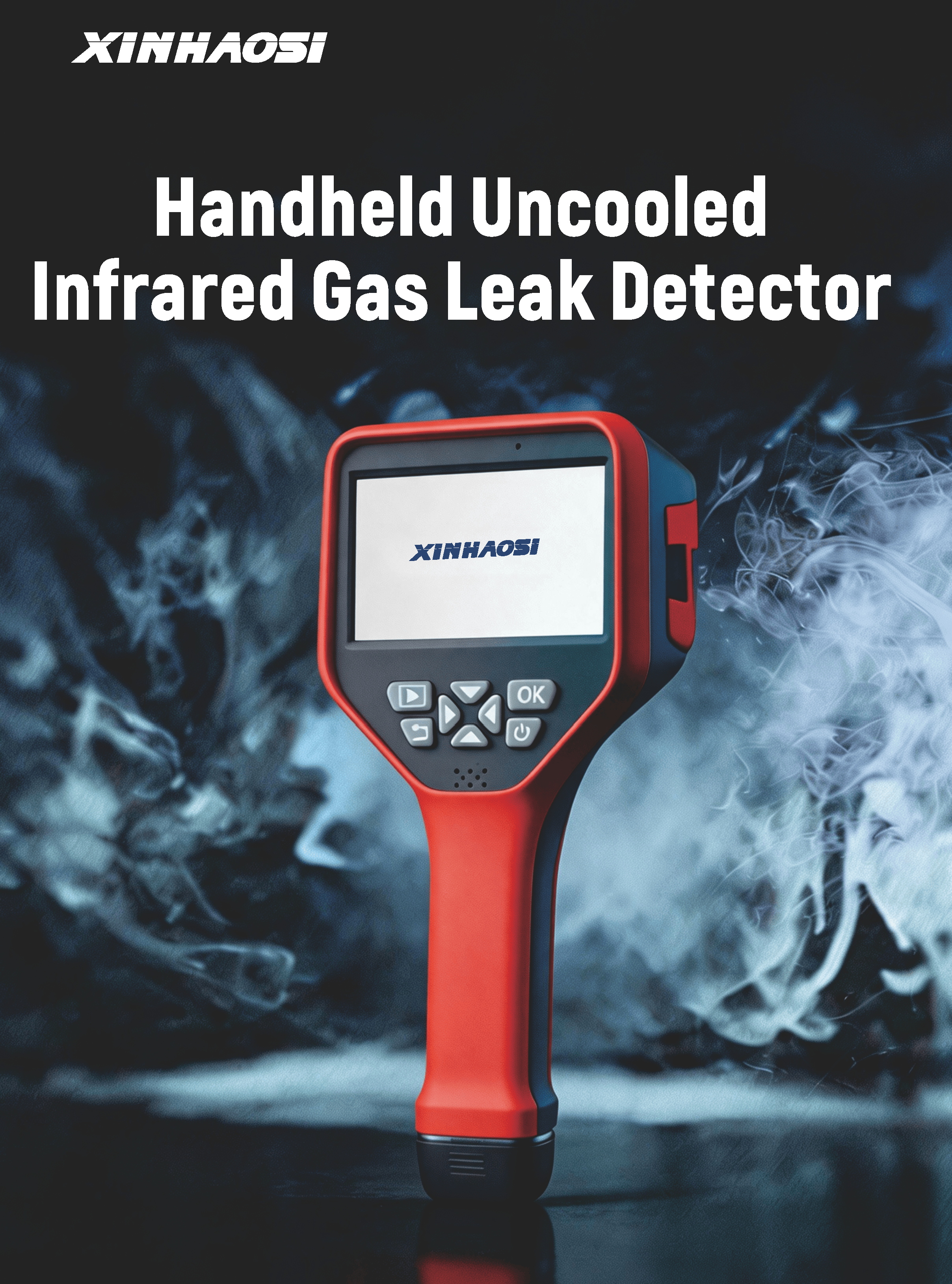
Introducing the new Handheld Uncooled Infrared Gas Leak Detector, featuring dual-technology fusion, ultra-fast response, and long-distance non-contact detection to enhance safety and efficiency in petrochemical, refrigeration, natural gas and industrial safety scenarios.
Read More →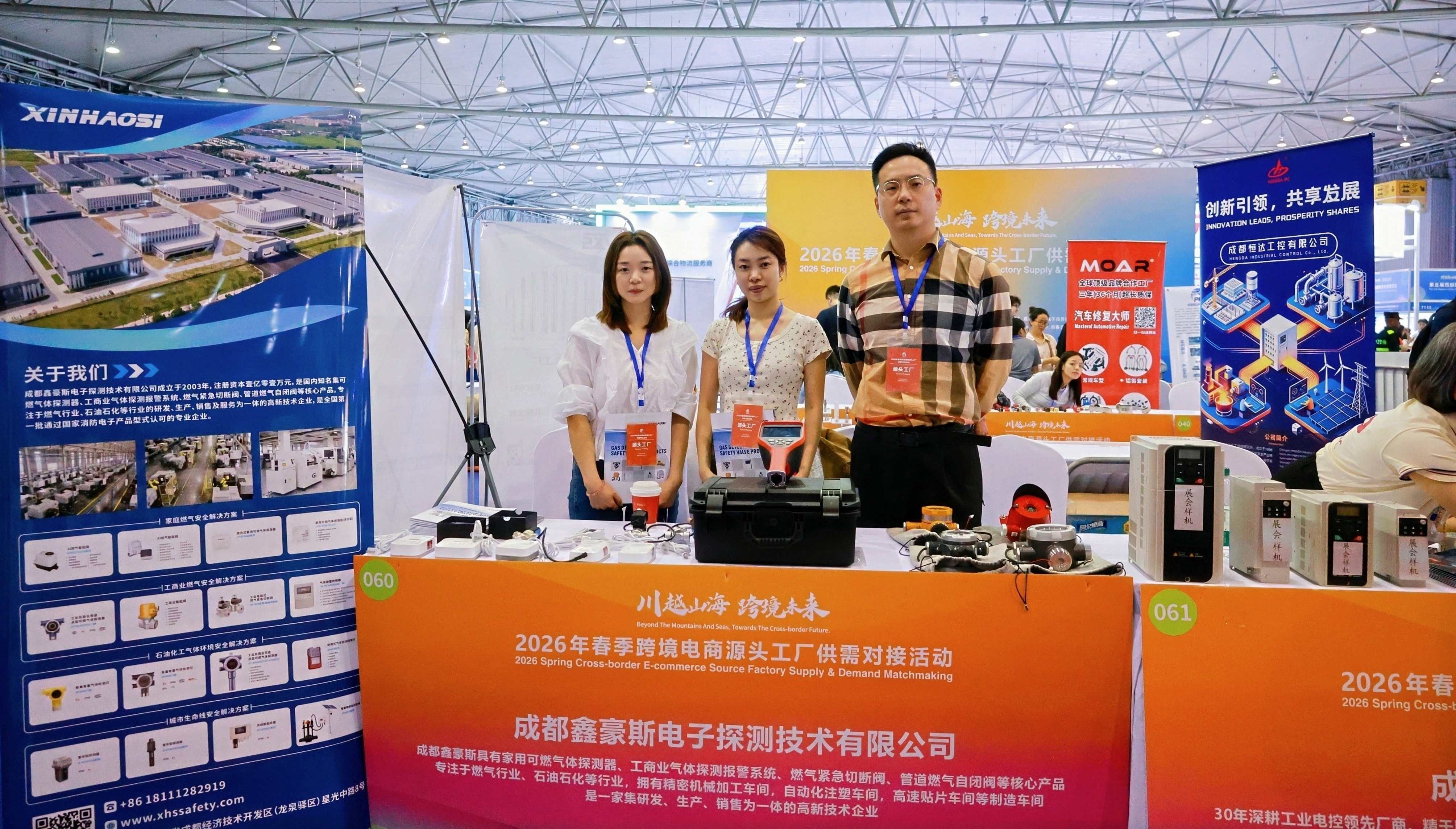
XINHAOSI recently participated in the 5th Western China Cross-Border E-Commerce Expo held in Chengdu. The event brought together global buyers, manufacturers, and supply chain companies, creating new opportunities for international business cooperation.
Read More →
XINHAOSI participated in the 2026 Sichuan (Chengdu) – Indonesia Industry Matchmaking Conference held in Chengdu. The event gathered enterprises and industry representatives to strengthen industrial cooperation and explore new opportunities in Southeast Asia.
Read More →Consult with our engineering team for customized ATEX-compliant pressure transmitters, wireless IoT gas monitors, and industrial solenoid valve solutions matching Hamburg's municipal specifications.
Send Inquiry Now