Intelligent, explosion-proof, and high-precision monitoring devices deployed at critical nodes of natural gas distribution grids.
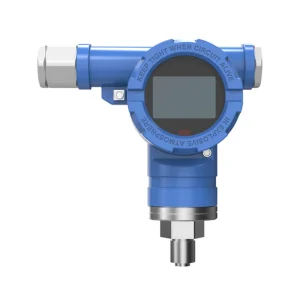
Class I Div 1 compliant differential pressure transmitter designed for precise municipal gas flow calculations and main pipeline telemetry.
View Technical Specs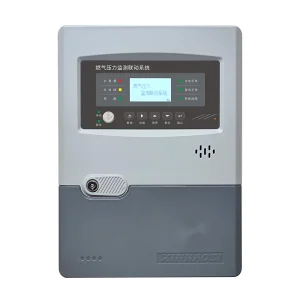
Integrated controller unit with real-time digital display for gate station regulation and automatic solenoid valve interlocking.
View Technical Specs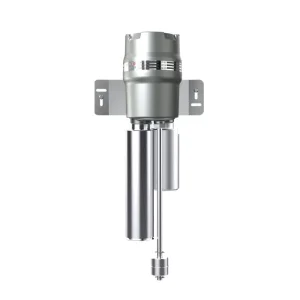
Ultra-low power monitoring unit engineered specifically for deep manholes, valve pits, and underground chambers prone to methane buildup.
View Technical Specs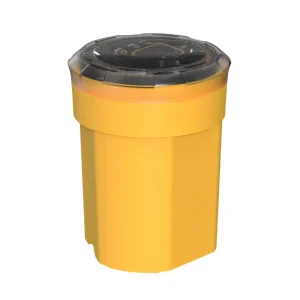
IP68-rated waterproof gas sensing device with extended battery lifespan for harsh underground urban utility shafts.
View Technical SpecsThe Greater Toronto Area (GTA) sits atop one of the most complex urban utility distributions networks in North America. Managed under stringent municipal codes and provincial energy frameworks, Toronto’s natural gas network must deal with extreme temperature swings, going from humid +35°C summers down to sub-zero -25°C winters. This thermal cycling induces substantial physical stress on pipelines, flanges, and joints, escalating the risk of micro-fractures and subsequent methane leaks.
Consequently, regional gas distributors like Enbridge Gas and local municipal energy authorities are progressively migrating from manual inspection protocols toward continuous, real-time wireless monitoring topologies. The demand is concentrated on highly reliable, intrinsically safe pressure transmitters, wireless intelligent terminals, and specialized underground shaft detectors that can withstand high moisture, salt fog erosion from winter road treatments, and volatile explosive environments.
Positioning of IP68 combustible gas detectors in deep valve pits and transmission junctions.
Configuring smart pressure transmitters with NB-IoT, LoRaWAN, or LTE-M networks to transmit readings through concrete covers.
Consolidating field variables into centralized control systems to enable automated safety valve shut-offs.
A holistic framework engineered to safeguard public networks, commercial zones, and residential facilities from leakage anomalies.
Monitoring volumetric flow rates and operational pressure differentials using high-precision XCS-P3051 transmitters. Helps utilities balance pressure profiles across high-pressure transmission networks down to low-pressure local grids.
Employing GT-AT0616 detectors combined with wireless nodes to guarantee safety in underground valve pits. The systems dynamically alert dispatchers of methane gas build-up prior to field crew ingress, satisfying strict OSHA regulations.
Securing large parking garages and high-density high-rise towers in Downtown Toronto using carbon monoxide and methane detection relays connected to automated HVAC vents and solenoid shut-offs.
Founded in 2003, Xinhaosi has established itself as one of the most influential and reliable brands in the global gas safety sector. We utilize advanced electronic detection technology to make unknown gas leak risks clear, visible, and actionable.
By delivering customer-focused products and custom OEM/ODM solutions, we defend the safe operations of heavy industrial plants, optimize the safety envelope of urban grids, and protect residential housing developments globally. Supported by state-of-the-art production environments, our systems bring unprecedented safety monitoring to standard utility ecosystems.

Operating in the Toronto gas market demands absolute adherence to provincial safety acts administered by the Technical Standards and Safety Authority (TSSA). In addition, all sensing machinery must undergo thorough testing to conform to CSA (Canadian Standards Association) requirements, especially CSA C22.2 No. 152 for combustible gas detection.
Our manufacturing pathways integrate strict physical testing for explosive environments (Class I Division 1 Groups B, C, and D). This ensures that any wireless pressure monitors or handheld detectors deployed under cold Canadian winter conditions can execute gas detection routines safely without becoming ignition sources themselves.
Providing essential localized safety across homes, public buildings, and commercial facilities in Ontario.
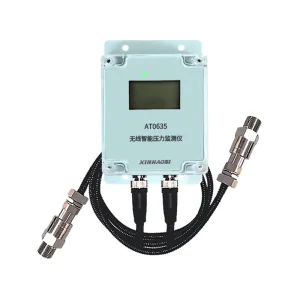
Continuous pressure level logging and low-power IoT telemetry system optimized for district heating lines.
View Technical Specs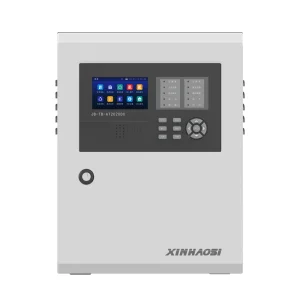
A high-density terminal interface controlling multiple remote sensing nodes in large commercial environments.
View Technical Specs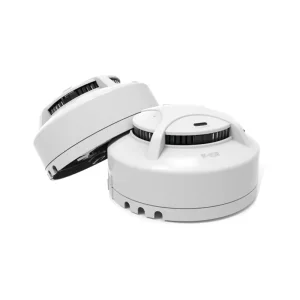
Heavy-duty carbon monoxide sensor for indoor parking garages, ensuring automated ventilation activation upon hazard detection.
View Technical Specs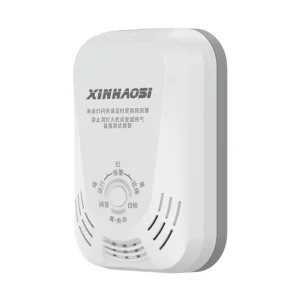
Highly aesthetic, consumer-friendly residential wall-mount sensor for detecting methane, propane, and butane leaks.
View Technical SpecsOur state-of-the-art production facility leverages modern automation to achieve high production yields without compromising safety standards. By operating fully digitalized SMT lines, automated environmental test chambers, and precision gas-calibration systems, we secure repeatability and precision across every sensor node.
Through extensive component integration and robust material sourcing pipelines, we mitigate typical supply chain disruptions. This enables us to maintain shorter lead times for large municipal orders in Canada, providing reliable, cost-effective safety monitoring devices that match or exceed domestic manufacture metrics.
Every transmitter is subjected to rigorous pressure cycle testing and multi-point calibration prior to packaging.
Offering custom OEM branding, communication protocols (HART, Modbus, LoRa), and structural shell adjustments.
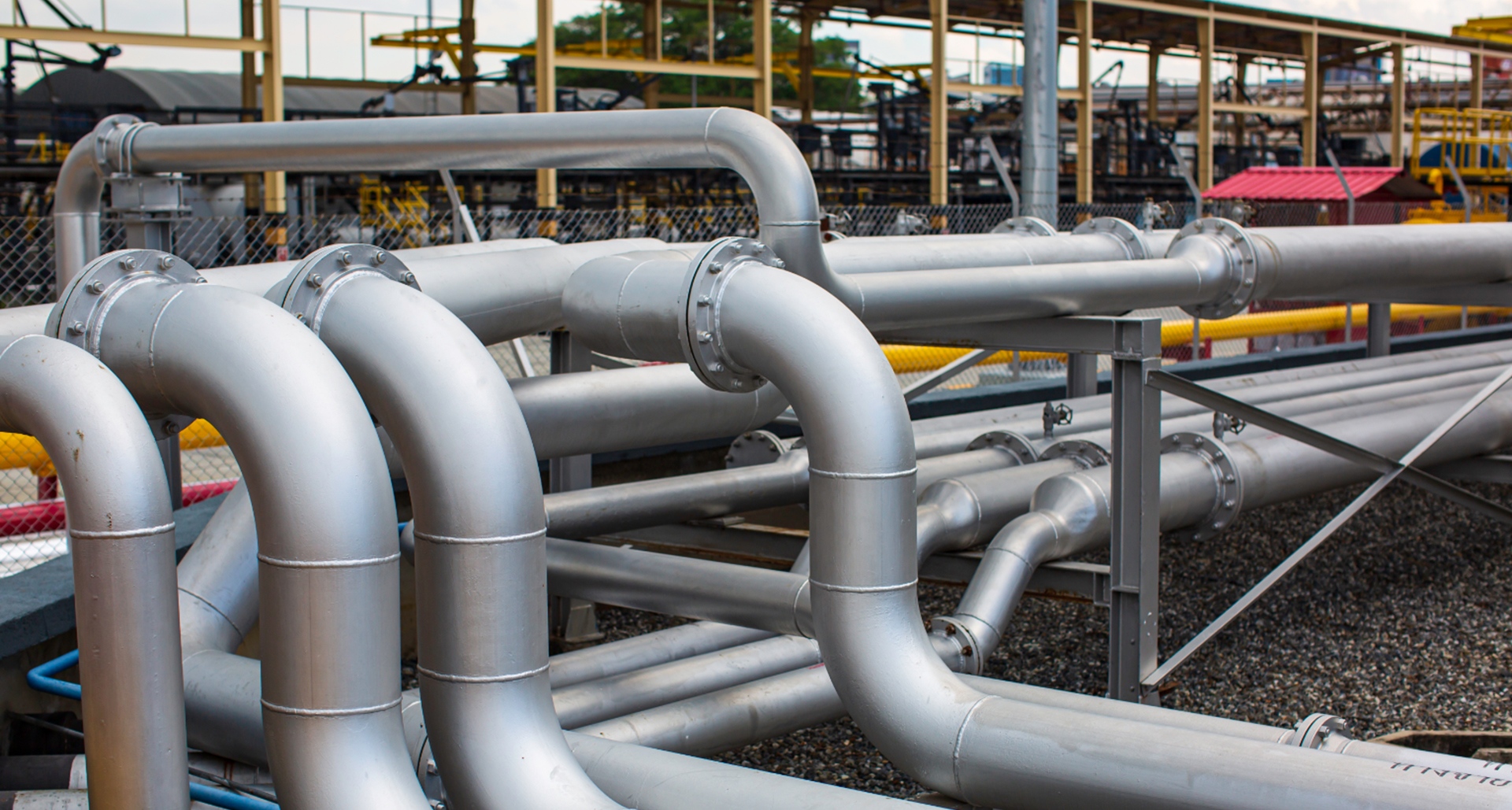
Key checkpoints for evaluating global manufacturers to ensure compliance and robust long-term operations.
Long-term calibration drift requires manual maintenance, increasing cost of ownership. Seek suppliers offering catalytic and infrared elements with annual drift metrics under ±2% LEL.
Verify structural enclosures feature low-temperature-tolerant gaskets and polymer components that do not degrade or crack at -40°C.
Ensure the devices integrate seamlessly with standard industrial RTUs and SCADA systems using native Modbus RTU or 4-20mA current loops.
Explore our wide selection of certified monitoring hardware for robust utility grid deployments.
Intelligent, battery-powered pressure tracking sensor featuring remote data transmission protocols for regional pipelines.
View Technical Specs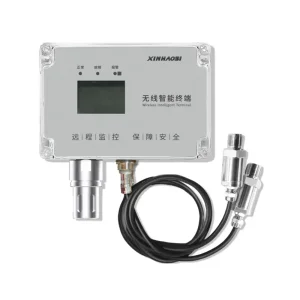
Industrial terminal gateway designed for edge data aggregation and protocol conversion in remote monitoring zones.
View Technical Specs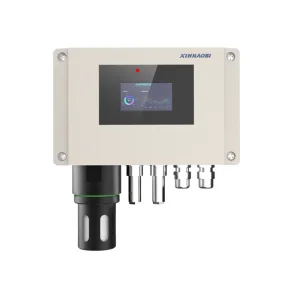
Robust field pressure monitor featuring an integrated LCD screen and a rugged enclosure certified for harsh weather.
View Technical Specs
IP68-rated heavy industrial methane gas detection instrument optimized for humid subterranean chambers.
View Technical Specs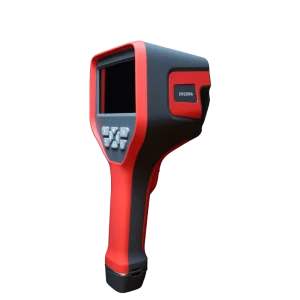
Uncooled infrared optical imaging detector for fast, long-distance detection of fugitive emissions from pipelines.
View Technical Specs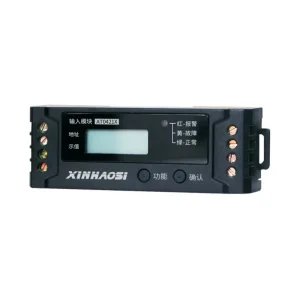
Flexible remote sensor input hub for aggregating telemetry signals from multiple passive switches and meters.
View Technical Specs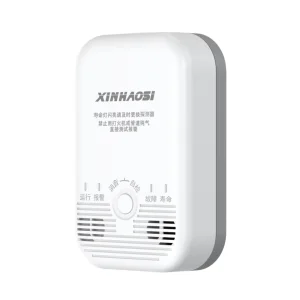
Reliable residential safety detector featuring integrated audible and visual alarms to signal potential indoor gas leaks.
View Technical Specs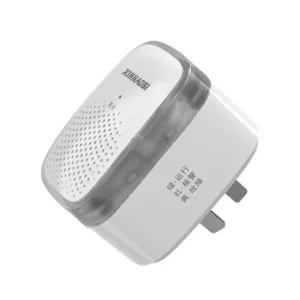
Compact household detector optimized for easy installation near gas stoves, furnaces, and domestic utilities.
View Technical SpecsWe work closely with global utility suppliers, system integrators, and engineering firms to maintain gas safety standards.






Stay up to date with the latest technology rollouts and international exhibition news from Xinhaosi.
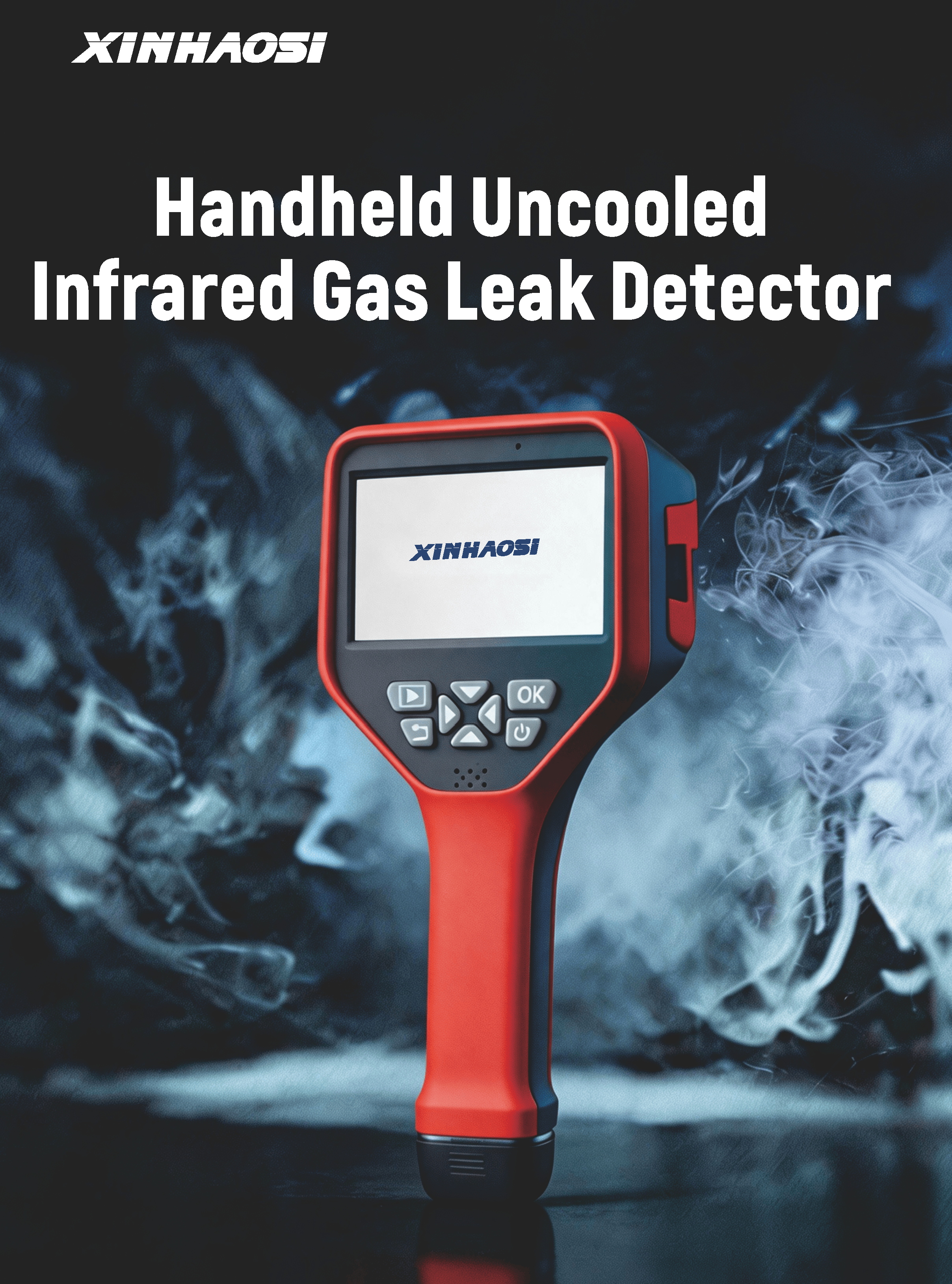
Our newly developed portable uncooled infrared gas leak detector is engineered to help operators pinpoint minor fugitive emissions from safe distances, improving safety profiles in demanding utility areas.
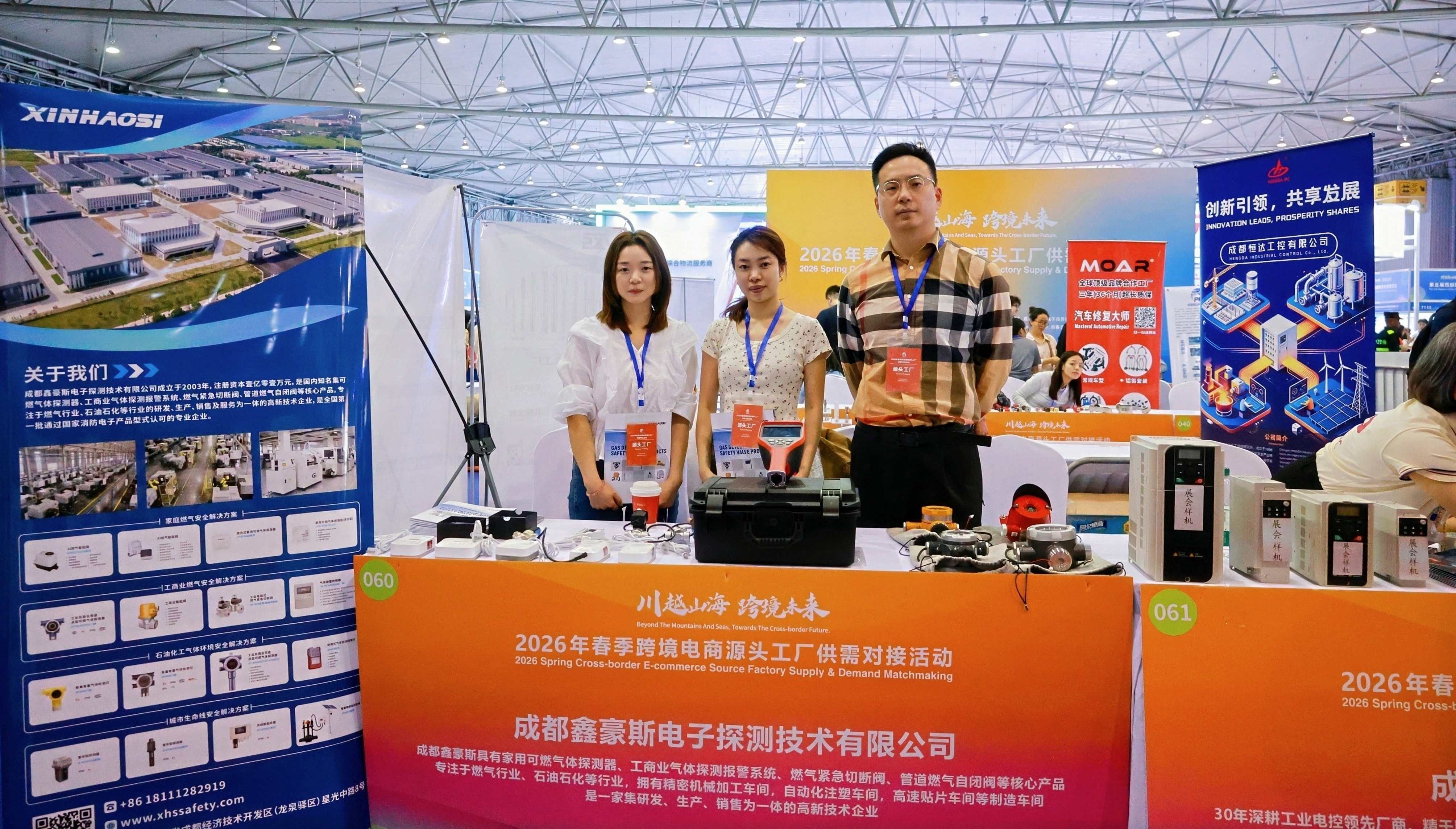
During the recent international trade event, we showcased our new range of smart wireless pressure sensors, networking with overseas engineering distributors to expand our supply chain presence across North American markets.

Xinhaosi continues to expand its footprint in Asia-Pacific markets, establishing localized service networks to provide commercial and industrial clients with tailored, responsive support.
Detailed technical answers for utility engineers, procurement specialists, and HVAC integration professionals.
Electrochemical sensors can experience slowed chemical reactions at temperatures below -20°C, leading to slightly longer response times. To combat this, our outdoor transmitters utilize integrated temperature compensation circuits. Additionally, we recommend infrared (NDIR) or catalytic combustion sensors for critical pipeline monitors to maintain consistent response speeds throughout the winter.
Concrete and earth can significantly attenuate high-frequency signals. To ensure reliable communication, our wireless smart pressure monitors support low-frequency NB-IoT and LTE-M protocols. If needed, we also supply remote external high-gain antennas that can be routed through shaft vent pipes to transmit directly to municipal networks.
Our wireless units utilize highly efficient power-management circuits and high-capacity lithium thionyl chloride batteries. Depending on transmission intervals (e.g., sending data once every 4 hours), the batteries can provide up to 5 to 8 years of continuous field operation before replacement is needed.
Yes. Our industrial receivers and controllers support standard protocols, including Modbus RTU/TCP, HART, and 4-20mA analog interfaces. This makes it easy for integration engineers to connect our safety devices to major SCADA networks without requiring custom interface development.
Our quality assurance process includes automated calibration, zero-drift analysis, and pressure-boundary testing. Every explosion-proof sensor housing undergoes static flamepath tests to verify it can successfully contain internal ignition without propagating explosions to the external environment.
Contact our engineering consultants to receive technical details, 3D drawings, and bulk pricing options.