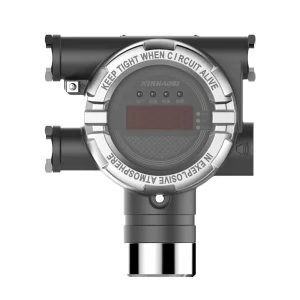
Engineered to perform in Chicago's extreme sub-zero winters, these core sensor and transmitter lines secure the urban distribution perimeter against temperature-induced pipeline failures and critical pressure drops.
Chicago, as a critical North American logistics hub, hosts a vast web of subterranean natural gas distribution pipelines. These networks navigate dense metropolitan corridors, crossing rivers, utility subways, and historical transport channels. However, the region’s extreme climate, characterized by severe sub-zero winter temperatures, places immense thermal stress on pipe metallurgy, valve assemblies, and pressure control configurations. Freeze-thaw cycles compromise subterranean sealing elements, amplifying the risk of methane migration into underground utility vaults and shafts.
Furthermore, Chicago's manufacturing zones, such as the Calumet Industrial Corridor, demand highly stable gas flow inputs. Fluctuations or unchecked pressure drops in high-pressure distribution loops can stall industrial combustion systems, resulting in operational downtime. By deploying advanced wireless gas transmitters and real-time smart monitoring devices, municipal networks and private energy operators can mitigate risks before leakages reach explosive concentrations.

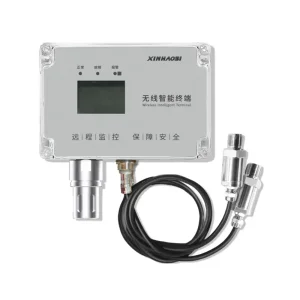
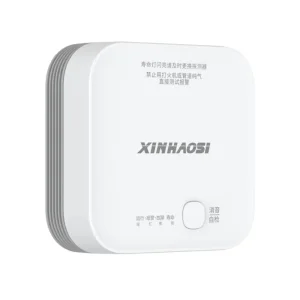
Our proprietary low-power wireless telemetry nodes are tailor-made for decentralized urban pipeline monitoring, ensuring consistent pressure and combustible gas status reporting without massive local power infrastructure.
Transitioning from periodic manual audits to fully automated edge monitoring networks ensures complete oversight of metropolitan distribution points.
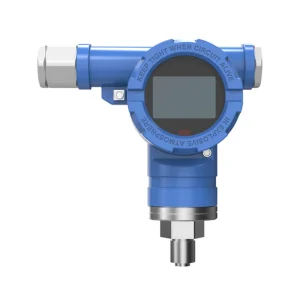
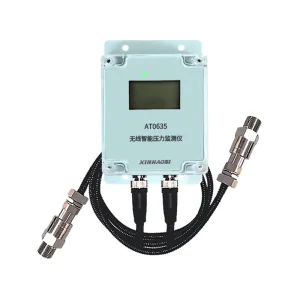
Next-generation pressure transmitter controllers employ digital microprocessors to process sensor inputs locally, executing real-time algorithms to diagnose fluctuations and pipeline blockages instantly.
By leveraging NB-IoT, LoRaWAN, and LTE-M protocols, devices operate uninterrupted on standard batteries for over 5 years, delivering telemetry through cast-iron utility shaft access covers.
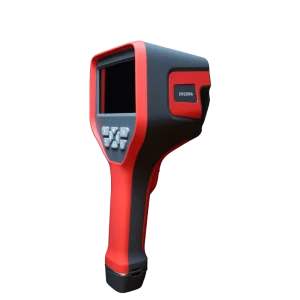
Infrared gas leak detectors combine optical path dispersion correction and micro-bolometer sensors to detect minimal combustible levels from distances up to 50 meters, eliminating contact hazards.

Founded in 2003, Xinhaosi is one of the most influential and reliable brands in the gas safety industry. We provide customer-focused products and services to safeguard the safe operation of every factory, the comfort of every city, the peace and happiness of every home. Powered by cutting‑edge production systems and technology, we deliver more advanced, intuitive, and precise gas safety solutions for shaping a safer future world.
Our product architecture bridges safety gaps from regional distribution pipelines directly to end-use commercial furnaces and heavy manufacturing facilities.
Municipal distribution stations monitor raw grid intake pressures. Our smart pressure transmitters are deployed at city gates, district regulator stations, and pressure-reduction loops, alerting central SCADA systems of line stress or sudden drops indicating pipeline rupture.
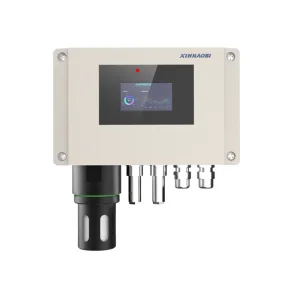
Methane is lighter than air, but underground leaks flow along structural paths of least resistance. Intrinsically safe monitors installed in telecommunications tunnels, water vaults, and electrical shafts flag accumulating combustible gases long before traditional above-ground checks catch the hazard.
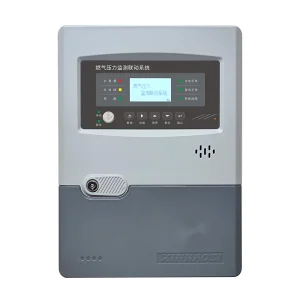
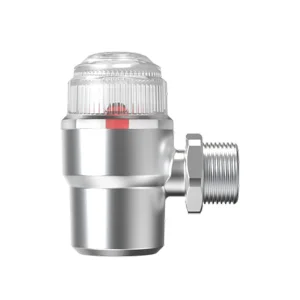
For heavy manufacturing and processing plants, integrated systems link combustible sensors with fast-acting solenoid valves. If gas concentration exceeds safety thresholds, the alarm controller triggers an automatic isolation valve, cutting off gas at the facility entrance.
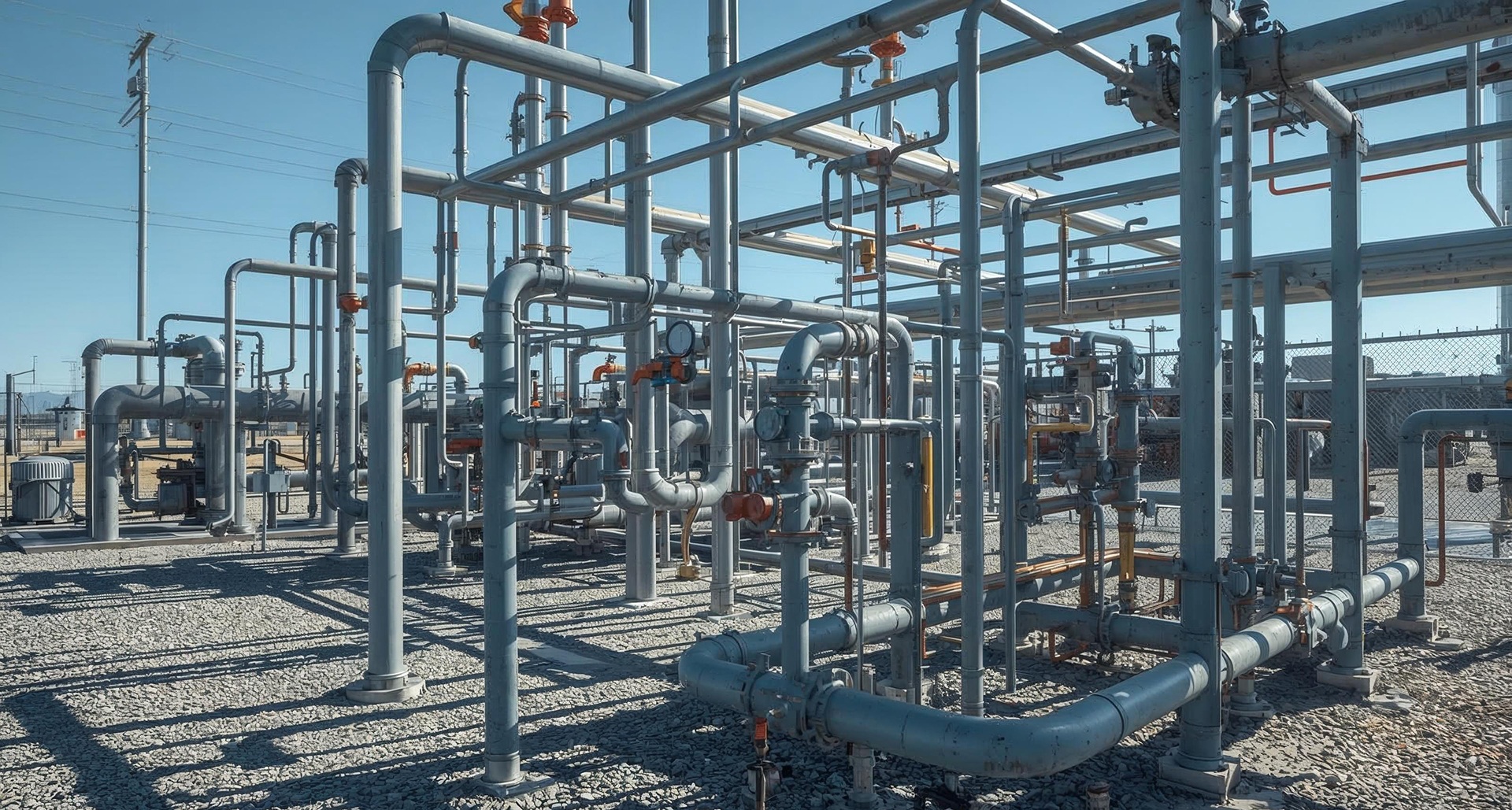
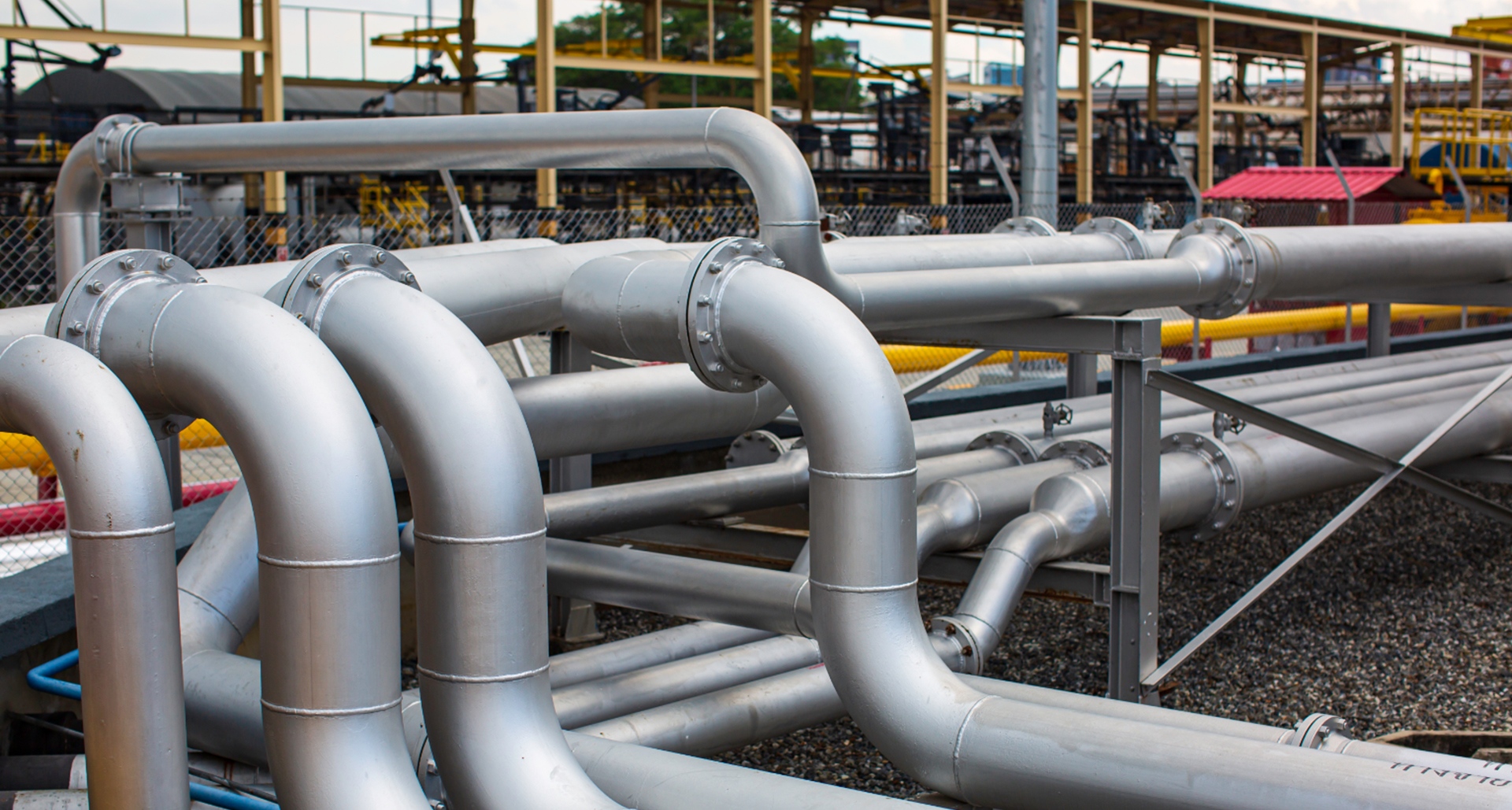
Our advanced production plant leverages smart manufacturing to deliver critical sensor technology to international projects. By integrating high-speed automated SMT assembly, robotic testing modules, and environmental aging chambers, we secure outstanding reliability across production runs.
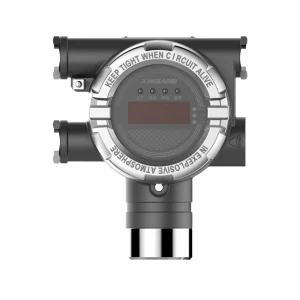
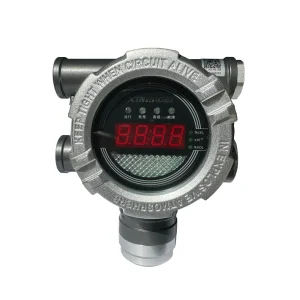
Explore our extensive catalog of explosion-proof detectors, uncooled infrared imagers, and sound/light alarms designed to meet the strict demands of global procurement teams.
Collaborating with premier energy networks, engineering EPC firms, and city administration sectors globally to secure safety.
























Stay tuned for the latest updates from Xinhaosi & the Industry.
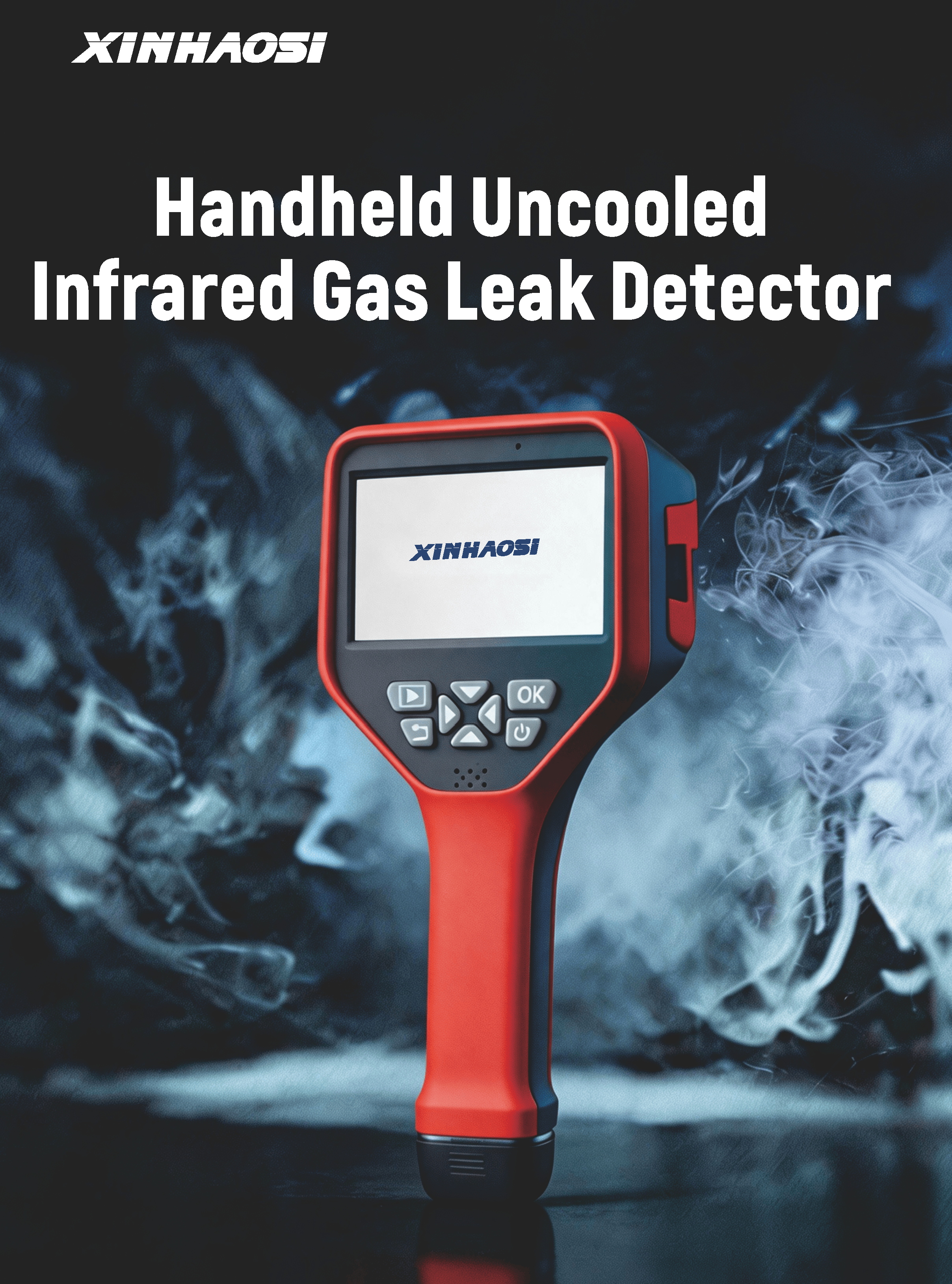
Xinhaosi Electronic Detection Technology Co., Ltd. officially launched its new Handheld Uncooled Infrared Gas Leak Detector, featuring dual-technology fusion, ultra-fast response, and long-distance non-contact detection to enhance safety and efficiency in petrochemical, refrigeration, natural gas and industrial safety scenarios.
Read Article →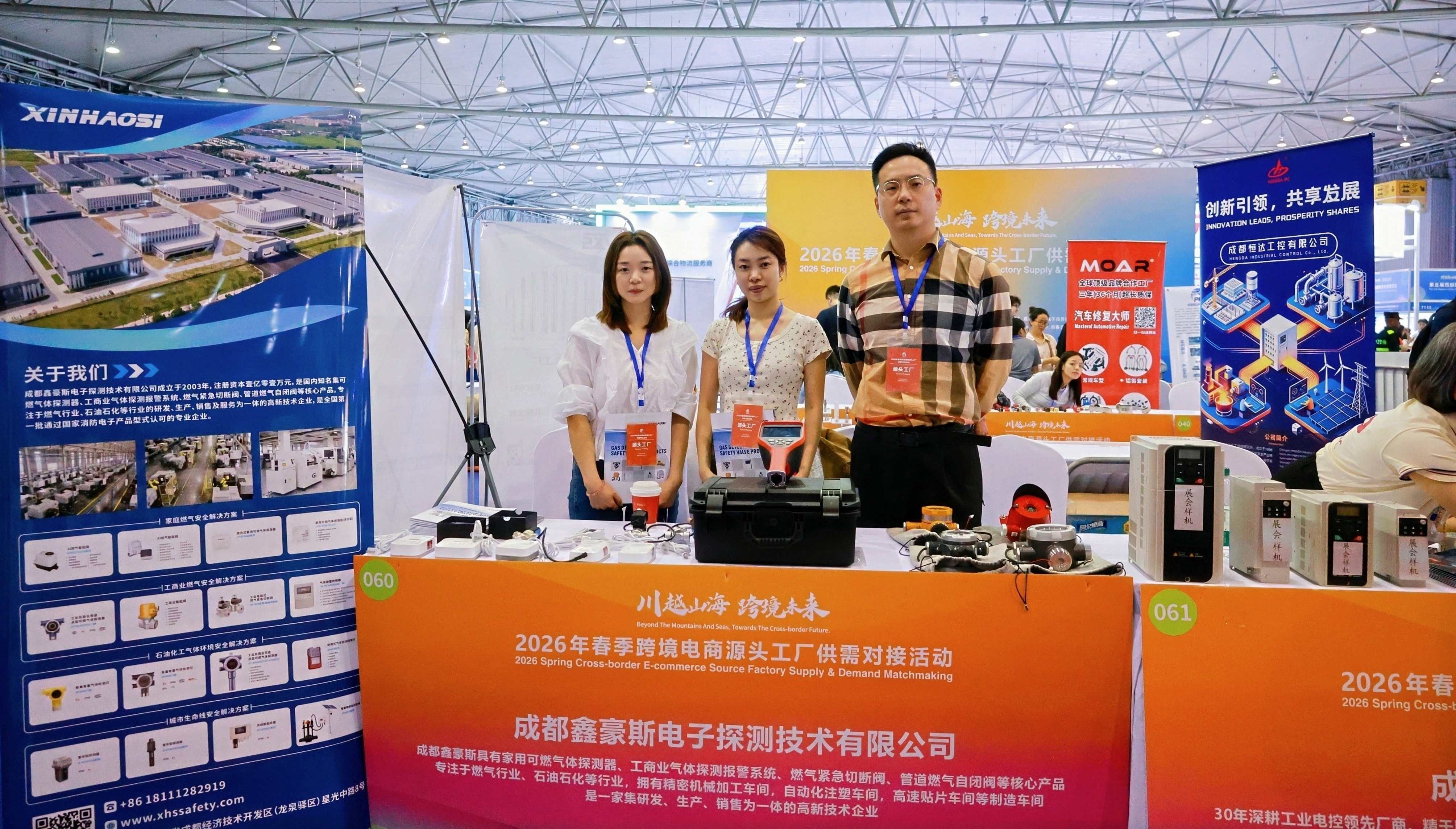
XINHAOSI recently participated in the 5th Western China Cross-Border E-Commerce Expo held in Chengdu. The event brought together cross-border e-commerce platforms, global buyers, manufacturers, and supply chain companies, creating new opportunities for international business cooperation and overseas market development.
Read Article →
XINHAOSI recently participated in the 2026 Sichuan (Chengdu) – Indonesia Industry Matchmaking Conference held in Chengdu. The event gathered enterprises and industry representatives from China and Indonesia to strengthen industrial cooperation and explore new business opportunities in Southeast Asia.
Read Article →Chicago’s industrial codes and municipal ordinances impose strict standards on hazardous gas detection systems.
Municipal pipelines within the Chicago metropolitan area must strictly comply with ASME B31.8 (Gas Transmission and Distribution Piping Systems) and NFPA 54 (National Fuel Gas Code). These codes demand that sensors in Class I, Division 1 hazardous areas hold UL (Underwriters Laboratories) or FM (Factory Mutual) markings.
Our products offer ATEX, IECEx, and CE certifications, with design paths ready to integrate into North American system loops. Standardized 4-20mA analog loops combined with HART or Modbus communication ensure seamless integration with local SCADA networks.
For Chicago municipal developers, using pre-certified, rigorously calibrated equipment simplifies the regional inspections required by local fire safety authorities.
Get direct answers from our application engineers regarding technical implementation, integration, and procurement.
Our high-precision pressure transmitters, such as the XCS-P3051 line, feature temperature-compensated piezoresistive sensor elements. Active temperature profiling and internal software micro-compensation maintain calibration accuracy and prevent zero-drift even when temperatures drop to -40°C.
Our wireless monitoring devices (such as the GT-AT0637 and AT0635 series) are engineered for low-power operation. Utilizing specialized lithium thionyl chloride battery packs combined with NB-IoT or LoRaWAN deep-sleep states, these devices can operate for up to 5 years on a single battery charge, assuming a standard hourly reporting schedule.
Yes. Our smart industrial gas detectors include integrated relay contacts (normally open/normally closed) and standard 4-20mA analog interfaces. They connect directly to PLC-based safety systems or local solenoid shutdown valves, isolating the gas supply immediately when concentration thresholds are exceeded.
Our industrial products are certified under ATEX, IECEx, and CE, and we follow ISO 9001 quality management procedures at our China Factory 4.0. For projects in the US market, including Chicago, we provide technical documentation to support local engineering approvals under NFPA and NEC standards.
Standard product orders generally ship from our automated plant in 15 to 30 days. Custom configurations requiring specific pressure ranges, mounting brackets, or localized telemetry frequencies may take 4 to 6 weeks. We coordinate closely with global air and ocean freight carriers to ensure timely delivery.