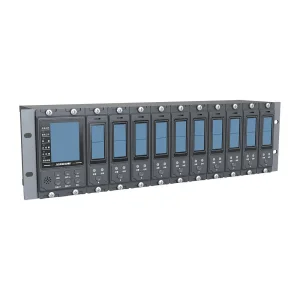
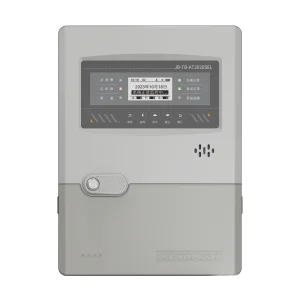
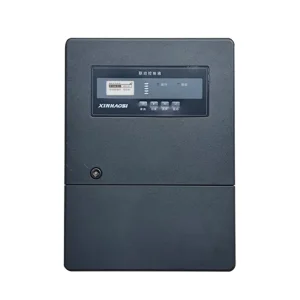
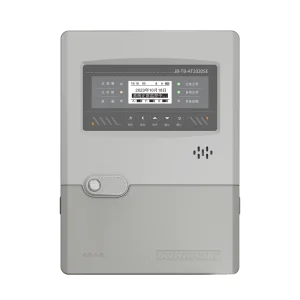
Explore our flagship OEM solutions manufactured to international standards. Ensuring comprehensive safety across residential, commercial, and industrial environments.
In modern heavy industries, processing facilities, and urban infrastructure developments, toxic and combustible gas exposure presents one of the most critical operational hazards. As global compliance mandates like OSHA, ATEX, and IECEx tighten, the demand for precision-grade industrial sensing equipment has skyrocketed. Deploying a reliable monitoring matrix is no longer just a regulatory checkbox; it is a fundamental pillar of modern operational risk management.
OEM gas monitors act as the primary defense against invisible hazards, capturing microscopic concentrations of volatile organic compounds (VOCs), carbon monoxide, hydrogen sulfide, and various explosive hydrocarbon compounds. Because every industrial plant has a unique environmental profile, off-the-shelf detectors often fall short. This is where customized, factory-direct OEM development plays an essential role—allowing system engineers to tailor sensor ranges, integration interfaces, and housing parameters to match extreme chemical exposures.
By designing and manufacturing at our state-of-the-art facilities, we provide customizable, high-reliability devices that operate flawlessly in extreme temperatures, high humidity, and hazardous atmospheres. From standard household combustible alarms to rugged explosion-proof detectors, our systems ensure that unrecognized risks are identified and mitigated in real-time.

Discover the engineering principles and integrated sensor arrays that power our safety products, ensuring long-term reliability and minimal maintenance.
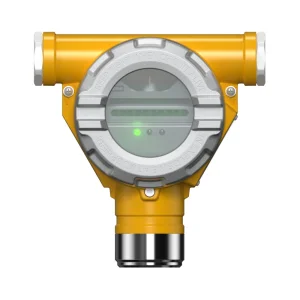
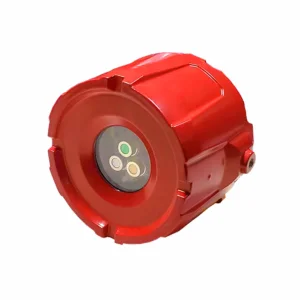
Utilizing dual-wavelength, non-dispersive infrared (NDIR) technology, our premium detectors monitor combustible levels without the risk of sensor poisoning. Real-time optical path sampling and LED status indications ensure continuous system health and minimize false alarms.
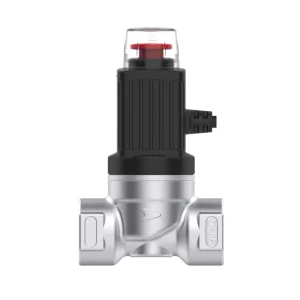
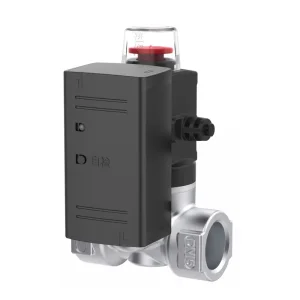
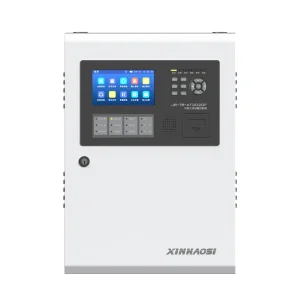
True safety requires more than just detection. Our systems link gas detector controllers with emergency pipeline solenoid valves. Once a gas leak crosses pre-set safety thresholds, the controller triggers a millisecond-fast response to isolate gas supplies at the source.
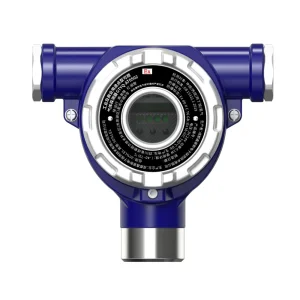
Engineered for hazardous zones, our flameproof housings protect critical internal electronics from igniting surrounding volatile vapors. These systems carry certifications that satisfy the demanding engineering requirements of global chemical plants.
| Gas Sensor Class | Detection Principle | Typical Measurement Range | Response Time (T90) | Expected Sensor Life |
|---|---|---|---|---|
| Combustible Gases (CH4, C3H8) | Catalytic Combustion / NDIR | 0 - 100% LEL | < 15 seconds | 3 to 5 Years |
| Hydrogen Sulfide (H2S) | Electrochemical Cell | 0 - 100 ppm | < 30 seconds | 2 to 3 Years |
| Carbon Monoxide (CO) | Electrochemical Cell | 0 - 1000 ppm | < 25 seconds | 3 Years |
| Volatile Organic Compounds (VOCs) | Photoionization (PID) | 0 - 2000 ppm | < 10 seconds | 2 Years (Lamp Dependent) |
Year Established
Global Industrial Partners
Certifications Held
Average Response Time (T90)
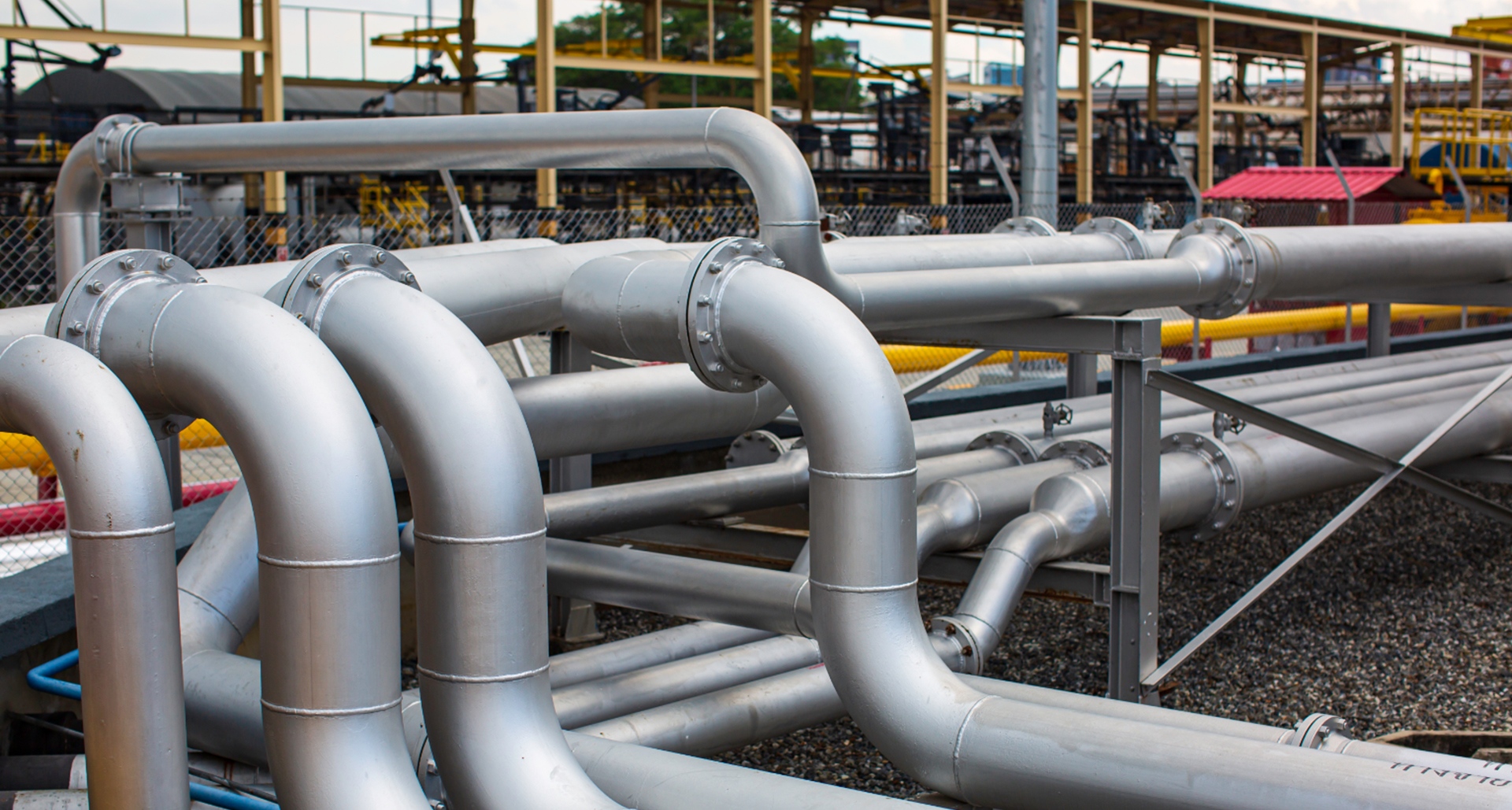
Founded in 2003, Xinhaosi has established itself as one of the most influential and trusted names in the gas safety industry. Our company philosophy centers around the character "X"—symbolizing both the unknown toxic gas and explosion hazards that threaten industrial operations daily, and the advanced technology we deploy to make those risks clear, visible, and manageable.
We supply customer-focused, ruggedly engineered products designed to protect every factory, municipal structure, urban pipeline network, and residential building. Through automated manufacturing lines, rigorous environment testing, and continuous hardware development, we help create a safer, more reliable environment worldwide.
As a dedicated OEM/ODM manufacturer, we work closely with overseas buyers, engineering firms, and local distributors. We provide complete hardware design services, custom housing modifications, private labeling, and tailored electronic output integrations to ensure seamless deployment into any supervisory control architecture.
Our comprehensive detection systems are engineered to address the specific safety demands of diverse industrial and residential applications.
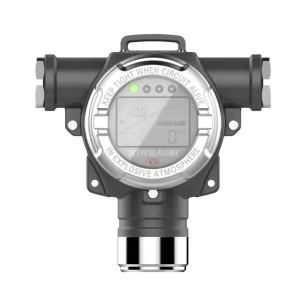
Designed for hazardous petrochemical facilities, offshore platforms, and manufacturing plants. Features high-performance optical path sampling, durable explosion-proof housings, and dual-output configurations.
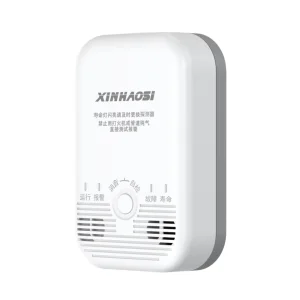
Highly stable, compact alarms configured for smart homes, retail outlets, and multi-family complexes. Features localized visual alarms, voice warnings, and direct wireless shut-off valve integration.
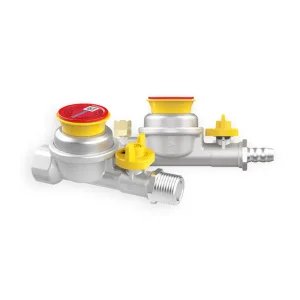
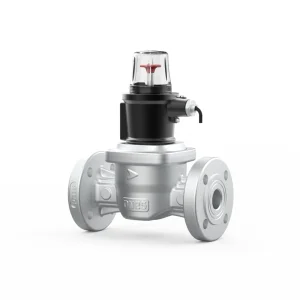
Normally opened solenoid valves and automatic pipeline shut-off controls. These safety devices quickly shut down gas lines during emergency situations, preventing fires or catastrophic gas accumulation.
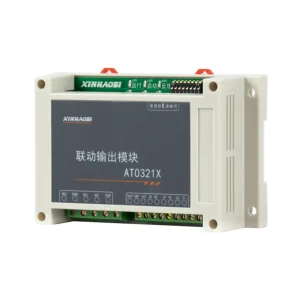
Intelligent telemetry nodes and monitoring controllers designed for underground utility networks, shafts, and distribution hubs. Built to withstand damp, confined spaces and variable pressures.
Trusted by leading petrochemical plants, municipal utility providers, and distributors around the world.


















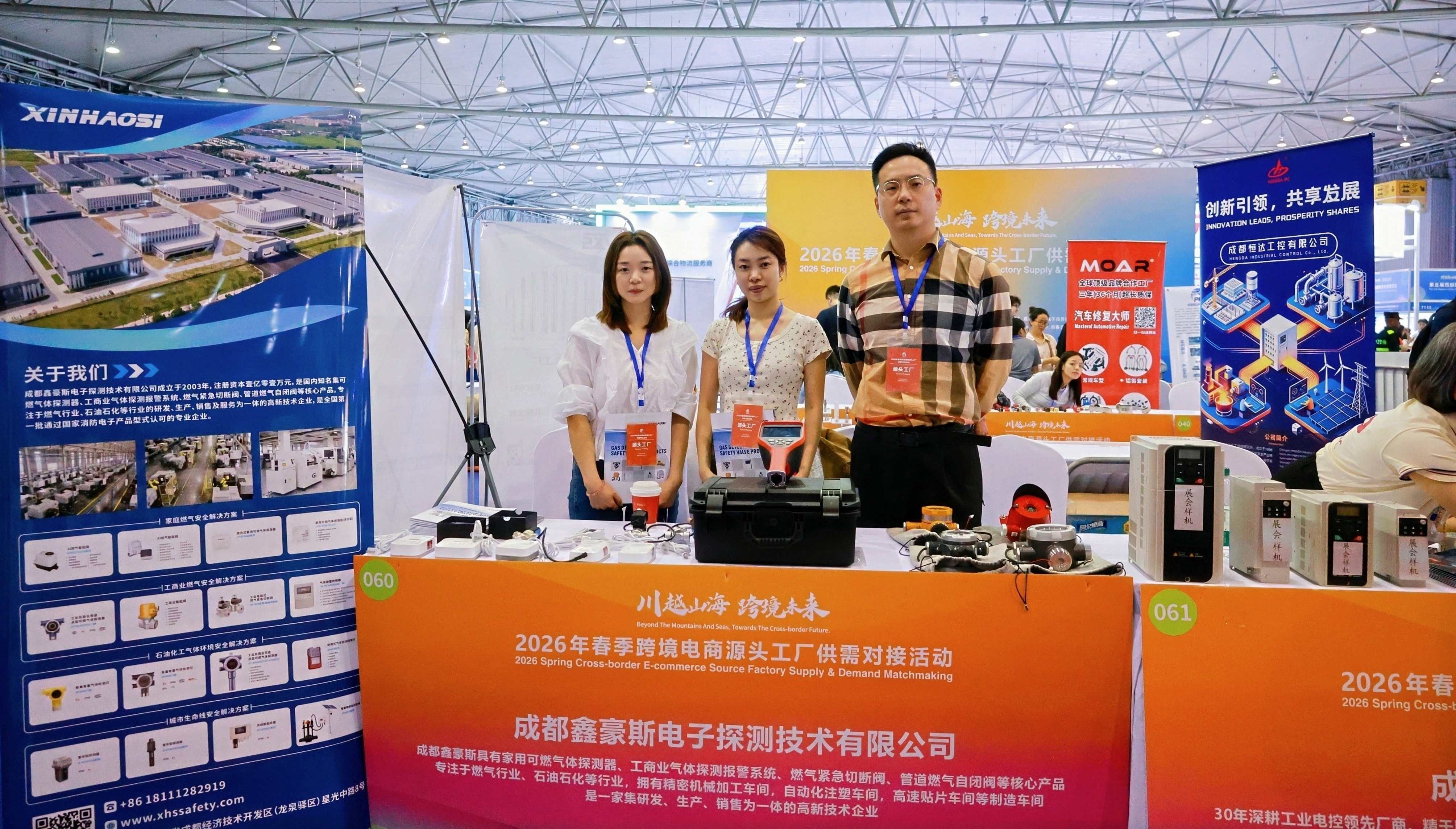
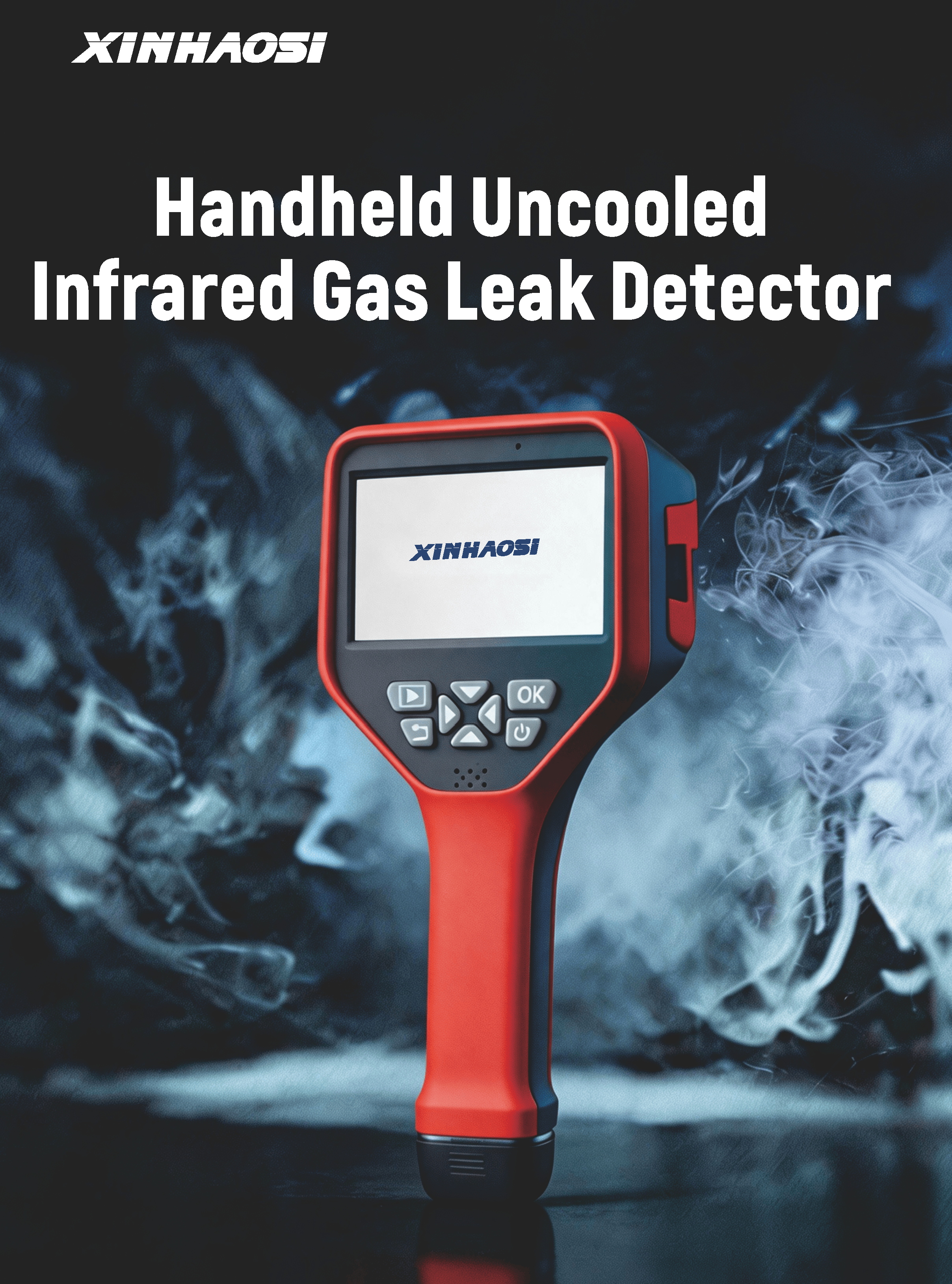
Xinhaosi Electronic Detection Technology Co., Ltd. has officially launched its new Handheld Uncooled Infrared Gas Leak Detector. Combining dual-technology fusion, rapid response times, and long-distance, non-contact optical detection, this device is engineered to locate leaks in petrochemical, refrigeration, and natural gas systems safely and efficiently.
Unlike traditional contact-based gas sensors, uncooled infrared imaging allows operators to inspect pipeline connections, valves, and transport lines from a safe distance. This eliminates the risk of exposure in high-toxicity environments and allows maintenance teams to sweep large industrial sections quickly.
Our participation in global trade events, including the 5th Western China Cross-Border E-Commerce Expo in Chengdu and the Sichuan-Indonesia Industry Matchmaking Conference, demonstrates our commitment to sharing safety innovations and developing collaborative relationships in Southeast Asia, Europe, and the Americas.
A combination of advanced manufacturing capabilities, thorough quality control, and decades of engineering experience makes us the preferred supplier for industrial gas safety solutions.
Our testing labs verify each gas detector's response across a broad range of temperatures, relative humidities, and chemical interference states to guarantee field performance.
Equipped with automatic SMT assembly lines, automated calibration systems, and aging test chambers, we produce high-performance gas sensors and solenoid valves at scale.
We design and build our systems to meet international explosion-proof, performance, and functional safety standards, facilitating localized certification and integration.
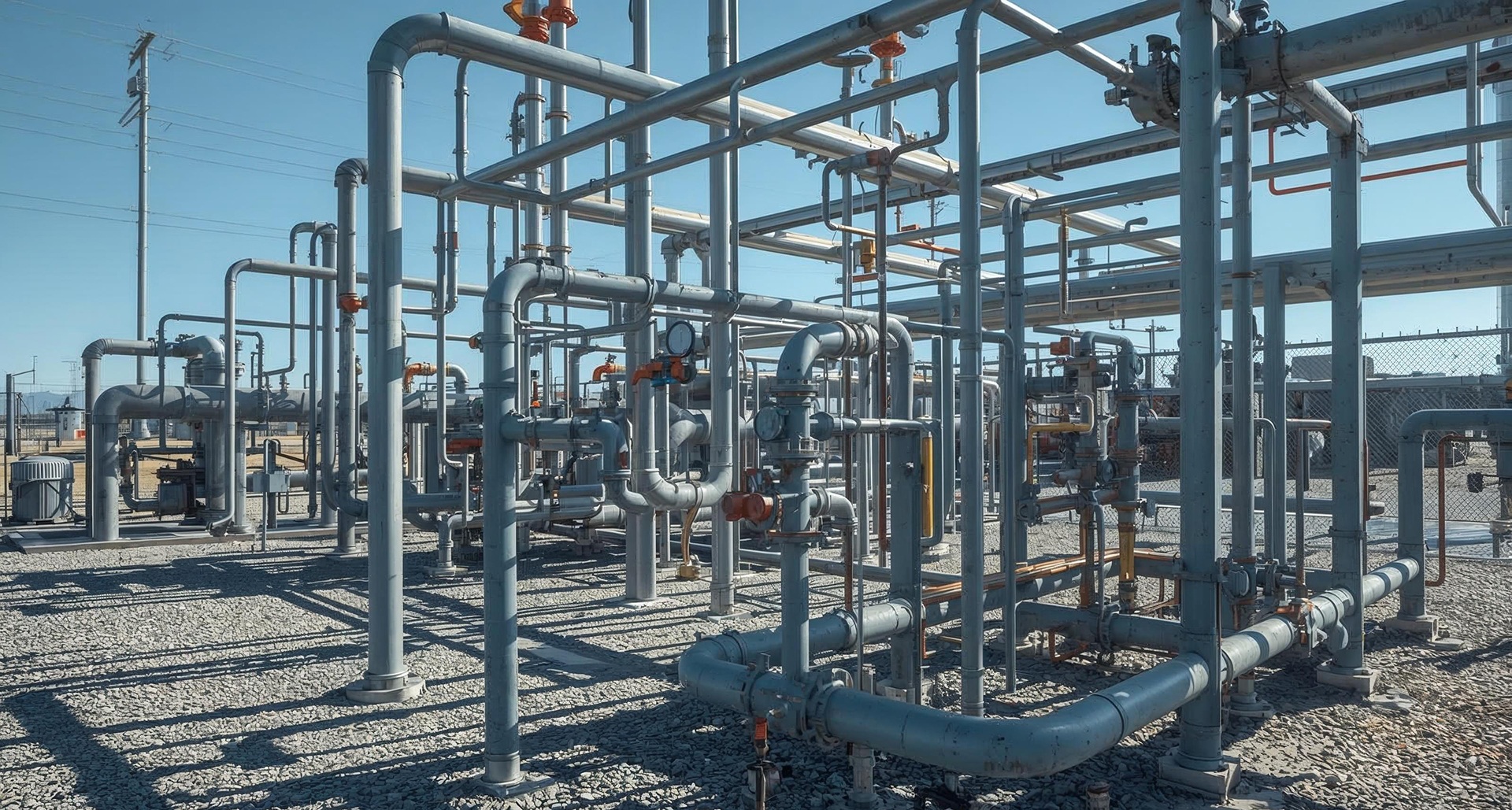
In heavy industrial zones, a single gas leak can rapidly escalate into a major hazard without timely detection and shut-off capability. Our systems deliver an integrated, multi-level protection framework combining:
This integrated ecosystem minimizes dependance on manual intervention, protecting industrial personnel, local communities, and facility infrastructure.
Stay informed about Xinhaosi's technical innovations, global trade activities, and industrial gas safety initiatives.
Our specialized range of explosion-proof safety devices and automatic gas valves designed to protect challenging industrial environments.
Detailed technical information on industrial safety, sensor technologies, integration, and compliance.
Electrochemical sensors operate through a chemical reaction that produces a current proportional to the concentration of the target toxic gas (e.g., CO, H2S). They are highly sensitive and cost-effective, but can be susceptible to cross-sensitivity and sensor degradation over time.
Non-Dispersive Infrared (NDIR) sensors measure gas concentrations by monitoring infrared light absorption at specific wavelengths. NDIR is non-contact, highly stable, immune to sensor poisoning, and commonly used for detecting carbon dioxide and combustible hydrocarbon vapors.
When a gas detector senses concentration levels that exceed configured safety thresholds, the controller transmits an electrical signal to the interlocking solenoid shut-off valve (such as our XF3 or XF2 series). The valve uses an electromagnetic actuator to close the pipeline in milliseconds. Once closed, the valve remains locked shut for safety and must be manually reset after the leak has been repaired and verified.
Gas detectors installed in hazardous areas must meet strict international standards, including:
Calibration frequency depends on environmental factors, exposure levels, and regulatory standards. In standard industrial conditions, we recommend calibration checks every six months. For harsh environments (such as petrochemical processing or wet underground shafts), quarterly calibrations help ensure the accuracy and reliability of the gas detection system.
Yes. We offer complete OEM/ODM customization services. This includes engineering custom physical form factors, designing custom mounting flanges, adding protective ingress coatings, and integrating specific communication protocols (such as Modbus RTU, 4-20mA, HART, or wireless protocols) to match your installation needs.