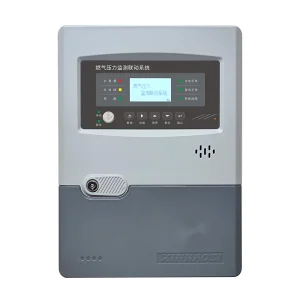
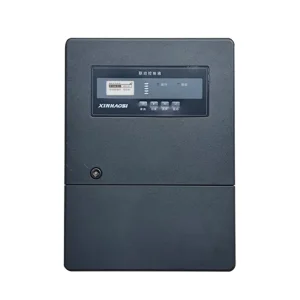
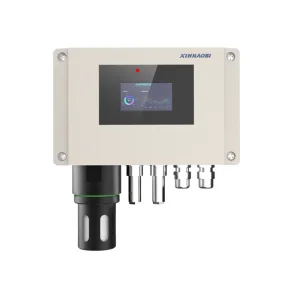
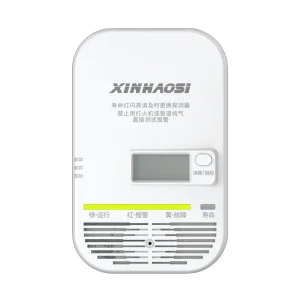
Explore our industrial grade half-inch solenoid valves, smart gas controllers, and uncooled infrared detection solutions tailored for high-risk pipelines.
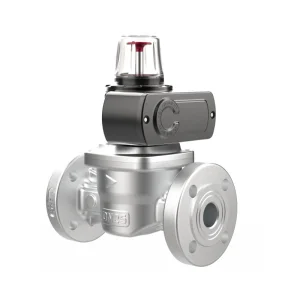
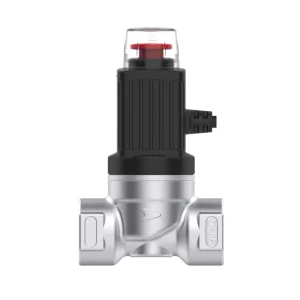
Solenoid valves serving as the primary control mechanism in piping installations require a precise combination of electromagnetic force, flow dynamics, and material endurance. In gas safety configurations, a 1/2-inch (half-inch) aperture represents a critical cross-section for commercial, industrial, and residential gas lines. Understanding the distinction between direct-acting mechanisms and pilot-operated systems is essential for specifying the appropriate equipment.
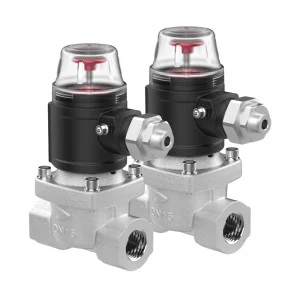
For zero-pressure systems, direct-acting valves utilize the electromagnetic field of the coil to lift the armature directly, opening or closing the orifice without relying on media pressure. Conversely, pilot-operated valves utilize line pressure to actuate a diaphragm, making them ideal for high-pressure industrial setups where power consumption must be minimized. Incorporating redundant safety profiles, such as those found in the BT-XF5 Series or XF3III Series, ensures that shut-offs occur instantaneously when electrical power is severed or safety signals are triggered.

When engineering fluid pathways, selecting the optimal combination of sealing materials (NBR, Viton, or EPDM) and housing metals (cast brass, stainless steel, or aluminum alloy) dictates the system's longevity, media compatibility, and resistance to environmental degradation. Our OEM processes support tailored modifications for extreme chemical media and hazardous explosive atmospheres.
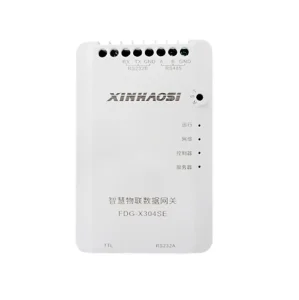
The global industrial fluid control sector is shifting rapidly toward active diagnostic systems. Solenoid valves are no longer considered isolated mechanical switches. Modern smart city architectures, hazardous chemical processing, and localized HVAC safety loops demand real-time diagnostics. Integrating 1/2-inch solenoid valves with intelligent data gateways (such as the FDG-X304SE Intelligent Data Gateway) allows plant operators to monitor coil integrity, cycle counts, temperature metrics, and response latency.
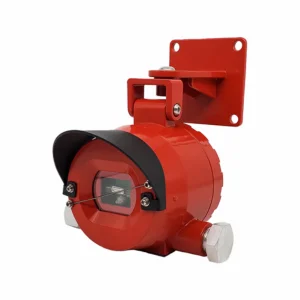
Explosion-proof coils engineered for ATEX Zone 1/2 areas, delivering maximum uptime under high thermal stress and corrosive environments.
Next-generation electronic control systems that reduce active power hold requirements by up to 70%, preventing thermal degradation of components.
Specialized gas-tight NBR, FKM, and PTFE compounds configured to achieve bubble-tight zero leakage ratings (Class VI sealing compliance).
Procurement departments face significant hurdles: batch-to-batch variation, unannounced design revisions, and non-compliance with regional pressure equipment directives. When sourcing a 1/2-inch OEM solenoid valve, international buyers look for manufacturers that operate with strict ISO 9001:2015-certified fabrication plants. The ability to supply robust documentation, including material test certificates (EN 10204 3.1) and explosion-proof documentation, determines supplier reliability.
By leveraging established production frameworks, Xinhaosi provides highly integrated systems that combine gas leak detection, automatic electrical control, and mechanical shut-offs. This integration ensures complete process compatibility between safety hardware and system controllers, eliminating integration challenges during commissioning.
Combining detection, processing, and control elements to protect industrial infrastructure, commercial premises, and residential projects.
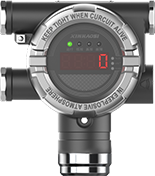
Safety First from Precision Sensing
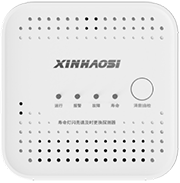
Home Safety from Gas Monitoring
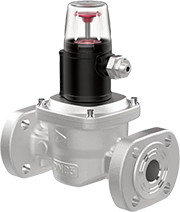
Protecting from the Source
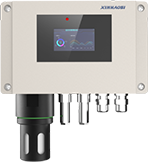
Smart Sensing for Urban Gas
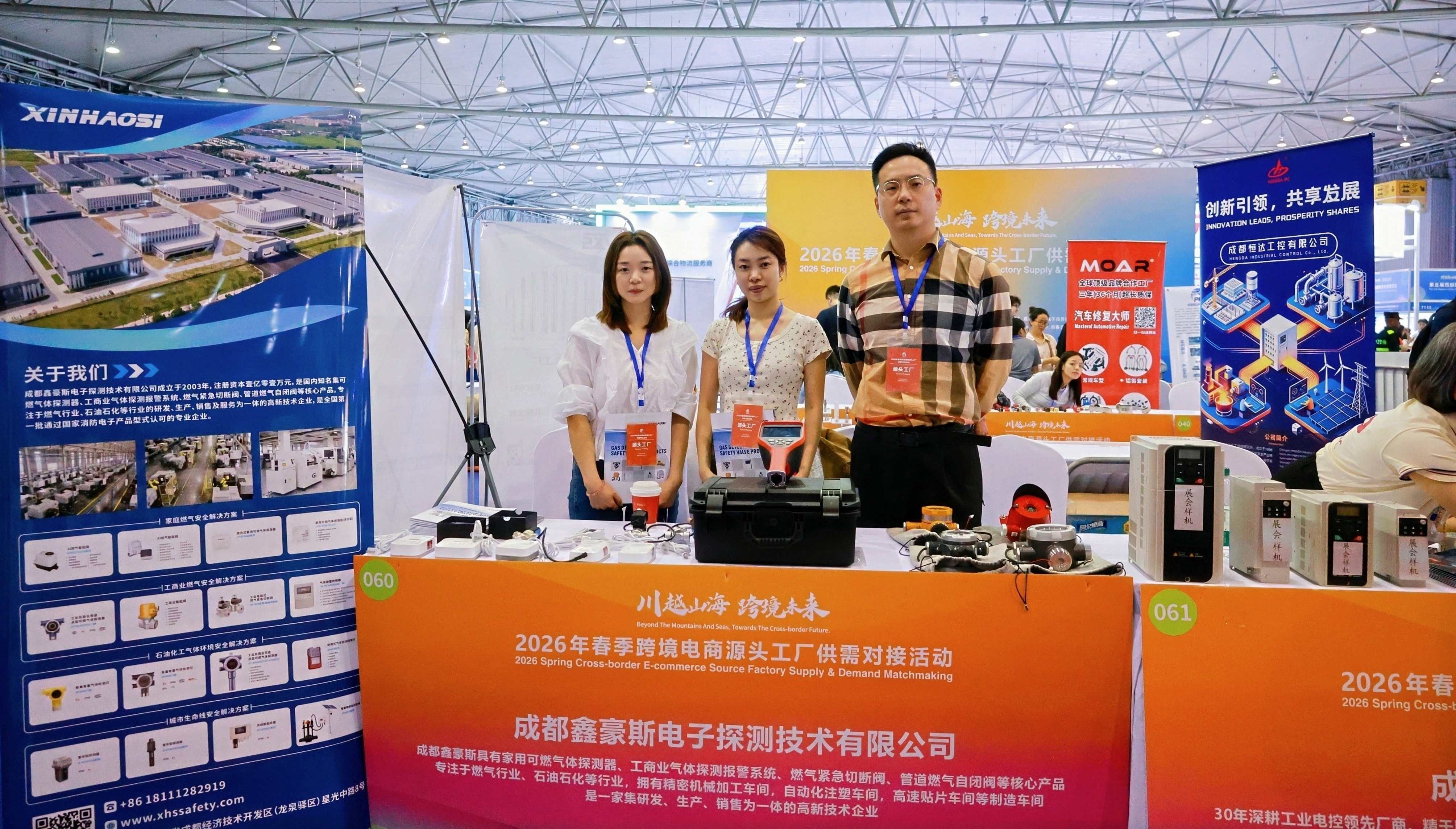
Founded in 2003, Xinhaosi is one of the most influential and reliable brands in the gas safety industry. We provide customer-focused products and services to safeguard the operation of every factory, the comfort of every city, and the peace of every home.
Powered by cutting-edge production systems and electronic detection technology, we make unknown gas leak risks visible and controllable, shaping a safer world for future generations.


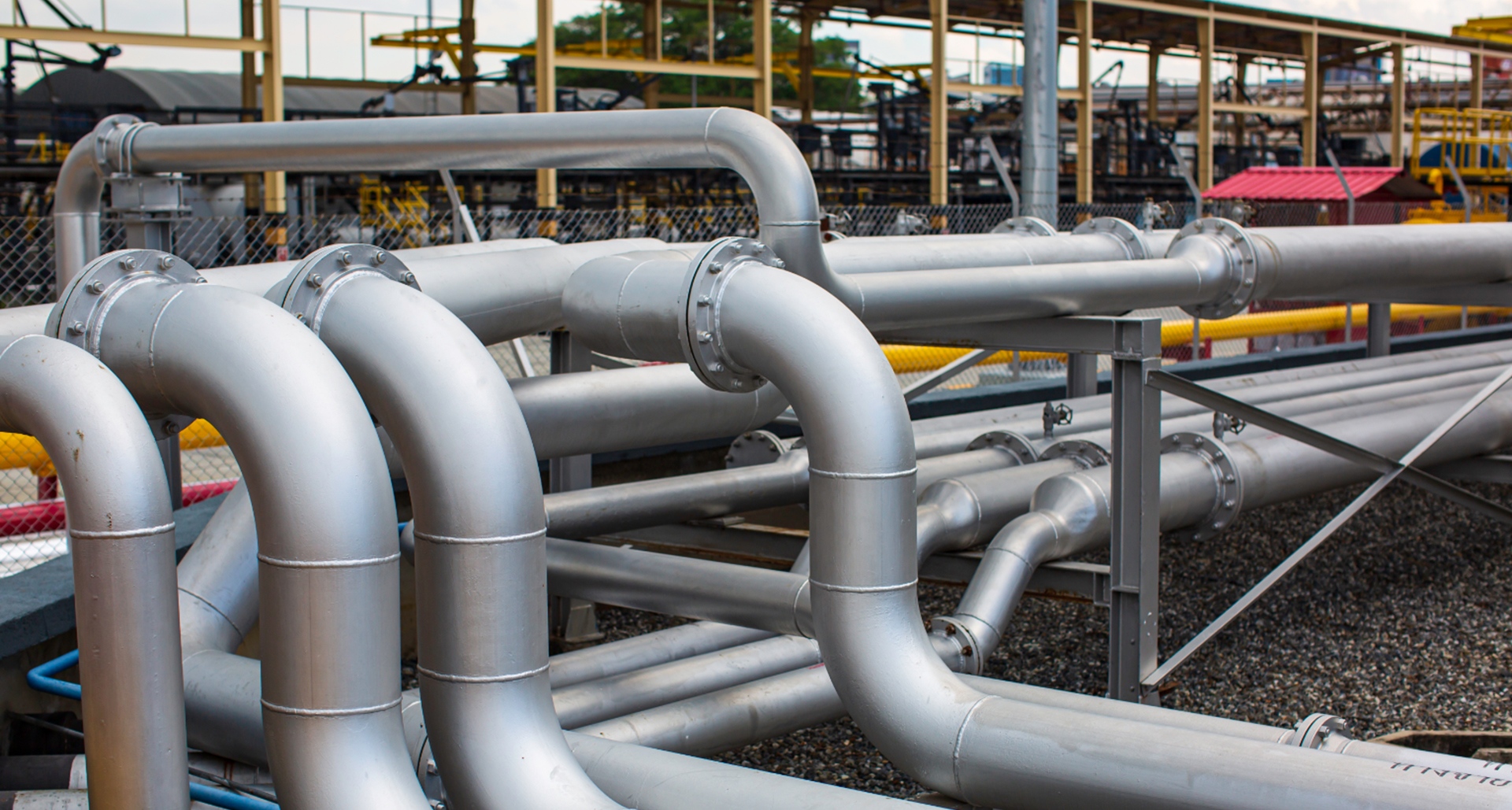
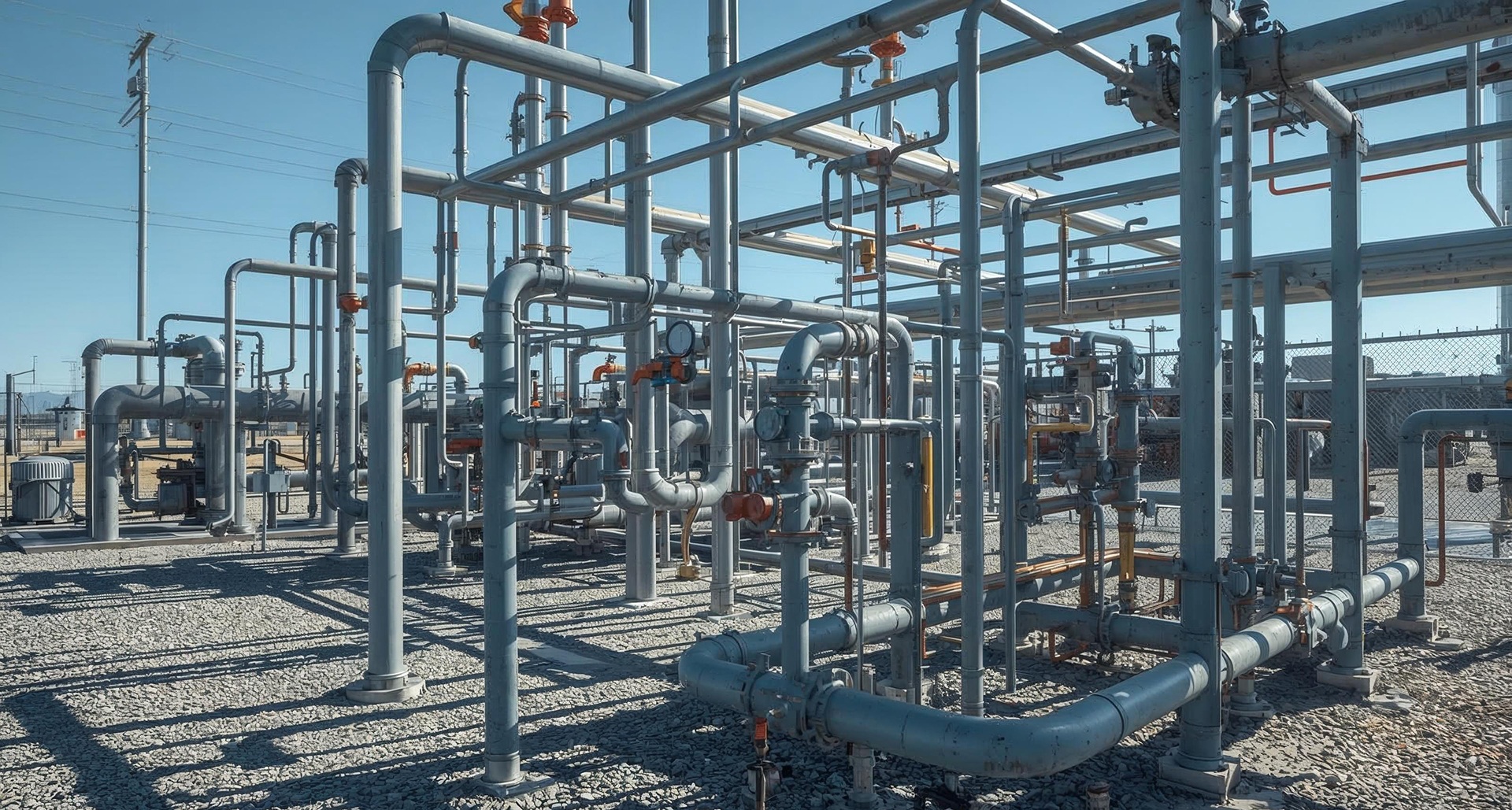
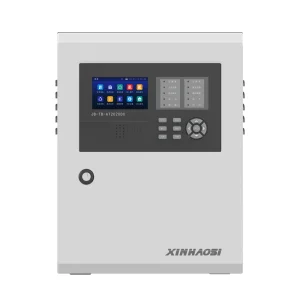
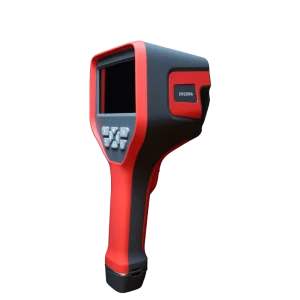
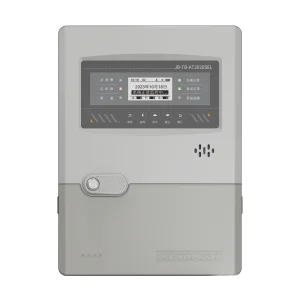
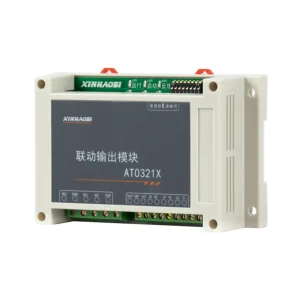
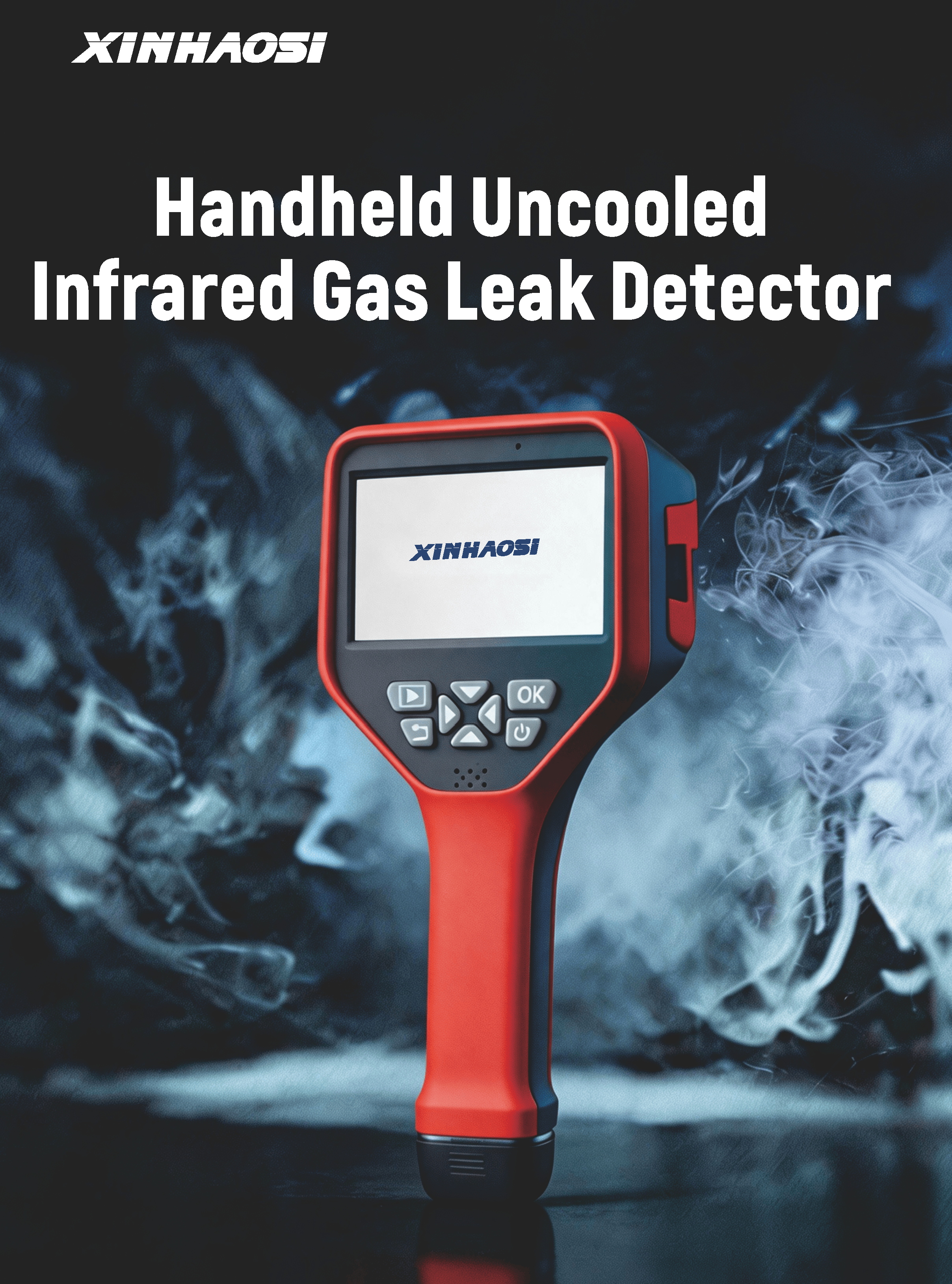
Deploying solenoid valves within hazardous facilities requires a macro view of the entire communication infrastructure. In a typical petrochemical plant, automated gas distribution center, or LNG gas station, a leak signal captured by a combustible detector must trigger an automatic response within milliseconds. Handheld uncooled detectors like the IR-2610 identify the source of the leak, while high-performance interlock control units command the half-inch shut-off solenoid valves to isolate the gas supply line.
This level of integration requires high compatibility across all systems. By deploying centralized monitoring solutions, facilities benefit from a single point of data tracking. Operating parameters from pressure transmitters (like the PMC-X602C series) are transmitted to high-speed RTUs or data gateways, providing operators with full visibility into pipeline behavior and system integrity.
The solenoid valve technology roadmap is transitioning from simple open-close mechanisms to smart, communicative valve systems. Key developments driving this transition include:
Wireless Integration: Integrating LoRaWAN and NB-IoT protocols directly into solenoid valve control blocks allows standalone units to operate in remote areas without requiring control cabling.
Predictive Failure Analysis: Real-time coil resistance monitoring identifies micro-wear on internal insulation before a physical failure occurs, allowing maintenance during scheduled downtime.
Advanced Surface Finishing: Electropolishing internal flow chambers reduces turbulence, minimizes fluid friction, and prevents the buildup of pipeline contaminants.
Expert answers addressing the design, selection, and operation of half-inch gas solenoid valves and automated safety systems.
Our safety equipment and systems are integrated by major oil, gas, and industrial distribution organizations worldwide.
























Stay informed about technological advancements, trade conferences, and new product releases from Xinhaosi.
A comprehensive range of supportive control systems, power distributions, and pressure controllers designed to build a complete pipeline safety loop.