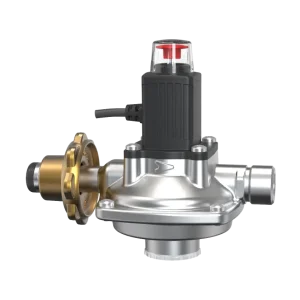
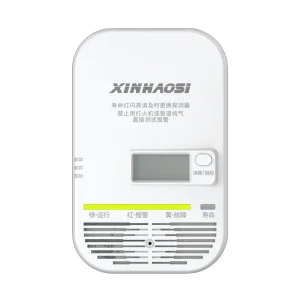
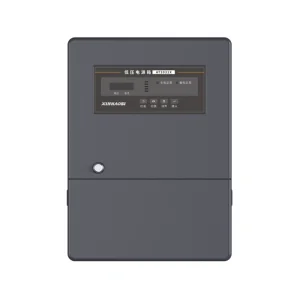
Engineered to interact seamlessly with 1-inch solenoid systems to deliver real-time environmental safeguards, automatic shutoffs, and pressure regulation loop control.
The global industrial and commercial pipeline environment requires safety instrumentation that balances high volume flow with zero-compromise emergency shut-off capabilities. In this landscape, the 1-inch solenoid valve has established itself as the baseline standard for medium-pressure natural gas lines, boiler fuel trains, LPG distribution vaporisers, and chemical processing facilities. As safety laws grow stricter under OSHA, ATEX, and EN regulations, systems are transitioning away from manual isolation points to automated electromagnetic solutions.
OEM 1-inch solenoid valves act as the primary barrier against uncontrolled gas leaks. Whether they are built as Normally Open (NO) or Normally Closed (NC), these devices are essential to modern pneumatic safety. Industrial operators demand valves that not only function reliably under normal operations but also fail-safe during power drops, earthquakes, or industrial sensor faults. By working directly with specialized OEM manufacturers, plant designers can customize materials, coil properties, and response times to meet their exact geographic safety regulations.
To understand the reliability of a 1-inch solenoid valve, one must examine its mechanical structure and the quality of its components. Unlike smaller residential valves, industrial-grade 1-inch variations must withstand higher pressure spikes, corrosion, and varying electrical currents.
| Feature / Sub-assembly | Technical Specifications | Industrial Advantage |
|---|---|---|
| Body Material Options | Cast Brass, Die-cast Aluminum Alloys, 316 Stainless Steel | Resistant to high chemical corrosion and mechanical stress. |
| Seal Configurations | NBR (Nitrile), Viton (FKM), EPDM | Allows leak-free operation from -20°C up to 120°C. |
| Coil Insulation Rating | Class H or Class F (180°C limit) | Ensures stable performance under continuous excitation. |
| Explosion Proofing | Ex d IIC T6 Gb / ATEX Compliant | Safe for use in Class 1 Zone 1 hazardous environments. |
OEM designs use pilot-operated diaphragms or direct-acting pistons to control the gas flow. Pilot-operated configurations use the line's natural pressure to help lift the main seal, allowing for compact and energy-efficient coil designs. For zero-pressure lines, direct-acting or assisted-lift designs ensure the valve operates even when there is no system pressure. This is a common requirement in low-pressure gas lines and emergency venting setups.

Future Ready - We utilize advanced electronic detection technology to make unknown gas leak risks clear and visible.
Founded in 2003, Xinhaosi is one of the most influential and reliable brands in the gas safety industry. We provide customer-focused products and services to safeguard the safe operation of every factory, the comfort of every city, and the peace and happiness of every home. Powered by cutting‑edge production systems and technology, we deliver more advanced, intuitive, and precise gas safety solutions for shaping a safer future world.

Exploring Xinhaosi's specialized categories designed to secure industrial, commercial, and urban distribution pathways.
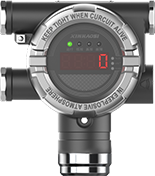
Detection Systems. Safety First from Precision Sensing. Built to protect heavy hazardous locations and processing plants.
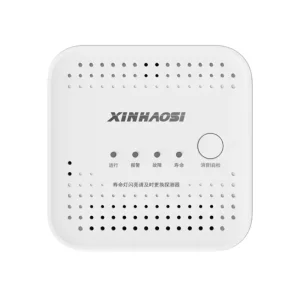
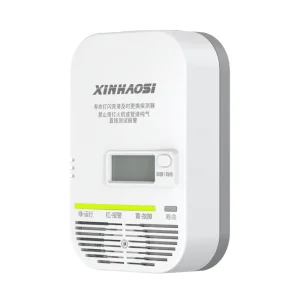
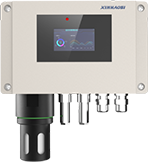
Gas Detectors. Home Safety from Gas Monitoring. Protecting residential buildings, hotel kitchens, and catering centers.

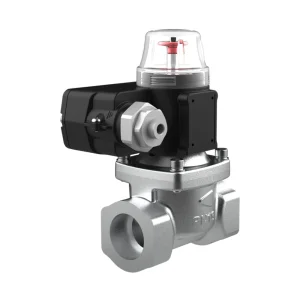
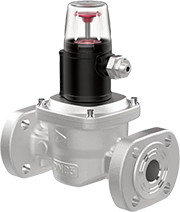
Gas Solenoid Valves. Protecting from the Source. High-quality 1-inch and multi-size valves with rapid trip mechanisms.
 Urban Gas Distribution & Monitoring:
Smart Sensing for modern municipal utility lines.
Urban Gas Distribution & Monitoring:
Smart Sensing for modern municipal utility lines.
The industrial gas safety sector is undergoing a rapid transition toward digital integration. Historically, 1-inch solenoid shut-off systems operated as isolated devices, triggered only by local thermal fuses or manual switches. Today, the rise of the Industrial Internet of Things (IIoT) requires valves to communicate directly with distributed control systems (DCS) and cloud safety portals.
Traditional solenoid valves consume constant power to keep the coil energized in the open position, which generates heat and risks premature coil failure. Modern OEM manufacturers are shifting to pulse-driven latching solenoids. These require only a momentary electrical pulse to switch states, using internal permanent magnets to hold the position. This reduces power consumption to near zero, making them ideal for battery-operated safety systems and remote monitoring installations.
As cities and industrial parks transition toward green energy, pipeline networks are blending hydrogen into existing natural gas structures. Hydrogen molecules are much smaller and more reactive than methane, raising the risk of leaks and metal embrittlement. Leading OEM manufacturers are upgrading their 1-inch valve ranges with hydrogen-compatible elastomers and special non-porous metals. This ensures leak protection and system safety even in environments with up to 20% to 100% hydrogen concentrations.
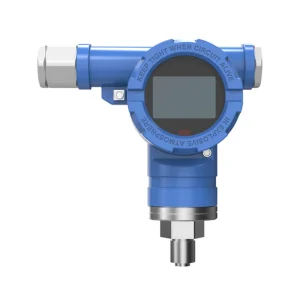
To reduce maintenance downtime, next-generation 1-inch solenoid systems feature built-in position feedback sensors, diagnostic limit switches, and pressure transmitters. This setup continuously monitors flow rate, valve movement speed, and coil temperature. By analyzing this data, the control system can warn operators about potential wear, friction, or coil degradation before a failure occurs.
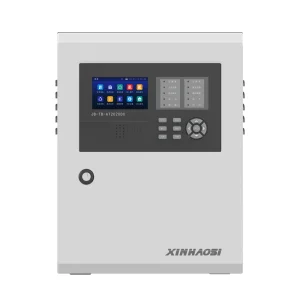
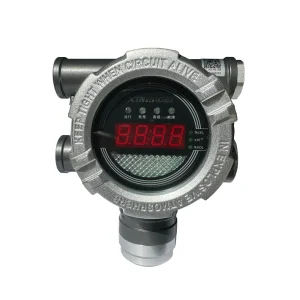
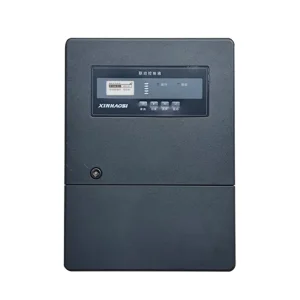
In modern industrial facilities, single safety components are no longer enough. True safety requires an integrated loop that links gas detectors, alarm controllers, and automatic shut-off valves. This ensures that if a leak occurs, the system detects it and isolates the fuel source immediately without relying on manual intervention.
"Empowered by technology, full-chain integration, comprehensive protection, shaping the future with intelligence."
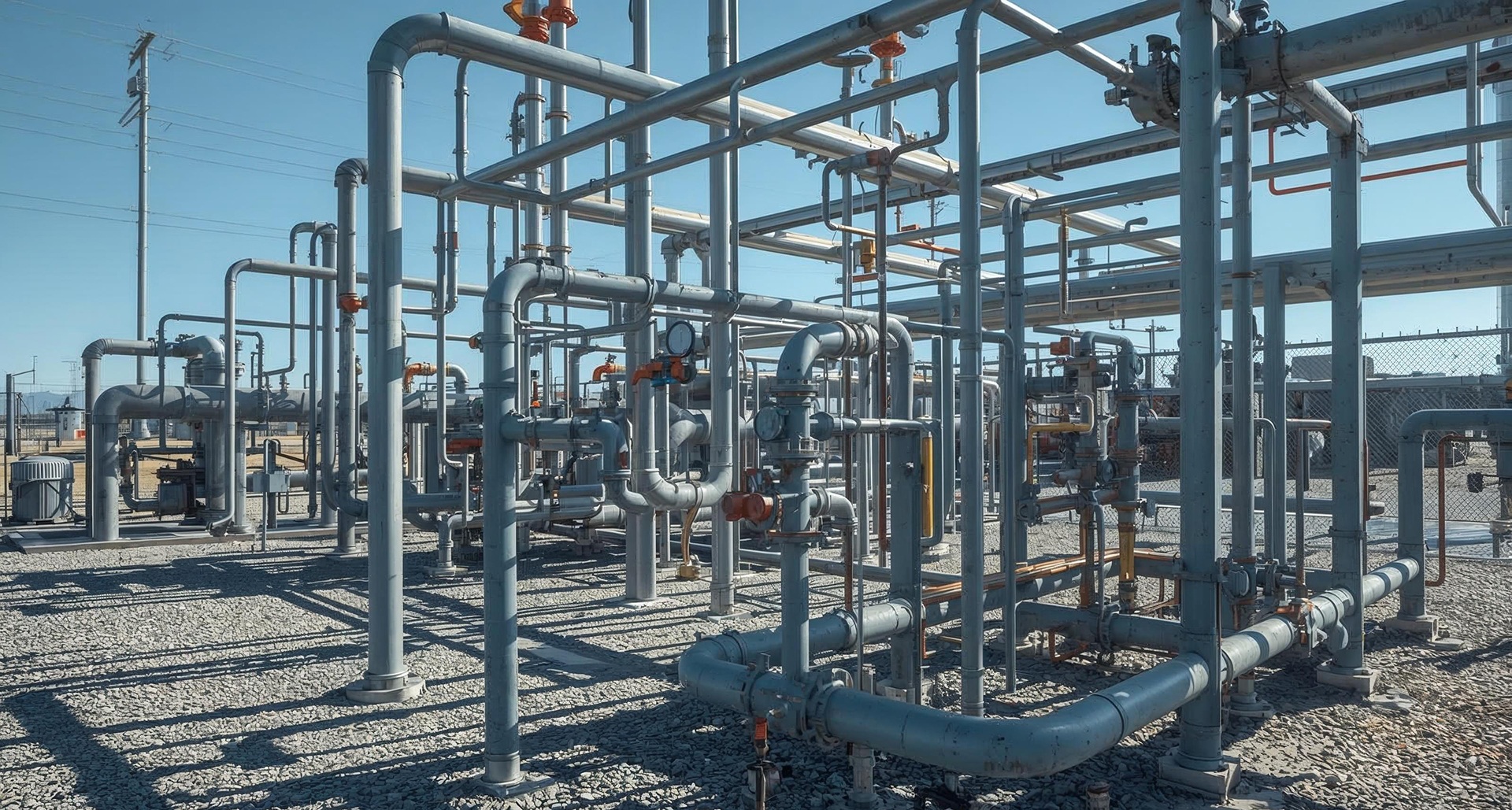
We work closely with global pipeline authorities, energy companies, and safety inspectors to deploy reliable shut-off systems.
























Operating conditions differ significantly between a commercial kitchen in a humid coastal city and an underground natural gas pipeline in a sub-zero climate. When sourcing 1-inch solenoid valves, engineering teams must evaluate several environmental and chemical factors:
By offering customized OEM options for coils, bodies, and seals, we help system integrators match their safety hardware to their precise operating conditions. This approach extends service life and reduces maintenance overhead.
Stay informed about the latest product developments and trade activities from Xinhaosi.
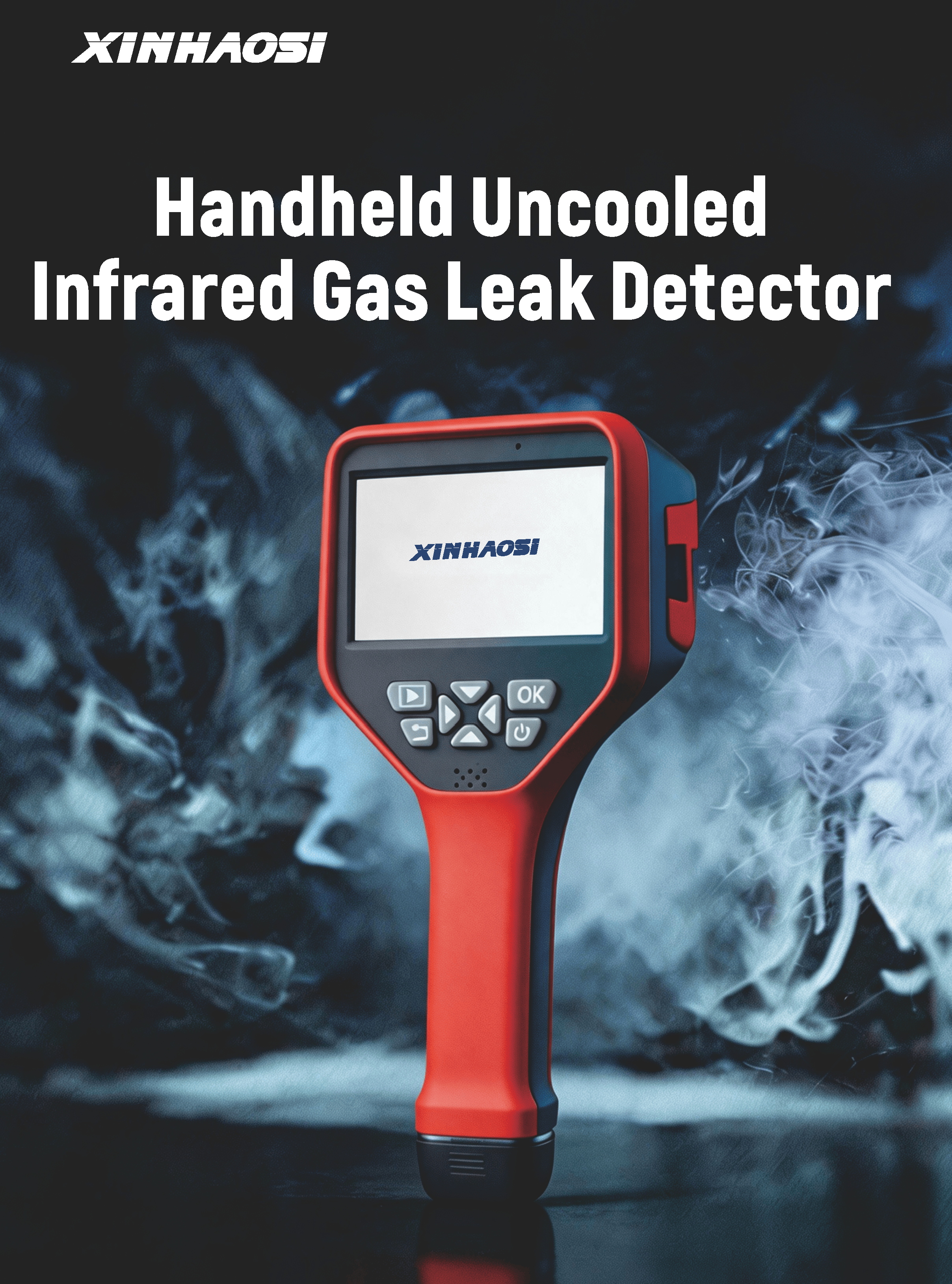
Featuring dual-technology fusion, ultra-fast response, and long-distance non-contact detection to enhance safety and efficiency in petrochemical, refrigeration, natural gas and industrial safety scenarios.
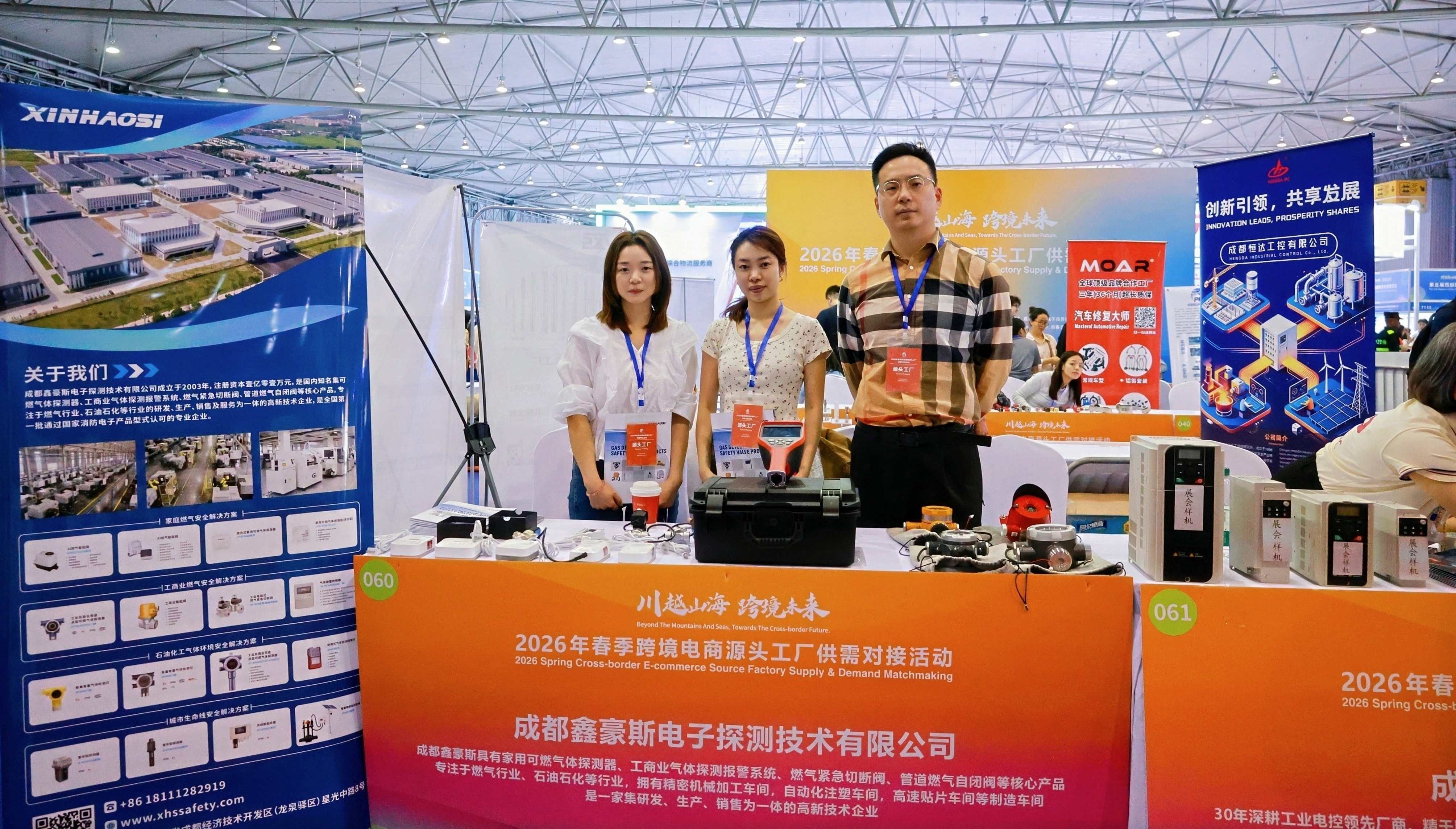
The event brought together cross-border e-commerce platforms, global buyers, manufacturers, and supply chain companies, creating new opportunities for international business cooperation.

Gathered enterprises and industry representatives from China and Indonesia to strengthen industrial cooperation and explore new business opportunities in Southeast Asia.
Industrial safety control boxes, output units, gas detectors, and emergency shut-off valves configured for 1-inch pipeline safety.
Common questions from engineering departments, procurement heads, and gas safety system designers.