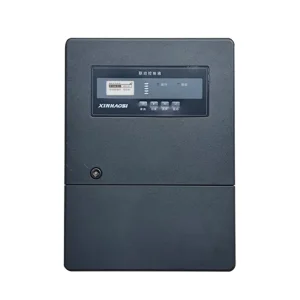
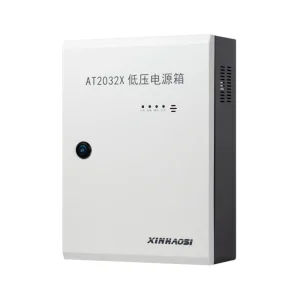
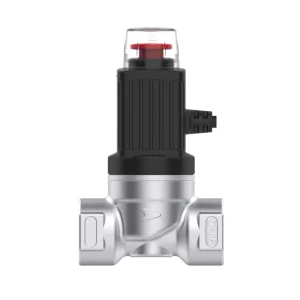
Select premium industrial controllers, alarms, and safety valves engineered to optimize plant integrity and process safety.
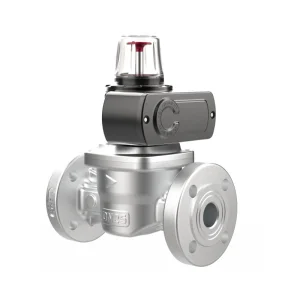
In modern pressure regulation, a 2-inch safety valve serves as the fundamental mechanical defense barrier against system overpressurization. Acting as an autonomous, self-actuated relief device, the 2-inch configuration represents the optimal structural inflection point: large enough to discharge high volumetric flow rates of media (steam, gas, or liquid), yet compact enough to integrate seamlessly into complex piping skids.
For plant engineers, specifying an OEM safety valve is not simply a purchasing decision; it is a critical safety calculations exercise. Key metrics including the Discharge Coefficient (Kd), set pressure tolerance, and reseating overpressure govern whether the valve protects structural assets or triggers hazardous media releases.
From heavy refinery columns in the Americas to high-temperature district heating schemes in Europe, industrial processes operate under increasingly strict margin and emissions guidelines. The global safety valve industry has moved beyond general catalog sales toward highly tailored OEM engineering partnerships.
Industrial plants require custom set pressures, specific material overlays (such as Stellite facing on valve seats), and certified sealing solutions to minimize fugitive emissions. A 2-inch safety valve acts as the workhorse of steam headers, oil separators, gas distribution units, and chemical batch reactors, making certified OEM sourcing essential for compliance.
Pushing the boundaries of zero-leakage safety technology through digital twins and smart IoT integrations.
Our next-generation 2-inch safety valve research focuses on two major axes: Smart Monitoring and Advanced Metallurgy. By integrating piezoceramic sensors directly into the spring assembly, we can measure spring relaxation and predict valve pop-off events before they occur.
Furthermore, the transition to green energy mandates deep cryogenic capabilities down to -196°C for Liquid Hydrogen (LH2) and Liquefied Natural Gas (LNG). Our advanced PTFE soft sealings and super duplex stainless alloys prevent crystallization and structural cracking under extreme cold temperatures.
Operating from our centralized production base in China, we leverage a unified raw material sourcing matrix. By integrating vertically from sand-casting foundries to precision CNC machining centers, we bypass global supply chain bottlenecks.
Our fully automated machining setups guarantee dimensional tolerances within ±0.005mm, achieving a seal tightness that surpasses standard API 527 requirements. This industrial capability ensures that OEM batch orders are completed with consistent quality.
Discover how custom OEM 2-inch safety valve configurations adapt to harsh regional and industrial environments.
The Challenge: High salinity, extreme wind conditions, and corrosive hydrocarbon media on oil platforms.
The OEM Solution: Direct spring-loaded 2-inch safety valves manufactured in Hastelloy C276 or Duplex SS 2205. Valves include closed bonnets and packed lifting levers to prevent gas leakage to the deck environment.
The Challenge: Constant thermal cycling and high-pressure steam distribution across urban pipeline networks.
The OEM Solution: Cast iron or carbon steel WCB safety valves with open bonnets, custom spring designs rated for continuous thermal stress, and EPDM soft seals for water and steam isolation.
The Challenge: Zero-tolerance limits for microbial growth, process cross-contamination, and aggressive chemical cleanings.
The OEM Solution: Electropolished 316L stainless steel safety valves, featuring quick-clamp connections, crevice-free interiors, and food-grade FDA-approved bellows to seal process fluids from the spring housing.
Pioneering gas hazard detection and emergency shutoff technologies since 2003.


We utilize advanced electronic detection technology to make unknown gas leak risks clear and visible.
Founded in 2003, Xinhaosi is one of the most influential and reliable brands in gas safety industry. We provide customer-focused products and services to safeguard the safe operation of every factory, the comfort of every city, the peace and happiness of every home. Powered by cutting-edge production systems and technology, we deliver more advanced, intuitive, and precise gas safety solutions for shaping a safer future world.

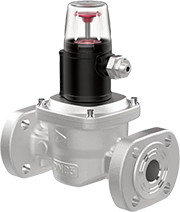
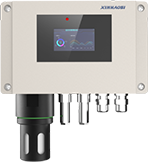
Empowered by technology. Full-chain integration. Comprehensive safety protection, shaping the future with intelligence.

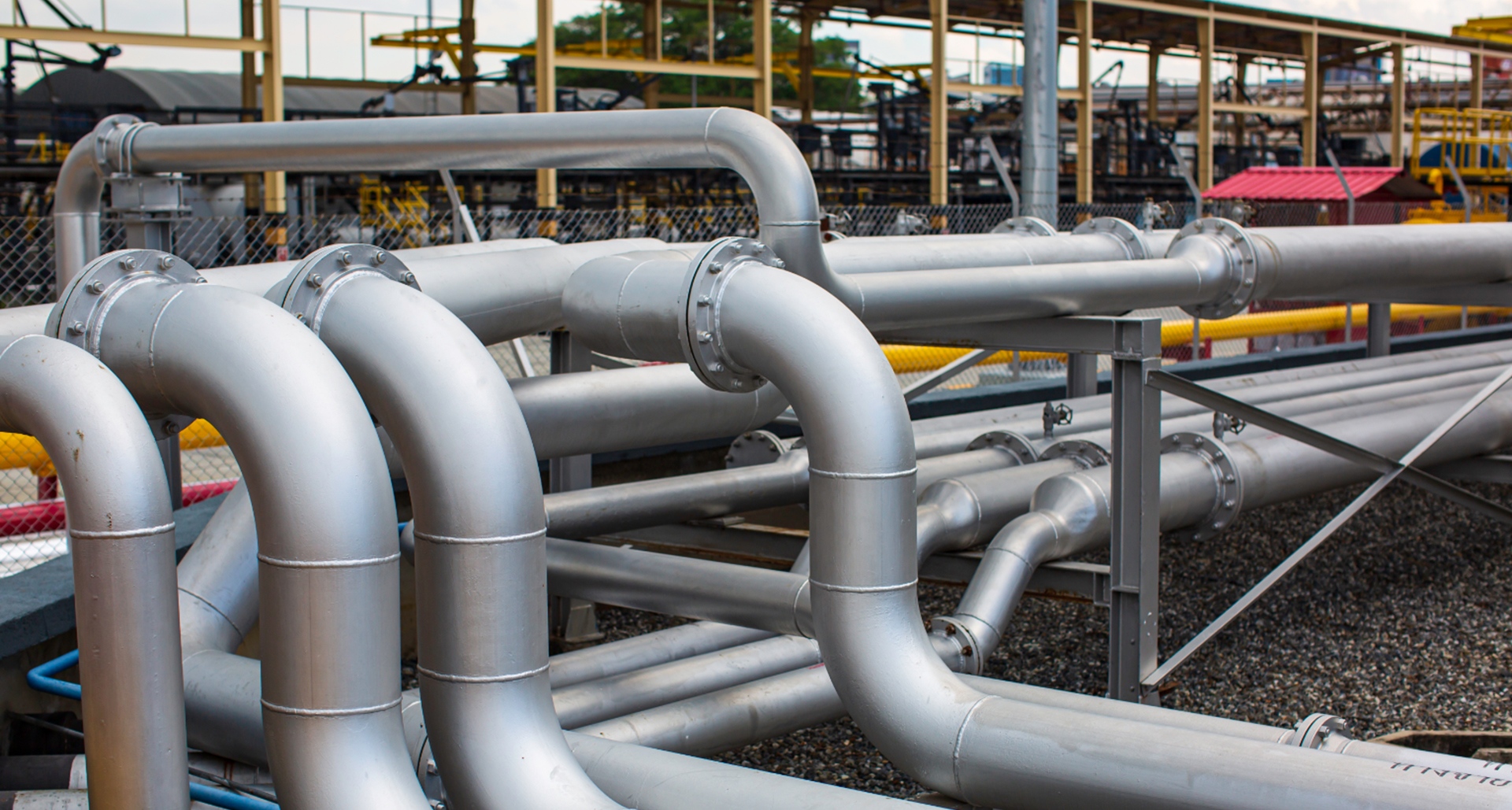
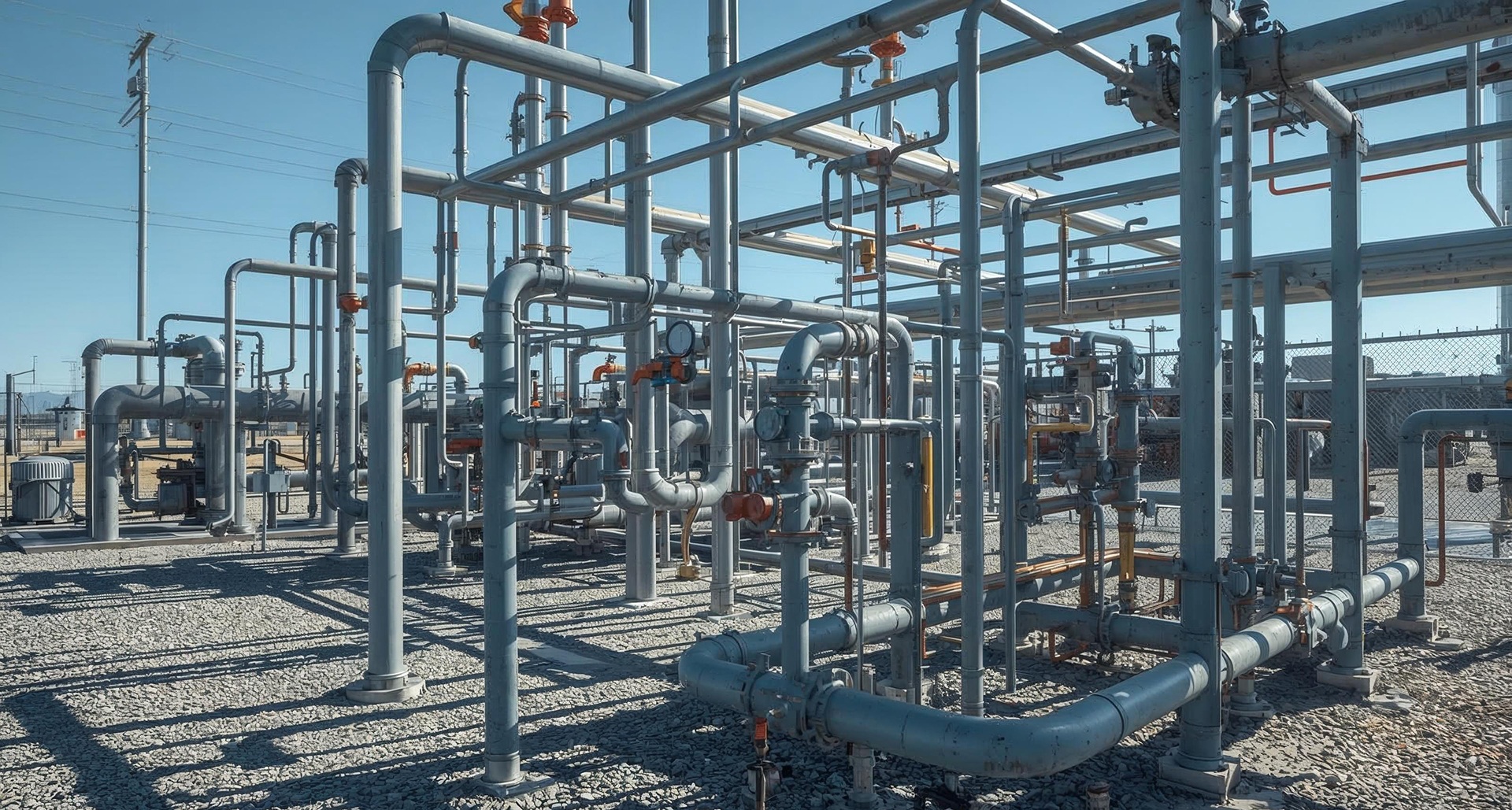
Safety valves are pressure vessels. Our 2-inch safety valve models undergo strict testing to verify conformity with localized safety frameworks worldwide.
Mandatory for pressure vessels operating above 15 psi in North America. Our 2-inch safety valves undergo flow coefficient verification tests to receive the "UV" designator stamp, ensuring structural safety and reliable discharge capacity.
Standardizes the center-to-face dimensions, pressure-temperature ratings, and orifice designations (e.g., D through T) for steel pressure relief valves. Our 2-inch valves align perfectly with API 526 standards to facilitate direct retrofit replacements.
The Pressure Equipment Directive is mandatory for pressure systems in the European Economic Area. Every safety valve we export is subjected to Category IV module compliance assessments to ensure safe installation and operation.
Fostering collaborative safety integrations with global enterprises and engineering consultancies.
























Stay tuned for the latest updates from Xinhaosi & the Industry.
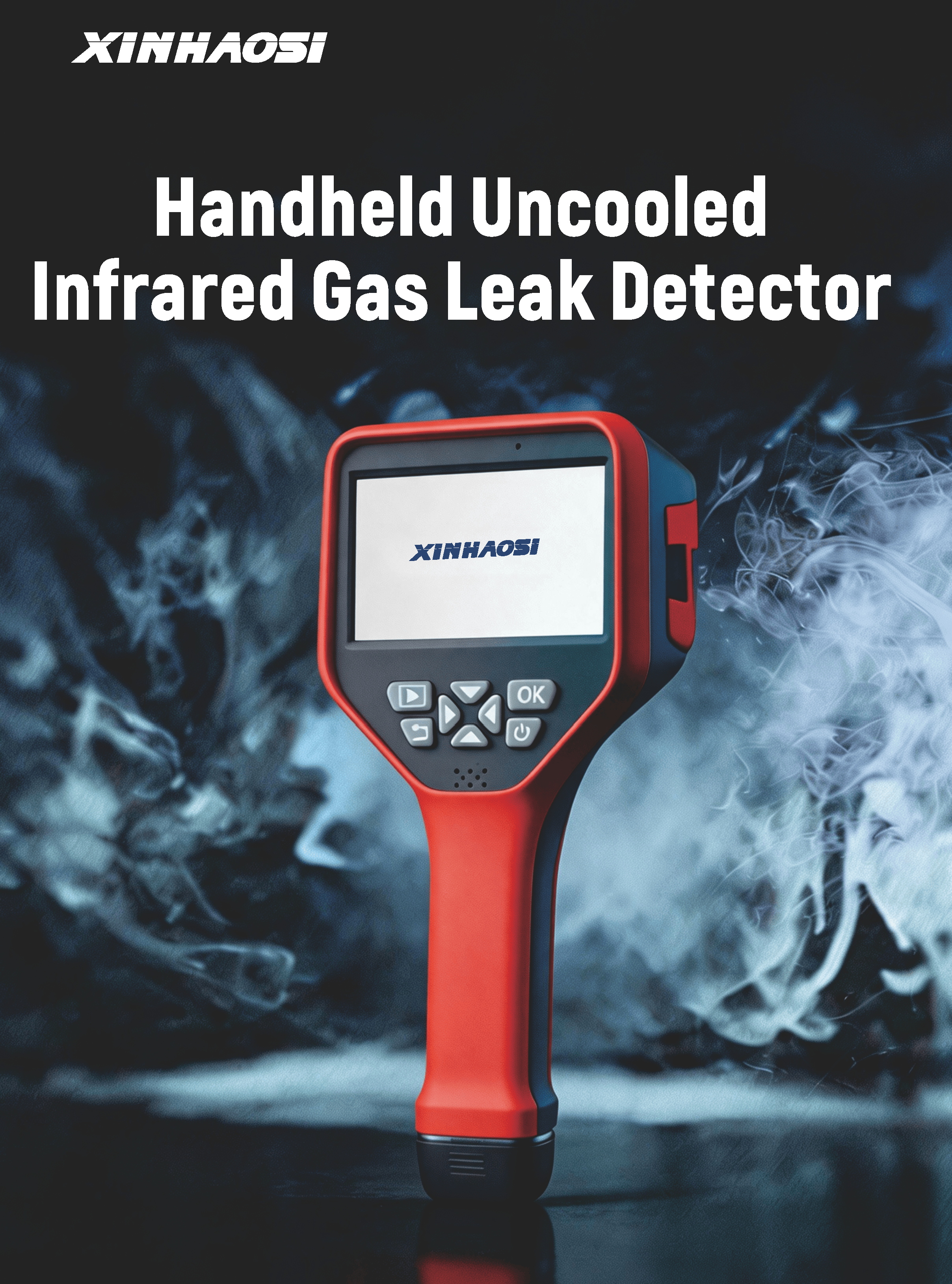
Xinhaosi Electronic Detection Technology Co., Ltd. officially launched its new Handheld Uncooled Infrared Gas Leak Detector, featuring dual-technology fusion, ultra-fast response, and long-distance non-contact detection...
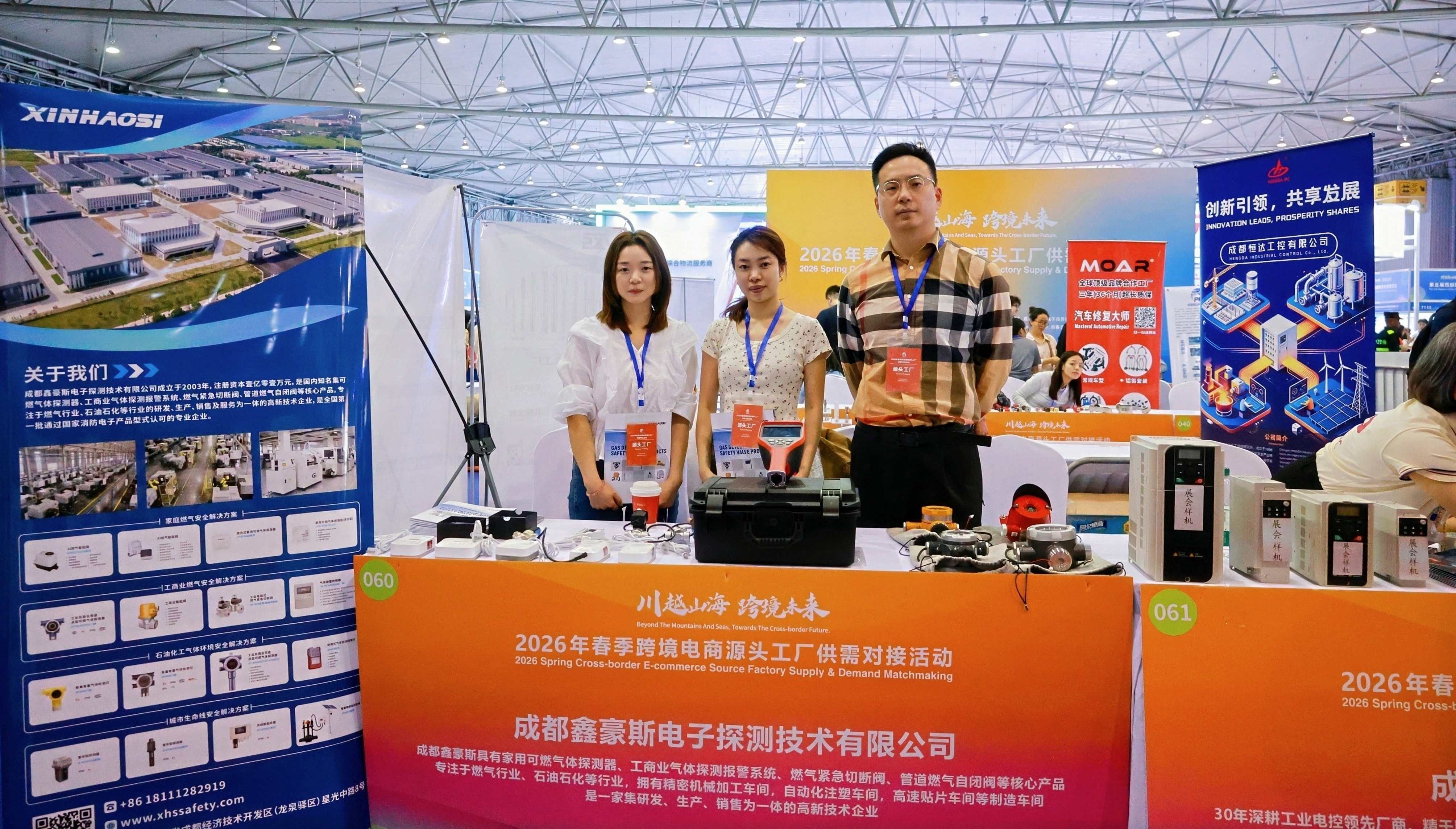
XINHAOSI recently participated in the 5th Western China Cross-Border E-Commerce Expo held in Chengdu. The event brought together cross-border e-commerce platforms, global buyers, manufacturers...

XINHAOSI recently participated in the 2026 Sichuan (Chengdu) – Indonesia Industry Matchmaking Conference held in Chengdu. The event gathered enterprises from China and Indonesia...
Technical answers to help engineering teams design and integrate safety relief valves.
High-performance gas safety systems engineered for commercial and industrial process plants.