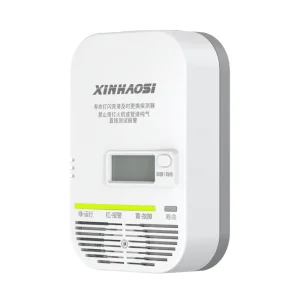
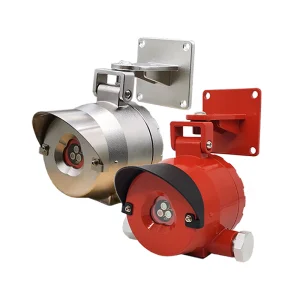
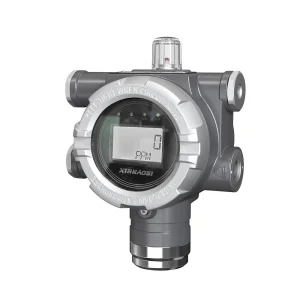
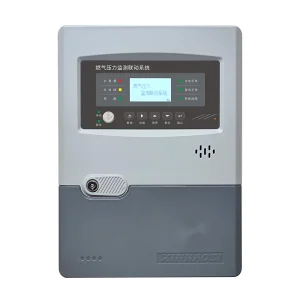
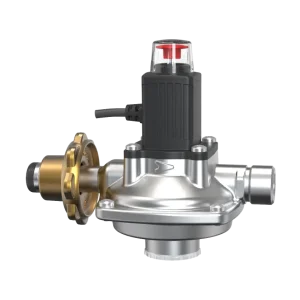
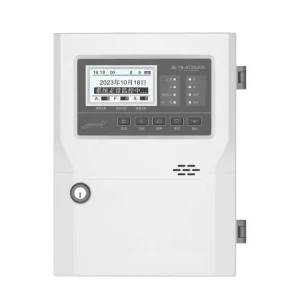
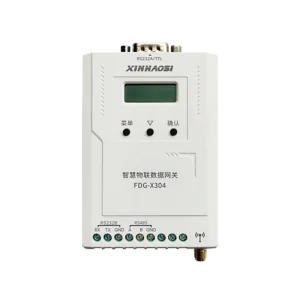
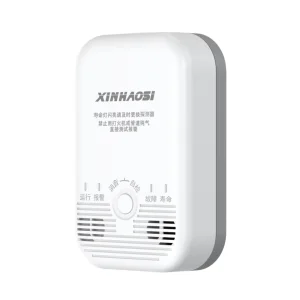
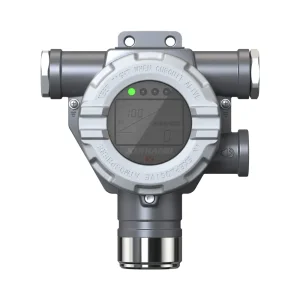
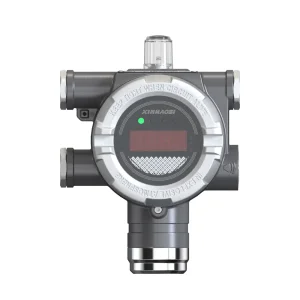
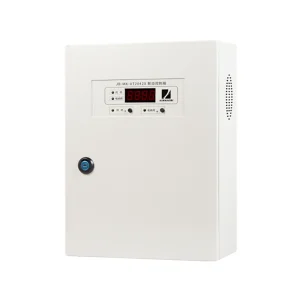
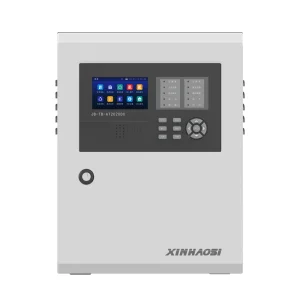
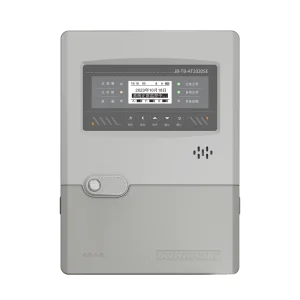
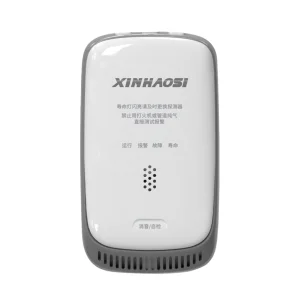
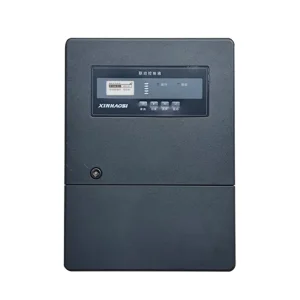
Explore our premium product portfolio, integrating safety solenoid valves, flame detectors, intelligent gateways, and robust combustible gas monitoring arrays.
A 1-inch safety valve represents a critical mechanical pressure relief intersection in steam, gas, liquid, and multi-phase industrial environments. Understanding its operational limits and sizing rules is paramount to maintaining structural integrity and preventing catastrophic overpressure incidents. Unlike standard regulatory fittings, a calibrated safety valve must function reliably at set limits, reacting dynamically to pressure changes.
The standard nominal size of "1 inch" typically refers to the connection threads or flanges (inlet size). However, for safety professionals and engineers, the critical metric is the flow area or the internal orifice designation (such as API 526 'D', 'E', or 'F' orifices). A 1-inch inlet connection might feature a D-orifice (effective area of 0.110 sq in) or an E-orifice (effective area of 0.196 sq in). Selecting the correct orifice size guarantees that the discharge rate is sufficient to offset maximum pressure surges, in line with ASME Section VIII and API 520 standards.
Proper flow dynamics depend on calculating fluid behaviors under backpressure. Total backpressure is the sum of superimposed backpressure (static pressure on the outlet side prior to opening) and built-up backpressure (pressure developed at the outlet during discharge). If backpressure exceeds 10% of the set pressure, standard safety valves experience reduced capacity, requiring a balanced bellows or pilot-operated design.
OEM customization options begin with metallurgical selection. Materials must be compatible with the chemical properties, temperature ranges, and abrasion levels of the process media:
| Specification Metric | Standard Configuration | High-Pressure / Chemical Option | Testing Protocols Applied |
|---|---|---|---|
| Set Pressure Range | 0.5 bar to 40 bar (7.25 psi to 580 psi) | Up to 350 bar (5,076 psi) | API 527 Seat Tightness Test |
| Temperature Tolerances | -29°C to 200°C | -196°C (Cryogenic) to 538°C | Thermal Cycle Performance Verification |
| Orifice Designation | API 526 Orifice D & E | Custom CNC Bore Orifices | Dimensional Laser Mapping |
| Sealing Performance | Metal-to-Metal Precision Ground | Soft Seat (PTFE, Viton, EPDM) | Bubble-tight Leakage Testing |
Modern industrial safety relies on redundancy. The "X Philosophy" blends mechanical relief valves with electronic gas detection and smart shutoff solenoid valves to create a multi-layered barrier against industrial hazards.
Xinhaosi has pioneered safety detection and pressure relief coordination for decades.
Seamless linking between overpressure valves, solenoid systems, and gas detectors.
Engineered to meet international safety integrity standards.
Founded in 2003, Xinhaosi has stood as an influential and reliable brand in the gas safety industry. Our technology combines gas sensors with automatic shutoff systems, protecting industrial sites from the initial leak to potential combustion. When a gas leak is detected by our advanced arrays, a command signal triggers a fast-acting gas solenoid valve, isolating the line before the 1-inch safety valve reaches its mechanical set pressure. This design helps minimize environmental release during overpressure events.

As a leading safety valve supplier, our manufacturing plant balances volume efficiency with custom engineering capabilities.
We source raw bar stock and castings with full chemical traceability, utilizing spectral analysis to verify structural integrity before machining.
Our machine shop holds dimensional tolerances within ±0.005mm, producing flat nozzle seats that prevent leakage in critical seal configurations.
Every 1-inch safety valve undergoes automated hydrostatic pressure testing, seat leakage testing, and set pressure verification prior to dispatch.
Our engineered solutions protect processes and personnel across a variety of demanding industrial sectors:
Refineries and gas handling hubs require robust pressure relief solutions. Our 1-inch safety valves are designed to withstand sour gas, volatile hydrocarbons, and high-pressure steam. With customizable trim options, these valves prevent uncontrolled venting, containing toxic fluids within closed piping loops.
In steam applications, safety valves prevent overpressure accidents by lifting rapidly when set thresholds are breached. We configure steam-jacketed bodies to prevent viscous media from solidifying inside the valve seat.
Handling liquid oxygen, nitrogen, or argon requires materials that remain ductile at low temperatures. Our cryogenic valves undergo clean-room assembly, eliminating oil and grease residues that could ignite in high-oxygen environments.
We work closely with global safety teams, EPC firms, and plant operators to deliver high-integrity pressure relief configurations.






Pressure relief technology is evolving from passive mechanical units into intelligent, monitored safety systems.
Future 1-inch safety valves will feature integrated sensors to monitor acoustic profiles, spring compression, and temperature gradients. By creating digital twins of these valves within DCS systems, plant operators can predict wear patterns and replace seats before micro-leaks occur.
Using laser powder bed fusion (3D metal printing), we are exploring optimized nozzle configurations that reduce flow turbulence during discharge, increasing flow coefficient (Kd) values while using less raw material.
Stay updated on our latest product releases, cross-border initiatives, and technical milestones.
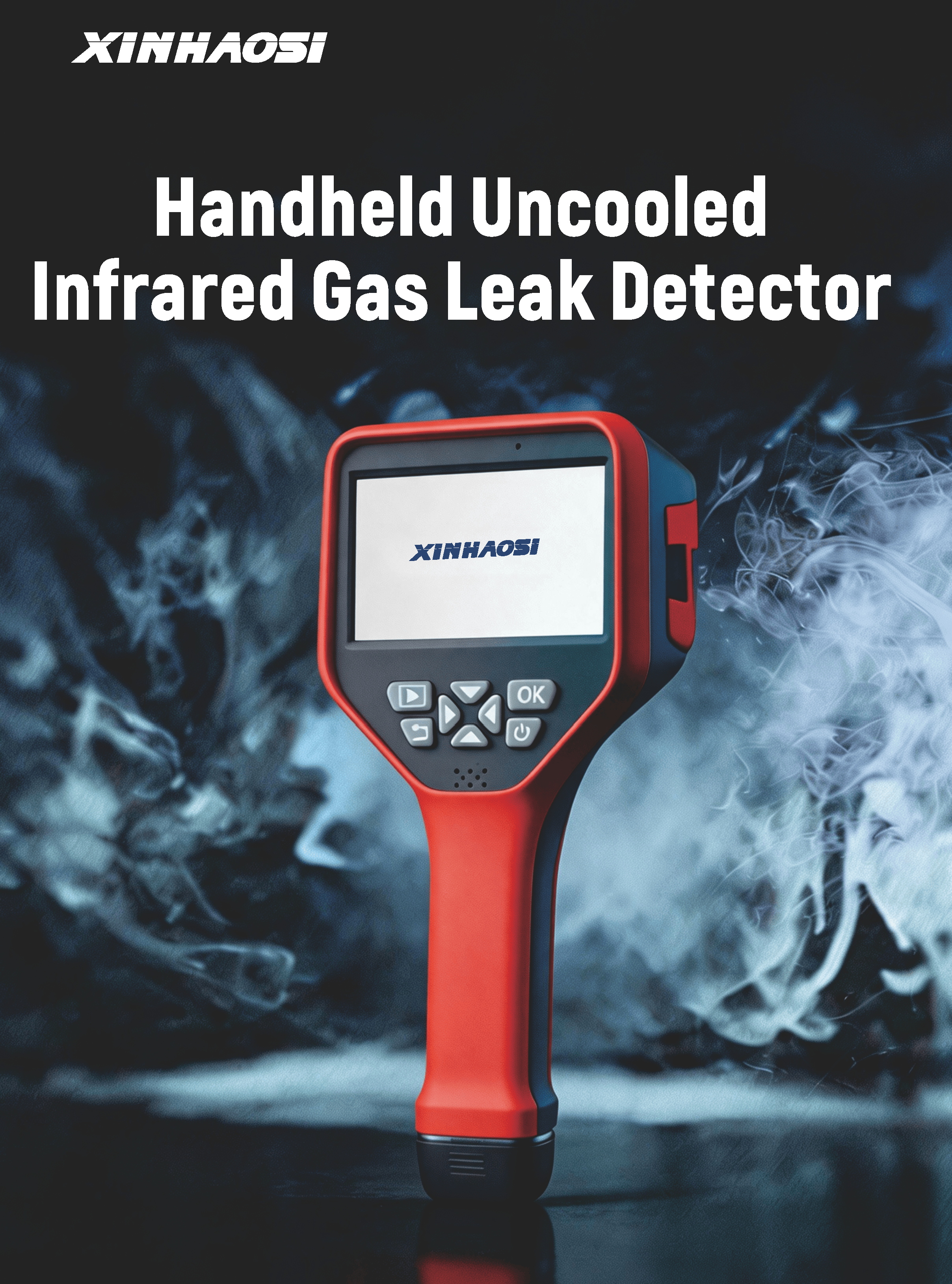
Featuring dual-technology fusion, rapid response times, and non-contact detection to improve safety across petrochemical and industrial facilities.
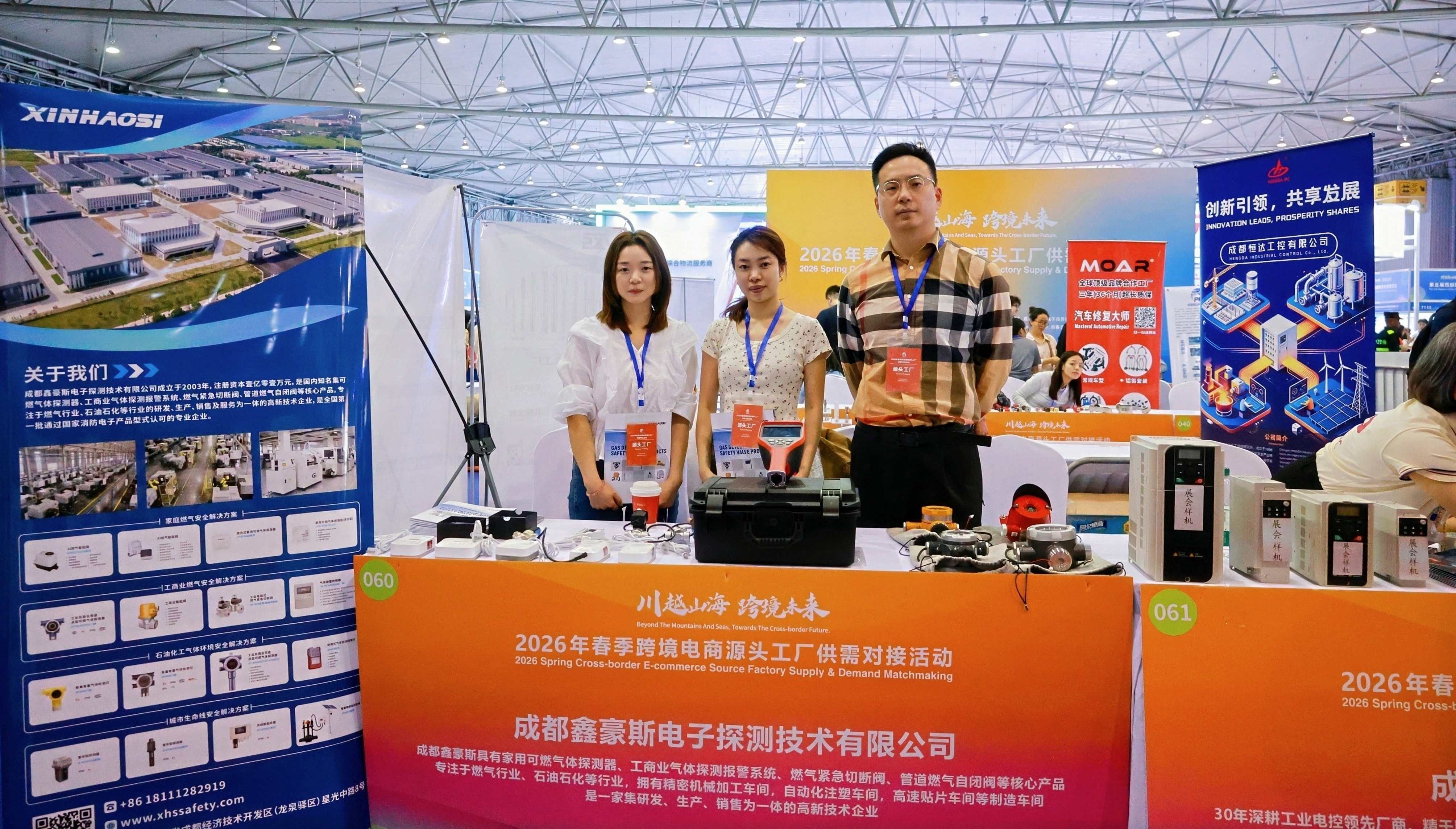
Engaging with global buyers and engineering procurement teams in Chengdu to expand our international distribution channels.

Strengthening industrial partnerships and presenting safety valve and gas detection solutions to Southeast Asian infrastructure projects.
Frequently asked questions by pipeline engineers and procurement officers regarding 1-inch pressure relief valves.
Explore the rest of our safety range, including household and commercial gas alarms, interlock control modules, and explosion-proof detection systems.