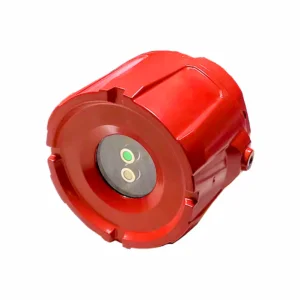
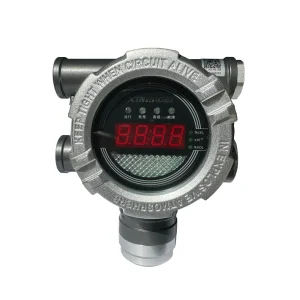
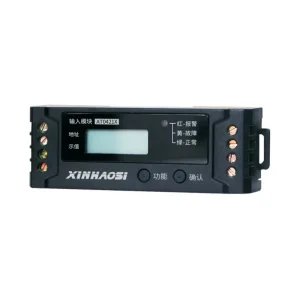
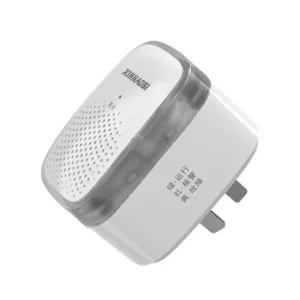
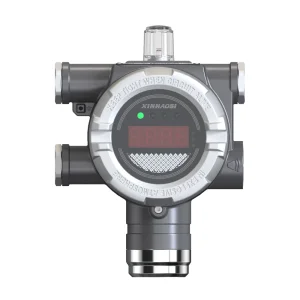
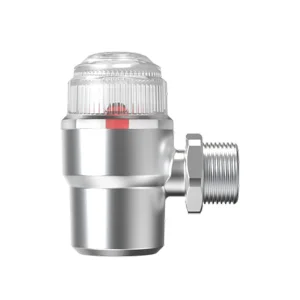
Providing Precision-Engineered Combustible & Toxic Gas Detection OEM/ODM Solutions since 2003. Certified to ATEX, IECEx & Global Standards.
Explore our premium factory-direct safety modules designed for heavy industrial environments, residential operations, and smart hazard prevention systems.
Founded in 2003, Xinhaosi is one of the most influential and reliable brands in the gas safety industry. We provide customer-focused products and services to safeguard the safe operation of every factory, the comfort of every city, and the peace and happiness of every home. Powered by cutting‑edge production systems and technology, we deliver more advanced, intuitive, and precise gas safety solutions for shaping a safer future world.


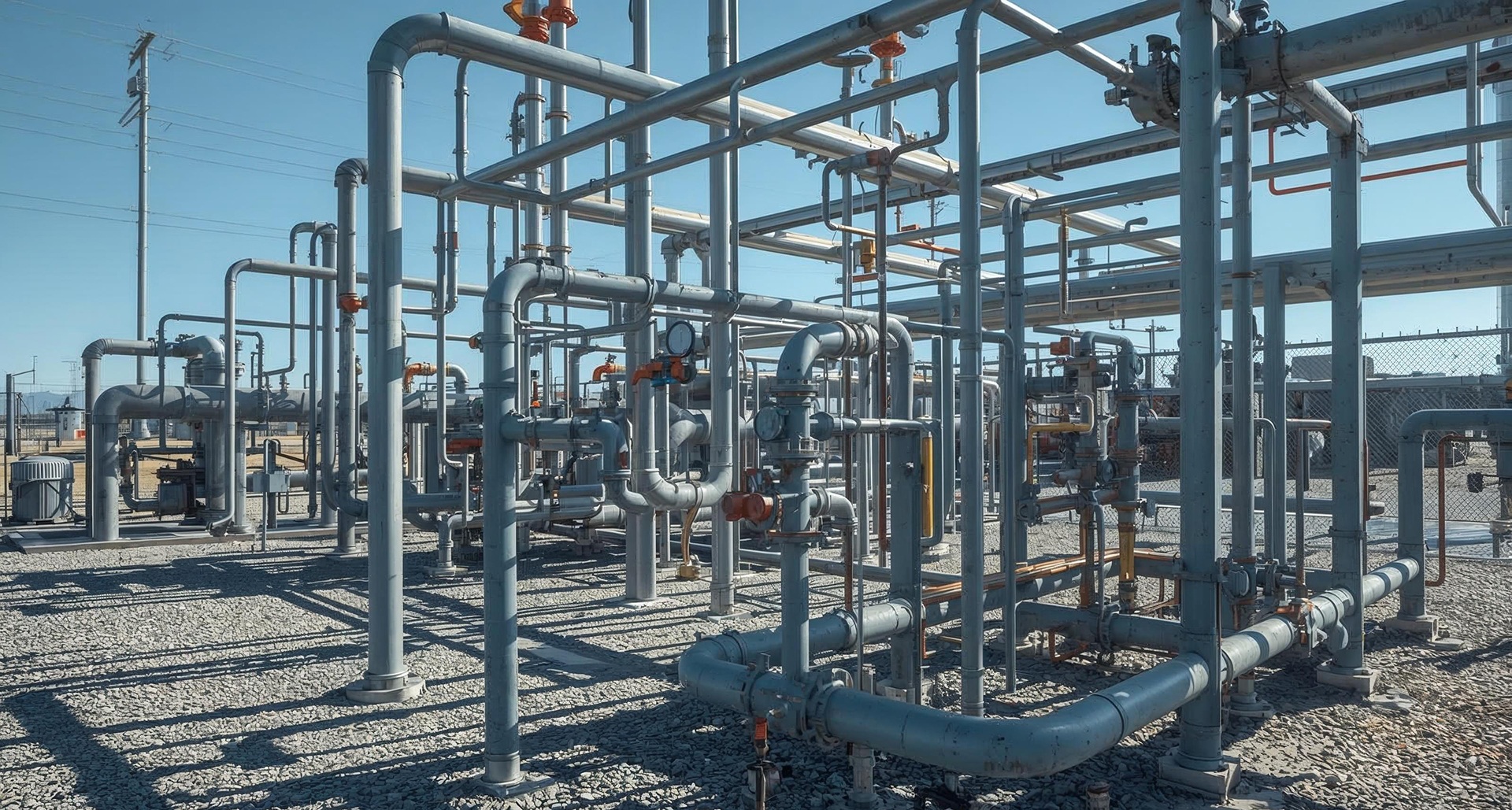


We utilize advanced electronic detection technology to make unknown gas leak risks clear and visible, eliminating potential hazardous spots before they manifest.
More About UsA comprehensive assessment of sensor technologies deployed globally by OEM engineering divisions.
Utilizes specific light wavelengths to detect target hydrocarbon elements (Propane, Butane). Highly stable, immunity to chemical poisoning, long lifespan (10+ years), low maintenance.
Industry-standard for LEL (Lower Explosive Limit) detection. High linearity response to flammable gases, fast dynamic reaction, cost-effective for mass-scale industrial deployments.
Targeted at domestic safety grids and commercial HVAC monitoring. Extremely high sensitivity to low ppm concentrations of LPG, long operational life, low-cost topology.
| Feature Parameter | Catalytic Bead (LEL) | NDIR Infrared | Metal Oxide Semiconductor (MOS) |
|---|---|---|---|
| Primary Target Gas | Combustible Hydrocarbons (0-100% LEL) | Hydrocarbon Gases (Propane/Butane) | LPG Leakage (PPM to low LEL range) |
| Typical Lifespan | 3 - 5 Years | 8 - 10+ Years | 5 - 8 Years |
| Poisoning Vulnerability | High (Silicons, Lead, Halogens) | Zero Susceptibility | Medium Resistance |
| Accuracy Drift | <±5% LEL / year | <±2% LEL / year | Varies (Temp/Humidity dependent) |
| Relative OEM Cost Unit | Medium | High | Low |
Empowered by technology, Full-chain integration, Comprehensive protection, Shaping the future with intelligence.
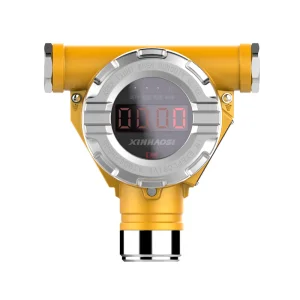
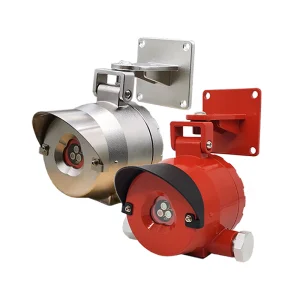
Safety First from Precision Sensing. Built to withstand hazardous environments in refineries, chemical storage facilities, and transport pipelines.
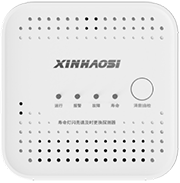
Home Safety from Gas Monitoring. Intelligent IoT sensors integrated with home networks, preventing kitchen hazard escalations.
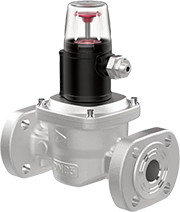
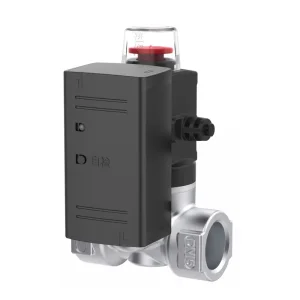
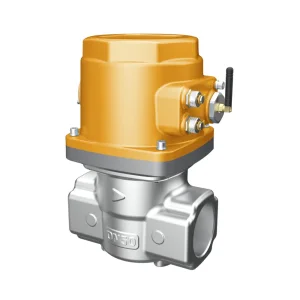
Protecting from the Source. Direct link-up valves that cut off fuel line supply autonomously the millisecond gas levels cross the safe threshold.
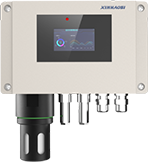
Smart Sensing for Urban Gas. Monitoring extensive city pipe grids, underground utilities, and gas pressure stations remotely in real-time.
We design, develop, and manufacture custom LPG detection boards, ready to be dropped into client enclosures. Our manufacturing facility complies with ISO9001 quality systems and maintains active certification frameworks under worldwide hazard criteria.
Leading enterprises collaborating with Xinhaosi to secure lives and industrial facilities worldwide.
























Analysing market trajectories and system integrations for safety engineering executives.
The growth of Liquefied Petroleum Gas (LPG) as a transitional clean fuel across industrial regions in Southeast Asia, Europe, and Latin America has driven a steep curve in procurement requirements. Modern safety setups look beyond basic threshold sounders; they require complete integration capabilities.
"For industrial safety architects, an ideal sensor module must support auto-zero drift adjustment, field calibration over Modbus/Bluetooth, and possess a long structural lifecycle to minimize OPEX costs."
Moreover, regulatory agencies are tightening certifications. Under EN 50194 or UL 1484, domestic combustible gas detectors are evaluated for operational stability against varying relative humidity (ranging from 10% to 95% RH) and dramatic ambient thermal shifts.
Merging LPG detection elements with CO (Carbon Monoxide) sensors on single smart microchips. This protects domestic users from both incomplete combustion hazards and raw LPG supply leaks simultaneously.
Developing miniaturized NDIR components that draw power within the microwatt threshold. This will allow highly reliable battery-powered wireless detectors to run continuously for over five years.
Implementing machine learning networks within local microcontrollers (edge AI) to actively identify and cancel sensor drift caused by humidity and aging, eliminating manual calibration schedules.
Explore recent technology product rollouts, events, and trade operations.
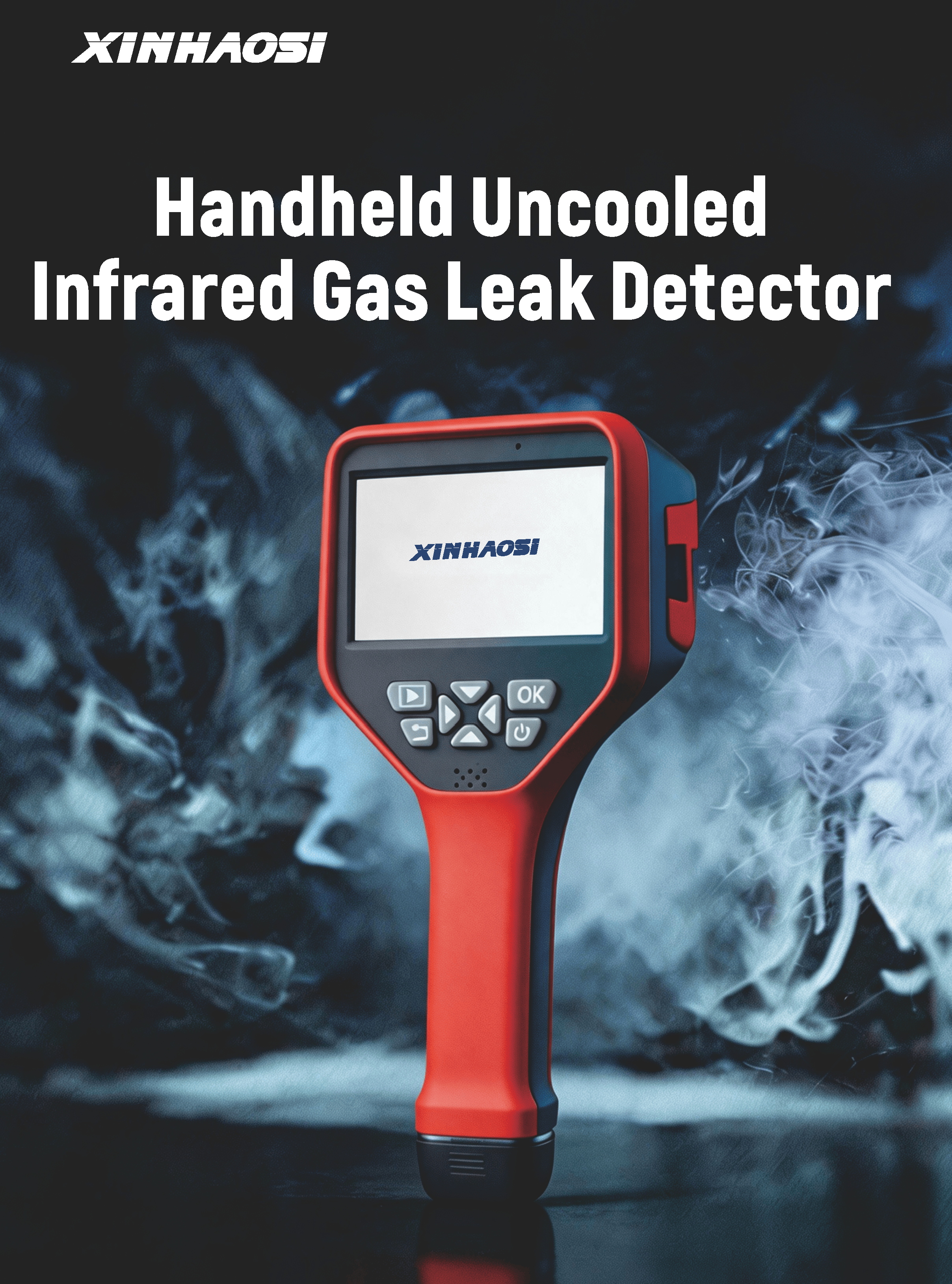
Xinhaosi Electronic Detection Technology Co., Ltd. officially launched its new Handheld Uncooled Infrared Gas Leak Detector, featuring dual-technology fusion, ultra-fast response, and long-distance non-contact detection to enhance safety and efficiency in petrochemical, refrigeration, natural gas and industrial safety scenarios.
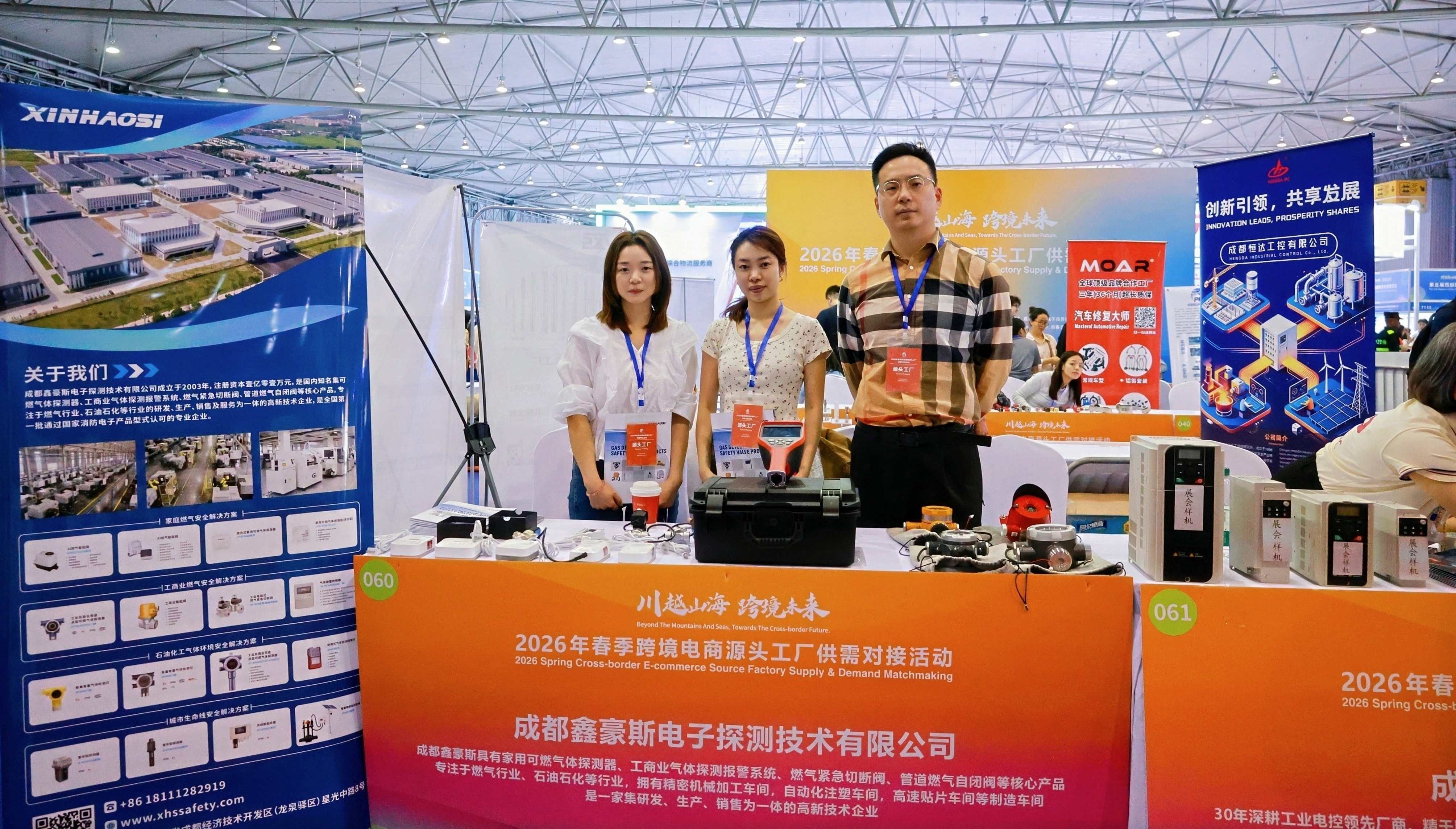
XINHAOSI recently participated in the 5th Western China Cross-Border E-Commerce Expo held in Chengdu. The event brought together cross-border e-commerce platforms, global buyers, manufacturers, and supply chain companies, creating new opportunities for international business cooperation and overseas market development.

XINHAOSI recently participated in the 2026 Sichuan (Chengdu) – Indonesia Industry Matchmaking Conference held in Chengdu. The event gathered enterprises and industry representatives from China and Indonesia to strengthen industrial cooperation and explore new business opportunities in Southeast Asia.
Comprehensive technical answers to critical LPG sensing and OEM procurement issues.
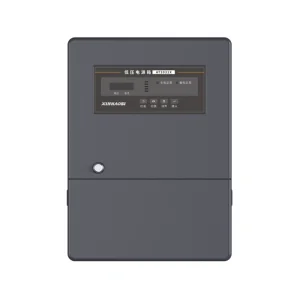
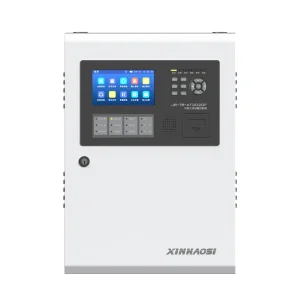
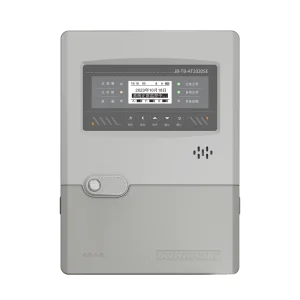
Complete your facility protection layout with our smart shutoff devices, auxiliary power units, and gas detector controllers.