Precision-manufactured interface equipment optimized for extreme industrial configurations and safety compliance.
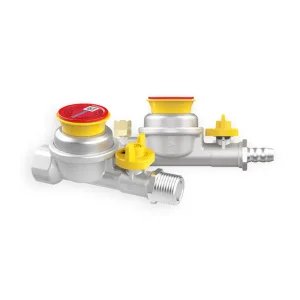
Within high-hazard processing environments, gas distribution grids, and petrochemical facilities, the integrity of fluid and gas pipelines relies on specialized thread mechanics. The National Pipe Taper (NPT) standard, regulated under ANSI/ASME B1.20.1, is the definitive mechanical standard utilized across the Americas and globally for critical sensor and valve integrations.
For operations involving toxic, reactive, or combustible gases, standard mechanical connections are insufficient. Engineering teams mandate premium OEM Inch NPT suppliers who understand the dynamics of thread geometry. Unlike straight threads, the 1° 47' taper angle of NPT components creates a metal-to-metal interference fit. The flanks of the male and female threads compress against each other to build a robust structural seal. At high operating pressures, microscopic imperfections along the root and crest of the thread can cause gas migration paths. Specialized manufacturing requires strict conformance to tolerances down to the micron level.
"In industrial safety, a thread is not merely a fastener; it is the primary boundary of containment. A variation of even 0.05mm in the thread taper can compromise system integrity under high thermal fatigue, leading to catastrophic gas leaks."
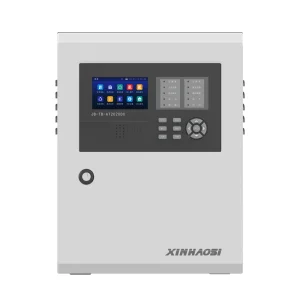
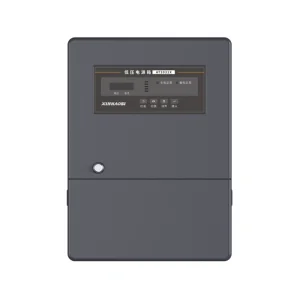
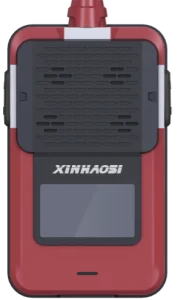
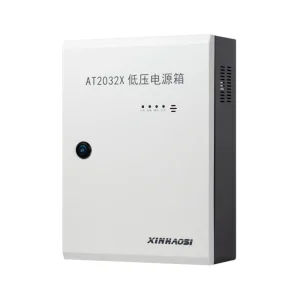
In modern industrial process automation, OEM components must interface seamlessly with a suite of monitoring instruments. These instruments range from localized low-voltage control panels to sophisticated VOC detectors, flame monitors, and high-performance safety shut-off valves. This interconnectivity ensures that if pressure fluctuations occur, safety systems can rapidly respond.
Typical operating limits for heavy industrial NPT connections based on standard ANSI/ASME guidelines.
The selection of an OEM Inch NPT manufacturer depends heavily on their expertise in metallurgy. In petrochemical processing, chemical plants, offshore oil platforms, and municipal utility systems, connections are subject to extreme temperature fluctuations, mechanical vibration, and corrosive environments. Choosing the wrong alloy or a manufacturer with loose quality control processes can lead to fast mechanical failures.
For high-performance applications, stainless steel variants such as 316L (UNS S31603) remain the default choice. 316L offers excellent corrosion resistance because of its molybdenum content, which prevents pitting in chloride-heavy marine environments. However, under high-pressure gas configurations, stainless steel components are susceptible to thread galling (cold welding caused by friction). Qualified OEM NPT manufacturers must apply specialized surface hardening treatments, such as gas nitriding or precise electropolishing, to mitigate galling risks during installation.
In municipal gas networks and household combustible gas monitoring lines, brass and carbon steel components are commonly used due to their thermal expansion profiles and cost-effectiveness. The table below compares the mechanical properties of standard alloys used by leading OEM manufacturers:
| Material Specification | Tensile Strength (MPa) | Corrosion Resistance | Temperature Limits (°C) | Primary Application Areas |
|---|---|---|---|---|
| 316L Stainless Steel | 485 Min. | Excellent (Pitting Resistant) | -196 to 600 | Petrochemical, Marine, Offshore Gas Systems |
| Alloy 400 (Monel) | 550 Min. | Outstanding (Acidic/Saline) | Cryogenic to 425 | Highly Corrosive Gas Lines, Hydrofluoric Acid |
| Brass (C36000) | 340 Min. | Moderate (Non-corrosive gases) | -40 to 150 | Household LPG/Natural Gas Regulators, Solenoids |
| Super Duplex (F55) | 750 Min. | Superior (High-strength) | -50 to 250 | Ultra-deepwater Gas Extraction, Sour Gas Wells |
The manufacturing sector is moving beyond basic physical interfaces. Industrial automation and IoT integration have pushed NPT fittings to serve as physical structural hosts for smart instrumentation. Today's OEM Inch NPT ports are machined to house temperature, pressure, and gas concentration sensors directly inside the fluid path. This allows for real-time data collection at critical junction points.
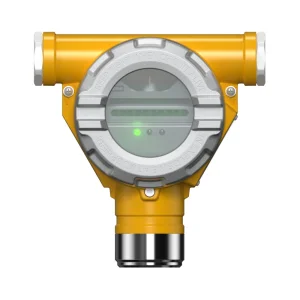
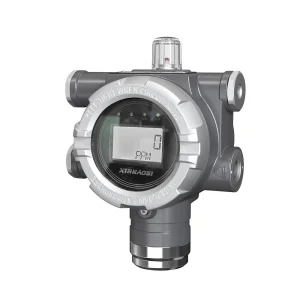
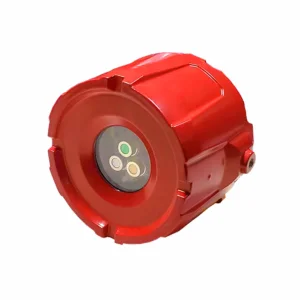
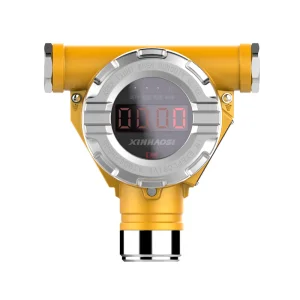
For example, modern toxic gas detectors (like the XP4000P Explosion Proof Gas Detector) and flame detection units (like the IFD2020 Series) are designed with integrated NPT threaded enclosures. These enclosures protect the sensitive detection elements while maintaining an airtight, explosion-proof boundary capable of containing internal combustion without releasing sparks into the surrounding atmosphere.
How we maintain zero-defect manufacturing for hazardous-duty Inch NPT connections.
Multi-axis CNC lathes cut threads to precise ANSI/ASME B1.20.1 standards, ensuring taper parameters are maintained down to the micron.
Every production run undergoes 100% optical inspection to verify the thread angle, depth, and crest-root truncation profiles match specifications.
Assembled valves and detectors are tested using Helium Mass Spectrometer leak detection equipment, ensuring leak rates stay below 1x10⁻⁹ std cm³/s.

Founded in 2003, Xinhaosi has established itself as an influential and reliable brand in the global gas safety and industrial automation sectors. The company specializes in electronic detection, pipeline shut-off systems, and integrated gas safety management. Xinhaosi provides customer-focused products and services that safeguard operations across petrochemical plants, urban gas distribution grids, commercial complexes, and homes worldwide.
Our engineering philosophy centers on the idea that "X represents the unknown risks, and X represents the next-gen safety technology designed to solve them." Utilizing advanced electronic detection systems, Xinhaosi turns unknown leak hazards into visible, manageable data points. We integrate precise physical connection standards, such as NPT and BSPT threads, with advanced digital warning platforms to build comprehensive safety systems.
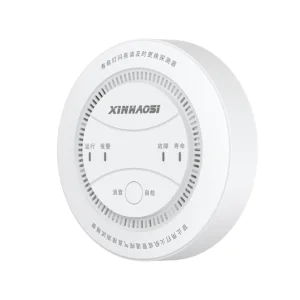
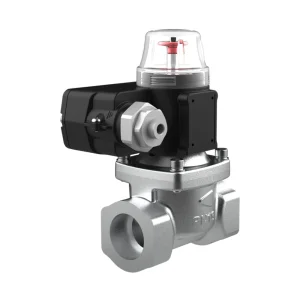
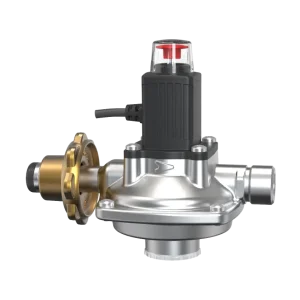
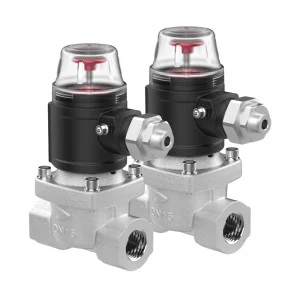
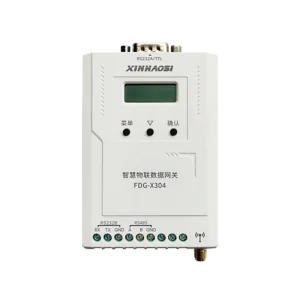
This integration extends to macro-level solutions where safety valves (like the XF3III and XF5III Industrial Gas Solenoid Valves) connect with intelligent data gateways (such as the FDG-X304) and central controller terminals. This layout creates an automated, fail-safe system that responds instantly to potential leaks.
Explore Safety Shut-off SystemsEngineered to deliver end-to-end safety from industrial extraction sites to domestic gas lines.
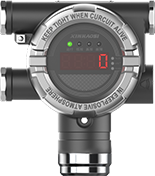
Sensing systems designed for petrochemical plants, chemical warehouses, and hazardous areas requiring explosion-proof certification.
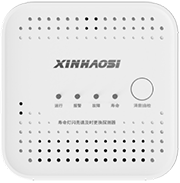
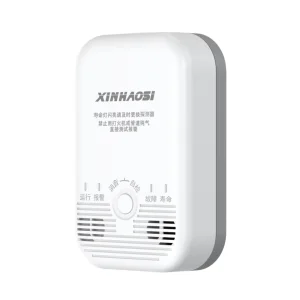
High-reliability sensors for home kitchens and commercial venues, designed to detect combustible gases before they reach dangerous levels.
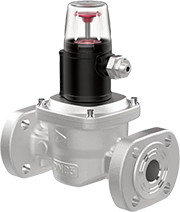
Solenoid valve technologies that automatically shut off flow in response to system alerts, sealing off leaks at the source.
Industrial components must meet local regulations and environmental conditions. Different regions require specific setups to comply with local safety laws:
In the United States and Canada, the use of NPT threads is standardized under ASME codes. Operators in the Permian Basin and Western Canadian Sedimentary Basin rely on 1/2-inch and 3/4-inch NPT instrument interfaces. These interfaces connect heavy-duty pressure sensors and explosion-proof gas monitors to process piping. Systems require ATEX, IECEx, or UL certifications to operate safely in environments where gas leaks could trigger explosions.
European plants often use a mix of BSPP (British Standard Pipe Parallel) and NPT connections. In these mixed systems, OEM manufacturers provide precise adapters to convert NPT threads to BSPP profiles. This helps maintain system integrity and prevents leaks that can occur when mixing different thread types.
As cities expand in APAC, municipal gas utilities are installing automated monitoring points in high-density residential areas. These installations use electronic gas detectors linked via wireless gateways (like the FDG-X304) to automated gas shut-off valves. This setup allows municipal monitoring centers to track gas flow and shut down lines remotely if a leak is detected.
Stay informed on safety engineering innovations and regional compliance initiatives from Xinhaosi.
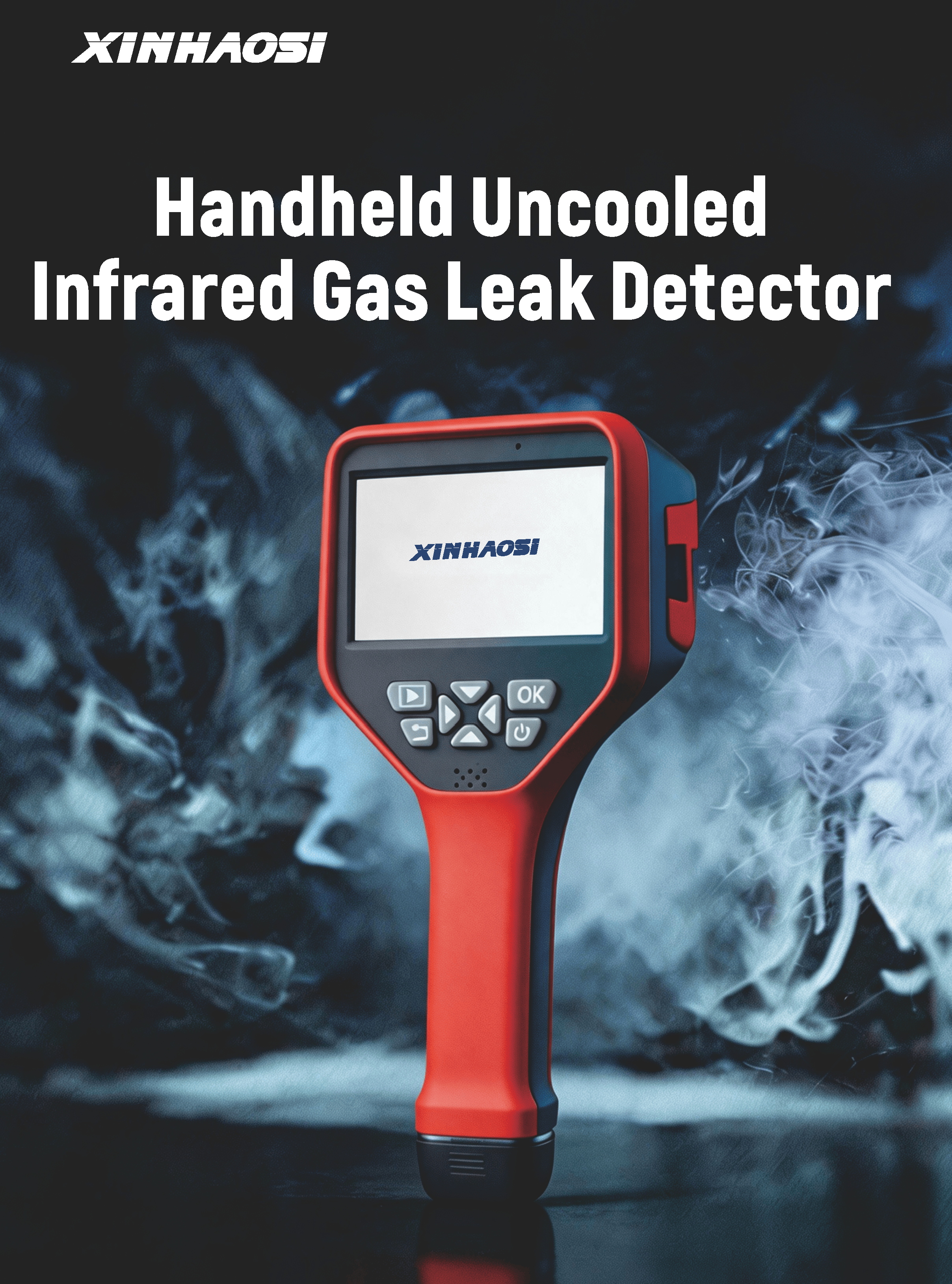 May 09, 2026
Introducing dual-technology fusion and long-distance detection for petrochemical and industrial safety scenarios.
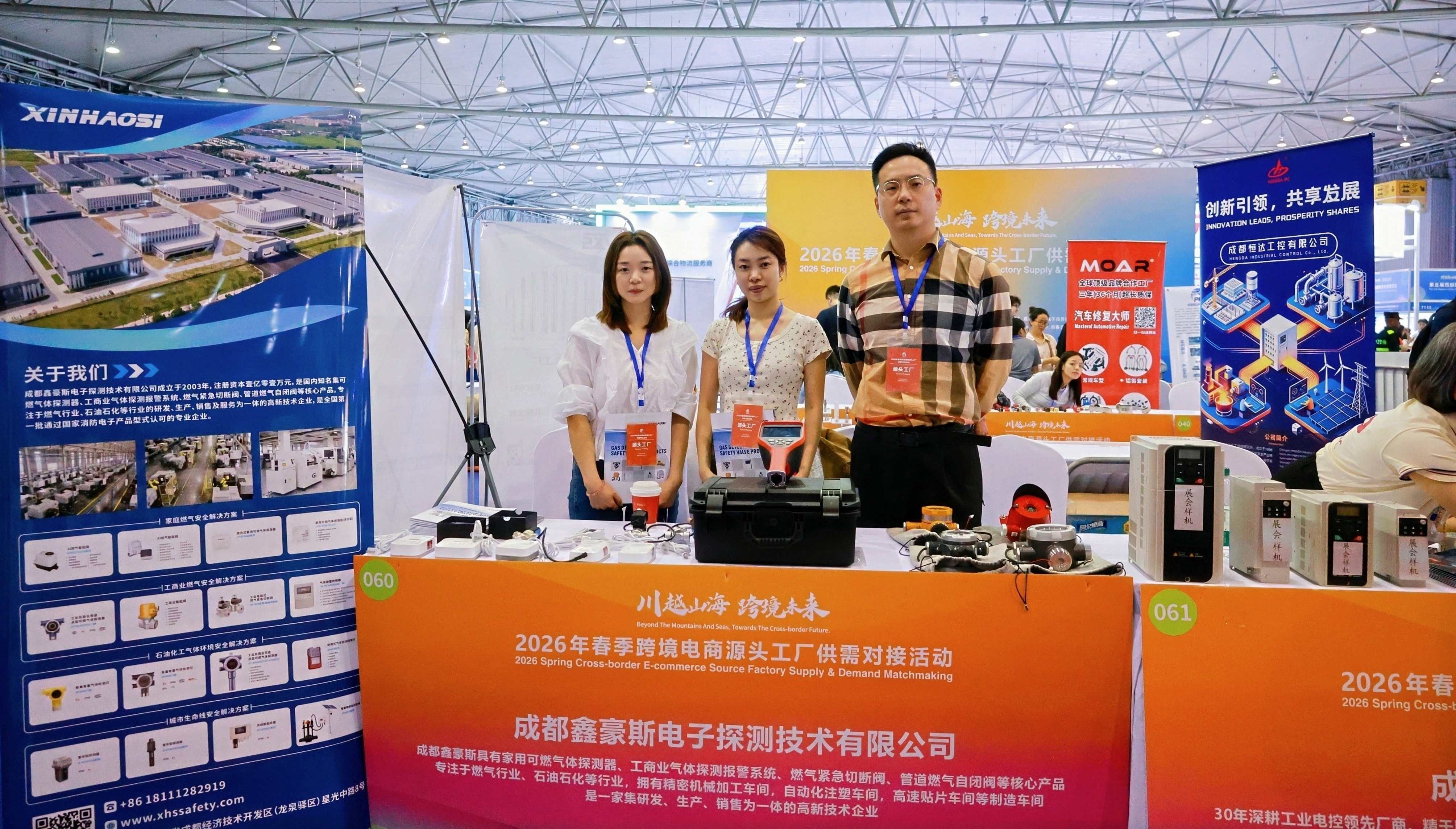 May 08, 2026
Collaborating with international buyers and manufacturing networks to expand overseas safety partnerships.
 May 08, 2026
Developing safety solutions and expanding support networks for industrial markets in Southeast Asia.
Detailed answers to common questions about thread design, material choice, and safety certifications.
NPT (National Pipe Taper) threads use a 60° V-profile and are designed to ASME B1.20.1 standards, which are common in North America. BSPT (British Standard Pipe Taper) threads use a 55° Whitworth profile and are widely used in Europe and Asia. Because the thread profiles and pitches differ, they cannot be mixed. Attempting to force them together will cause leaks and damage the threads. Proper adapters must be used to transition between NPT and BSPT connections.
Even with a precise taper, minor manufacturing variations can leave micro-gaps between the thread roots and crests. These gaps can allow high-pressure gases to escape. Using PTFE tape or liquid pipe sealant fills these voids and lubricates the threads during assembly, which prevents galling and helps create a secure, gas-tight seal.
Stainless steel naturally forms a protective oxide layer that can friction-weld together under high torque, a process known as galling. To prevent this, Xinhaosi uses specialized manufacturing processes, including controlled surface hardening and precise polishing. We also recommend using high-quality lubricants or anti-seize compounds during installation.
Equipment used in hazardous environments must have explosion-proof and intrinsic safety certifications. Key standards include ATEX (for Europe), IECEx (global), and UL/CSA (for North America). These certifications guarantee that the device is designed to contain any internal spark or flame, preventing it from igniting gases in the surrounding area.
Integrating these devices allows for automated safety responses. When a detector (such as the GTYQ-AT0505) senses gas levels above a set threshold, it sends a signal to the controller. The controller immediately triggers the solenoid valve to close, shutting off the gas supply at the source to mitigate the hazard before it can escalate.
Providing safety solutions for major utilities, processing plants, and safety networks worldwide.





Precision-manufactured interface equipment optimized for extreme industrial configurations and safety compliance.