Modern industrial operations demand uncompromising environmental control and safety monitoring. Fixed gas detection systems act as the primary defense against toxic gas leakages, volatile organic compound (VOC) emissions, and combustible gas accumulations. Globally, regulatory bodies including OSHA (Occupational Safety and Health Administration) in North America, ATEX/IECEx directives in Europe, and national safety frameworks in the Asia-Pacific region mandate strict installation of fixed detection networks in hazardous environments.
As smart industrial parks and heavy industries continue to expand, the demand for fixed gas monitors has shifted from reactive alarms to predictive hazard intelligence. Systems must not only sense gas leakages but also withstand extreme ambient conditions, demonstrate functional safety (SIL 2/3 compliance), and integrate seamlessly with distributed control systems (DCS) via digital industrial communication standards like Modbus, HART, and Ethernet/IP.
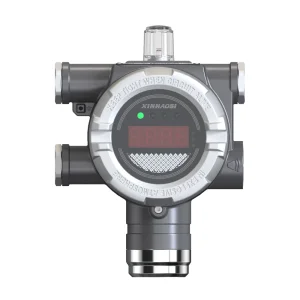
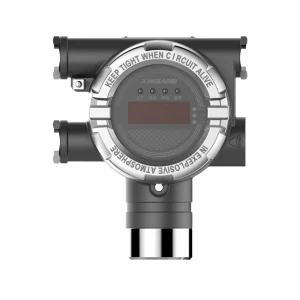
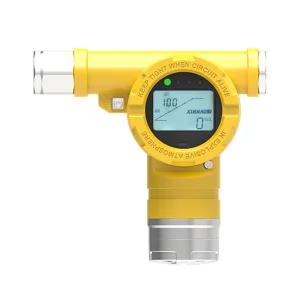
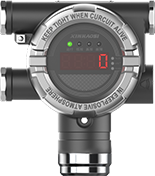
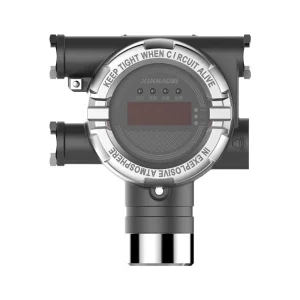
Designed specifically for Zone 1 and Zone 2 hazardous areas, protecting chemical processing plants, refineries, and pipelines from flammable hazards.
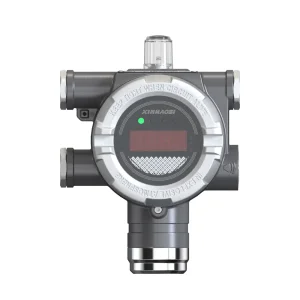
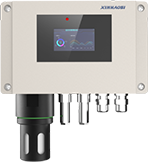
Onboard computational systems evaluate gas levels, sensor health, and ambient temperatures to predict sensor drift and failure before it happens.
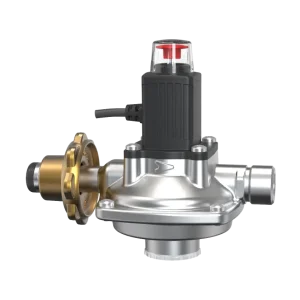
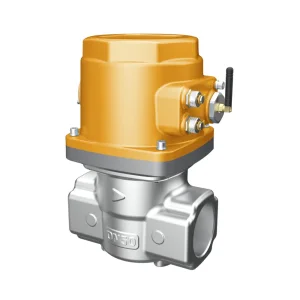
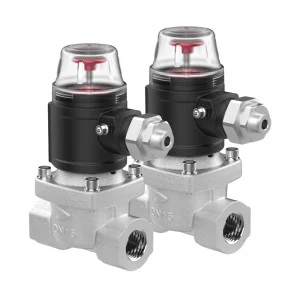
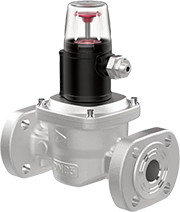
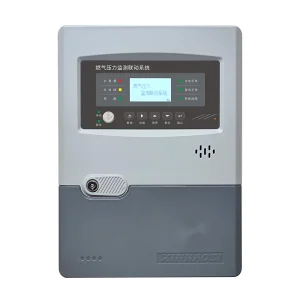
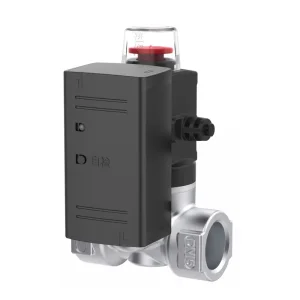
Automatically trigger shut-off systems at the gas source instantly when thresholds are violated, mitigating risks without manual intervention.
Founded in 2003, Xinhaosi has established itself as one of the most influential and reliable brands in the global gas safety industry. We utilize advanced electronic detection technology to make unknown gas leak risks clear, visible, and manageable. We provide customer-focused products and services to safeguard the operations of factories, municipal grids, commercial facilities, and residential environments.
Powered by cutting-edge digital production systems, advanced environmental calibration chambers, and rigorous quality assurance labs, we deliver precise, industrial-grade gas safety solutions for shaping a safer world.


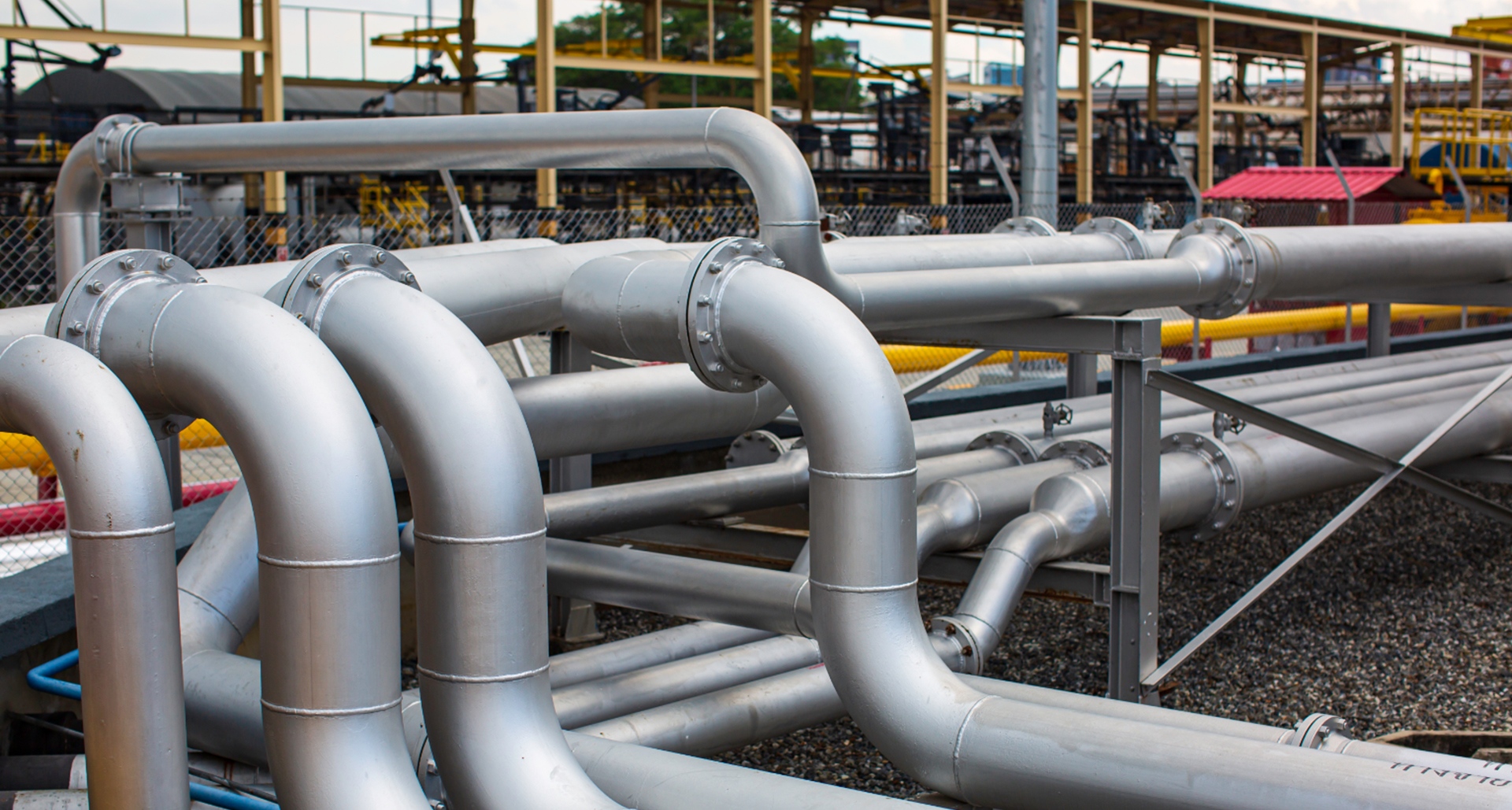
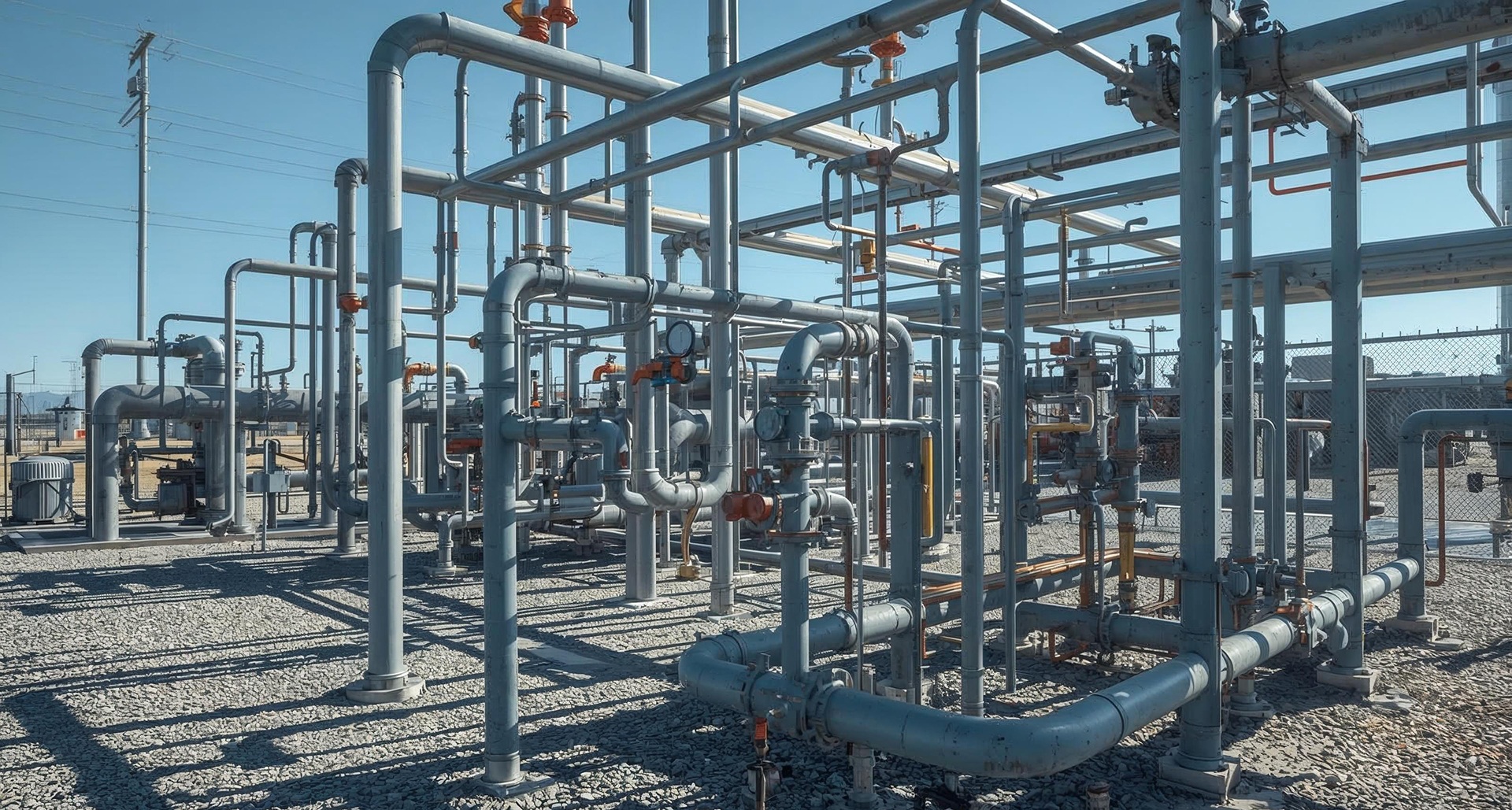
The technology underpinnings of fixed gas monitoring are shifting towards digital integration, multi-sensor fusion, and remote calibration methods. Here is how modern gas detectors have evolved.
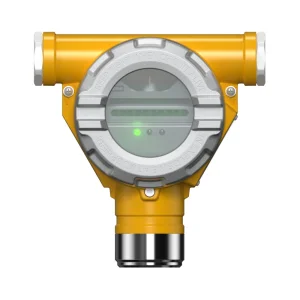
Integrating multiple detection mechanisms—such as Electrochemical (for toxic gases), Catalytic Bead (for combustibility), NDIR (Non-Dispersive Infrared for Carbon Dioxide and Hydrocarbons), and PID (Photoionization Detectors for VOCs)—inside a single housing to prevent cross-interference and ensure accuracy.
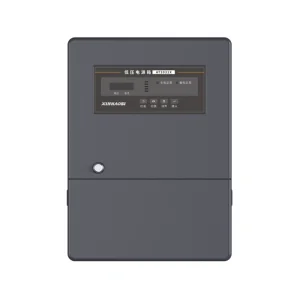
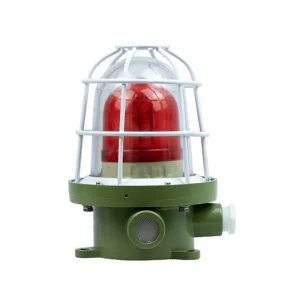
Advanced gas detectors no longer just alert safety operators. They act as autonomous decision-makers, communicating directly with interlock shut-off valves, low-voltage switchgears, and alarm beacons via high-speed logic controllers to restrict gas flow directly at the source.
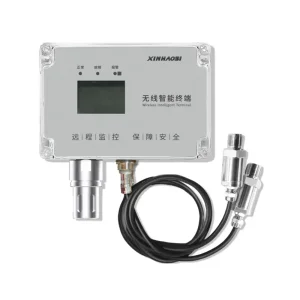
Deploying fixed detectors without expensive cable trenches. Using modern industrial communication methods including 4G LTE, NB-IoT, and LoRaWAN, smart wireless terminals transmit safety diagnostics and environmental levels back to local DCS or secure cloud systems.
Fixed gas monitoring requires tailored solutions because environmental factors alter sensor performance. Here is how Xinhaosi systems adapt to targeted industrial challenges.
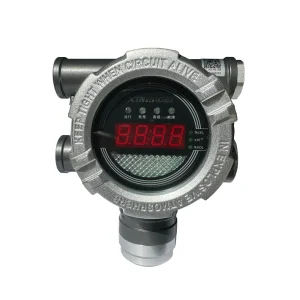
In refineries, highly flammable hydrocarbons present explosive hazards. The installation of certified flameproof combustible gas detectors (like GTYQ-XP4000B) prevents explosive risks. These systems feature explosion-proof cast aluminum enclosures with high ingress protection (IP66/67) to withstand corrosive salt air, rainfall, and high operating temperatures.
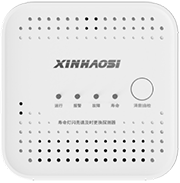
Municipal utility tunnels are susceptible to methane build-up and oxygen deficiency. We integrate low-voltage control setups, wireless intelligent terminals, and explosion-proof alarms to build a distributed grid network. Alarms are instantly pushed to command centers, automatically activating ventilation fans and shut-off valves.
Research facilities and paint manufacturing plants work with chemical reagents that release volatile organic compounds (VOCs). Monitors utilizing high-accuracy photoionization (PID) and electrochemical sensors track hazardous gas concentrations in parts per million (ppm) and parts per billion (ppb) levels to assure health standards.
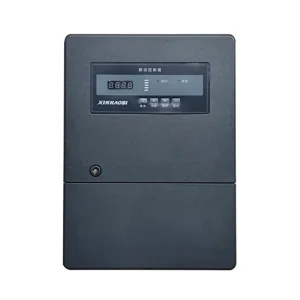
Integrated components working seamlessly together: detection, communication, processing, and mitigation.
Trusted by top-tier petrochemical plants, heavy industries, and infrastructure agencies across the globe.
























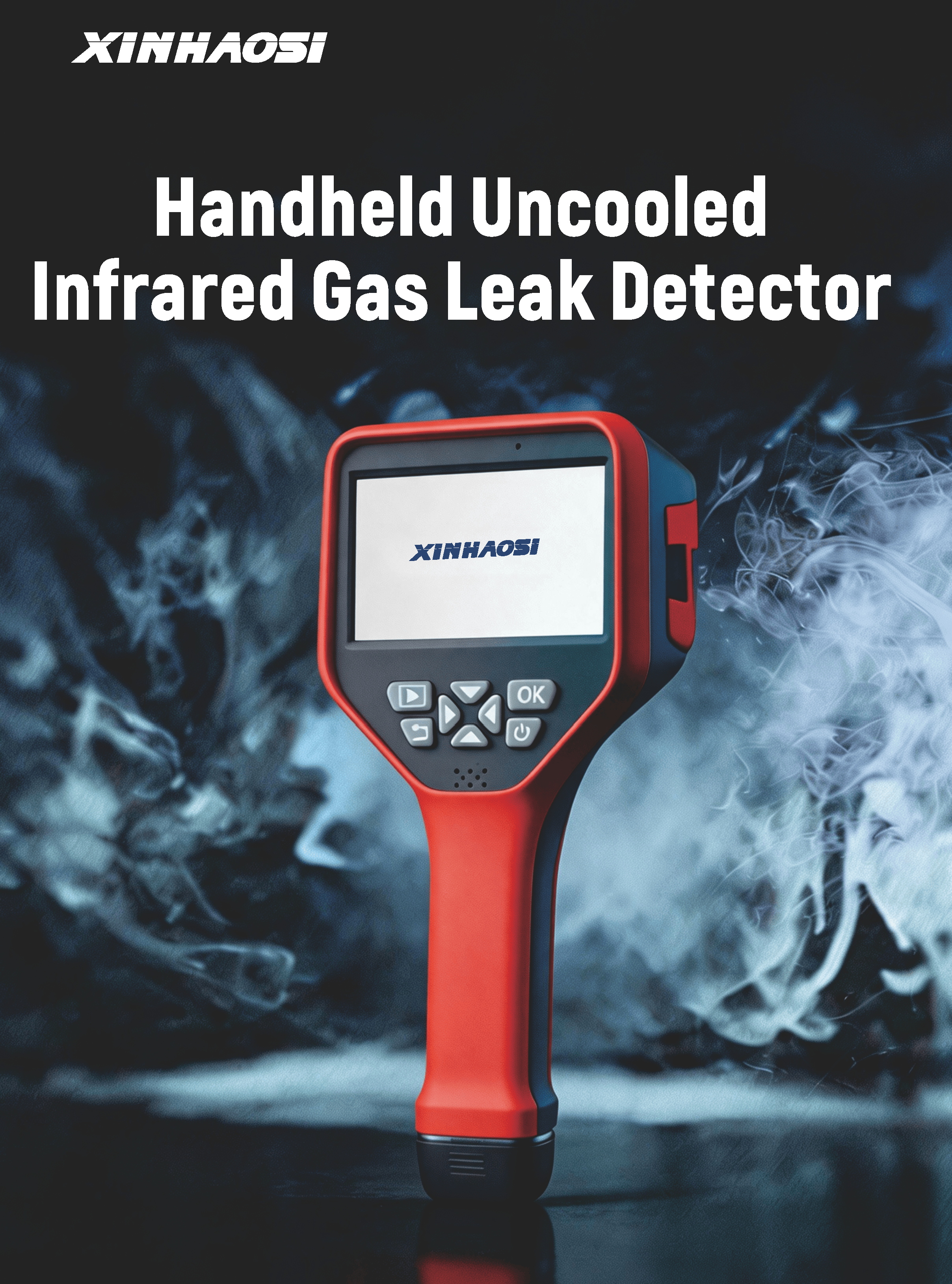
Featuring dual-technology fusion, ultra-fast response, and long-distance non-contact detection to enhance safety and efficiency in petrochemical and refrigeration industries.
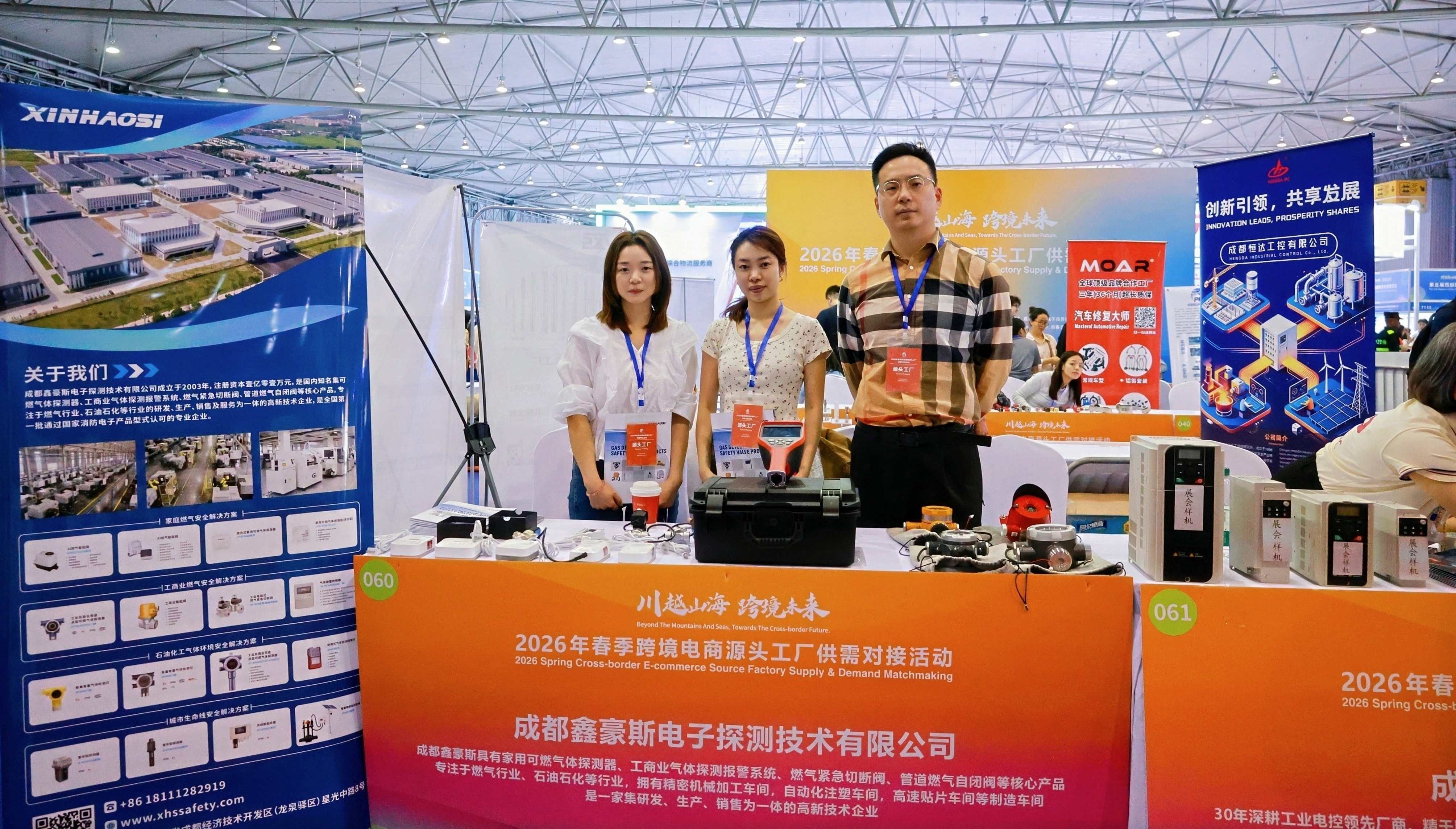
Connecting with global buyers and industrial distributors in Chengdu, driving new cross-border supply partnerships for security products.

Strengthening economic integration and industrial smart safety pipelines across Southeast Asian commercial developments.
Over the next decade, fixed gas monitoring systems will evolve from isolated point sensors into collaborative, self-healing network nodes. Real-time gas spatial mapping will leverage uncooled infrared gas imaging cameras and swarm drone monitoring to establish three-dimensional hazard visual representations of entire processing complexes.
Xinhaosi's R&D efforts focus on integrating edge computing with chemical analysis. This allows local sensors to cross-reference multiple atmospheric characteristics simultaneously, neutralizing errors caused by fluctuating humidity and transient pollutant spikes. Our future solutions will use low-power sensor designs that run for years on internal micro-power cells while communicating over decentralized, open-source industrial mesh networks.