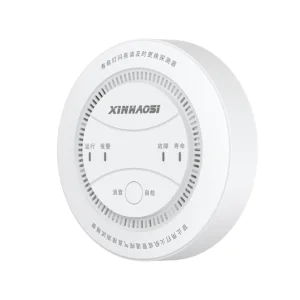
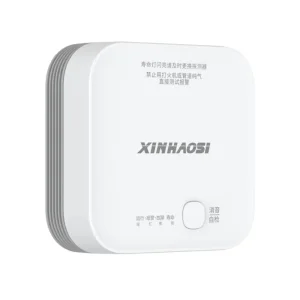
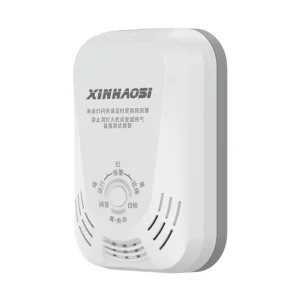
Reliable gas safety hardware manufactured under rigorous quality standards for hazardous locations.
Founded in 2003, Xinhaosi is one of the most influential and reliable brands in the gas safety industry. We provide customer-focused products and services to safeguard the safe operation of every factory, the comfort of every city, and the peace and happiness of every home. Powered by cutting-edge production systems and technology, we deliver more advanced, intuitive, and precise gas safety solutions for shaping a safer future world.
We utilize advanced electronic detection technology to make unknown gas leak risks clear and visible. The monitoring of confined spaces poses unique, multi-layered dangers. Confined spaces—ranging from utility vaults, underground shafts, municipal pipelines, and petrochemical storage silos to industrial fermentation tanks—are characterized by restrictive entry points, poor natural ventilation, and the high probability of toxic or combustible gas accumulation. For this reason, professional gas safety systems require certified, high-accuracy instruments that operate relentlessly without fail.
Worldwide occupational safety guidelines, such as OSHA 29 CFR 1910.146 (Permit-Required Confined Spaces) and the European ATEX Directives (99/92/EC and 2014/34/EU), mandate atmospheric testing prior to entry and continuous air monitoring while personnel are inside confined spaces. A standard air monitor must verify that oxygen concentrations remain within safe biological limits (typically 19.5% to 23.5%), ensure that flammable gases do not rise above 10% of their Lower Explosive Limit (LEL), and confirm that toxic substances (like carbon monoxide and hydrogen sulfide) do not exceed acceptable exposure limits.
Confined spaces behave differently depending on geography, industry, and local environmental variables. Real-world conditions require tailored gas sensing configurations to mitigate localized risk factors.
Microbial digestion in wet wells and anaerobic digesters releases dangerous amounts of Hydrogen Sulfide (H2S), Methane (CH4), and Carbon Dioxide (CO2). Detectors require IP67+ moisture protection to prevent sensor degradation and high-end electrochemical units to monitor toxic H2S.
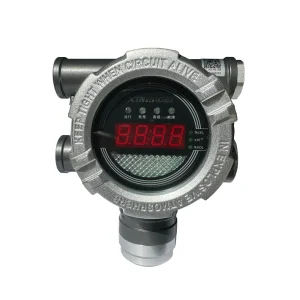
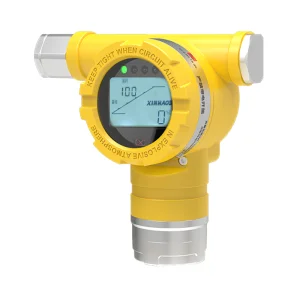
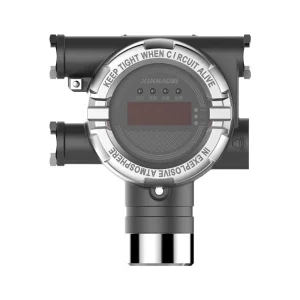
Processing plants feature volatile organic compounds (VOCs) and highly volatile hydrocarbons. Explosion-proof housing (Ex d IIC T6) is mandatory. The GTYQ-XP4000 series offers durable structural integrity to operate within flammable zones without creating ignition points.
Underground shafts often accumulate heavy hydrocarbon gases and methane migrating through soil. Devices like the GT-AT0616 Series offer dedicated monitoring configurations to detect subterranean gas buildup before technicians enter the zone.
Atmospheric monitoring relies on different physical and chemical sensor principles to accurately detect target molecules. The table below represents our core technological alignment:
| Sensor Mechanism | Target Gas Families | Detection Speed ($T_{90}$) | Longevity / Expected Life | Ideal Application Environment |
|---|---|---|---|---|
| Catalytic Bead (Pellistor) | Combustible Hydrocarbons (Methane, Propane) | < 15 Seconds | 3 - 5 Years | Oxygen-rich environments requiring LEL assessment. |
| Electrochemical Cells | Toxic Gases ($H_2S, CO, O_2, SO_2, NH_3$) | < 30 Seconds | 2 - 3 Years | High humidity wastewater vaults and industrial processing plants. |
| Non-Dispersive Infrared (NDIR) | Carbon Dioxide, Methane (in inert atmosphere) | < 20 Seconds | 5 - 8 Years | Anaerobic chambers, low-oxygen zones, hydrocarbon pipelines. |
| Photoionization Detector (PID) | Volatile Organic Compounds (VOCs), Benzene | < 5 Seconds | 2 - 4 Years | Chemical storage silos, hazardous material containment sites. |
The safety detection landscape is moving away from reactive handheld safety alerts toward proactive, connected ecosystem solutions. Modern safety paradigms incorporate real-time IoT integration, uncooled infrared cameras, and artificial intelligence at the edge.
In May 2026, Xinhaosi announced the launch of its Handheld Uncooled Infrared Gas Leak Detector. This technology leverages uncooled microbolometer cores to visualize gas plumes that are invisible to the naked eye. By utilizing optical gas imaging, technicians can inspect pipelines, valves, and petrochemical flanges from a safe distance, locating the exact point of failure without needing to enter the hazardous zone.
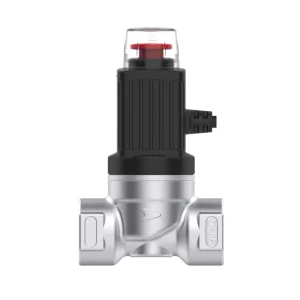
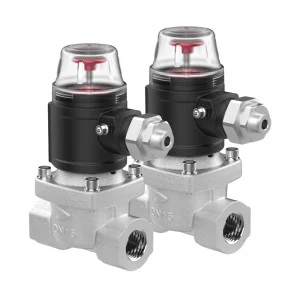
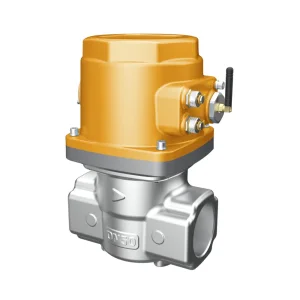
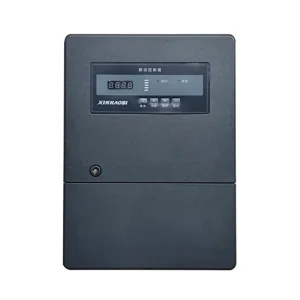
A gas alarm is only as useful as the response it triggers. An effective safety system links the detector directly to shut-off mechanisms. When toxic or combustible gas levels cross high alarm thresholds, the JB-MK-AT2041/4G Interlock Control Box instantly cuts off gas supply lines via XF3III Industrial Solenoid Valves. This active response loop protects human life and prevents runaway escalation events.
As a leading China OEM/ODM partner, Xinhaosi operates high-precision electronic manufacturing lines. Our manufacturing ecosystem ensures high reliability, cost efficiencies, and reliable component sourcing for worldwide supply chain demands.
Unlike standard aggregators, we maintain complete control over the safety system production process. This includes design engineering, SMT PCB assembly, chemical calibration of gas cells, physical housing mold injection, and explosion-proof stress testing.
Our localized supply chain in Sichuan allows us to secure raw materials and maintain strict control over components, from high-grade solenoid coils to microcontrollers. This vertical integration keeps production lines moving regardless of global supply chain disruptions.
Operating in the life-safety industry demands total adherence to global performance and engineering standards. A safety failure can have severe consequences, which is why Xinhaosi detectors pass strict safety tests before leaving the factory.
ATEX & IECEx Certifications: Essential for safe operation in explosive atmospheres. Our explosion-proof gas detectors (e.g., GTYQ-XP3000 and AT0602) feature flameproof enclosures that prevent any internal explosion from propagating outwards and igniting the surrounding atmosphere.
Functional Safety (SIL2): The electronic architecture of our interlock control units and solenoid systems meets SIL2 (Safety Integrity Level 2) requirements, which ensures that the safety loop operates reliably when a gas event occurs.
"Safe and reliable gas monitoring requires constant verification. Our sensors undergo automated multipoint calibration inside climate chambers to guarantee zero drift, even when exposed to extreme industrial temperature variations."
Complete safety systems that bridge gas detection and automated valve control.
Follow our global industry presence, trade exhibitions, and new technological releases.
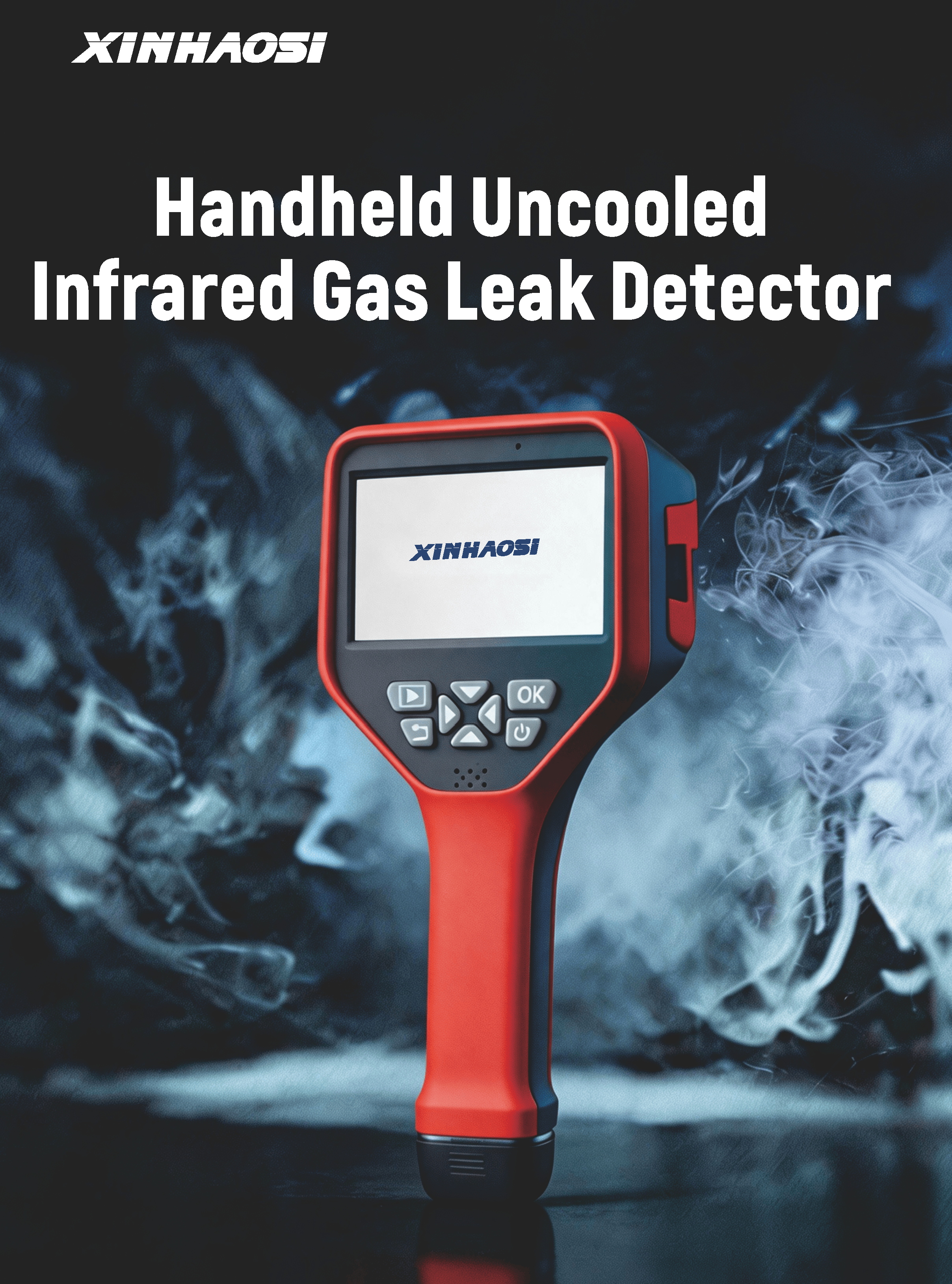
Xinhaosi Electronic Detection Technology Co., Ltd. officially launched its new Handheld Uncooled Infrared Gas Leak Detector, featuring dual-technology fusion, ultra-fast response, and long-distance non-contact detection to enhance safety and efficiency in petrochemical, refrigeration, natural gas and industrial safety scenarios.
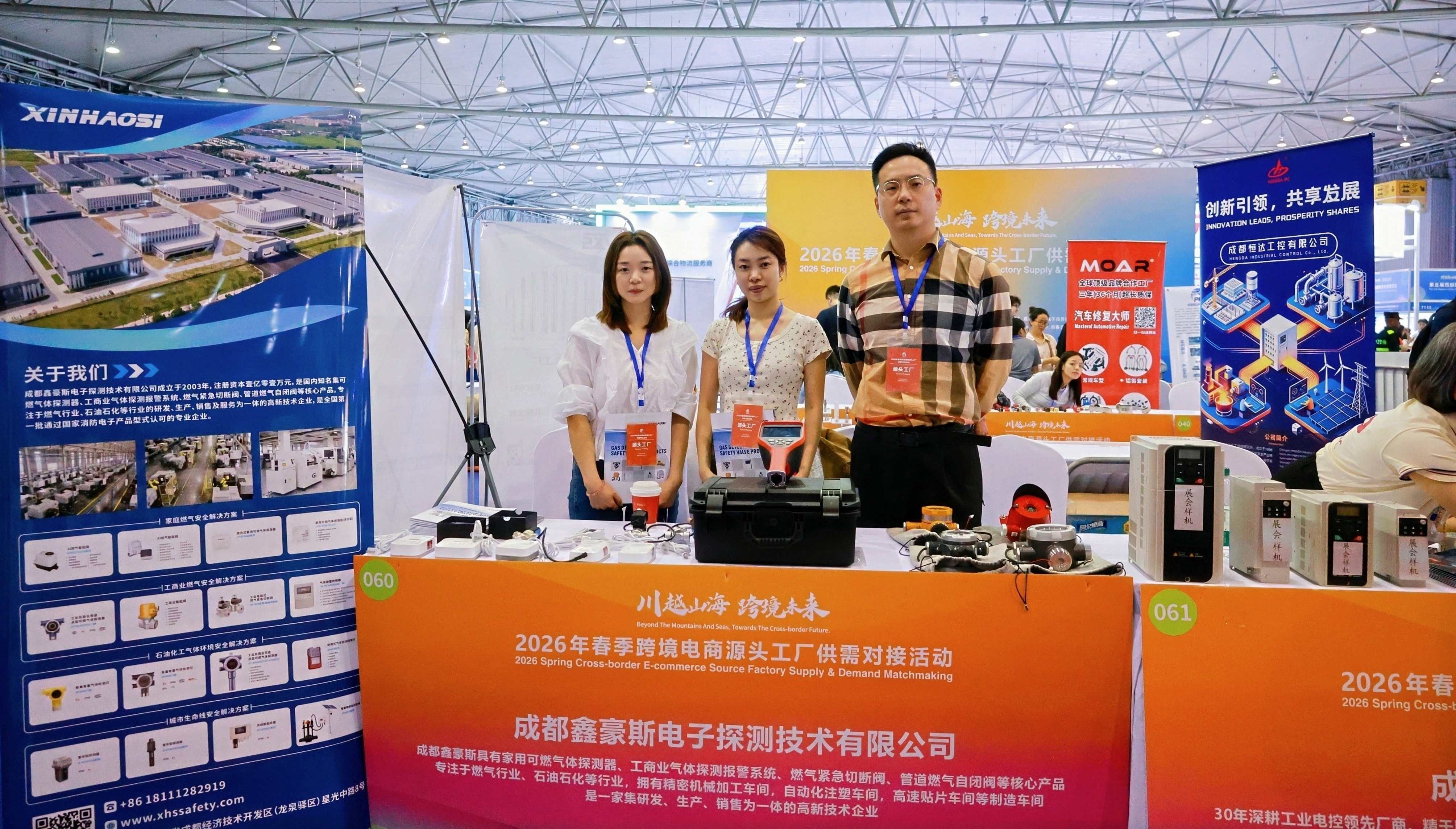
XINHAOSI recently participated in the 5th Western China Cross-Border E-Commerce Expo held in Chengdu. The event brought together cross-border e-commerce platforms, global buyers, manufacturers, and supply chain companies, creating new opportunities for international business cooperation and overseas market development.

XINHAOSI recently participated in the 2026 Sichuan (Chengdu) – Indonesia Industry Matchmaking Conference held in Chengdu. The event gathered enterprises and industry representatives from China and Indonesia to strengthen industrial cooperation and explore new business opportunities in Southeast Asia.
Working alongside global engineering teams, municipal agencies, and petrochemical distributors to secure workplace environments.