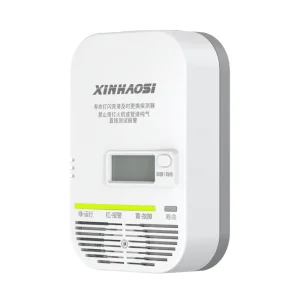
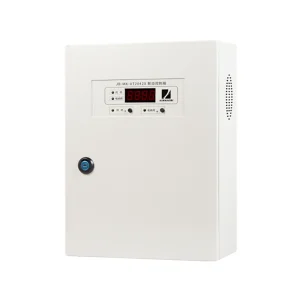
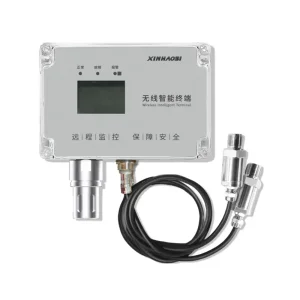
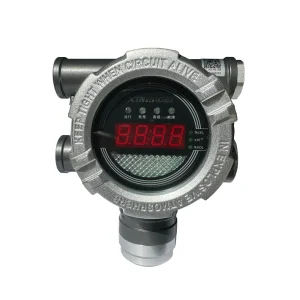
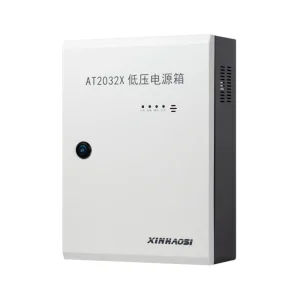
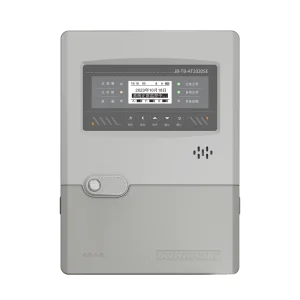
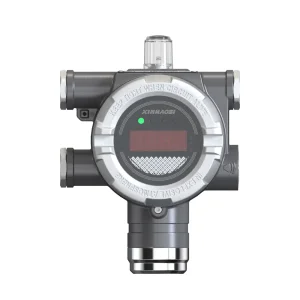
Explore our premium range of gas safety, communication gateways, and explosion-proof detection systems engineered for rugged industrial deployment.
An in-depth analysis of analytical detection principles, cross-sensitivity mitigation, and future-ready sensor instrumentation.
Operating via targeted electrochemical oxidation of $SO_2$ at the sensing electrode, generating a current output directly proportional to gas concentration. Our current designs utilize ionic liquid electrolytes to prevent dehydration under extreme temperature profiles.
Leverages the unique infrared absorption band of $SO_2$ at approximately 7.3 $\mu m$. Non-dispersive infrared (NDIR) setups avoid chemical depletion, extending operating lifespans past 10 years and eliminating the sensor poisoning common to chemical cells.
The latest iteration in dry-state gas detection. Eliminates liquid leakage hazards entirely, enabling sub-zero operational capabilities and outstanding resistance to extreme pressure spikes in deep mining and high-altitude monitoring operations.
Sulphur Dioxide ($SO_2$) is a highly toxic, reactive compound that presents severe health hazards even at low parts-per-million (ppm) levels. Reliable detection demands sensors with high selectivity, negligible baseline drift, and rapid response times ($T_{90} < 30$ seconds). For decades, industrial settings favored classical electrochemical cells. However, environmental factors like humidity shifts and cross-sensitive gases (such as $H_2S$, $NO_2$, and $CO$) often induced false alarms.
Modern architectural revisions overcome these issues using multi-electrode configurations. A dedicated auxiliary electrode acts as a baseline stabilizer, constantly tracking and subtracting shifts caused by temperature fluctuations. Additionally, embedded chemical filters within the sensor chamber selectively scrub interfering agents before they reach the main catalyst surface, ensuring the output current corresponds solely to $SO_2$ concentration.
SEO Insight & Technical Breakthrough: To achieve true parts-per-billion (ppb) measurement fidelity, manufacturers are shifting to photoacoustic spectroscopy (PAS) platforms. PAS utilizes a pulsed laser matching the absorption band of the target gas. The resulting periodic heating generates acoustic pressure waves detected by highly sensitive microphones. This technique provides unparalleled signal-to-noise ratios, allowing sensors to measure trace emissions at concentrations previously undetectable by standard field instrumentation.
| Technology Type | Detection Range | T90 Response Time | Expected Lifespan | Key Advantages |
|---|---|---|---|---|
| Electrochemical (3-Electrode) | 0 - 100 ppm | < 30 seconds | 2 - 3 Years | Cost-effective, highly linear, low operational power |
| Solid Polymer Electrolyte (SPE) | 0 - 50 ppm | < 15 seconds | > 5 Years | Zero leakage risk, operates under dry conditions, rugged |
| Non-Dispersive Infrared (NDIR) | 0 - 5000 ppm | < 20 seconds | 10+ Years | Immune to chemical poisoning, long calibration cycle |
| Photoacoustic Spectroscopy (PAS) | 0 - 10 ppm (ppb resolution) | < 10 seconds | 8+ Years | Extremely precise, trace-level detection limits |
Targeted safety and gas control systems engineered to protect complex industrial assets and ensure environmental compliance.
Coal-fired power installations, chemical incinerators, and smelting plants are required to continuously monitor stack emissions for environmental compliance. Our heavy-duty $SO_2$ transmitters integrate directly with Continuous Emissions Monitoring Systems (CEMS), providing reliable telemetry under high temperature, moisture, and particulate loads. They prevent regulatory penalties and verify the operational efficiency of flue gas desulfurization (FGD) scrubbers.
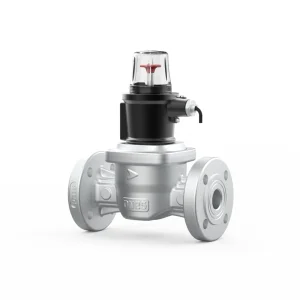
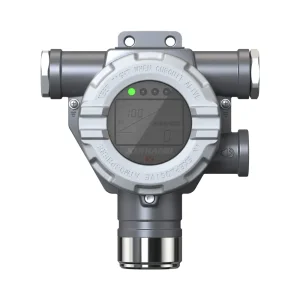
During crude oil refining and natural gas sweetening, sulfur compounds are reclaimed using the Claus process. Precise monitoring at different stages is crucial; any leak of toxic $SO_2$ poses immediate risk to personnel. Our explosion-proof gas detectors (complying with ATEX Zone 1/2) feature SIL2 functional safety ratings and integrate seamlessly into petrochemical safety loops, triggering automated emergency shut-offs when limits are exceeded.
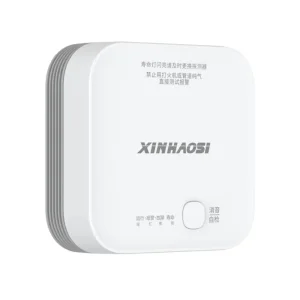
Sulphur dioxide is widely used as an antioxidant and antimicrobial preservative in fruit processing and winemaking. Maintaining correct concentrations prevents spoilage while ensuring worker safety. Our compact, wall-mounted detection modules provide localized monitoring in storage facilities, featuring integrated audible and visual alarms to warn operators before entry.
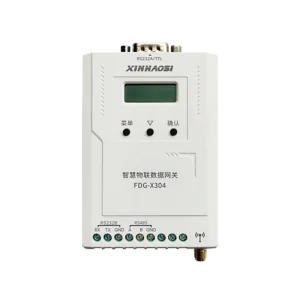
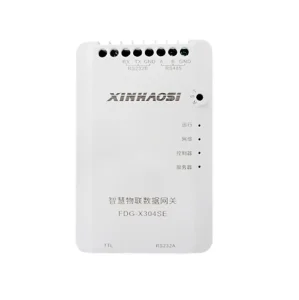
In chemical pulping, sulfurous acid solutions dissolve the lignin binding wood fibers together. This process releases toxic gases that can accumulate in enclosed process areas. Deploying networked arrays of intelligent data gateways and wired detectors provides control room operators with real-time status maps, ensuring fast response to system upsets.
Leveraging technological innovation to transform invisible hazards into manageable data.
Founded in 2003, Xinhaosi has grown into a highly influential, reliable brand in the gas safety sector. We deliver client-centric detection systems that safeguard manufacturing plants, municipal utilities, and residential environments globally.
By combining automated production systems with advanced sensor technologies, we construct robust gas safety infrastructures designed for long-term field stability. From high-capacity chemical plants to smart municipal gas networks, we help shape a safer future.

Inside our automated production ecosystem: How precision manufacturing and rigorous testing guarantee sensor reliability.
Operating a high-tech gas sensor factory in China requires more than scaling raw capacity; it demands consistent, repeatable quality. Our production facilities deploy advanced automation systems across the entire assembly process. From component mounting (SMT) to robotic testing, automation minimizes manual error and ensures every sensor meets strict tolerances.
A primary challenge for field-deployed gas sensors is environmental drift. To mitigate this, every sensor module undergoes automated calibration across its entire operational range in specialized climate chambers. This process subjects the sensors to varying temperatures (-40°C to +70°C) and relative humidity levels (10% to 95% RH) to map and program compensation curves directly into the transmitter's microprocessor. This baseline calibration guarantees field performance and reduces the need for frequent on-site adjustments.
We calibrate our sensors using certified, traceable gas mixtures. Every calibration run is logged, creating an audit trail for quality control and compliance reporting.
Randomly selected production units undergo thermal shock, vibration, and high-concentration gas exposure tests. This process helps identify potential defects before shipping, ensuring high reliability in harsh environments.
Our integrated supply chain keeps lead times stable even during high demand, ensuring prompt component delivery to overseas projects.
Key technical specifications and regulatory requirements for B2B procurement managers and system integrators.
Sourcing gas detection systems for industrial operations requires careful evaluation of safety ratings, durability, and manufacturer support. Use this technical checklist when drafting RFQs and comparing suppliers:
B2B Procurement Tip: Request testing data from third-party laboratories. Reputable manufacturers should readily provide reports detailing temperature drift characteristics, cross-sensitivity metrics, and response curves under varying ambient conditions.
Common integration questions answered by our engineering department.
Baseline drift is typically caused by variations in temperature, relative humidity, and pressure. Over time, internal electrolytes can absorb or lose water vapor, altering their concentration. We address this using a three-electrode setup. An internal temperature sensor and reference electrode actively monitor ambient shifts, allowing the transmitter's microprocessor to dynamically adjust the output baseline and maintain accuracy.
Electrochemical SO2 sensors can show cross-sensitivity to Hydrogen Sulfide ($H_2S$), Nitrogen Dioxide ($NO_2$), and Chlorine ($Cl_2$). To prevent false readings, our sensors incorporate chemical filter layers directly behind the diffusion membrane. These filters chemically react with and neutralize interfering gases before they reach the working electrode, ensuring high selectivity for SO2.
Under standard operating conditions, standard electrochemical SO2 sensors typically last between 2 and 3 years. For highly corrosive environments or continuous exposure to acidic flue gases, we recommend dry solid polymer electrolyte (SPE) sensors or optical NDIR units. These designs can extend operating life past 5 to 10 years by avoiding chemical depletion.
For critical safety applications, we recommend performing a bump test monthly and a full calibration every 6 months. In environments with low particulate contamination and stable climates, the calibration interval can often be extended to 12 months, depending on local safety regulations.
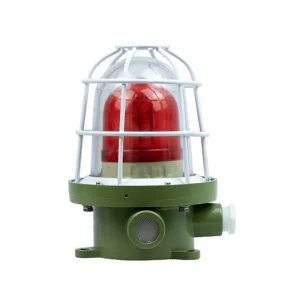
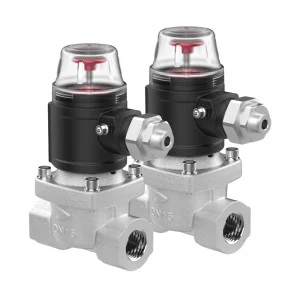
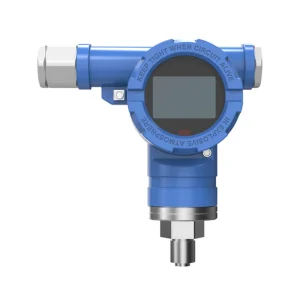
Complete your gas detection network with explosion-proof alarms, pressure transmitters, control boxes, and emergency shut-off valves.
Working alongside global enterprises to implement reliable safety infrastructures.
























Stay updated on our latest product launches, global trade exhibitions, and industrial safety advancements.
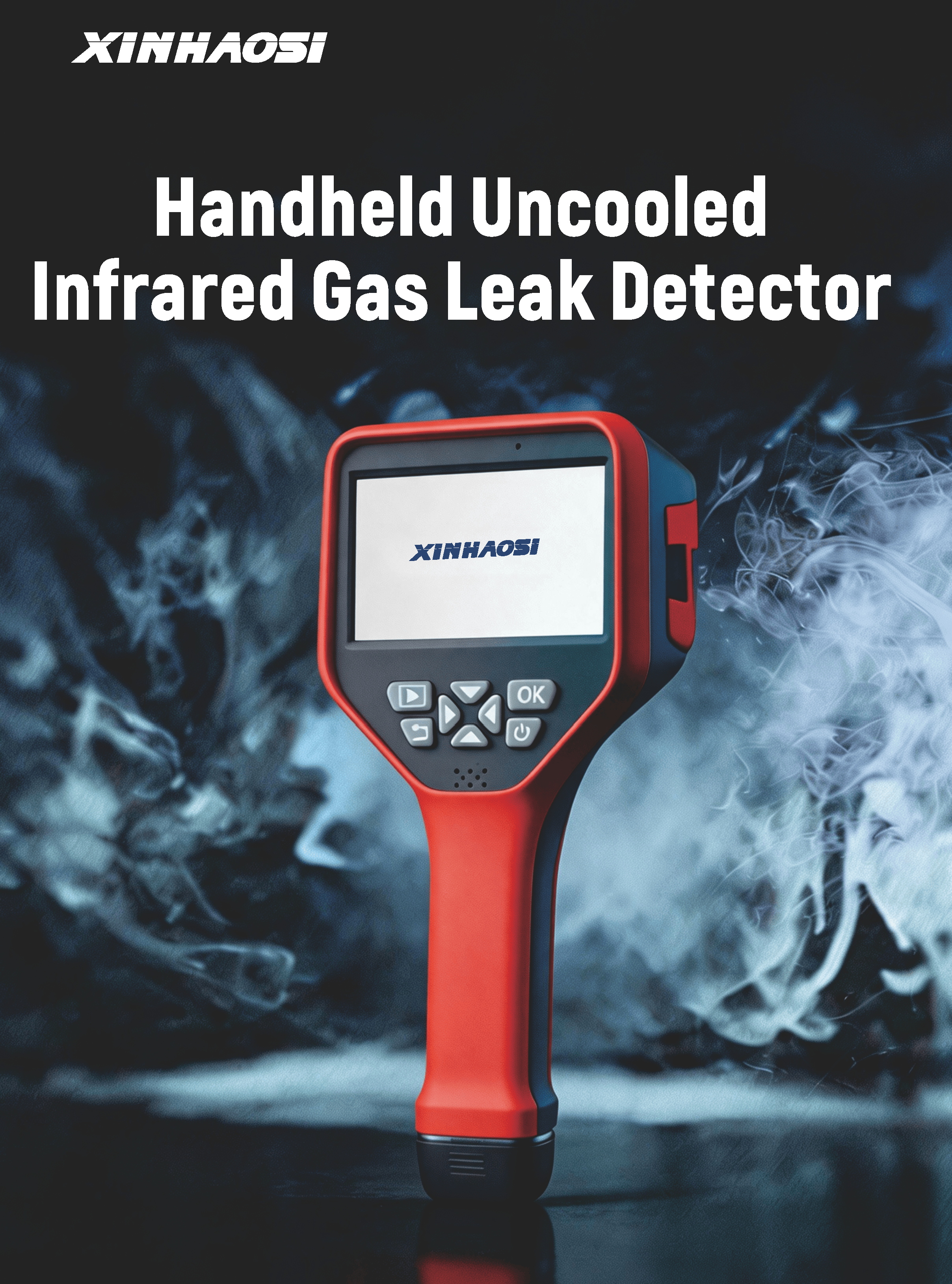
Xinhaosi Electronic Detection Technology Co., Ltd. officially launched its new Handheld Uncooled Infrared Gas Leak Detector. The system combines dual-technology fusion, rapid response, and long-range non-contact detection to enhance safety in petrochemical, refrigeration, and natural gas facilities.
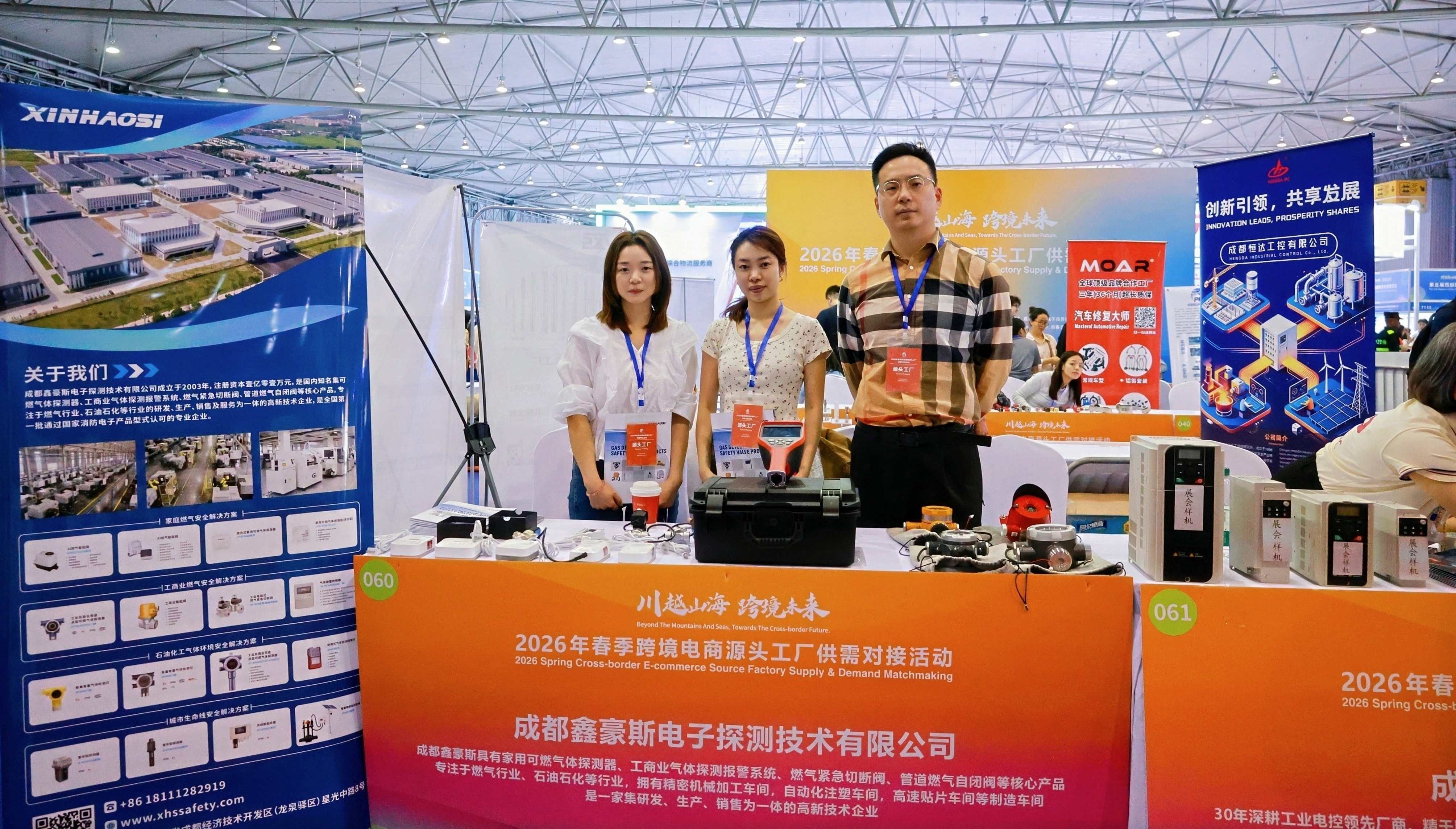
We recently participated in the expo in Chengdu, connecting with global buyers, manufacturers, and supply chain partners. This event highlights our commitment to developing international business relations and supporting global industrial distribution channels.

Xinhaosi representatives joined business leaders in Chengdu to explore industrial collaborations in Southeast Asia, with a focus on delivering localized gas safety systems and technical support to the region.