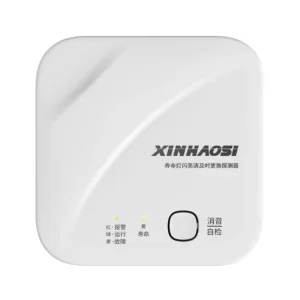
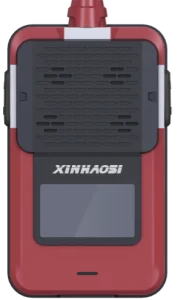
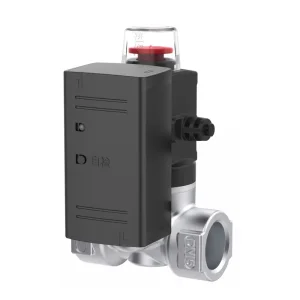
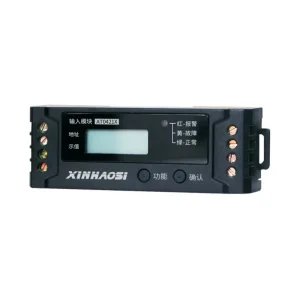
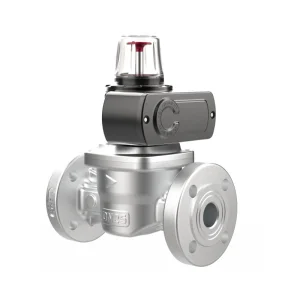
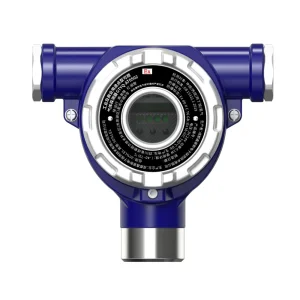
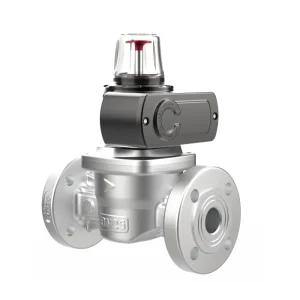
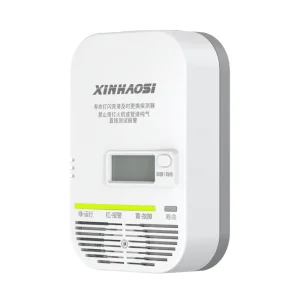
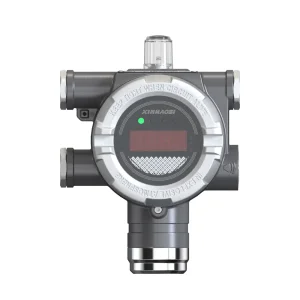
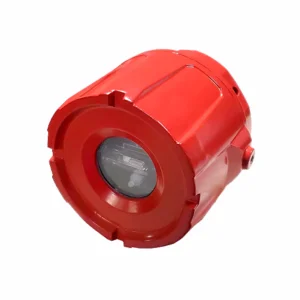
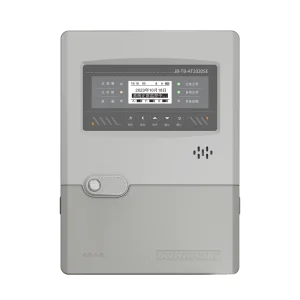
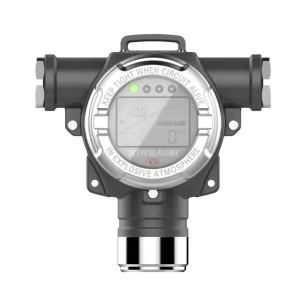
Explore our premium-grade lineup of combustible gas detectors, input controllers, low-voltage modules, and high-performance gas solenoid valves engineered to meet rigorous international industrial protocols.
A comprehensive overview of electromagnetic control technology, pilot-actuated safety mechanisms, and raw materials integrity designed by leading industrial manufacturers.
Within hazardous chemical facilities, boiler stations, and residential distribution lines, the selection of the correct Solenoid Operating Valve architecture determines the safety margins of the entire system. Direct-acting valves operate independently of pipeline pressure differentials, utilizing the magnetic force generated by the electric coil to shift the plunger directly. This makes them ideal for low-pressure systems and dry battery-operated applications.
Conversely, pilot-operated valves leverage the existing line pressure of the fluid or gas to actuate. By shifting a small control pilot port, the valve redirects internal pressure to move a large diaphragm or piston. This architecture permits massive flow rates and high-pressure ratings while keeping electromagnetic coil power consumption to an absolute minimum, ensuring system-wide efficiency.

Constructed utilizing rugged cast brass, high-tensile cast iron, or corrosion-resistant stainless steel. Excellent structural stability and resistance to gas impurities.
Equipped with premium Viton, NBR, or FKM seal elements, ensuring zero leakage and long-term durability in ambient temperature profiles from -20°C to +60°C.
Fully compliant with Ex d IIC T4 Gb standards, allowing safe integration in Zone 1 and Zone 2 hazardous areas across petrochemical processing plants.
Founded in 2003, Xinhaosi Electronic Detection Technology Co., Ltd. has grown to become one of the most influential and reliable brands in the global gas safety and control industry. We provide comprehensive, customer-focused systems designed to safeguard the operation of large-scale industrial complexes, municipal gas distribution infrastructure, and residential properties.
By blending advanced electronic detection technologies with physical gas control mechanisms (such as our high-durability Industrial & Household Gas Solenoid Valves), we capture risk early and isolate gas leaks from the source instantly. Our state-of-the-art production systems shape a future where gas safety is active, intuitive, and absolute.


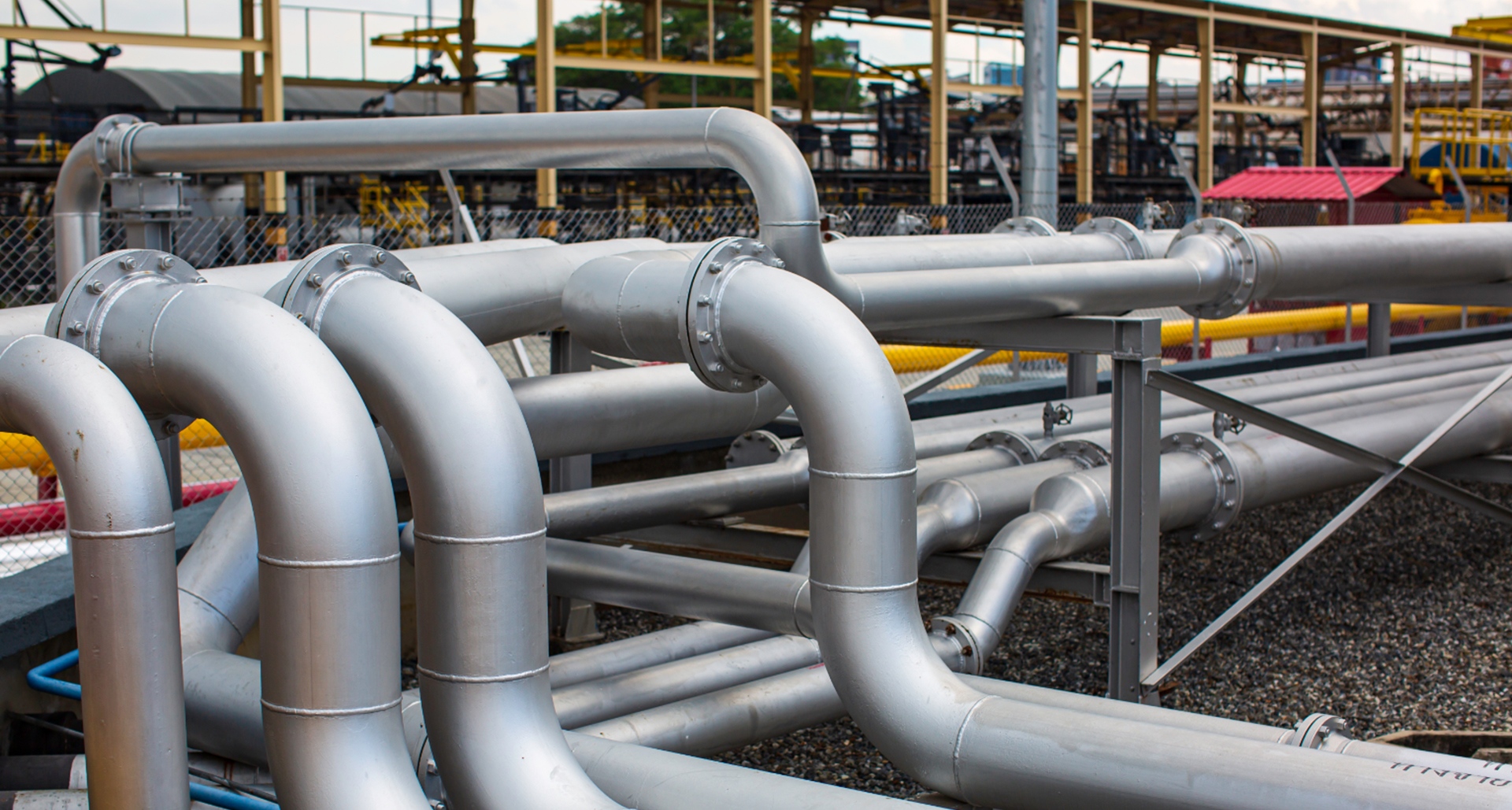
Ensuring end-to-end reliability by pairing advanced environmental sensors with fail-safe mechanical control hardware.
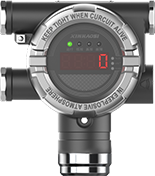
Highly complex safety arrays designed for toxic and combustible gas leak pinpointing under harsh industrial conditions.

Intuitive residential monitors that trigger instantaneous local alarms and command mechanical solenoid valves to shut off supply line lines.
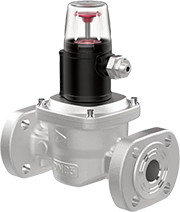
Mechanical isolation devices acting as the ultimate physical shield against build-ups, closing in milliseconds upon sensor commands.
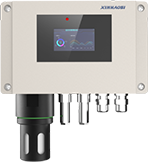
Smart sensing and remote monitoring networks ensuring complete grid safety across entire municipal municipal districts.
An in-depth analysis of localized utility, upcoming hydrogen technologies, Chinese manufacturing efficiencies, and global safety standards.
Solenoid operating valves are not generic off-the-shelf components; their mechanical configurations must be custom-tailored to localized pipeline parameters, ambient environments, and regional gas characteristics:
The global shift toward green energy and process automation is redefining the development path for safety control valves:
Choosing Xinhaosi as your manufacturing partner provides access to China's highly optimized industrial manufacturing ecosystems:
Our production facilities are situated directly within major industrial zones, providing us with immediate access to raw material casting, high-precision CNC machining, and specialized electrical coil winding facilities. This cluster effect dramatically lowers logistical costs and guarantees raw material availability, even during global supply chain shortages.
We combine this regional logistics advantage with internal quality processes. Our production plant features fully automated CNC lathe lines, robotic soldering stations, and 100% automated pressure decay and bubble leakage testing benches. Every single solenoid valve is pressure tested and cycling-verified prior to dispatch, maintaining a near-zero defect rate while providing competitive manufacturing margins.
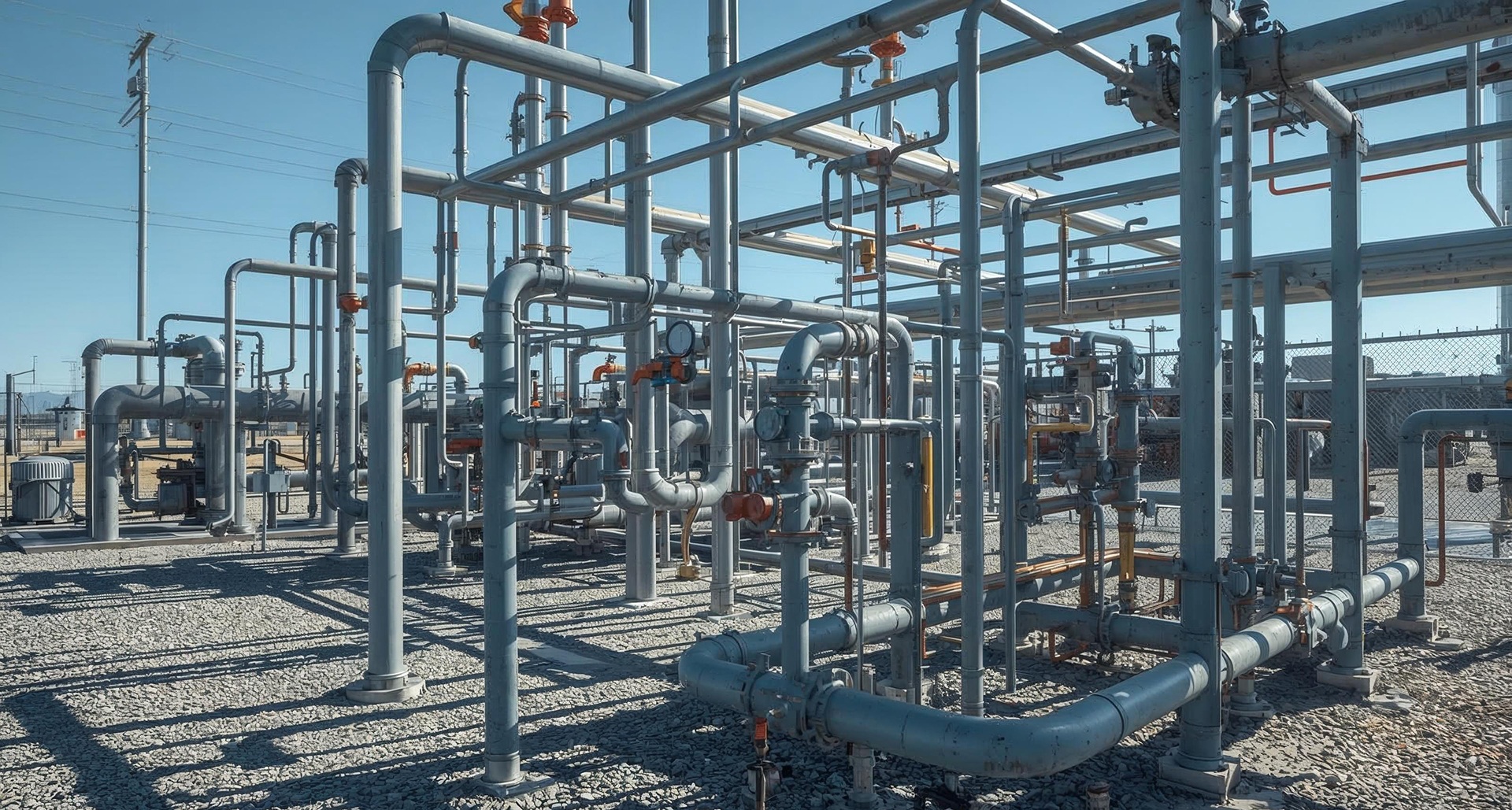
Industrial safety demands strict compliance. Our products undergo extensive qualification testing to satisfy international regulations:
We maintain active ISO 9001:2015 quality management compliance, along with national China Compulsory Certificates (CCC) and specific ATEX explosion-proof certifications for hazardous deployments. Our valves undergo comprehensive functional safety tests, proving high SIL (Safety Integrity Level) ratings that allow easy integration into Safety Instrumented Systems (SIS) globally.
Stay updated with the latest technological developments, international trade exhibitions, and collaborative safety projects from Xinhaosi.
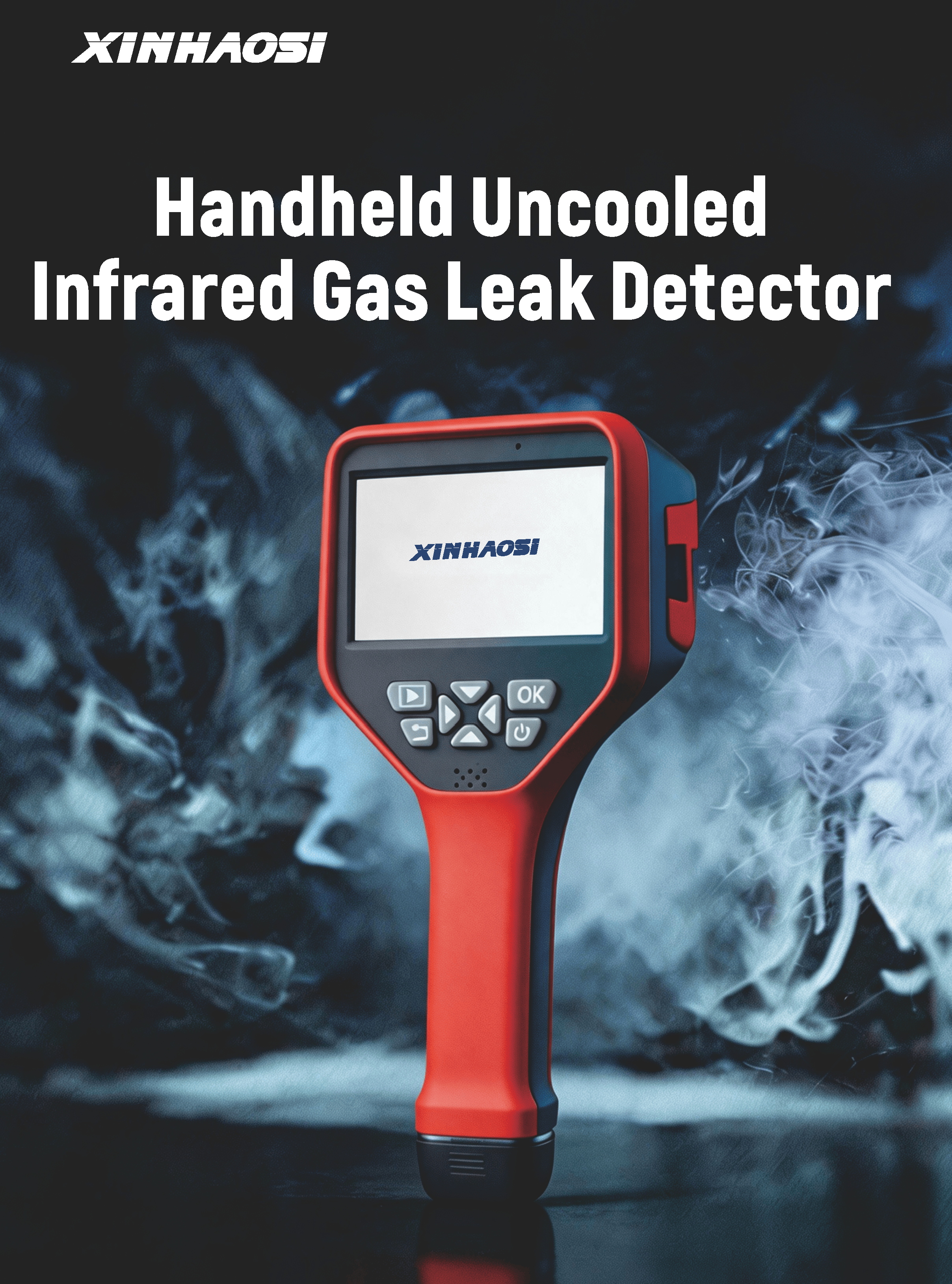
Xinhaosi Electronic Detection Technology Co., Ltd. officially launched its new Handheld Uncooled Infrared Gas Leak Detector, featuring dual-technology fusion, ultra-fast response, and long-distance non-contact detection to enhance safety and efficiency in petrochemical, refrigeration, natural gas and industrial safety scenarios.
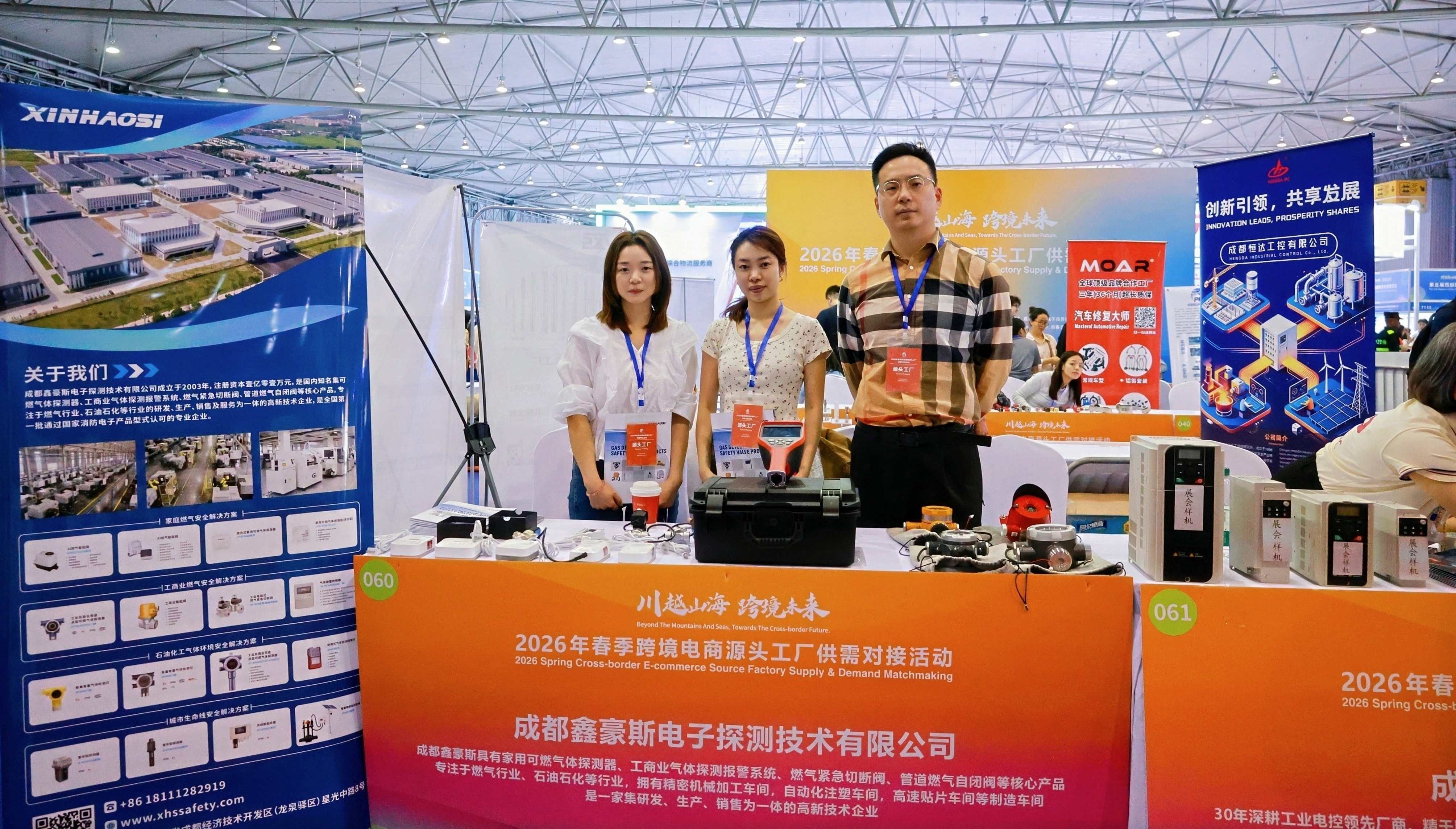
XINHAOSI recently participated in the 5th Western China Cross-Border E-Commerce Expo held in Chengdu. The event brought together cross-border e-commerce platforms, global buyers, manufacturers, and supply chain companies, creating new opportunities for international business cooperation and overseas market development.

XINHAOSI recently participated in the 2026 Sichuan (Chengdu) – Indonesia Industry Matchmaking Conference held in Chengdu. The event gathered enterprises and industry representatives from China and Indonesia to strengthen industrial cooperation and explore new business opportunities in Southeast Asia.
Crucial guidance from our head design engineers regarding selection, deployment, and troubleshooting of safety solenoid systems.
























Explore our highly-specialized industrial gas valves, explosion-proof detectors, and high-sensitivity flame sensors built for processing facilities.