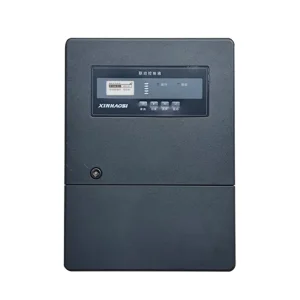
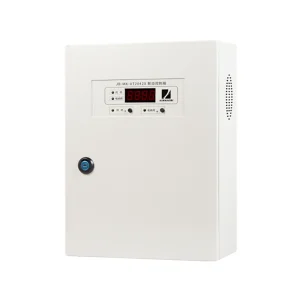
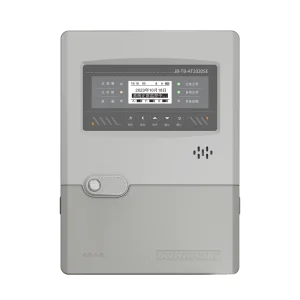
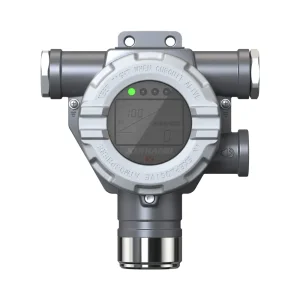
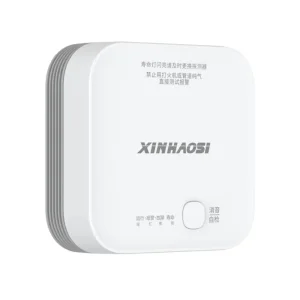
Explore our elite range of explosion-proof controllers, transmitters, and automated pressure interlock mechanisms certified for heavy-duty industrial compliance.
In contemporary heavy industrial and municipal utility frameworks, the management of safety valve pressure and hazardous gas release forms the ultimate barrier against catastrophic system failures. A safety valve acts as the critical fail-safe mechanism, automatically relieving overpressure from boiler operations, chemical containment silos, and high-pressure distribution lines. When combined with advanced electronic sensing systems developed by industry leaders like Xinhaosi, these systems provide predictive safety networks that identify and stop leakage events before overpressure leads to rupture.
Traditional mechanical security measures operate reactively. However, modern commercial realities demand a shift toward digitalized risk forecasting. Integrating robust mechanical pressure release apparatus with bus-type gas detectors (such as the JT-AT2004BII) and interlock control panels ensures automated safety shut-offs. When pressure lines fluctuate beyond critical parameters, modern electronic controls activate shut-off solenoid valves directly at the source, preventing volatile compounds from reaching hazardous concentrations in enclosed commercial environments.
The global demand for reliable safety valve pressure mechanisms and chemical detection instrumentation is climbing. Rapid industrialization, combined with strict regulatory updates such as OSHA in North America, ATEX in Europe, and national safety frameworks across the Asia-Pacific, has forced operators to modernize their safety infrastructure. In sectors like Petrochemical Processing, Liquefied Natural Gas (LNG) transport, and commercial real estate development, traditional safety setups are no longer sufficient.
Industrial safety is transitioning toward smart, integrated networks where pressure status and ambient gas readings are processed in real-time. This structural evolution demands that manufacturers provide comprehensive solutions. Hardware must not only handle physical stress, extreme temperatures, and high pressure, but also integrate smoothly into centralized SCADA platforms. Today, suppliers must deliver end-to-end reliability, matching mechanical resilience with advanced digital communication capabilities.
I. Petrochemical Refining and Tank Terminals: High pressure and corrosive gases are common in refining processes. Fixed toxic gas detectors (like the XP3000) monitor gas buildup around mechanical safety relief valves, ensuring that venting activities do not create explosive vapor clouds in the surrounding area.
II. Commercial Underground Parking Complexes: Modern subterranean transport and parking facilities require continuous monitoring. Carbon monoxide detection arrays (like the AT2004BIV-CO) connect directly to building ventilation controls, saving energy while maintaining safe air quality index (AQI) levels during high-traffic periods.
III. Municipal Natural Gas Distribution: Urban utility grids depend on high-pressure transport pipelines. The combination of automatic pressure-relief control boxes and smart detectors prevents distribution failures, keeping residential and commercial gas networks safe and reliable.
To assist system engineers in selecting the correct safety equipment, the table below outlines the core operating parameters of different industrial safety systems:
| Device Classification | Optimal Pressure Range | Signal Protocols | Target Environments |
|---|---|---|---|
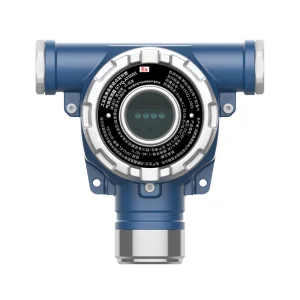
| Explosion-Proof Detectors (GTYQ-AT0501) | Atmospheric pressure monitoring | 4-20mA, RS485 Modbus | Class I, Div 1 Hazardous Areas |
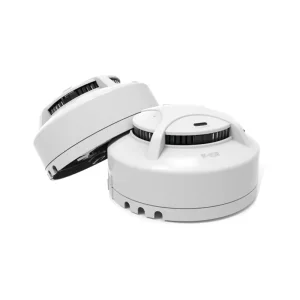
| Bus-Type Household Detectors | Low-pressure domestic pipelines | M-Bus proprietary signal | Residential kitchens, boiler rooms |
| Underground Shaft Monitors (GT-AT0616) | Sub-surface high humidity pits | Low-power telemetry | Municipal utility shafts |
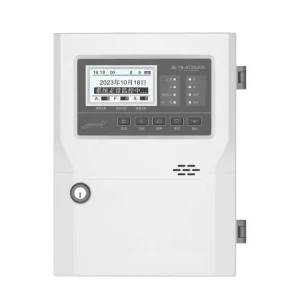
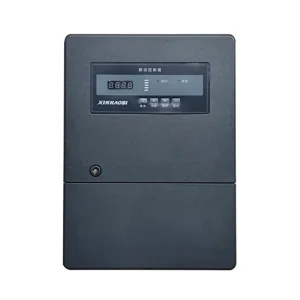
| Interlock Control Cabinets (JB-MK-AT2041X) | Multi-relay input logic control | Relay contact, 4G LTE wireless | Centralized control facility |
Sourcing high-quality safety valves and gas detection systems requires a partner with strong technical experience and clear compliance certifications. Founded in 2003, Xinhaosi manufactures products that meet rigorous international safety standards. With ISO9001:2015 certified production lines and explosion-proof Ex-marking protocols, we ensure every device undergoes strict validation testing before leaving our facility.
Beyond manufacturing excellence, we provide full support throughout the integration process. From initial system engineering and custom OEM planning to site commissions, calibration, and local maintenance, our global service partners keep your safety systems running reliably. Our safety valve and gas control systems protect municipal utility networks and industrial complexes worldwide, delivering reliable performance in critical environments.
The future of industrial safety lies in the integration of sensor arrays and valve controllers with Edge Computing and Artificial Intelligence. In development cycles, Xinhaosi is working on the next generation of predictive safety networks. Future safety setups will not only alert operators when a gas leak occurs, but also predict potential leaks by monitoring subtle fluctuations in pressure, temperature, and atmospheric quality.
Additionally, the rise of the Hydrogen Economy introduces new industrial safety challenges. Hydrogen molecules are exceptionally small and highly volatile, requiring extremely fast-responding sensors and highly reliable shut-off systems. By developing high-sensitivity infrared and catalytic sensors, Xinhaosi remains at the forefront of safety technology, helping global industries transition to cleaner energy systems safely and efficiently.
We utilize advanced electronic detection technology to make unknown gas leak risks clear and visible.

Founded in 2003, Xinhaosi is one of the most influential and reliable brands in the gas safety industry. We provide customer-focused products and services to safeguard the safe operation of every factory, the comfort of every city, and the peace and happiness of every home. Powered by cutting‑edge production systems and technology, we deliver more advanced, intuitive, and precise gas safety solutions for shaping a safer future world.
Empowered by technology, full-chain integration, and comprehensive protection. We shape the future of safety with intelligent engineering.
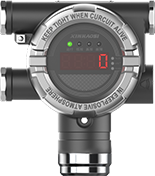
Safety first with high-precision sensing instruments designed for challenging environments.
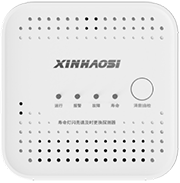
Reliable, everyday gas safety monitoring for apartments, restaurants, and residential buildings.
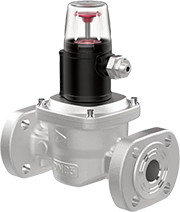
Automated protection at the source, shutting off gas flow when leaks are detected.
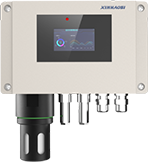
Smart sensing networks for modern urban centers and municipal infrastructure projects.
Collaborating with global industry leaders to design and deliver high-performance safety valve and gas detection systems.
























Technical insight into safety valve configurations, detector installations, and general industry standards.
Stay informed on new product launches, global trade exhibitions, and international industry partnerships.
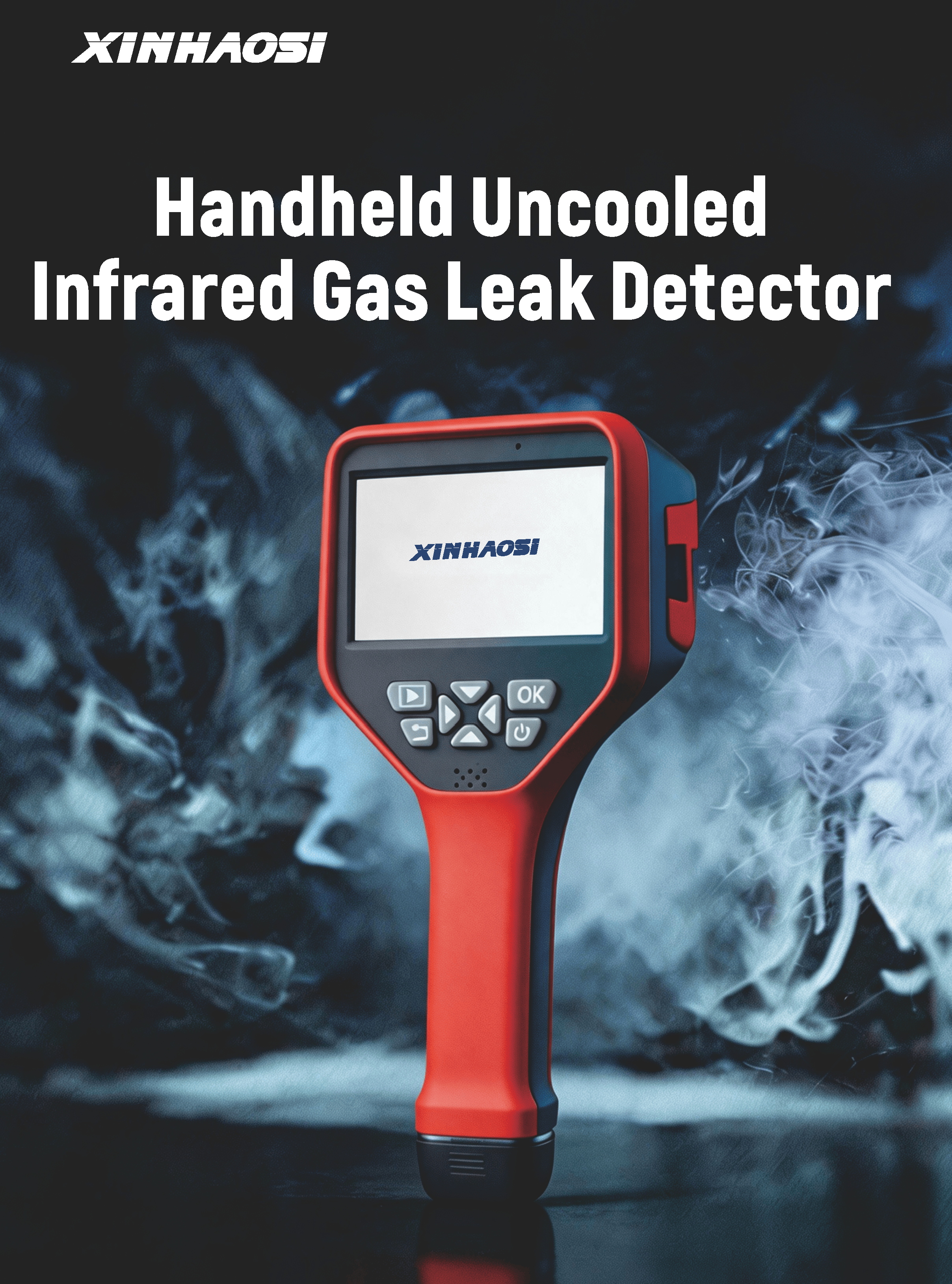
Xinhaosi Electronic Detection Technology Co., Ltd. officially launched its new Handheld Uncooled Infrared Gas Leak Detector, featuring dual-technology fusion, ultra-fast response, and long-distance non-contact detection to enhance safety and efficiency in petrochemical, refrigeration, natural gas and industrial safety scenarios.
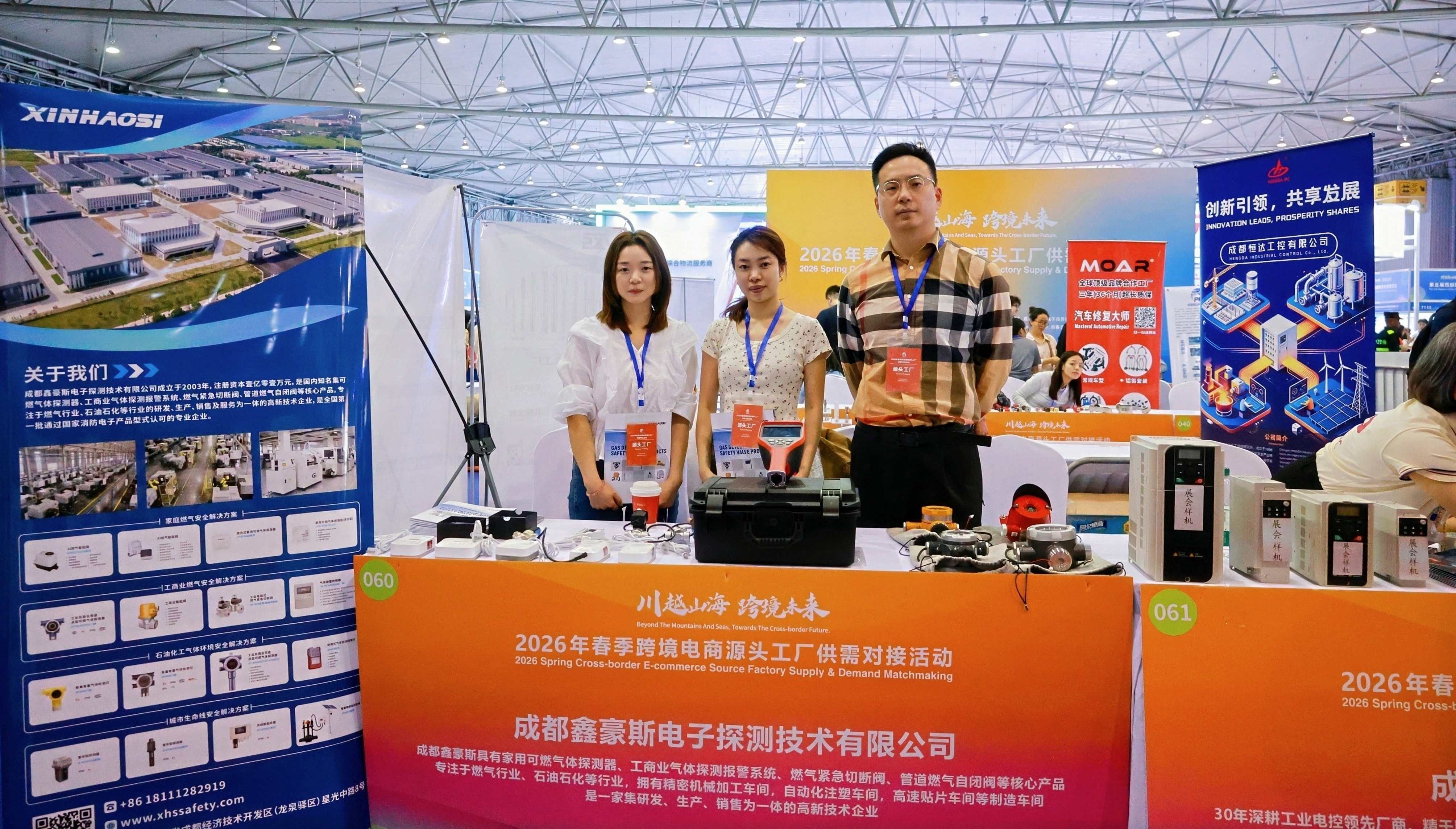
XINHAOSI recently participated in the 5th Western China Cross-Border E-Commerce Expo held in Chengdu. The event brought together cross-border e-commerce platforms, global buyers, manufacturers, and supply chain companies, creating new opportunities for international business cooperation and overseas market development.

XINHAOSI recently participated in the 2026 Sichuan (Chengdu) – Indonesia Industry Matchmaking Conference held in Chengdu. The event gathered enterprises and industry representatives from China and Indonesia to strengthen industrial cooperation and explore new business opportunities in Southeast Asia.
Complete your gas safety infrastructure with our comprehensive selection of household detectors, interlock cabinets, and portable monitoring systems.