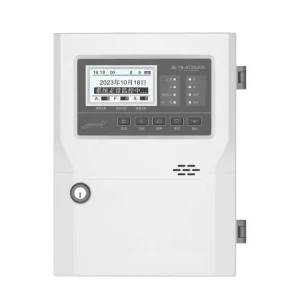
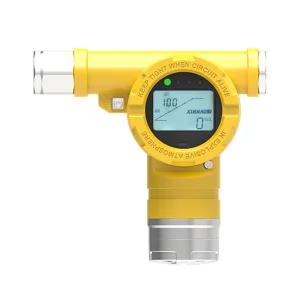
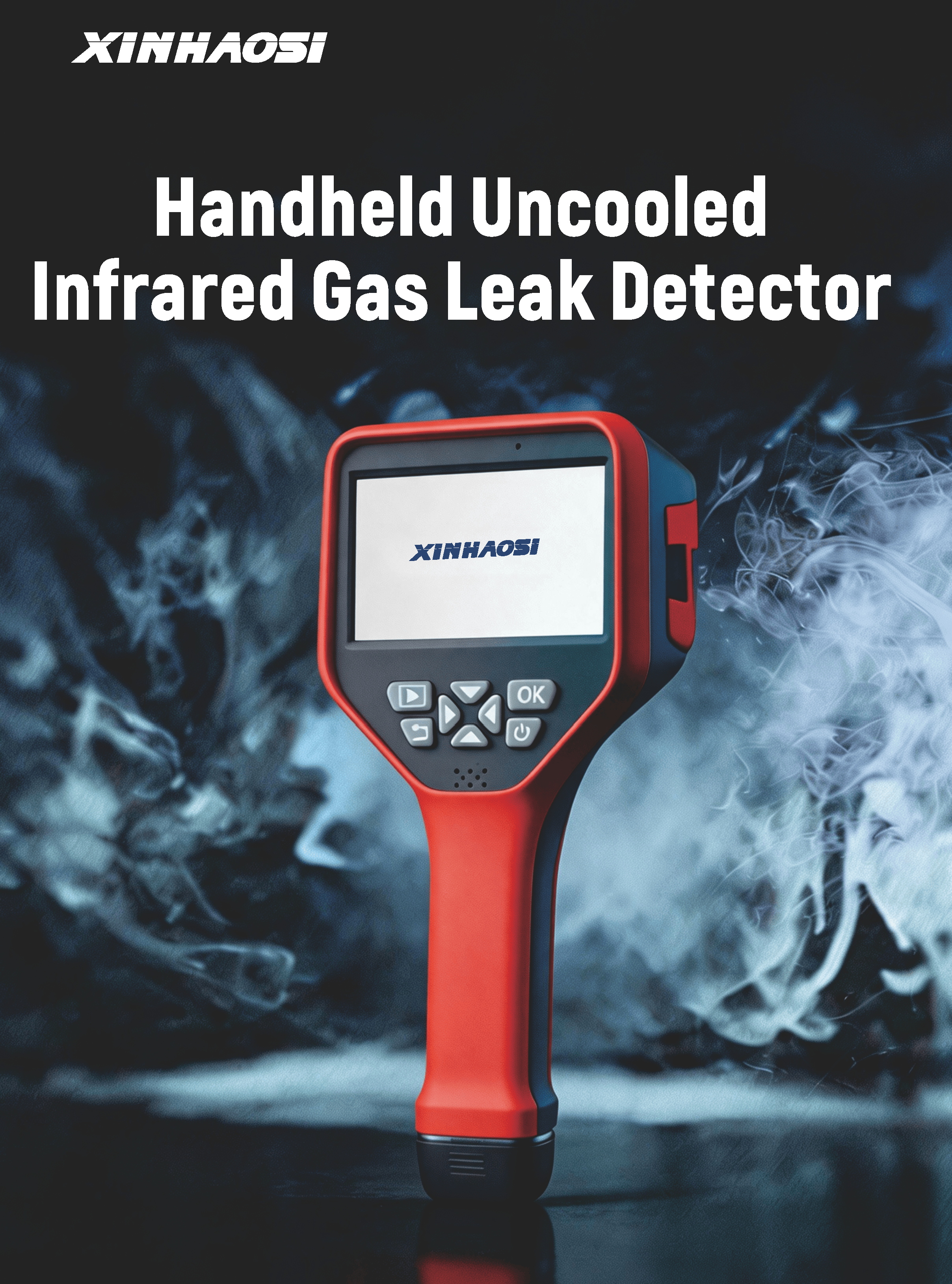
Explore our elite range of explosion-proof detectors, control panels, power solutions, and automatic valves designed to secure your site from the source.
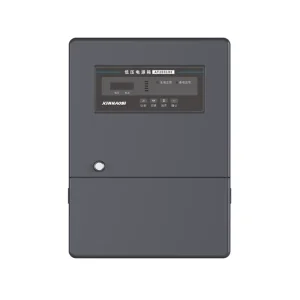
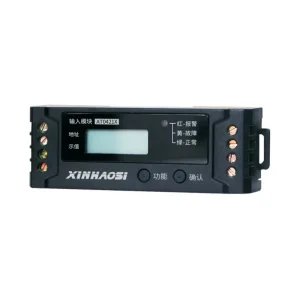
A deep technical analysis of Non-Dispersive Infrared (NDIR) technology, structural integrity, and global safety alignments.
Non-Dispersive Infrared (NDIR) gas sensors represent the gold standard in modern gas detection, particularly for volatile organic compounds (VOCs), carbon dioxide, and hydrocarbons. Unlike catalytic bead systems, which are prone to poisoning by silicones, lead, or sulfur compounds, NDIR sensors operate on a physical optical absorption principle.
According to the Beer-Lambert Law, the amount of infrared light absorbed by a gas is proportional to its concentration and the optical path length. The sensor features an infrared source (typically a micro-machined MEMS hotplate or incandescent emitter), an optical chamber, a wavelength filter, and an infrared detector. Modern industrial sensors employ a dual-wavelength configuration: one measurement channel centered at the absorption spectrum of the target gas (e.g., 3.3-3.4 μm for hydrocarbons, 4.26 μm for CO2) and one reference channel at a wavelength (e.g., 3.91 μm) where no typical gas absorption occurs. This differential reading inherently compensates for source aging, optical path contamination, and thermal fluctuations.
Industrial applications in petrochemical plants, refinery units, and underground municipal tunnels present extremely harsh environments. Sensors must survive corrosive gases, moisture, dust, and potential physical impact without failing.
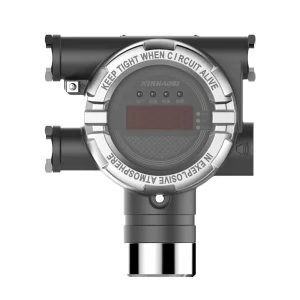
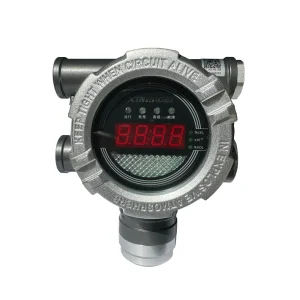
To operate safely in Class I, Division 1 & 2 zones, our gas detectors (such as the GTQ-XP4000 and GTYQ-AT0602) utilize robust 316 stainless steel or copper-free aluminum alloy enclosures. These housings feature flamepaths designed to extinguish any internal explosion before it can propagate to the surrounding flammable atmosphere. The NDIR optical window itself is made of highly durable sapphire crystal, which exhibits excellent infrared transmission properties while resisting scratching and chemical attack. Additionally, sintered stainless steel mesh flame arrestors protect the optical cavity from dust ingress while facilitating rapid diffusion of ambient gases.
The trajectory of gas sensing technology is shifting toward miniaturization, lower power requirements, and localized processing. Xinhaosi is executing a clear technological roadmap designed to transition from traditional thermopile-based sensors to integrated MEMS (Micro-Electro-Mechanical Systems) platforms.
MEMS technology allows the fabrication of thermal emitters directly onto silicon wafers, reducing sensor power consumption from ~150mW down to <15mW. This enables the deployment of battery-powered wireless gas detectors (such as our wireless solenoid valve configurations) that can operate continuously for several years on a single battery pack.
Simultaneously, we are embedding machine learning algorithms directly into the sensor transmitter. These edge diagnostics analyze thermal signatures and optical shifts over time to predict calibration drift and end-of-life status. Rather than executing scheduled maintenance, industrial operators can shift to predictive maintenance strategies, reducing operational costs by up to 30%.
Deploying gas monitoring systems internationally requires strict compliance with diverse regional safety standards. Sensors used in combustible atmospheres must carry the appropriate explosion-proof markings, such as ATEX (Europe), IECEx (International), UL (United States), and CSA (Canada).
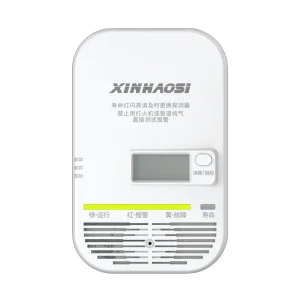
Xinhaosi designs and manufactures products aligned with these rigorous certifications. Our industrial systems undergo meticulous design testing to meet Functional Safety standards (IEC 61508) for Safety Integrity Level 2 (SIL 2). In household applications, compliance with EN 50194 (European standard for domestic gas detectors) and UL 1484 ensures that our residential sensor platforms, including the JT-AT2004BII, provide reliable, false-alarm-free protection.
Furthermore, our global logistics and support network provide direct engineering assistance to simplify site integration. Whether through Modbus RTU, 4-20mA analog output, or wireless LoraWAN/NB-IoT protocols, our systems are engineered for instant plug-and-play integration with legacy DCS and SCADA networks.


We utilize advanced electronic detection technology to make unknown gas leak risks clear and visible.
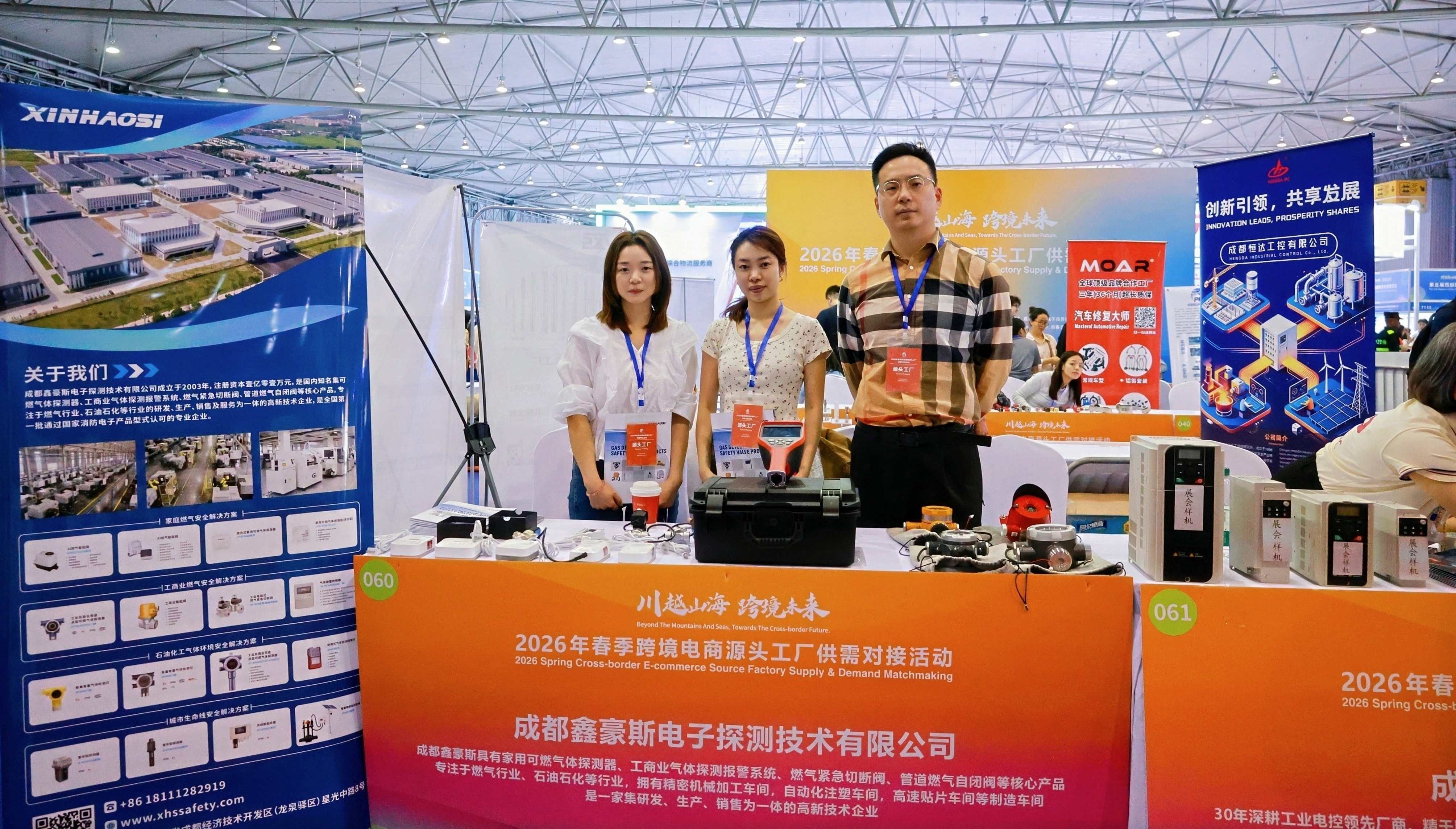
Founded in 2003, Xinhaosi is one of the most influential and reliable brands in the gas safety industry. We provide customer-focused products and services to safeguard the safe operation of every factory, the comfort of every city, and the peace and happiness of every home. Powered by cutting-edge production systems and technology, we deliver more advanced, intuitive, and precise gas safety solutions for shaping a safer future world.
Empowered by technology. Full-chain integration, comprehensive protection, and shaping the future with intelligence.
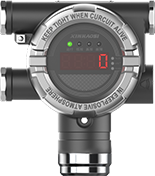
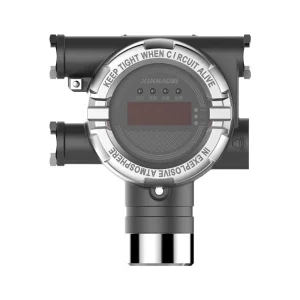
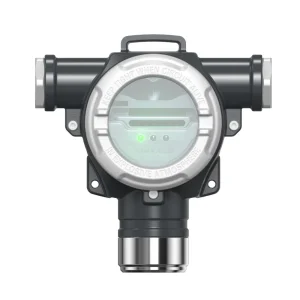
Detection Systems. Safety First from Precision Sensing.

Gas Detectors. Home Safety from Gas Monitoring.
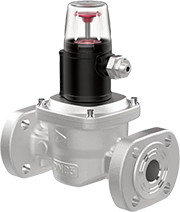
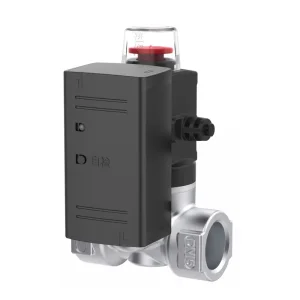
Gas Solenoid Valves. Protecting from the Source.
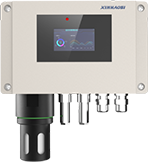
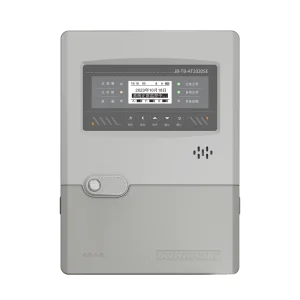
Distribution & Monitoring. Smart Sensing for Urban Gas.
How Xinhaosi leverages vertical integration, localized components sourcing, and manufacturing clusters to assure global delivery.
Located within the industrial powerhouse clusters of China, Xinhaosi operates with deep logistical advantage. From raw aluminum ingot castings, PCB assembly, and advanced micro-component mounting, to high-precision NDIR optical chamber manufacturing, almost 95% of our component supply chain is sourced within a two-hour logistics circle. This geographic clustering mitigates typical lead time constraints, ensuring we maintain production schedules even during global trade fluctuations.
Precision sensors are highly sensitive to particle contamination. Our optical gas sensors are assembled in ISO Class 7 (Class 10,000) cleanroom environments to prevent dust accumulation inside the sensitive gold-plated optical chambers. Every individual sensor undergoes a fully automated temperature compensation and multi-point gas calibration process, ensuring stability across standard industrial operating environments (-40°C to +70°C).
Whether you require a batch of ten customized explosion-proof gas detectors for an oil refinery testbed or ten thousand residential gas alarms for municipal real estate developments, our facility leverages dynamic scheduling systems. Modern assembly lines can switch production paths within hours, backed by safety margins of core chipsets and optoelectronic materials. This versatility makes us the chosen partner for prominent international gas safety brands.
By leveraging raw material sourcing efficiencies, optimized mold structures, and automated processes, we produce premium quality industrial instrumentation at a sensible cost. This enables global operators to deploy wider monitoring networks, enhancing general employee safety and ensuring strict compliance with domestic regulatory mandates without exceeding allocated budget ceilings.
Stay tuned for the latest updates from Xinhaosi and the global gas safety monitoring industry.
Providing industrial safety systems for global corporations and infrastructure networks.
























Technical questions and answers regarding product operation, deployment, and optimization.
Complete your detection array with our controllers, bus-type monitors, safety valves, and specialized transmitters.