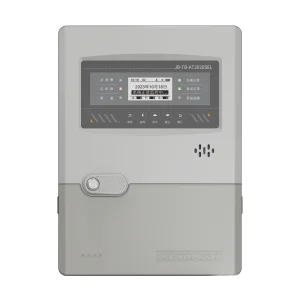
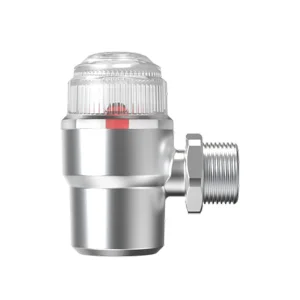
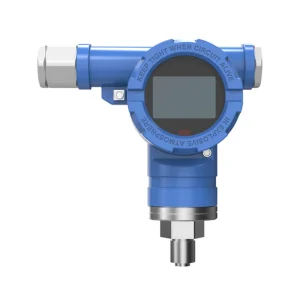
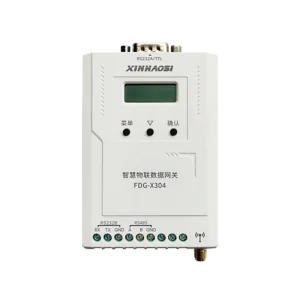
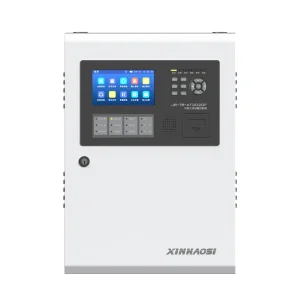
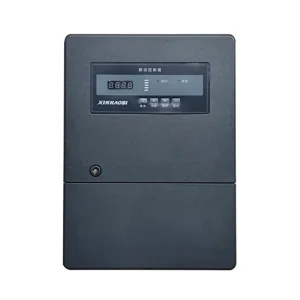
Reliable components designed for mission-critical hazardous detection and mitigation environments.
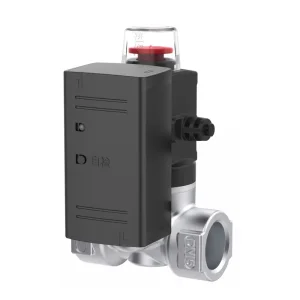
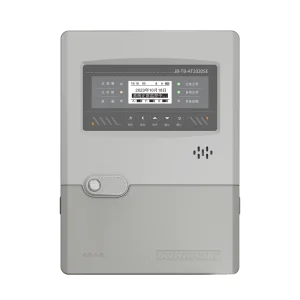
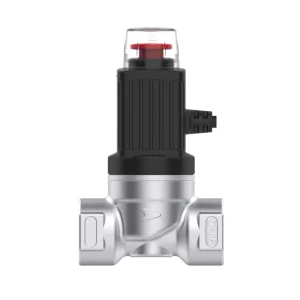

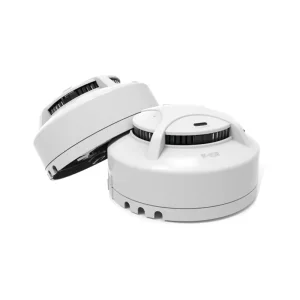
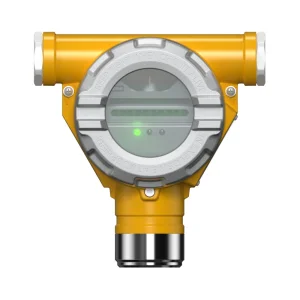
Non-Dispersive Infrared (NDIR) sensors represent the pinnacle of precise combustible and toxic gas monitoring. Unlike catalytic bead or electrochemical alternatives, NDIR gas detectors operate by measuring the absorption of infrared light at specific wavelengths as it passes through a gas volume. Because hydrocarbons and other target gases exhibit unique absorption bands within the infrared spectrum, the detector can evaluate target concentration levels with unmatched specificity and zero cross-sensitivity to background gases.
This optical detection methodology yields significant operating advantages. Infrared gas detectors are immune to catalyst "poisoning" (caused by exposure to silicones, halogenated hydrocarbons, or sulfur compounds) and do not require oxygen to function. This makes them highly suitable for inert-blanketed processes, deep shaft applications, and high-concentration environments where typical sensors degrade rapidly.
Integrating NDIR technology into your facility’s gas safety framework reduces long-term calibration costs, guarantees failsafe operation in oxygen-deficient spaces, and significantly lowers the total cost of ownership (TCO) compared to chemical-based sensor structures.

How Chinese production ecosystems optimize costs, ensure strict QA compliance, and speed up global lead times.
By centering production within China’s major electronic manufacturing hubs, factories secure immediate access to raw semiconductors, optoelectronic modules, ex-proof enclosures, and smart control components. This geographical concentration minimizes intermediate logistical delays and guarantees material availability.
Top China manufacturers adhere strictly to international safety standards, utilizing automatic calibration systems, thermal shock chambers, and gas-chamber aging tests. Compliance with ATEX, IECEx, and China’s local national GB standards guarantees robust protection for explosion-proof applications.
Ample production scale enables substantial economies of scale, allowing custom casing design, private labeling, firmware modification, and interface localization without demanding excessive Minimum Order Quantities (MOQs). Global buyers profit from premium sensor technology at realistic budget brackets.
Years of Engineering R&D
Ex-Proof Certified Products
Global Partner Countries
Annual Product Maintenance Rate
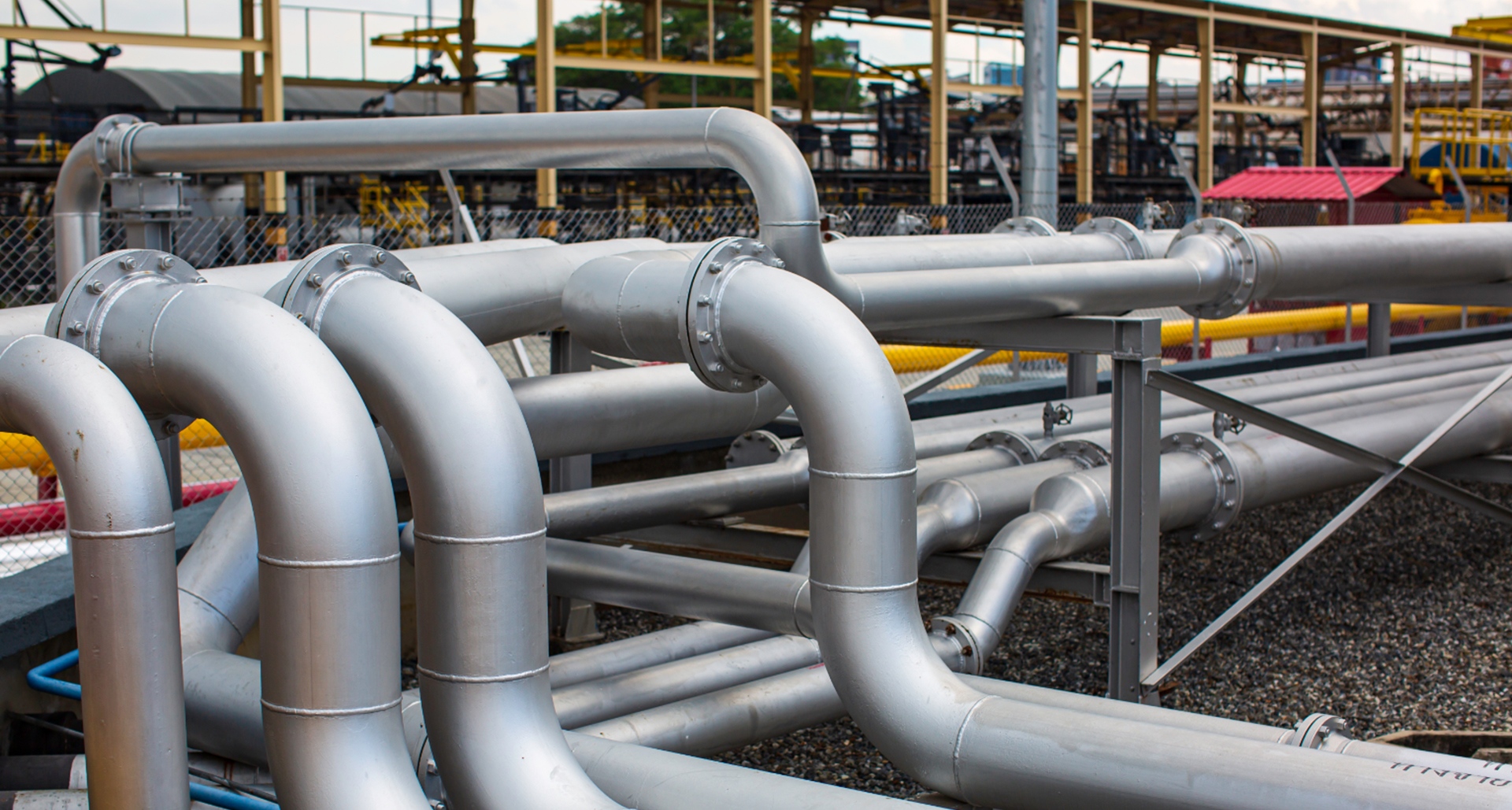
The industrial safety sector is transitioning from reactive hazard detection to predictive risk management. Propelled by the IoT (Internet of Things) and AI-driven data processing, modern gas safety networks leverage real-time spatial sensing. This shift includes the deployment of optical gas imaging (OGI) technology and handheld uncooled infrared gas leak detectors, allowing technicians to pinpoint micro-leaks from dozens of meters away.
Additionally, low-power wireless communication architectures (LoRaWAN, NB-IoT, and 4G) are replacing expensive copper wiring layouts. Sensor modules can now operate autonomously for years on internal battery power, transferring health status and gas levels directly to centralized control stations or cloud interfaces, drastically cutting infrastructure deployment costs.
Custom safety ecosystems engineered for diverse municipal, commercial, and heavy industrial settings.
We utilize advanced electronic detection technology to make unknown gas leak risks clear and visible.
Founded in 2003, Xinhaosi is one of the most influential and reliable brands in gas safety industry. We provide customer-focused products and services to safeguard the safe operation of every factory, the comfort of every city, the peace and happiness of every home. Powered by cutting‑edge production systems and technology, we deliver more advanced, intuitive, and precise gas safety solutions for shaping a safer future world.


We work closely with global gas utility providers, chemical processors, and construction partners.
























Stay tuned for the latest updates from Xinhaosi & the Industry.
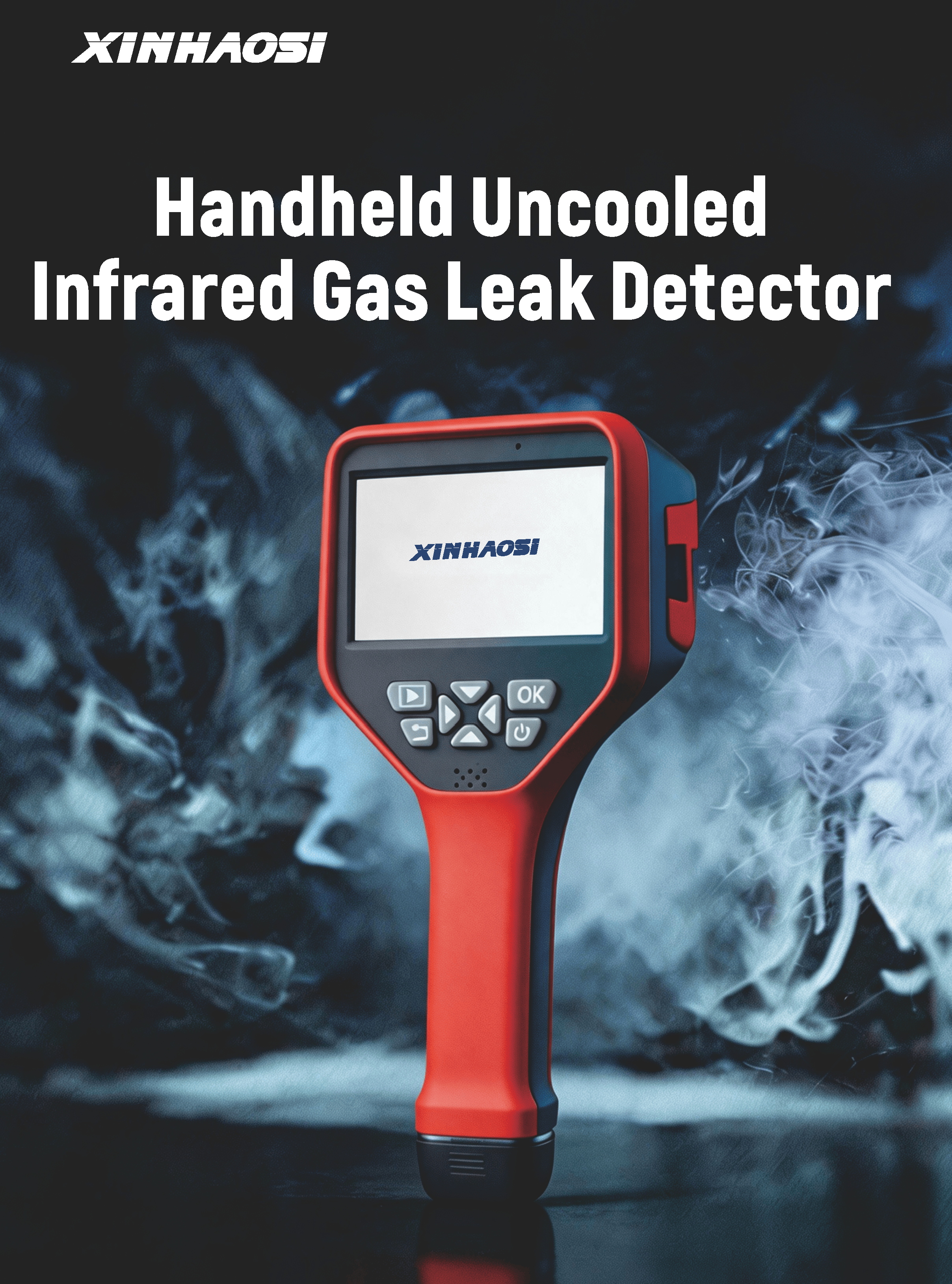
Xinhaosi Electronic Detection Technology Co., Ltd. officially launched its new Handheld Uncooled Infrared Gas Leak Detector, featuring dual-technology fusion, ultra-fast response, and long-distance non-contact detection to enhance safety and efficiency in petrochemical, refrigeration, natural gas and industrial safety scenarios.
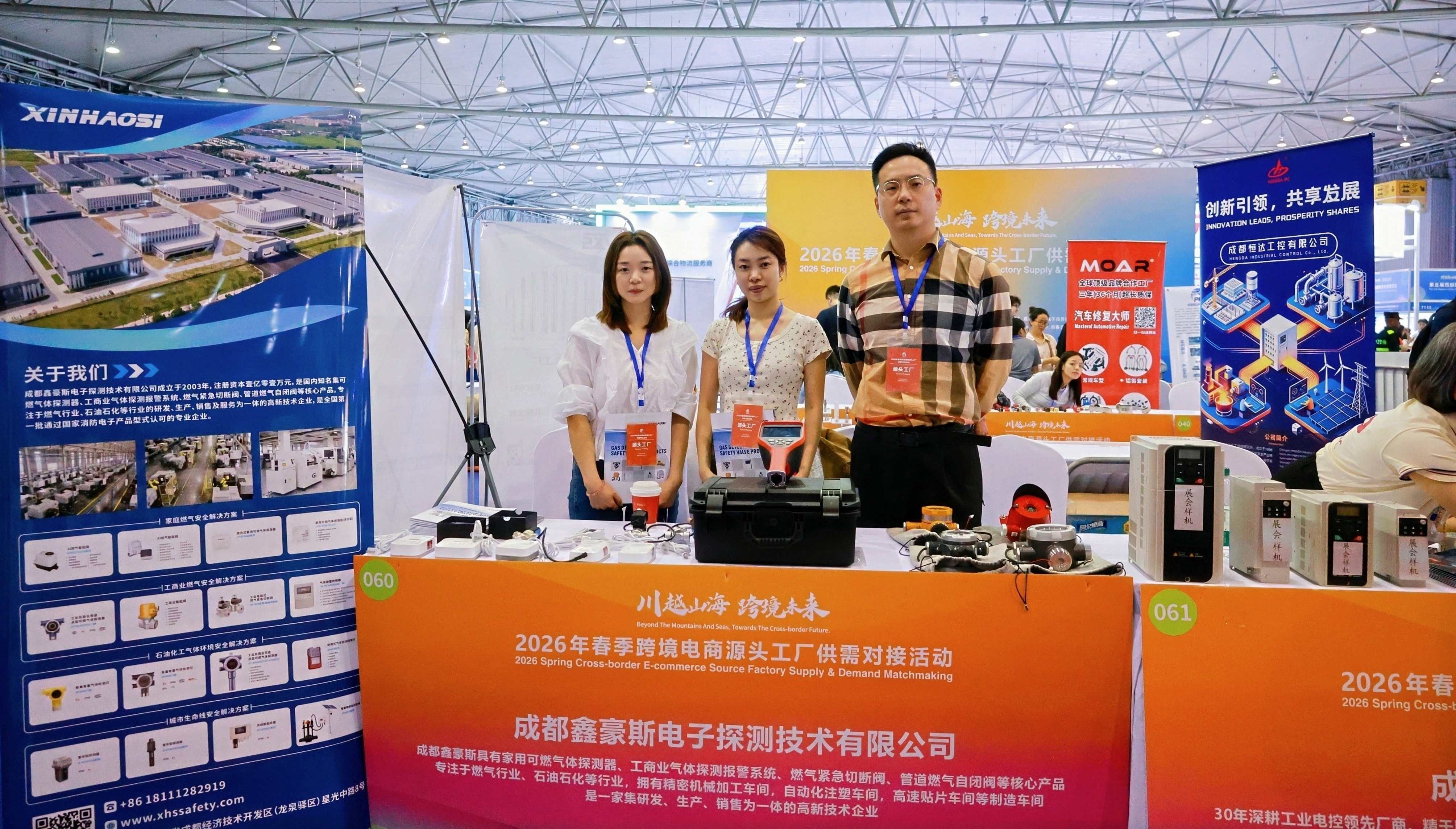
XINHAOSI recently participated in the 5th Western China Cross-Border E-Commerce Expo held in Chengdu. The event brought together cross-border e-commerce platforms, global buyers, manufacturers, and supply chain companies, creating new opportunities for international business cooperation and overseas market development.

XINHAOSI recently participated in the 2026 Sichuan (Chengdu) – Indonesia Industry Matchmaking Conference held in Chengdu. The event gathered enterprises and industry representatives from China and Indonesia to strengthen industrial cooperation and explore new business opportunities in Southeast Asia.
Detailed engineering explanations concerning the performance, lifespan, and calibration of NDIR gas detectors.
NDIR (Non-Dispersive Infrared) sensors utilize optical light path physics and do not chemically react with target gases, giving them a lifespan typically exceeding 10 years and preventing them from getting "poisoned." Catalytic bead sensors rely on standard oxidation chemistry, rendering them vulnerable to silicones, lead, and sulfur elements. Furthermore, NDIR sensors require no oxygen to function and offer superior accuracy under volatile ambient environments, although they are primarily tuned to detect carbon-based hydrocarbons.
Due to the lack of chemical deterioration in NDIR optics, drift is minimal compared to other technologies. For most standard industrial installations, calibration check intervals are recommended every 6 to 12 months. This is dramatically longer than catalytic sensors, which often demand monthly or quarterly manual checks, yielding significant maintenance labor cost reductions.
No. Standard NDIR detectors rely on the target gas molecules having an active chemical bond (like C-H or C=O) that absorbs infrared light at specific wavelengths. Diatomic molecules like Hydrogen (H2) do not absorb infrared radiation in this spectrum. For hydrogen gas applications, electrochemical or catalytic bead sensors must be utilized.
T90 response times are primarily determined by physical gas diffusion speeds through the sensor's flame arrestor and dust protection membrane. High-quality designs use specialized hydrophobic sinter membranes that block ambient humidity and dust while maintaining rapid gas permeation, keeping T90 response times below 30 seconds for standard installations.
For installations in explosive gas atmospheres (Zone 1 and Zone 2), equipment must carry certifications aligned with the local market. In Europe, ATEX directive compliance is mandatory; internationally, the IECEx scheme is widely accepted; in North America, UL/CSA Class I Division 1/2 markings are required; and in China, the local NEPSI/GB certification is necessary. Always verify these compliance documents before purchase.
Engineered for maximum reliability and seamless integration into automated facility safety grids.