Engineered to comply with rigorous international safety standards. Click on any product below to explore complete technical data sheets, diagnostic configurations, and factory-direct ordering parameters.
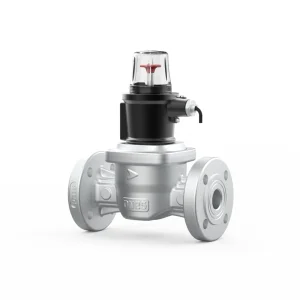
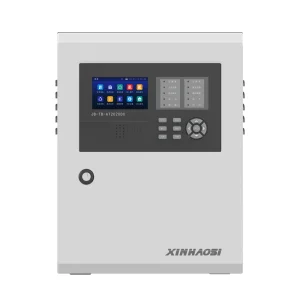
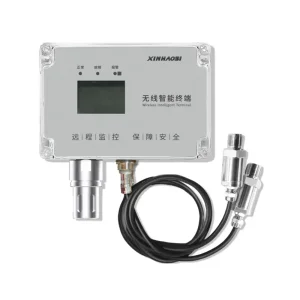
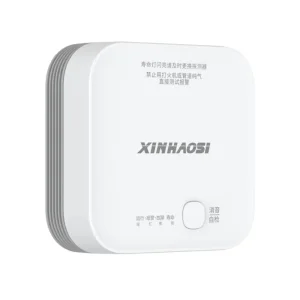
Since 2003, Xinhaosi has stood at the intersection of technological foresight and absolute site reliability, offering elite fluid control and combustible gas mitigation technologies worldwide.
Founded in 2003, Xinhaosi Electronic Detection Technology Co., Ltd. has established itself as one of the most influential and trusted brands in the global gas safety and automatic fluid control industries. Utilizing state-of-the-art electronics, precise mechanical engineering, and rigorous multi-stage testing, we aim to make unknown gas leak hazards visible, controllable, and immediately mitigable. Our systems secure high-risk chemical facilities, municipal grids, commercial facilities, and residential complexes globally.
Over the years, we have expanded our capacity to deliver highly integrated safety structures. This includes not only stand-alone gas solenoid shut-off valves but also cohesive ecosystems comprising explosion-proof gas detectors, real-time wireless pressure monitors, interlocking control panels, and cloud-connected remote terminals. By addressing safety threats at the design phase, Xinhaosi ensures complete control under dynamic operational conditions.
True safety lies in systemic response times. When volatile combustible elements are detected, seconds determine the line between a routine event and a major disaster. By pairing our high-speed, direct-acting normally open or kept normally closed solenoid shut-off valves with localized intelligent gas detectors, Xinhaosi creates a closed-loop mitigation system. Once the threshold is breached, the interlock system immediately fires a power pulse to seal the valve in milliseconds.

Modern procurement departments require valves that go beyond simple open/close states. They demand certified functional safety, energy efficiency, corrosion resistance, and predictive maintenance capabilities.
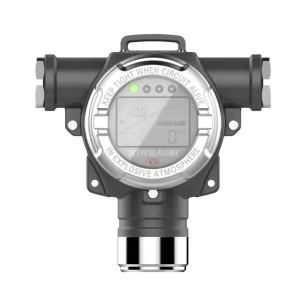
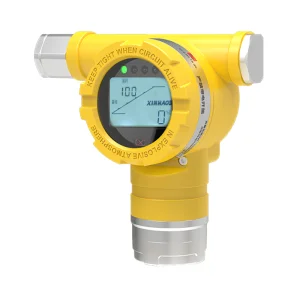
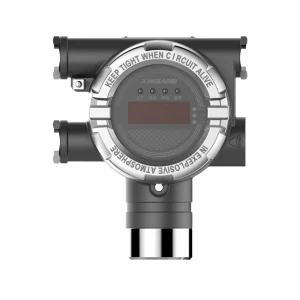
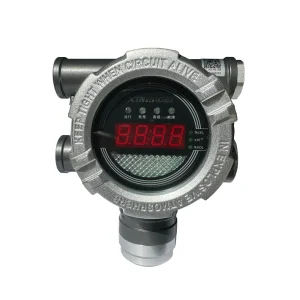
Industrial settings involving natural gas, LPG, and light hydrocarbons present high ignition risks. Our explosion-proof housings contain any internal spark or electrical fault, preventing ignition of the surrounding atmosphere. Rated up to Ex d IIC T6, these enclosures meet ATEX, IECEx, and China GB standards, rendering them suitable for Class 1 Division 1 hazardous environments globally.
Our solenoid coils feature advanced dual-winding configurations and pulse-width modulation (PWM) control interfaces. Once transitioned from open to closed, the holding current drops by up to 85%, minimizing heat generation and thermal stress on the seal material. This extends the coil's operational lifecycle and prevents safety failures caused by localized heat buildup.
Safety Integrity Level 3 (SIL3) certification indicates that our gas solenoids have a high probability of performing their safety shutdown function upon demand. Rigorous testing is applied to every mechanical assembly step, coil design, and return spring, ensuring failure rates conform to IEC 61508 safety standards.
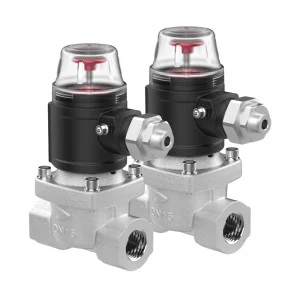
The choice between Normally Opened (e.g., our XF3 / XF3III Series) and kept Normally Closed (e.g., the BT-XF5 Series) solenoid valves is defined by the plant's fail-safe design philosophy:
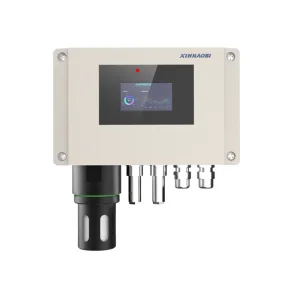
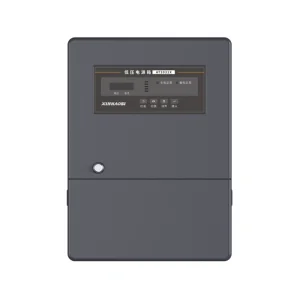
Our engineering services range beyond component manufacturing to the design of complete, integrated, high-reliability safety networks. In urban gas grids and heavy chemical manufacturing, our JB-MK-AT2042X Interlock Control Box acts as the central command node. By receiving analog or digital inputs from multiple remote sensors (like the XP4000 or GTYQ-AT0503/d), the controller evaluates the atmospheric data and shuts down the flow lines via our solenoids within 1 second of detection.
This automated, localized monitoring loop reduces human error, provides reliable local compliance, and complies with occupational safety standards.
Exploring the four key segments of the Xinhaosi industrial gas management framework. Empowered by technology, full-chain integration, and comprehensive protection.
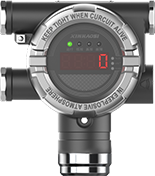
Detection Systems: Safety first from precision sensing and high-durability catalytic elements.
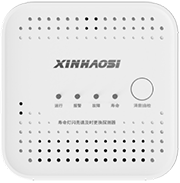
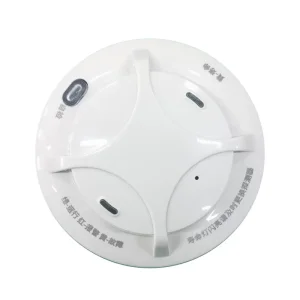
Gas Detectors: Home and restaurant safety via smart, high-reliability monitoring devices.
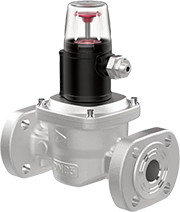
Industrial & Household: Protecting systems directly from the source with high-speed sealing action.
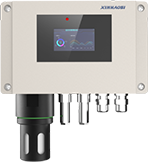
Distribution & Monitoring: Smart sensing and IoT-linked monitoring units for modern urban networks.
As industry standards transition toward smart factory topologies and green energy alternatives, the design requirements for solenoid valves continue to evolve.
Next-generation safety valves are moving away from passive operation. Integrating wireless communication components (like the GT-AT0636 Series Wireless Intelligent Terminal and GT-AT0637 Wireless Smart Pressure Monitor) enables our valves to report coil temperature, current draws, seal integrity, and upstream pressure levels in real time. This information is processed on-site or uploaded to secure SCADA systems, enabling predictive maintenance schedules and reducing unexpected downtime.
With global energy transitions favoring clean fuels, industrial systems are increasingly mixing hydrogen into natural gas networks. Hydrogen's low density and high chemical activity demand superior sealing interfaces. Our engineering team is currently testing elastomeric compounds and high-grade stainless steel valve bodies to ensure zero leakage and long-term resistance to hydrogen embrittlement. This prepares our customers for emerging clean energy compliance standards.
Stay up to date with the latest technical developments, business expansions, and global trade events from Xinhaosi.
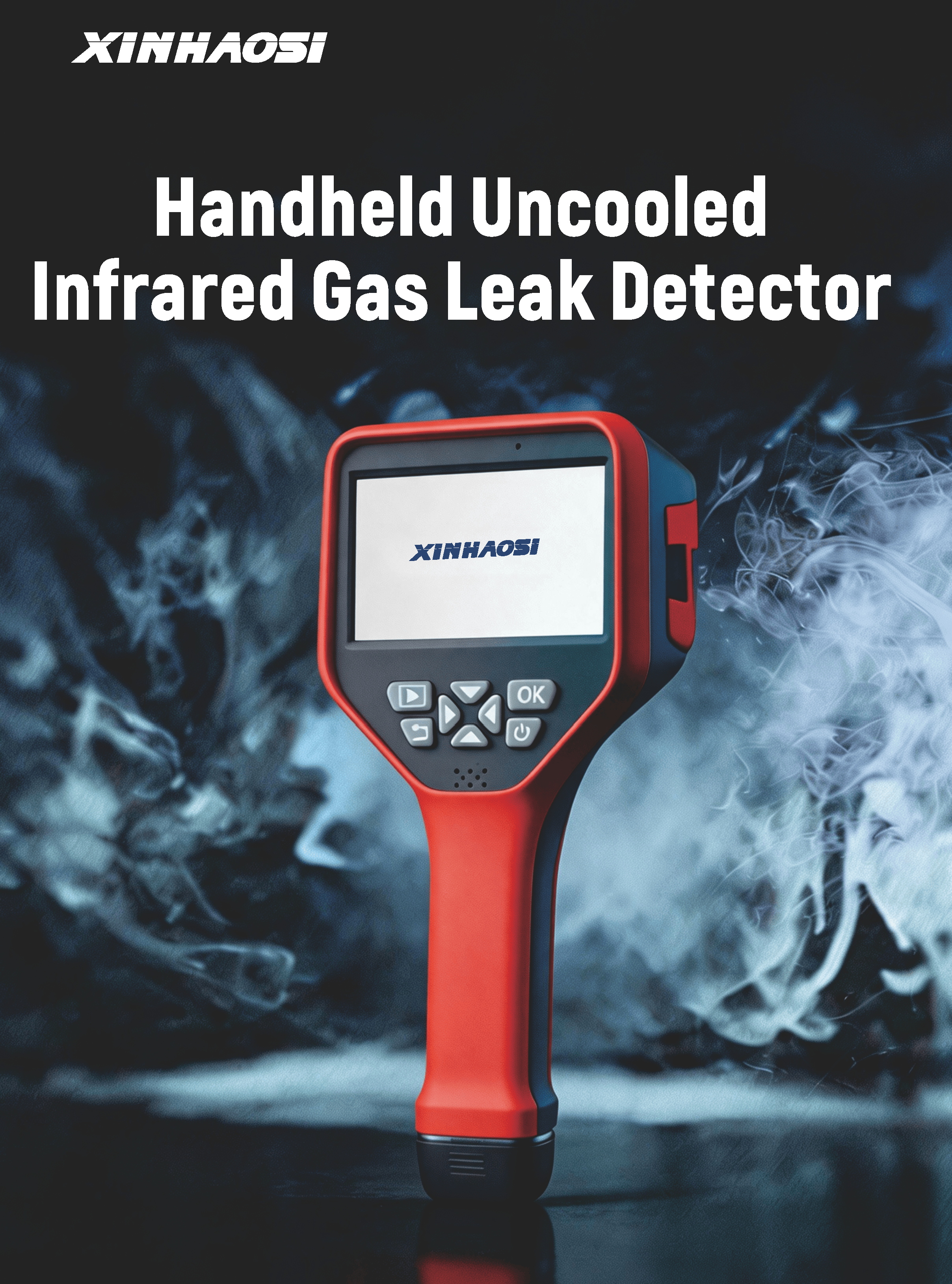
We have officially launched our new Handheld Uncooled Infrared Gas Leak Detector. Incorporating dual-technology fusion and long-distance, non-contact detection, it significantly enhances inspection safety and operational efficiency across petrochemical facilities, natural gas networks, and industrial refrigeration centers.
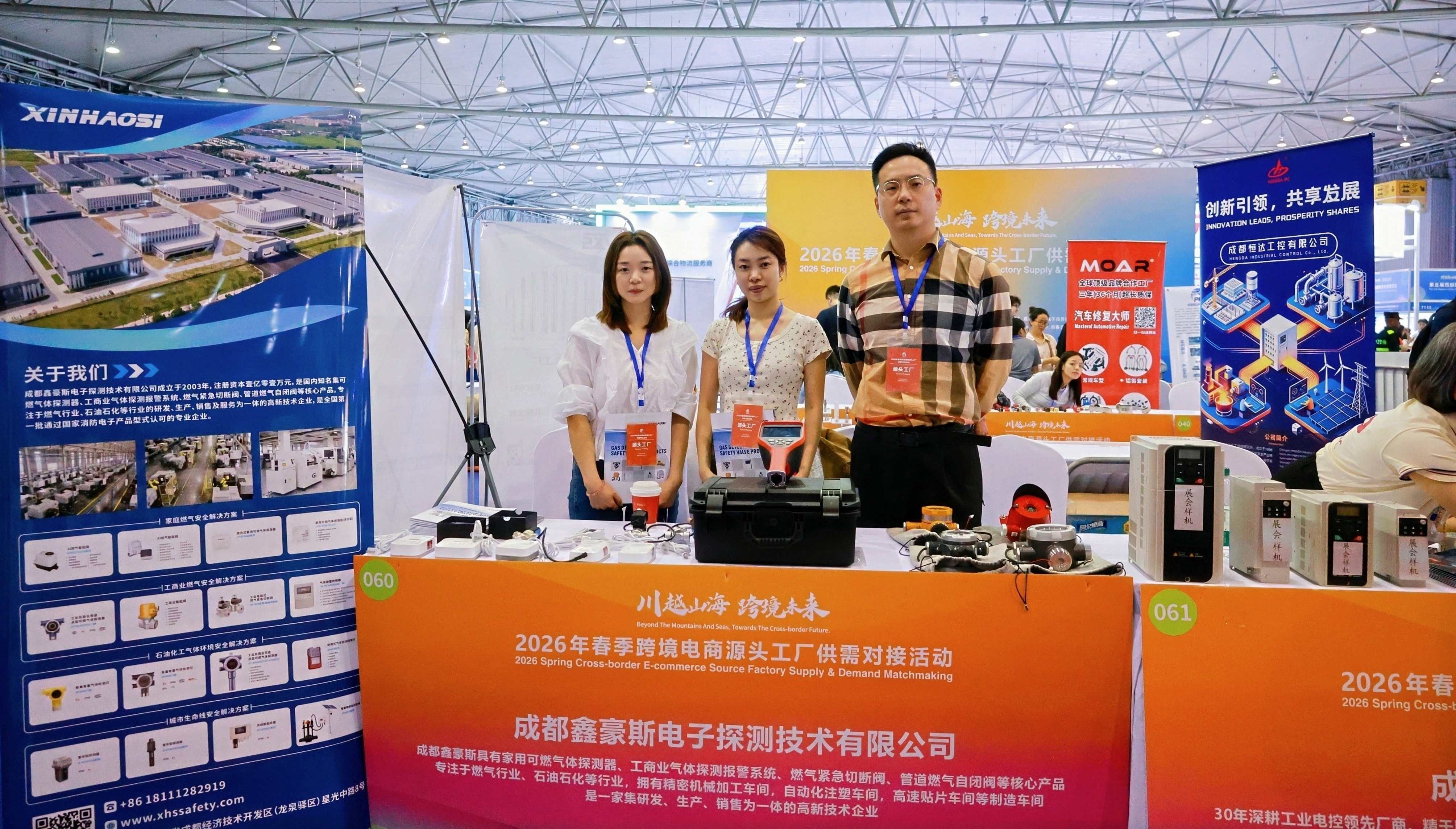
Xinhaosi joined industry leaders at the 5th Western China Cross-Border E-Commerce Expo in Chengdu. The event connected global buyers, manufacturers, and supply chain partners, opening new channels for international collaboration and overseas market expansion.

To support energy infrastructure growth in Southeast Asia, Xinhaosi participated in the 2026 Sichuan (Chengdu) – Indonesia Industry Matchmaking Conference, establishing local partnerships and introducing certified safety solutions to Indonesian industrial representatives.
Get expert answers to critical engineering, installation, and compliance questions regarding solenoid valves and safety systems.
Direct-acting solenoid valves utilize the magnetic force generated by the coil to directly pull up the armature and open or close the sealing disc. They require zero differential pressure to operate and are ideal for low-pressure systems. Pilot-operated solenoid valves rely on the pressure differential of the fluid line to assist in lifting the internal diaphragm. These require a minimum pressure drop (typically 0.3 to 0.5 bar) to open and close reliably, making them suitable for high-flow, high-pressure industrial applications.
This is a critical safety design feature. When a gas leak triggers the detector, the system automatically shuts down the flow line to prevent accidents. If the valve reset automatically once the power cut or detector alarm ceased, it could reintroduce gas into a potentially compromised area without human verification. Requiring a manual reset forces maintenance personnel to inspect the line, locate the source of the leak, and ensure the facility is safe before manually opening the valve and restarting operations.
The interlock control box (such as our JB-MK-AT2042X) serves as the central control unit. It continuously monitors signal inputs from gas, oxygen, or toxic gas detectors (like the XP4000). If gas concentrations exceed pre-set thresholds, the control box triggers alarms, activates exhaust fans, and sends a shutdown signal to the solenoid valves to stop gas flow. It can also interface with fire alarms or emergency stop buttons for centralized plant safety management.
Traditional pressure gauges require manual inspection, which can delay leak detection. Wireless smart pressure monitors (such as the GT-AT0637) continuously track pressure and transmit the data to control systems. Sudden pressure drops can indicate line breaks or valve failures, allowing automated safety systems to take immediate corrective action, reduce product loss, and prevent hazardous accumulations.
Choosing the correct elastomer is critical for seal life and safety:
• NBR (Nitrile): Excellent resistance to petroleum-based oils, natural gas, and LPG. Recommended for standard temperature ranges (-20°C to +80°C).
• FKM (Viton): Superior chemical resistance to hydrocarbons, acids, and high temperatures (up to +180°C).
• PTFE: Ideal for highly corrosive gases and cryogenic applications, though it is less flexible than NBR or FKM.
The "Ex d" designation indicates an explosion-proof enclosure. If an electrical fault or spark occurs inside the solenoid coil, the housing is designed to contain the combustion energy and prevent hot gases or flames from escaping into the surrounding environment. The "IIC" rating refers to safety in hydrogen and acetylene atmospheres, while "T6" limits the maximum outer surface temperature of the valve enclosure to 85°C. This ensures the valve will not ignite flammable atmospheres, even under continuous operation.
Yes, terminals like the GT-AT0636 Series are designed for remote, off-grid deployments. Equipped with low-power microprocessors, battery power options, and long-range wireless protocols (such as LoRaWAN, NB-IoT, or cellular), they can operate for years with minimal maintenance. This allows operator visibility over pipelines, storage fields, and distribution stations without requiring expensive local power infrastructure.
Industrial valves must undergo a range of tests to verify safety and performance, including hydrostatic pressure testing (confirming the valve body can withstand surge pressures), pneumatic bubble leak tests (ensuring zero seat leakage), insulation resistance testing, and coil cycle fatigue testing. For hazardous sites, obtaining certificates such as ATEX, IECEx, or China GB Ex is mandatory to confirm the design meets global explosion safety standards.
Explore our range of support electronics, low-voltage control boxes, explosion-proof sensor heads, and alternative voltage solenoid valves designed to integrate into your safety architectures.
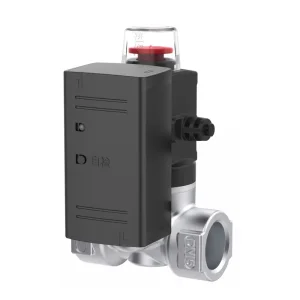
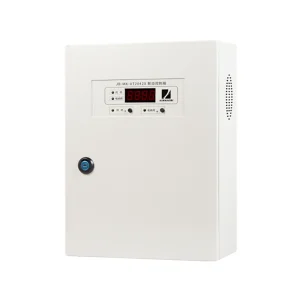
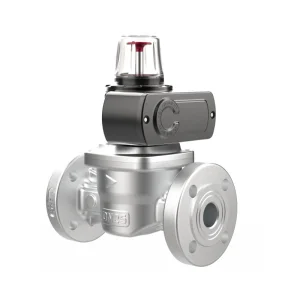
Xinhaosi partners with municipal gas operators, chemical manufacturers, and safety systems distributors globally to deliver high-reliability fluid control and detection networks.