The Critical Landscape of Global Gas Safety Controls
A comprehensive analysis of global regulatory standards, technological developments, and deployment principles for industrial and domestic infrastructure.
In an era of accelerating industrialization, urban expansion, and complex energy transactions, gas safety controls are the cornerstone of risk management. Across chemical manufacturing, metallurgical processing, urban utility grids, and residential housing, the containment and monitoring of combustible and toxic gases pose major technical challenges. As the global transition toward cleaner fuels like liquefied natural gas (LNG), compressed natural gas (CNG), and hydrogen energy gains speed, the demand for highly reliable detection systems has grown significantly.
Modern gas safety frameworks have moved from isolated physical alarms to integrated industrial environments. Under Google's E-E-A-T guidelines, assessing the capability of a Gas Detector Controller requires looking at both local hardware components and its network architecture. Regulatory compliance is key. Systems deployed in hazardous locations must meet strict standards like ATEX (Europe), Class/Division systems (NEC/CEC in North America), and CCC/GB (China). Meeting these standards ensures that devices operate safely in explosive gas atmospheres (e.g., Zone 1 and Zone 2) without sparking secondary ignition.
Technical Breakthrough of Core Gas Safety Ecosystem Components
An effective gas safety installation is divided into three key subsystems: detection, processing/transmission, and mitigation.
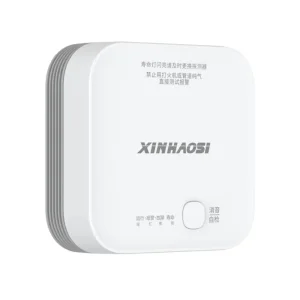
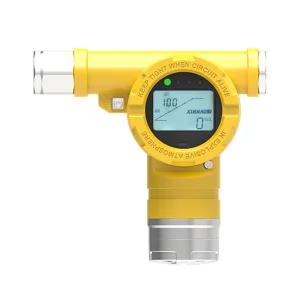
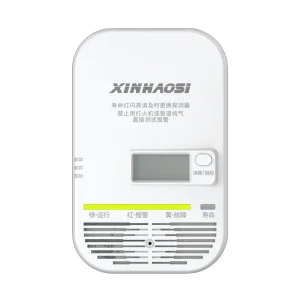
At the front end, gas detectors are configured with specific sensor technologies tailored to the environment. Catalytic combustion sensors remain the standard for lower explosive limit (LEL) monitoring of methane, butane, and propane, offering excellent durability. For harsh settings with corrosive elements, infrared absorption sensors provide long-term stability and immunity to sensor poisoning. The detection of toxic substances, volatile organic compounds (VOCs), and oxygen levels relies on precise electrochemical arrays, as used in the XP3000 Toxic Gas Detector.
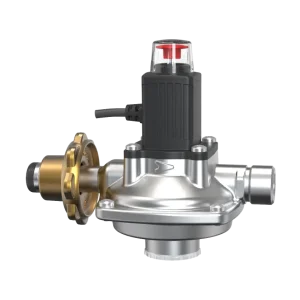
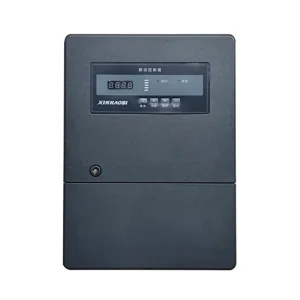
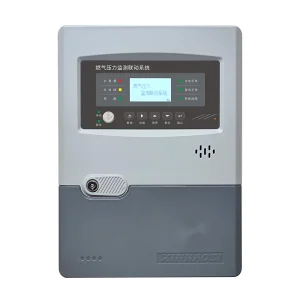
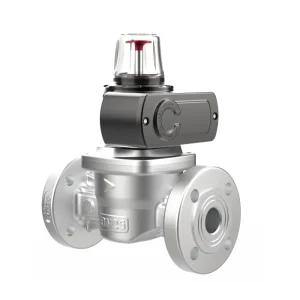
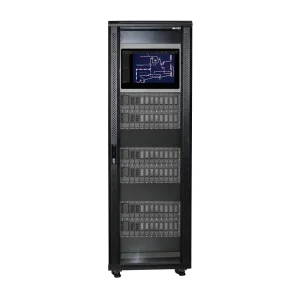
At the system level, signals from these detectors are processed by controllers like the JB-TB-AT2020LH Controller. Using digital bus architectures (such as Modbus RTU, CAN-bus, or proprietary industrial networks), these controllers aggregate real-time data, display system status, and manage alarm conditions. These controllers are connected to automatic shut-off systems, such as the Normally Opened KT-XF5 Solenoid Valve, which instantly isolates the gas source in the event of an alarm. This complete chain—from detection to automatic isolation—minimizes human error and provides rapid, automated protection.
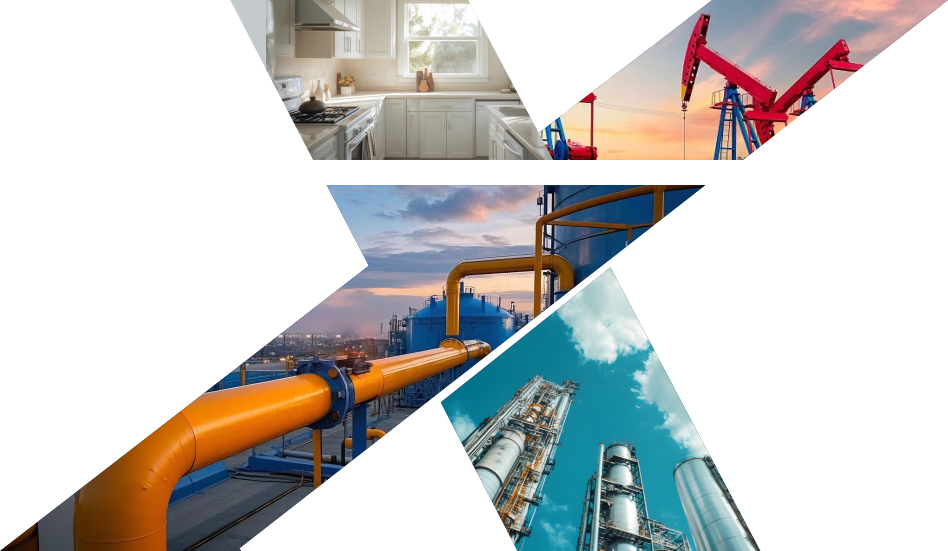

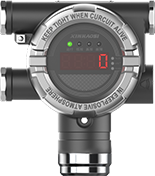 Industrial Gas & Flame
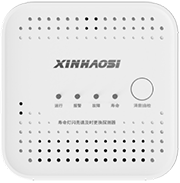 Household & Commercial
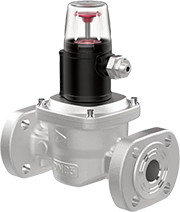 Gas Solenoid Valves
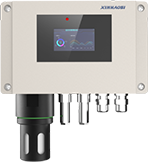 Urban Gas Distribution