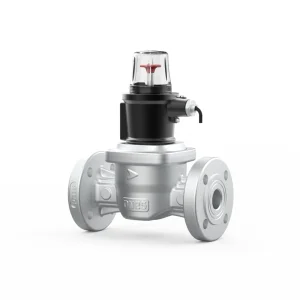
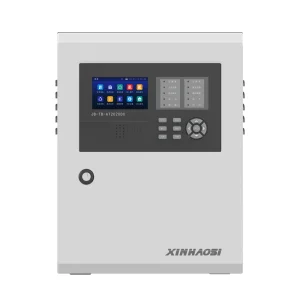
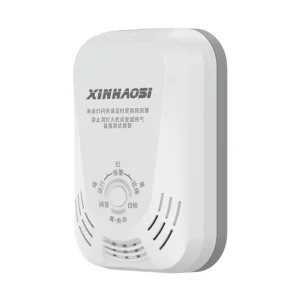
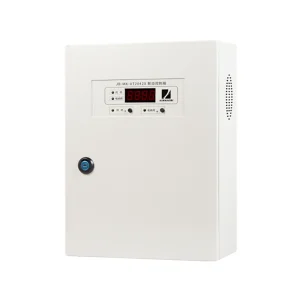
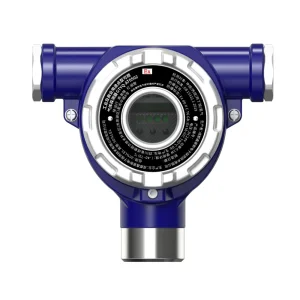
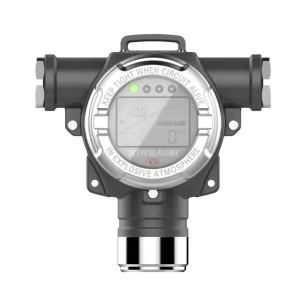
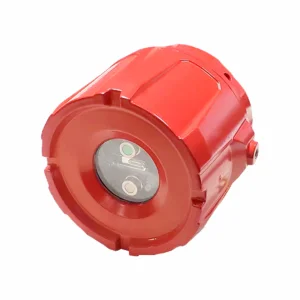
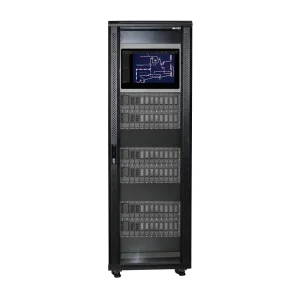
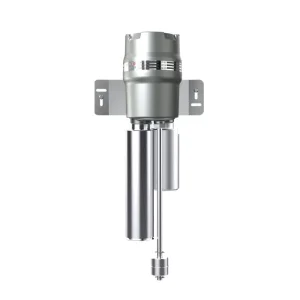
Explore our top-tier catalog of precision monitoring devices, AI-integrated safety valves, and interlocking control systems.

High-Precision Gas Control Valves: Core Components in Modern Boiler Combustion Systems
In modern industrial and commercial thermal systems, the gas control valve for boilers acts as the primary regulating mechanism. Its task is to balance complex pressure variables while ensuring an accurate air-to-fuel ratio for clean combustion. A standard high-performance system combines a pressure regulator, safety shut-off valves, and modulating actuators into a single compact housing. Understanding the operation of these components is crucial for choosing the right system.
Modern configurations rely heavily on dual-stage safety designs. Inside the gas train, the primary shut-off valve opens rapidly, while the secondary valve modulates to control flow. This configuration meets tight safety regulations like EN 161 (Class A) and guarantees gas shut-off within milliseconds of flame loss or abnormal pressure. Advanced options include built-in zero-governor technology, which aligns gas pressure directly with air pressure, maintaining stable burner performance even under variable load demands.
SEO Value Highlight: The air-to-fuel ratio is critical for high-efficiency condensing boilers. By using modulating gas valves with a 10:1 turndown ratio, manufacturers can reduce cycling losses, lower carbon footprint, and increase boiler efficiency up to 98%.
The global heating and power industries are shifting toward lower carbon emissions. This change is driving boiler manufacturers and valve suppliers to adapt. Key trends include:
For procurement managers and engineers, choosing the right manufacturer involves looking at certifications and testing processes. An entry-level supplier may meet local rules, but commercial-grade boilers demand international certifications. The table below lists the essential safety and performance standards:
| Standard / Regulation | Target Region | Technical Requirement | Safety Relevance |
|---|---|---|---|
| EN 161 (Class A) | Europe / Global | Automatic shut-off valves for gas burners | Ensures valve closes in <1 second on loss of power |
| ANSI Z21.21 / CSA 6.5 | North America | Gas safety shut-off valves | Verifies design integrity for commercial appliances |
| UL 353 / UL 429 | USA / Canada | Safety limit controls & electrically operated valves | Electrical safety and risk prevention |
| SIL 2 / SIL 3 (IEC 61508) | Global Industrial | Functional safety of safety-related systems | Guarantees low probability of dangerous failure on demand |
A gas control valve is only one part of a complete safety system. Modern commercial boiler setups require a multi-layered system where the control valve, gas leak detectors, flame monitors, and ventilation controls work together. This integration reduces risk across the system.
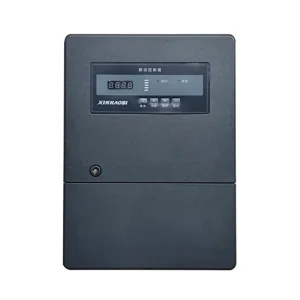
If a gas leak is detected outside the boiler, or if a flameout occurs within the burner, the interlocking control box signals the solenoid gas valve to close immediately. At the same time, it starts purge blowers to remove unburned gas from the chamber. Selecting matched components from one manufacturer simplifies compatibility and ensures reliable system operation.
Operating high-pressure gas installations requires adherence to regional and national safety regulations. High-quality manufacturers support clients through localized engineering consultations, field testing, and commissioning support. Whether you must comply with European PED, American NFPA 85, or China's TSG standards, having a supplier who understands regional compliance is key to passing audits and maintaining safe operations.
Common questions answered by our combustion engineering team.
Integrating Advanced Automation and Detection for Boiler Safety


We utilize advanced electronic detection technology to make unknown gas leak risks clear and visible.
Founded in 2003, Xinhaosi is one of the most influential and reliable brands in the gas safety industry. We provide customer-focused products and services to safeguard the safe operation of every factory, the comfort of every city, and the peace and happiness of every home. Powered by cutting-edge production systems and technology, we deliver advanced, intuitive, and precise gas safety solutions for shaping a safer world.
Detection Systems - Safety First from Precision Sensing.

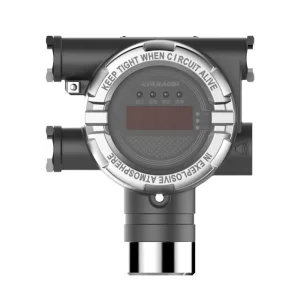
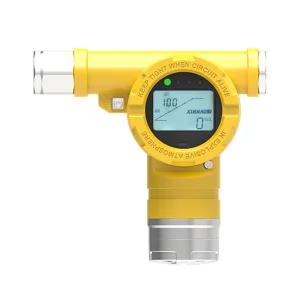
Gas Detectors - Home Safety from Gas Monitoring.
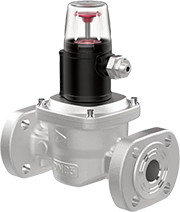
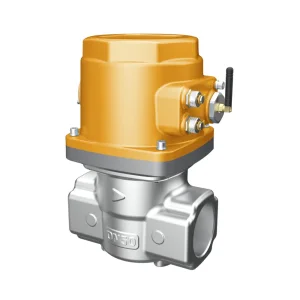
Gas Solenoid Valves - Protecting from the Source.
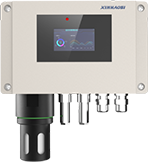
Distribution & Monitoring - Smart Sensing for Urban Gas.
Empowered by technology. Full-chain integration, comprehensive protection, shaping the future with intelligence.
News and updates about gas control valves and gas safety technology.
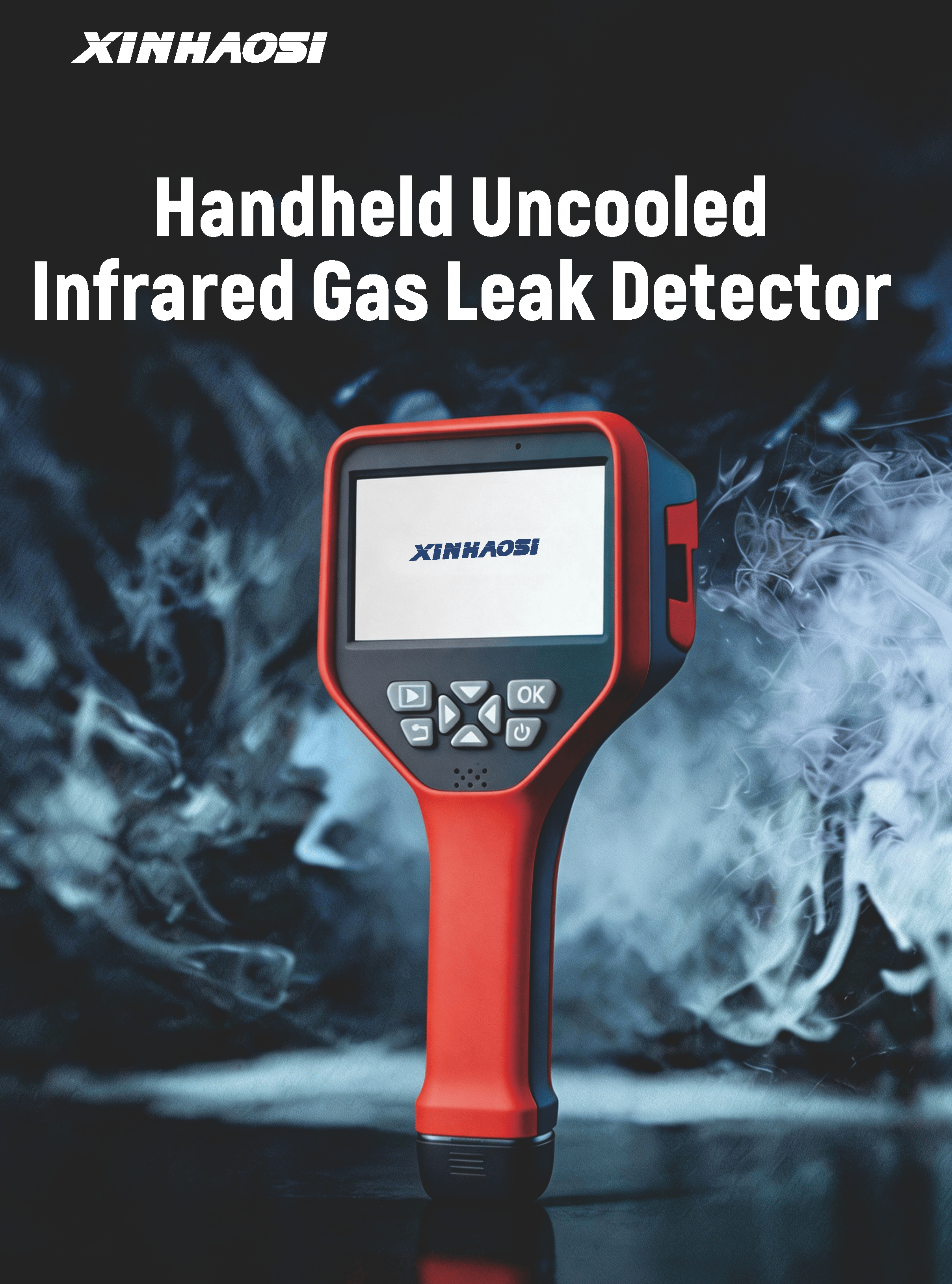
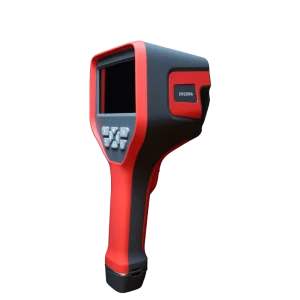
Xinhaosi Electronic Detection Technology Co., Ltd. officially launched its new Handheld Uncooled Infrared Gas Leak Detector, featuring dual-technology fusion, ultra-fast response, and long-distance non-contact detection...
May 09, 2026
XINHAOSI recently participated in the 5th Western China Cross-Border E-Commerce Expo held in Chengdu. The event brought together cross-border e-commerce platforms, global buyers, manufacturers, and supply chain companies...
May 08, 2026
XINHAOSI recently participated in the 2026 Sichuan (Chengdu) – Indonesia Industry Matchmaking Conference held in Chengdu. The event gathered enterprises and industry representatives from China and Indonesia...
May 08, 2026Working with global safety organizations, energy suppliers, and boiler OEMs.
























Explore our safety products, including dual IR-UV flame sensors, controller units, and high-pressure solenoid gas valves.