
Engineered to meet stringent international standards for commercial, residential, and municipal distribution safety.

Strategic perspectives on macro economics, strict safety standards, and advanced material requirements.
The global commercial gas valve market is going through a massive structural evolution. This is being driven by stricter municipal safety codes, a transition to cleaner gaseous fuels like hydrogen and LNG, and the integration of IoT monitoring. In both advanced and emerging economies, commercial gas valves are no longer just basic mechanical shutoffs. Instead, they have become core components of smart building management systems (BMS) and complex industrial control loops.
As urban infrastructures grow denser, the risks associated with volatile gas distribution rise exponentially. Regulatory bodies worldwide are introducing more rigorous testing standards. In Europe, EN 161 sets strict requirements for automatic shut-off valves used with gas burners and appliances. In North America, standards like UL 429 and FM approvals dictate the build quality and electrical safety of safety valves. High-quality commercial gas valve manufacturers must meet these certifications to ensure their products function reliably under harsh operational demands.
From a manufacturing standpoint, material science is key. For standard commercial systems, brass and cast iron are common. However, for industrial environments handling corrosive gases or operating in high-humidity offshore zones, premium materials like stainless steel (Grade 316/304) and Viton seal elements are necessary. These high-end materials help prevent degradation and micro-leaks, ensuring the system remains safe and operational over a long service life.
Understanding the internal mechanisms and engineering choices that define next-generation commercial safety systems.
Utilizes both high-power inrush currents for quick opening actions and low-current holding modes to reduce energy consumption, minimize coil temperatures, and extend component lifespans.
Designed to comply with IEC 61508 safety standards. Features redundant architecture to support emergency shutdown operations (ESD) in high-risk environments.
Built-in pressure transducers and micro-switches track real-time flow data, valve position status, and coil health. This data is fed directly to the BMS to enable predictive maintenance.

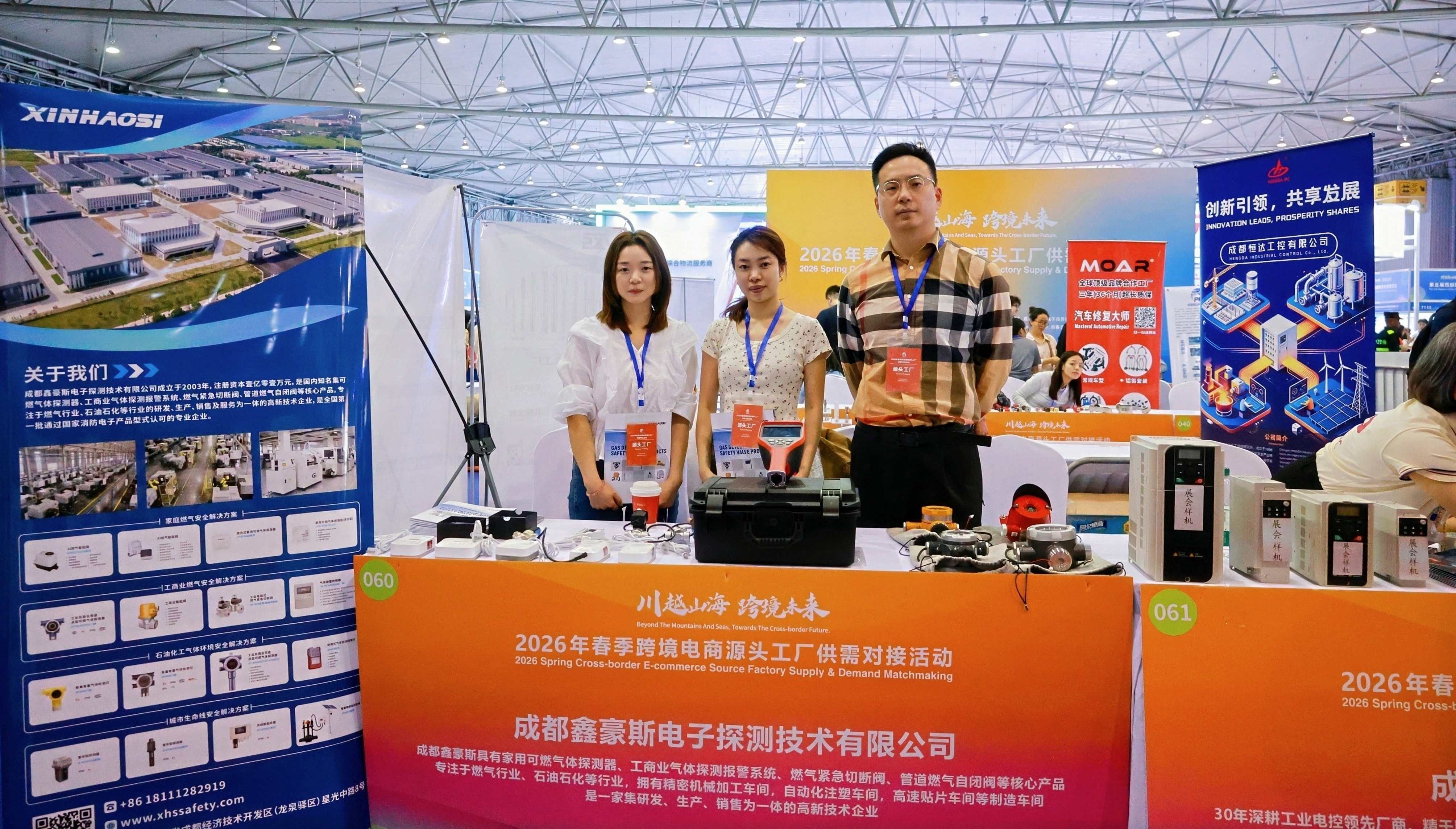
Founded in 2003, Xinhaosi has grown to become one of the most reliable and influential brands in the gas safety industry. We provide customer-focused products and services to protect the operations of industrial facilities, the reliability of municipal gas systems, and the safety of homes worldwide.
We use advanced electronic detection systems to make invisible gas leak hazards clear and visible. Powered by modern production lines and precision engineering, we build safety solutions that protect human lives and corporate assets around the clock.
How our gas detection systems and industrial solenoid valves work together to protect critical installations.

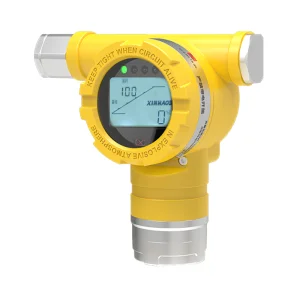
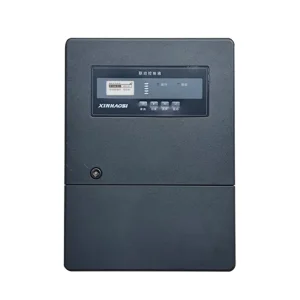
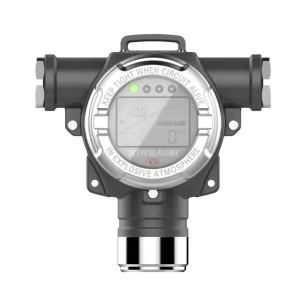
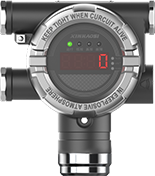
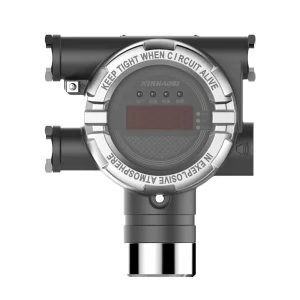
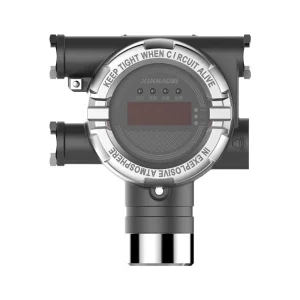
Our heavy-duty gas and flame detectors are designed for demanding industrial environments, including petrochemical plants, refineries, and metallurgy sites. These systems offer fast response times, explosion-proof construction, and seamless integration with emergency shutdown valves to stop leaks at the source.
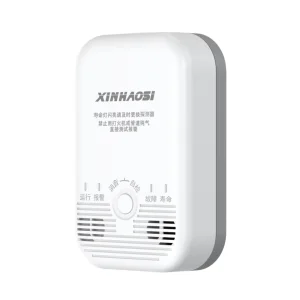
We provide compact, highly sensitive gas detectors designed for homes, commercial kitchens, hotels, and apartments. These systems monitor for combustible gases like natural gas, LPG, and methane, triggering instant alarms and shut-off valves to ensure occupants remain safe.
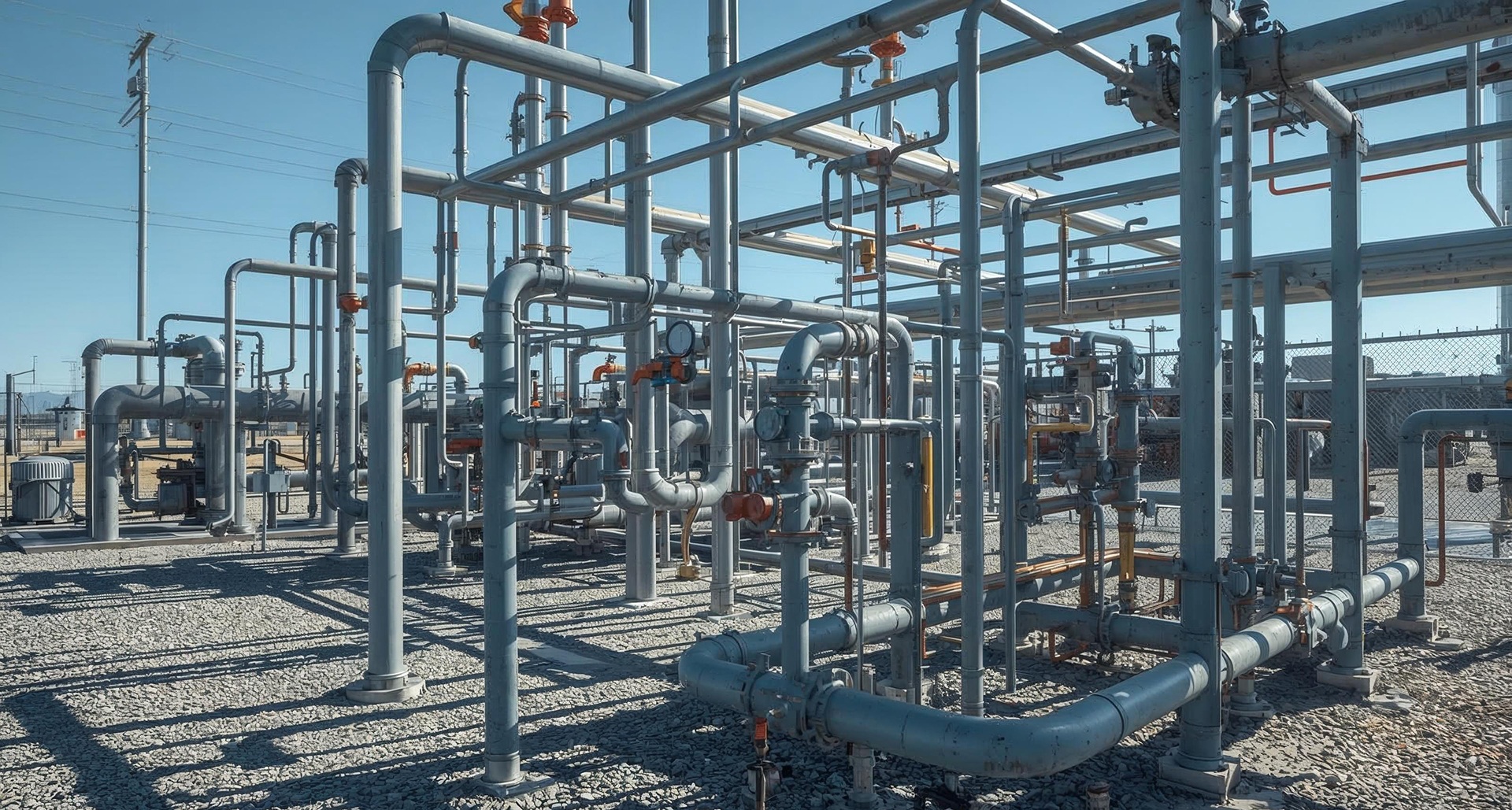
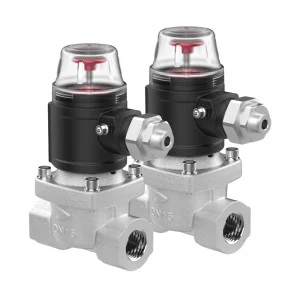
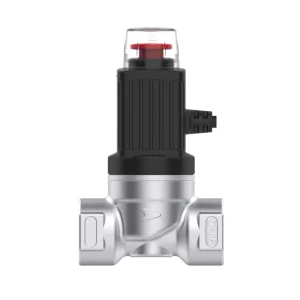
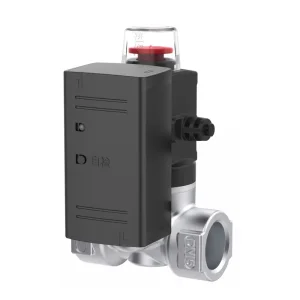
Our solenoid shut-off valves are designed to quickly cut off gas flow during an emergency. Engineered for durability, these valves work in tandem with our detector arrays to provide a reliable, automatic safety shield for both residential piping and industrial supply lines.
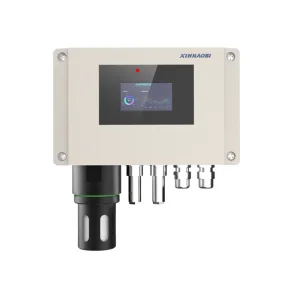
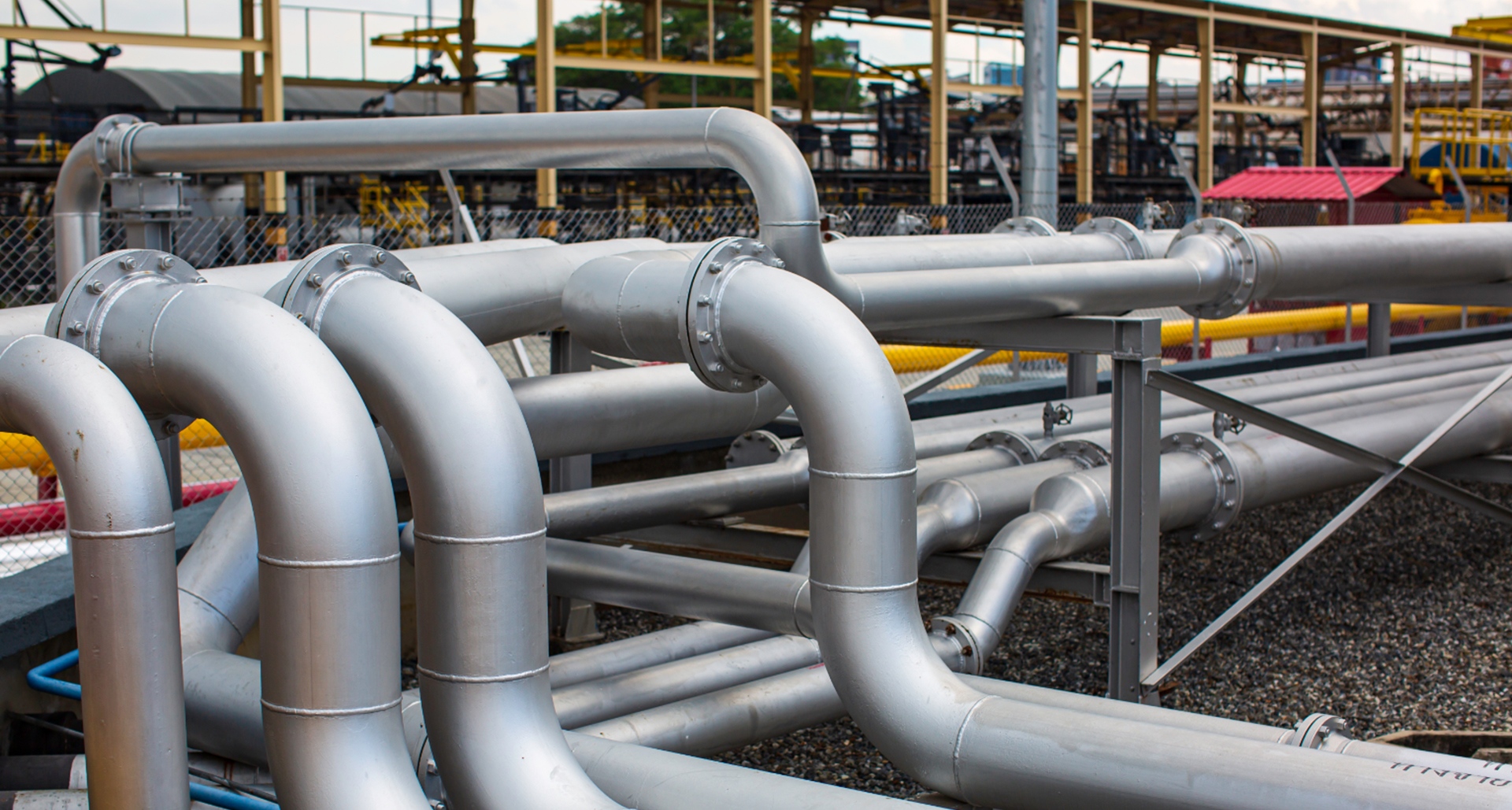
Smart monitoring systems designed for municipal gas pipelines and pressure regulating stations. By tracking pressure levels, temperature variations, and potential flow anomalies across the distribution network, we help municipal teams keep city infrastructure safe and stable.
As the global energy sector shifts toward cleaner fuels, gas control systems are adapting to support hydrogen (H2) and hydrogen-natural gas blends. Hydrogen molecules are much smaller and more prone to leaking than methane, which requires manufacturers to redesign valve seats, seal materials, and internal dynamics. The next generation of gas valves will feature advanced composite seals and tight-tolerance metal seats to prevent hydrogen embrittlement and micro-leakage.
At the same time, safety systems are moving toward wireless connectivity. Industrial and commercial systems are increasingly using low-power wide-area networks (LPWAN) like LoRaWAN and NB-IoT. This allows facilities to deploy wireless sensors in hard-to-reach locations without the high cost of running physical cables. These smart sensors transmit pressure, temperature, and leakage data back to central control systems, giving operators real-time visibility across their entire facility.
We work with leading industrial brands and energy suppliers to deliver reliable safety systems worldwide.
















Updates, new technology releases, and international partnership updates from Xinhaosi.
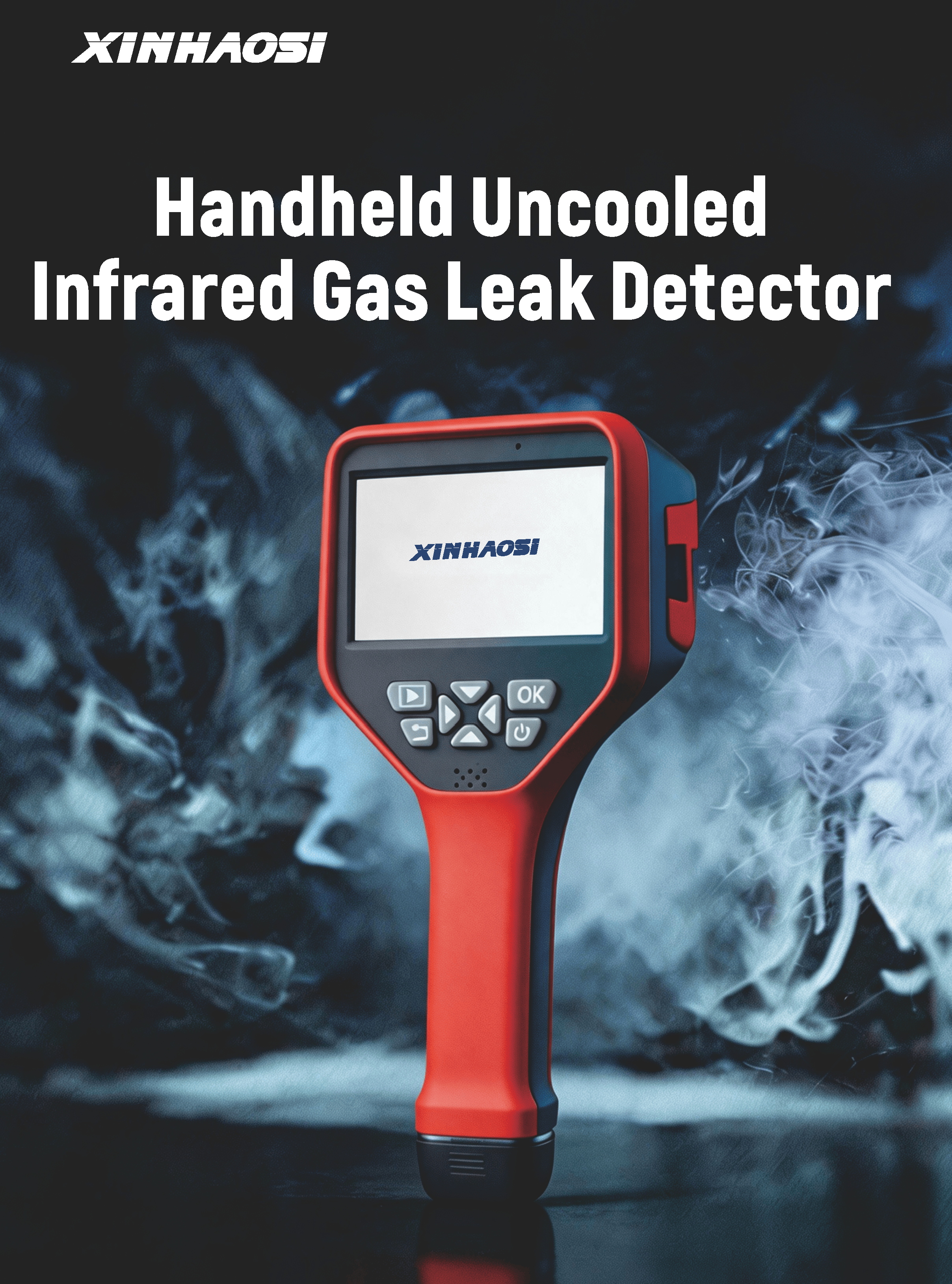

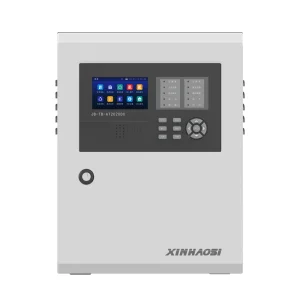
Explore our range of control modules, explosion-proof detectors, and domestic safety systems.


Answering common questions from engineering teams, procurement managers, and systems integrators.
Direct-acting solenoid valves use the electromagnetic force of the coil to lift the valve plug directly, meaning they do not require a minimum operating pressure to function. Pilot-operated valves use the line pressure of the gas itself to assist in opening and closing the valve. Because of this, pilot-operated valves require a minimum pressure drop across the valve to work correctly and are typically used in larger pipelines with higher flow rates.
For installations in hazardous or potentially explosive atmospheres, valves must have explosion-proof certifications such as ATEX (Europe), IECEx (International), or UL/FM approvals (North America). These certifications guarantee that the electrical components of the valve, such as the solenoid coil, are designed so they cannot generate an electrical spark or reach temperatures high enough to ignite surrounding gases.
Hydrogen molecules are incredibly small and can easily leak through standard seal materials. Additionally, hydrogen can cause hydrogen embrittlement in certain metals, making them brittle and prone to cracking. When building systems for hydrogen or hydrogen-blended natural gas, manufacturers must use specialized materials like Viton (FKM) or nitrile rubber (NBR) and compatible stainless steels to ensure leak-free performance and long-term reliability.
The lifespan of a safety shut-off valve depends on the operating conditions, media cleanliness, and maintenance cycle. Typically, high-quality solenoid valves are rated for millions of cycles. In standard commercial applications, these valves can last 10 to 15 years. However, in demanding industrial settings with corrosive gases or frequent cycling, it is best to inspect the valves annually and rebuild or replace critical wear items, such as the internal seals and spring assemblies, every 3 to 5 years.
Normally open (NO) valves are often preferred in emergency safety lines because they remain open during standard operations without drawing electrical power. This helps save energy and prevents the solenoid coil from overheating. In the event of a gas leak or power loss, the control system cuts power or sends an electrical pulse to the coil, causing the valve to shut instantly and isolate the gas supply, ensuring the system fails safe.
Yes. Modern wireless monitors, like the GT-AT0637 series, are designed to communicate using standard protocols such as Modbus RTU, Modbus TCP/IP, or MQTT over cellular and LPWAN networks. This compatibility allows them to transmit pressure and alarm data directly to your existing Supervisory Control and Data Acquisition (SCADA) system or Distributed Control System (DCS) without requiring a complete system overhaul.