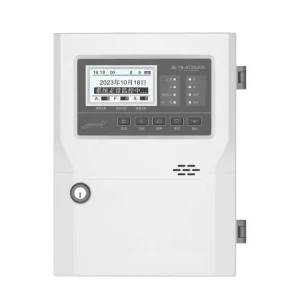
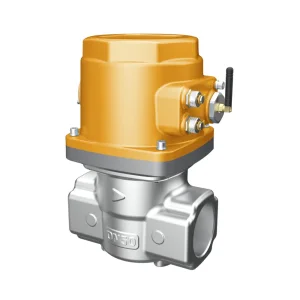
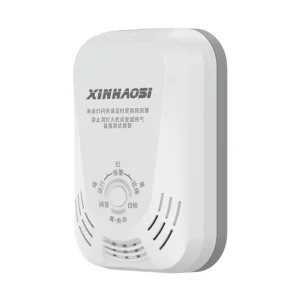
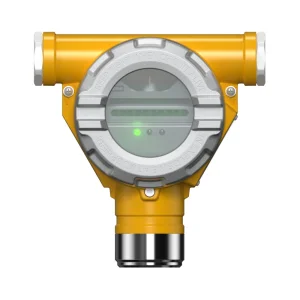
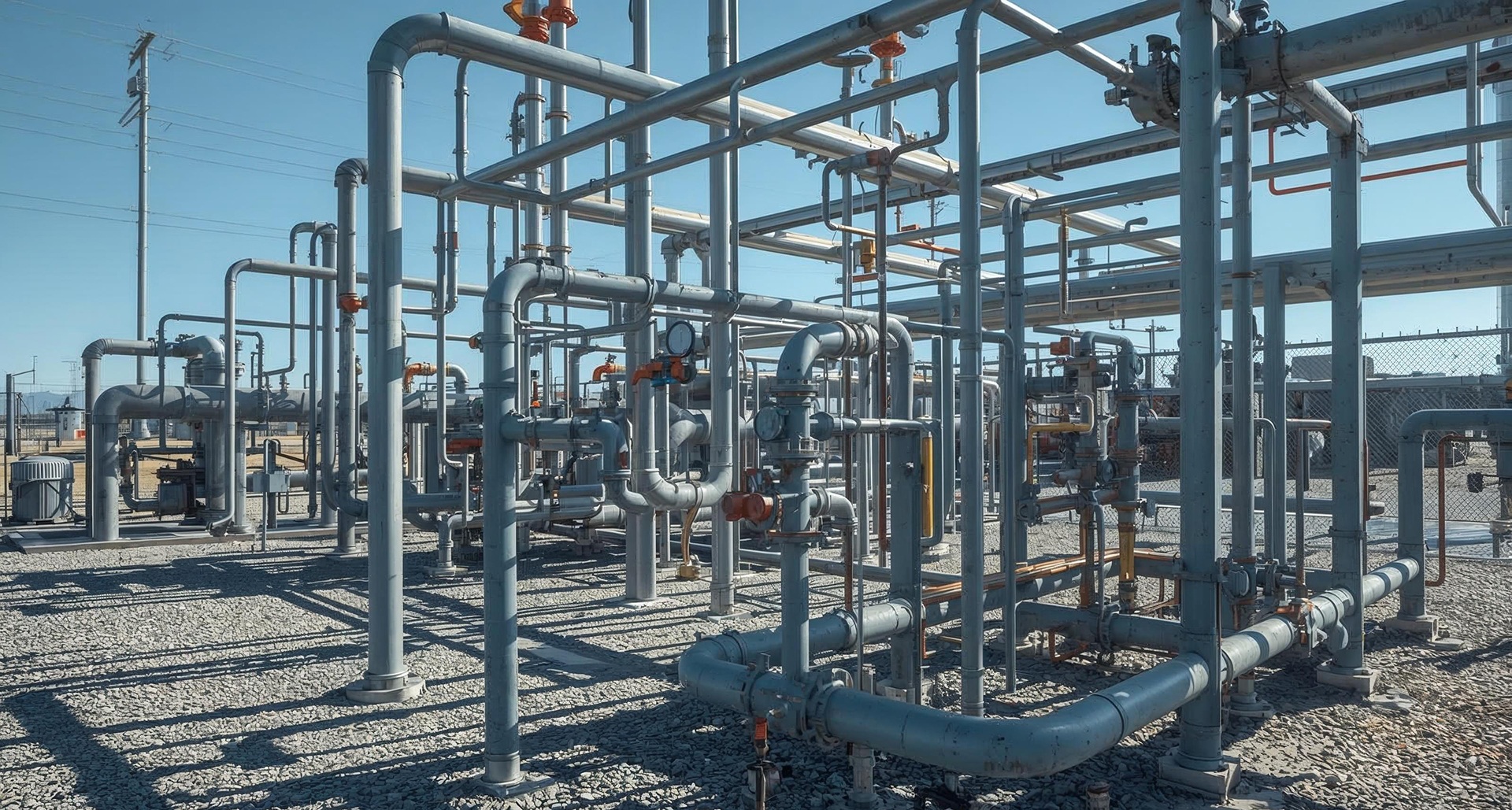
In modern industrial facilities and commercial infrastructure, the control and management of combustible and toxic gases require highly precise engineering. The Commercial Gas Solenoid Valve serves as the primary physical barrier in gas pipelines, shutting down flow instantly during abnormal scenarios. Utilizing electromagnetic force, these valves are designed to act upon electrical signals received from localized gas detector panels, building management systems (BMS), or safety controllers.
Direct-acting solenoid valves utilize electromagnetic force to move the plunger directly, enabling operation from 0 bar pressure. Pilot-operated systems use line pressure differential to assist valve movement, optimized for high-volume commercial systems where pipeline pressures range from 0.5 to 10+ bar.
Manual-reset gas safety valves require physical intervention to reopen after a trip event, ensuring that maintenance crews check and locate the pipeline leaks before system reactivation. Automatic-reset models, conversely, are typically reserved for modulating flow systems controlled via PID loops.
Solenoid valves handling harsh commercial gas media, such as hydrogen-natural gas blends, biogas, or high-sulfur natural gases, are forged using top-tier brass, anodized aluminum, or cast steel, paired with FKM or NBR seals, resisting thermal degradation and chemical erosion.
Different regions and industries demand tailored safety infrastructure. Commercial gas solenoid valves from Xinhaosi are built to adapt seamlessly across diverse applications worldwide.
Under international building regulations, commercial gas lines feeding ovens, ranges, and boilers must interlock with fire alarms and extraction fans. Our solenoid valves respond directly to control panel signals, executing localized automatic shutdowns whenever carbon monoxide or methane thresholds are exceeded, ensuring the safety of employees and guests.
In glass furnaces, hot-water boilers, and steel mills, high flow rates call for robust, fast-closing solenoid valves. Designed to survive continuous cycles at temperatures ranging from -40°C to +80°C, these valves feature Ex d explosion-proof coils that eliminate spark-ignition risks in dusty, volatile production spaces.
Urban pressure-regulating and metering stations require automated shut-offs linked with SCADA loops. Standardized communication protocols enable remote operators to monitor the status of solenoids, detecting flow drops and valve seat wear before critical failures emerge in the grid.
Transitioning toward renewable energy fuels changes safety requirements. Our state-of-the-art valves use specialty hydrogen-tolerant seals to minimize leakage and prevent hydrogen embrittlement. They deliver secure shut-off capabilities for biogas energy operations and hydrogen blending pipelines.
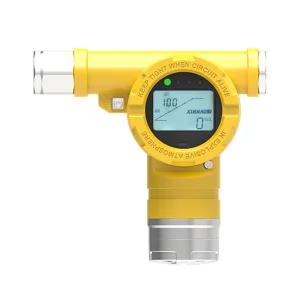
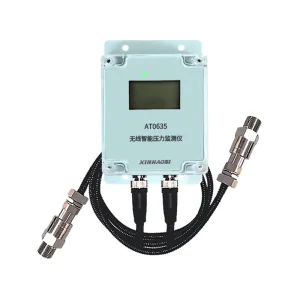
Solenoid valves do not operate in a vacuum. A resilient, modern industrial plant integrates detection, logic, and mechanical shut-offs into a unified safety loop. Our systems combine smart sensors, data gateways, and fast-acting valves to create a comprehensive safety shield.
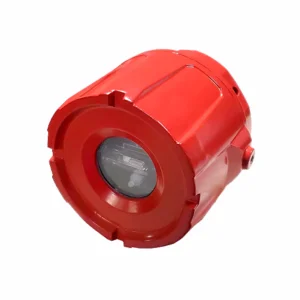
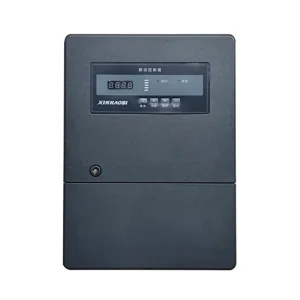
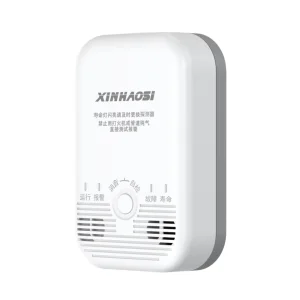
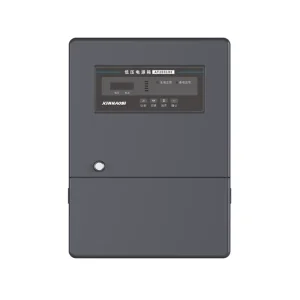
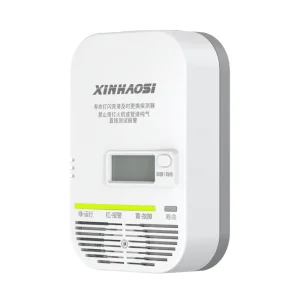
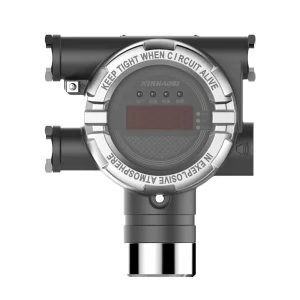
When our combustible gas detectors (e.g., GTYQ-AT0505 or JT-AT2006) sense leak concentrations exceeding the 10% LEL pre-alarm threshold, they signal the JB-MK-AT2041/4G Interlock Control Box. The control box then cuts power to the solenoid valve coil, initiating a full pipeline shutdown in under 1 second.
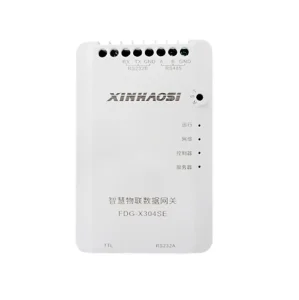
Through the FDG-X304SE Intelligent Data Gateway, system telemetry is simultaneously transmitted to the cloud, alerting supervisors via SMS, email, or SCADA terminals.
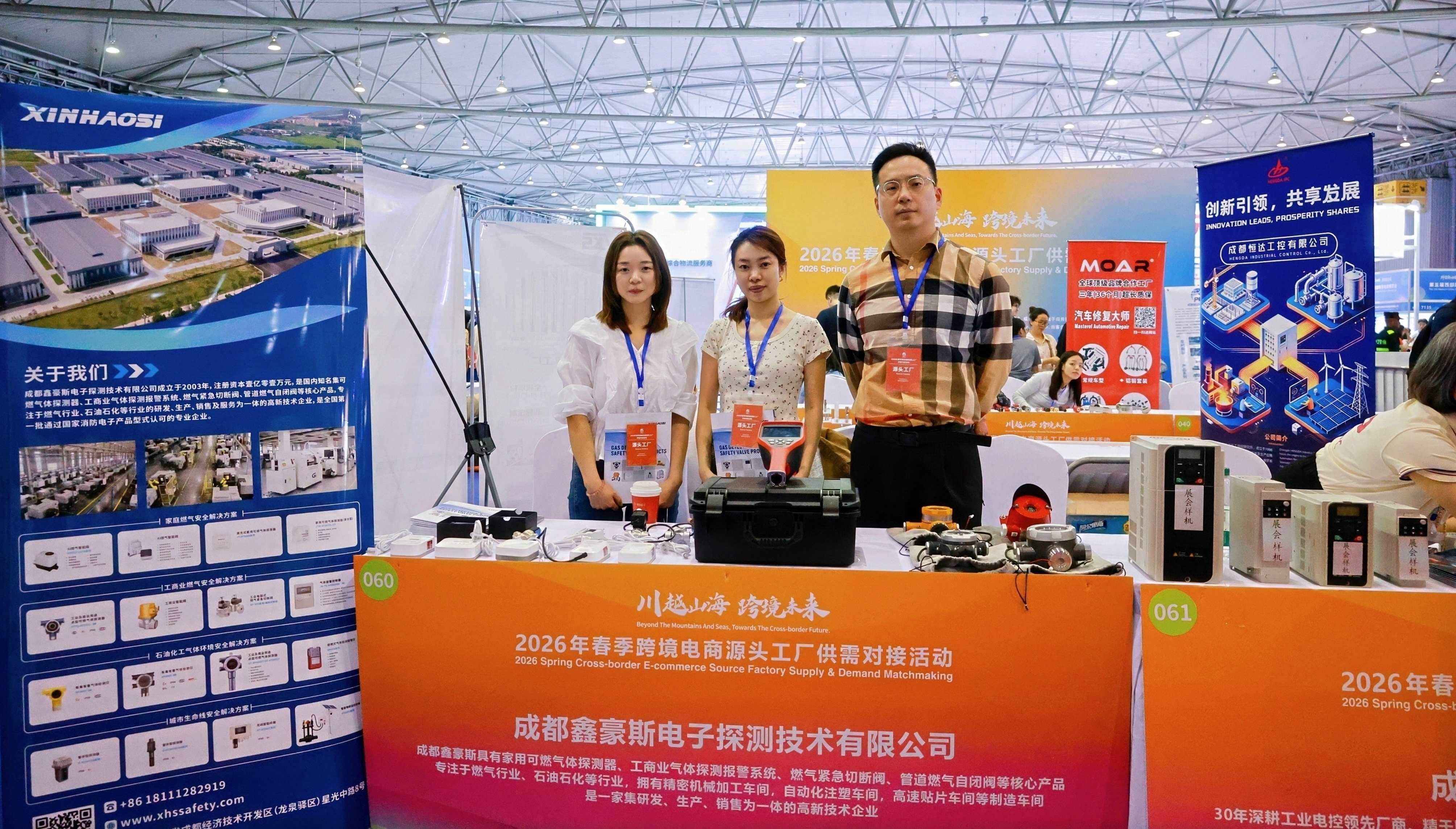
As a leading Chinese supplier and manufacturer, Xinhaosi operates high-precision production facilities that guarantee delivery reliability, material quality, and competitive pricing for projects around the globe.
Our factories control the entire production pipeline, from precision CNC machining of valve blocks to proprietary coil winding and vulcanization. Vertically integrated manufacturing reduces quality variance and ensures high consistency across batches.
Every commercial solenoid valve undergoes strict quality control protocols, including mechanical life-cycle trials, high-pressure leak testing using helium mass spectrometers, and electrical insulation tests for high humidity resistance.
By keeping safe reserves of high-purity copper, aluminum alloy, and NBR/FKM elastomers, our production lines stay active and resilient against global market shifts, assuring dependable lead times for large-scale engineering projects.
As gas safety infrastructure shifts toward digital, low-carbon, and highly integrated designs, Xinhaosi remains committed to developing next-generation flow-control systems.
Natural gas pipelines are increasingly blending hydrogen to reduce carbon emissions. Our engineers are testing specialty coatings and seal compounds that resist hydrogen permeation and embrittlement, ensuring safety in pipelines with up to 30% H2 blends.
Traditional solenoid valves consume constant power to keep the valve open. Our new research program focuses on bi-stable latching solenoids and energy-reduction modules, bringing power draw down by up to 85% for off-grid and solar applications.
Equipped with smart feedback loops, future solenoid valve series will monitor real-time coil temperature, flow velocity, and cycle speed. This telemetry allows factory engineers to schedule preventative maintenance before any malfunction can occur.
Future Ready


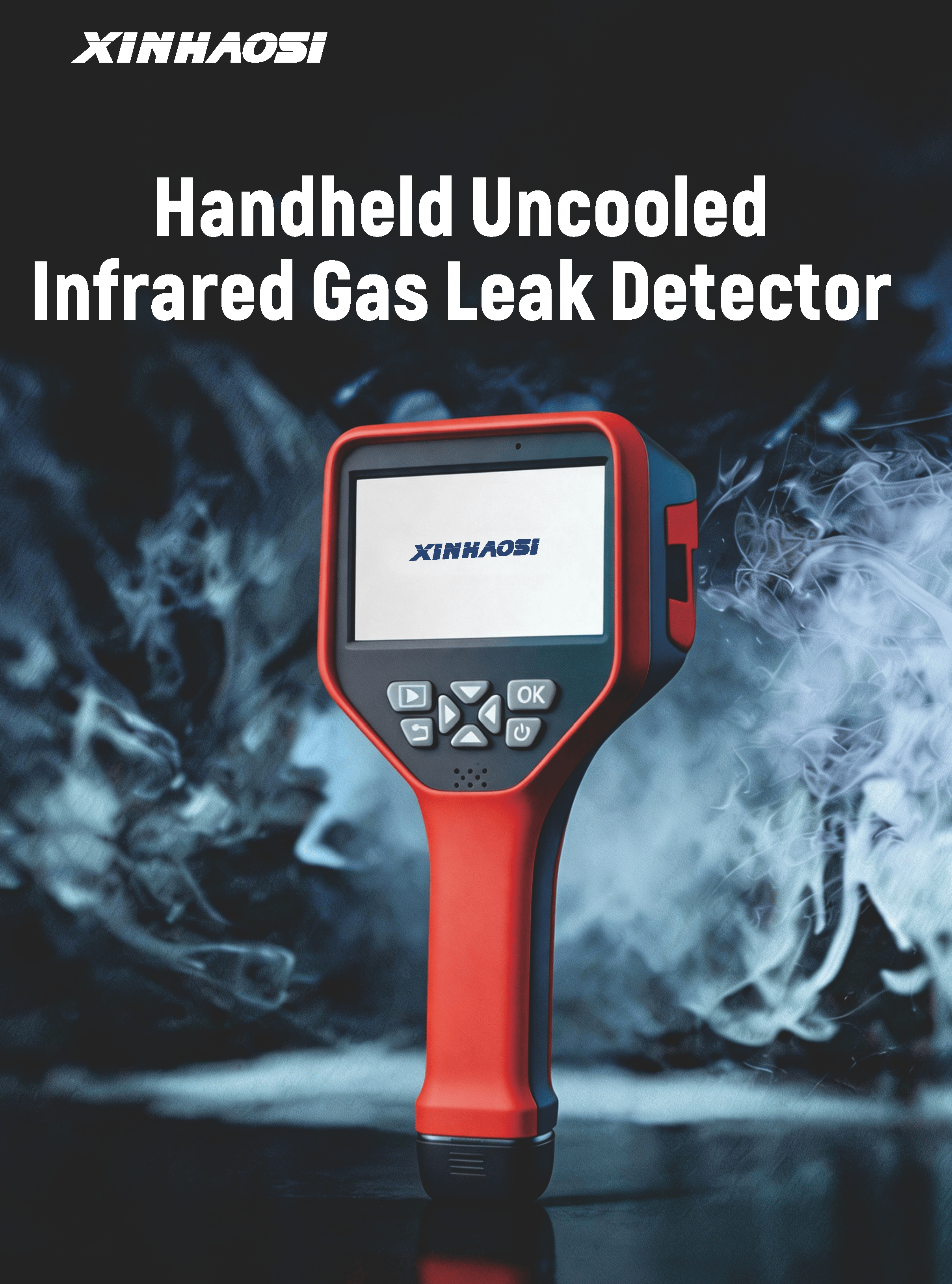
We utilize advanced electronic detection technology to make unknown gas leak risks clear and visible.
Founded in 2003, Xinhaosi is one of the most influential and reliable brands in gas safety industry. We provide customer-focused products and services to safeguard the safe operation of every factory, the comfort of every city, the peace and happiness of every home. Powered by cutting‑edge production systems and technology, we deliver more advanced, intuitive, and precise gas safety solutions for shaping a safer future world.
Solutions
Empowered by technology, Full-chain integration, Comprehensive protection, Shaping the future with intelligence.

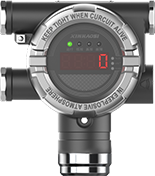
Safety First from Precision Sensing
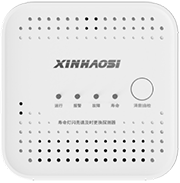
Home Safety from Gas Monitoring
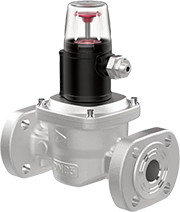
Protecting from the Source
Smart Sensing for Urban Gas
























Deploying flow-control equipment into high-hazard environments requires strict adherence to regional engineering codes and standards. Every installation must pass compliance checks before being certified for operation.
Our solenoid valves for commercial pipelines carry ATEX and IECEx ratings. Certified for Zone 1 and Zone 2 hazardous locations (Ex d IIC T6 Gb), they prevent ignition risks even in atmospheres with continuous combustible gas presence.
Every valve is tested for external leak resistance under Class A EN 161 protocols. This standard demands zero bubble leakage under maximum operating pressure differential, preventing even trace amounts of gas from entering workspace air.
Our global partner network offers on-site validation and installation testing, guaranteeing that interlocks, manual-reset functions, and gas control panels are properly aligned with local municipal requirements.
Explore technical explanations addressing common inquiries regarding commercial gas solenoid valve operation, maintenance, and compliance.
A: Automatic reset valves open as soon as electric current is restored. Manual reset valves require a human operator to physically lift a reset lever or stem to reopen the path. For safety-critical gas lines, manual-reset valves are preferred because they force personnel to investigate and resolve the underlying leak cause before introducing gas back into the facility.
A: The valve's solenoid coil is connected to a control relay on the gas detector or controller. When gas concentrations cross pre-set safety thresholds (e.g., 10% LEL), the controller switches the relay output, cutting electrical current to the valve. Internal spring tension instantly forces the valve shut, stopping gas supply at the source.
A: Yes. For outdoor installations, our valves feature IP65 or IP67 enclosure ratings, which prevent dust and water intrusion. We also offer specialty terminal enclosures and weatherproof protective covers to shield the electronic coils from direct sunlight, rain, and freezing conditions.
A: Commercial safety codes typically require certification to standards like EN 161 (European safety shut-off valve standard), ATEX/IECEx (explosion protection in hazardous zones), and ISO 9001 quality management certificates. For critical safety loops, look for components with SIL (Safety Integrity Level) ratings.
A: Yes, our specialty product lines are compatible with hydrogen-natural gas blends. They feature optimized elastomer compounds (such as FKM) and treated metals that resist hydrogen embrittlement and micro-leakage.
A: Coil burnout is typically caused by incorrect operating voltage, voltage spikes, or continuous excitation without adequate heat dissipation. Selecting a coil rated for the exact supply voltage (e.g., 24VDC, 110VAC, or 220VAC) and installing built-in surge protection or low-power economy modules prevents overheat failures.
A: We recommend testing gas safety valves at least once every six months. During these checks, trigger the emergency stop loop to verify the closing time (which must remain under 1 second) and inspect the valve seat for internal leakage.
A: If the valve size is too small, flow friction causes a significant drop in gas pressure, which can starve burners, boilers, or commercial kitchen appliances. Choosing a valve with the correct flow coefficient (Kv or Cv) ensures sufficient volume reaches appliances without excessive inlet pressure requirements.
Stay tuned for the latest updates from Xinhaosi & the Industry.