Explore our high-performance product inventory, featuring direct-factory solutions engineered for precise safety management, gas monitoring, and valve control.

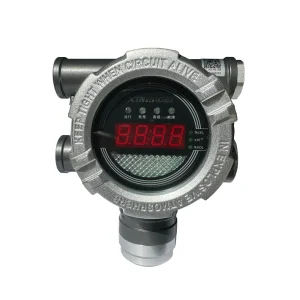
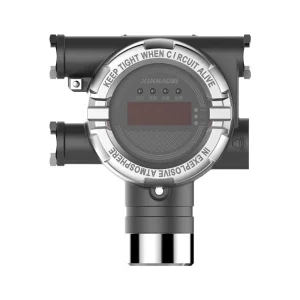
Founded in 2003, Xinhaosi has stood as one of the most influential and reliable brands in the gas safety industry. Our primary focus is safeguarding municipal environments, home comforts, and manufacturing plants with customer-centric electronic detection technology. By making invisible hazards and gas leak risks completely visible and clear, we build a foundation for absolute safety.
Utilizing high-end engineering processes and robust manufacturing pipelines, our facility delivers end-to-end gas safety solutions. We integrate advanced hardware such as normally closed solenoid shut-off valves, localized controllers, and hazardous-area gas detectors to shape a safer, resilient future.
Safety First via Precision Sensing

Reliable Home Gas Protection
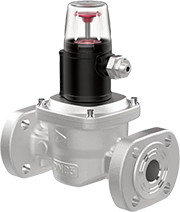
Protecting Safety from the Source
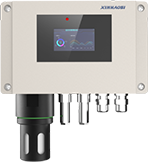
Smart Infrastructure Sensing

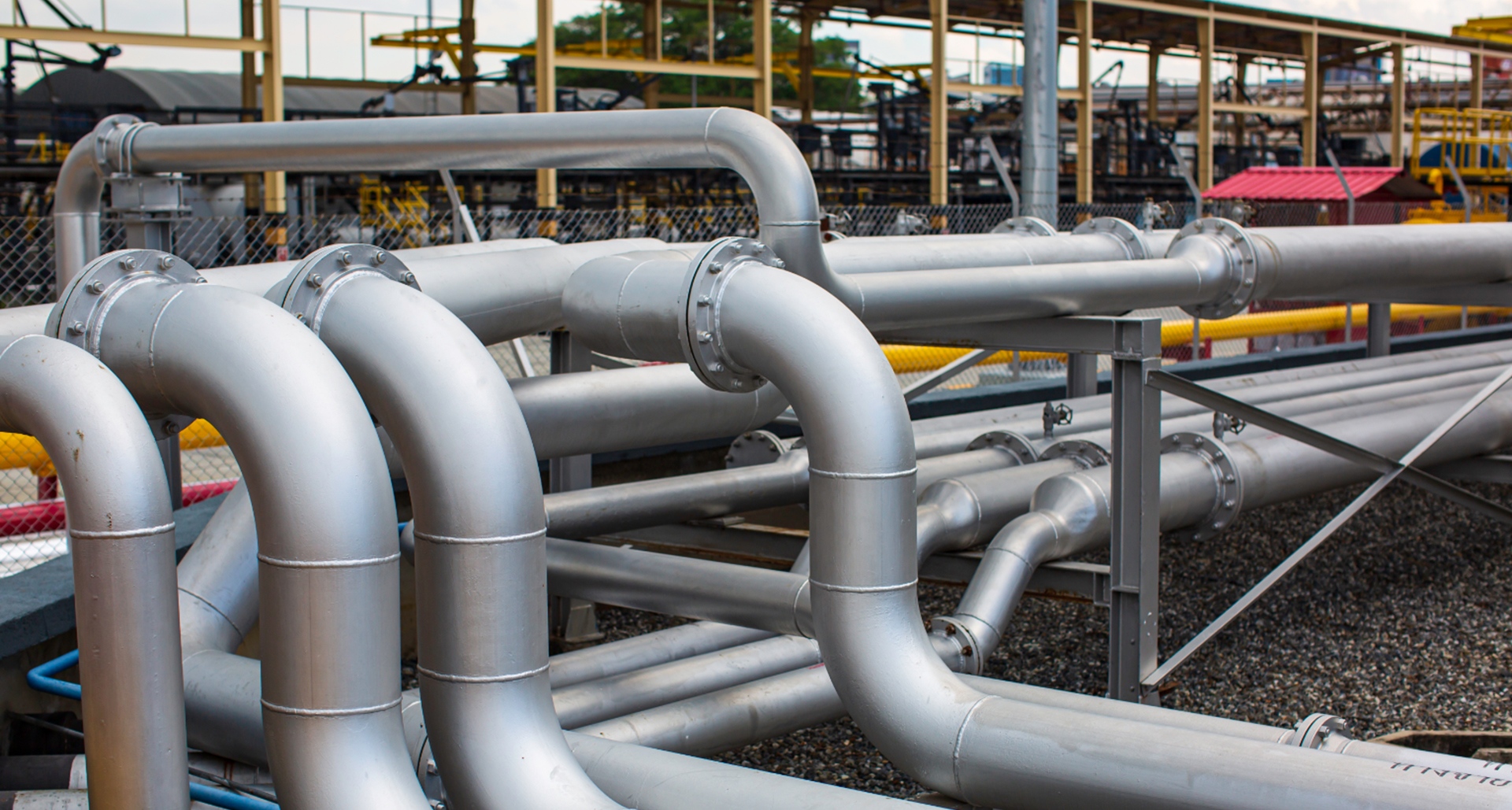
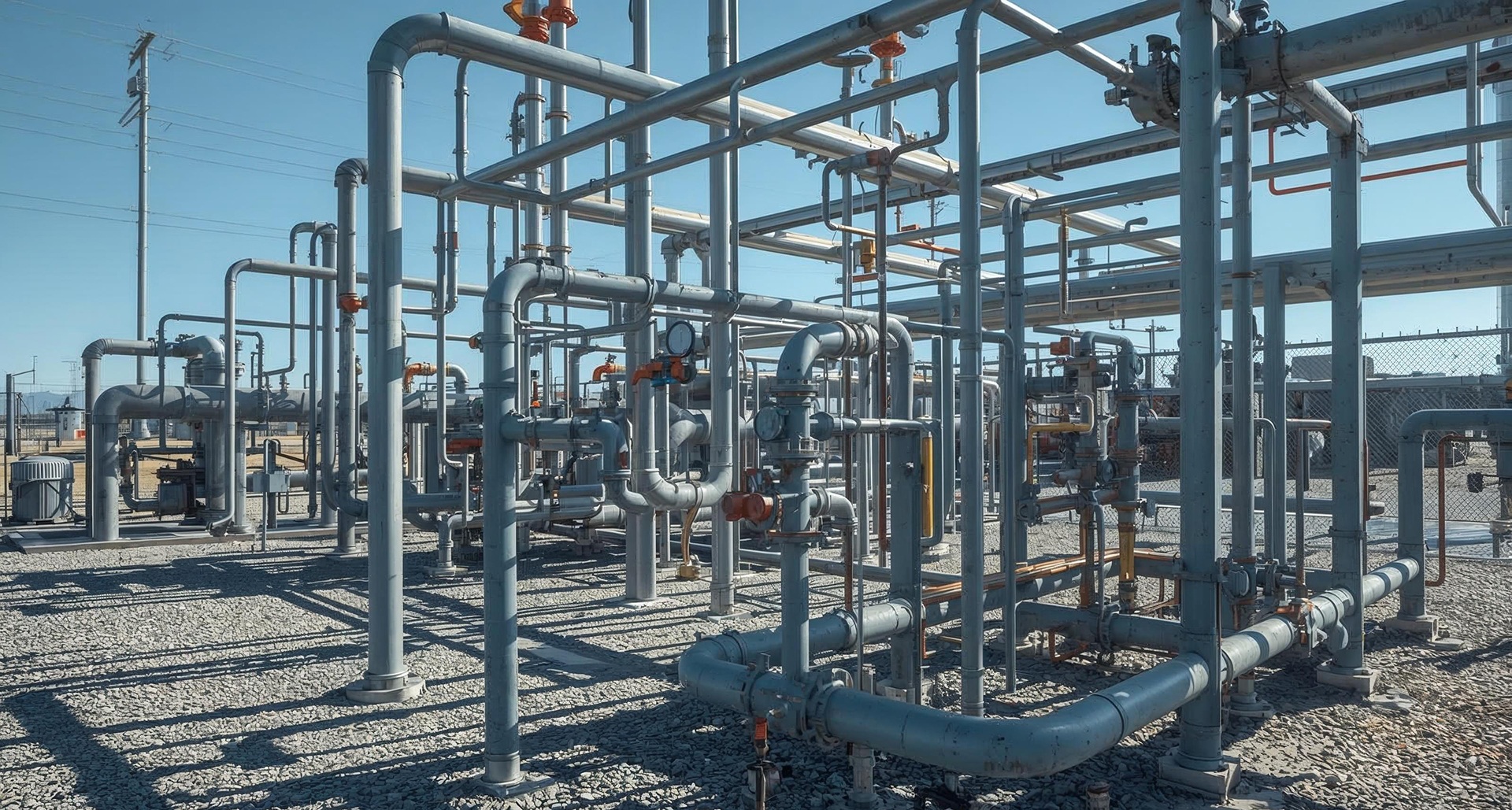

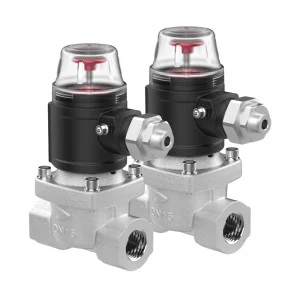
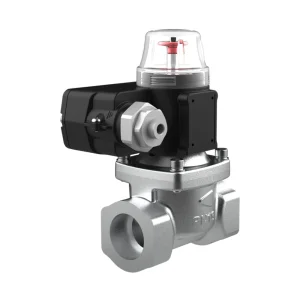
In modern industrial and municipal fluid dynamics, pipeline systems require absolute safety controls. A 2-inch solenoid valve normally closed (NC) configuration is a key component for automated shutoff systems. This design is engineered to remain closed by default. The valve will only open when an electrical current is applied to the electromagnetic coil. If a power outage occurs, or if a control signal is cut during an emergency, the valve automatically snaps shut. This design serves as a reliable failsafe to prevent hazardous gas leaks, fluid spills, or system overflows.
Globally, the demand for 2-inch normally closed solenoid valves is rising. This growth is driven by the expansion of urban gas distribution networks, commercial heating setups, chemical processing lines, and water treatment systems. As industries shift toward digital management and automated control, integrating reliable shutoff valves with gas detectors and local controllers is becoming standard practice. These valves act as the primary safety barrier, offering reliable operation in environments ranging from commercial kitchens to heavy industrial gas pipelines.
In hazardous environments, a loss of electrical power can compromise automated systems. A normally closed solenoid valve relies on a heavy mechanical return spring to seat the diaphragm or piston securely, isolating upstream pressure without relying on active electrical power.
China has established itself as a leading global manufacturer of industrial-grade solenoid valves. At our manufacturing facility, we leverage advanced supply chain integration, automated machining, and strict quality control protocols to produce high-performance 2-inch solenoid valves that meet demanding international standards.
The manufacturing process begins with raw material selection, utilizing robust cast iron, brass, or explosion-proof aluminum alloys. Each valve body is machined using multi-axis CNC tooling to guarantee precise tolerances. The electromagnetic coils are wound in temperature-controlled rooms to prevent moisture contamination and ensure long-term electrical reliability. Our localized supply chain enables cost-efficient sourcing of certified elastomer diaphragms (such as NBR, Viton, and PTFE) and magnetic plunger assemblies, offering competitive lead times and value for global procurement managers.
Our quality assurance program goes beyond basic functionality checks. Every batch of 2-inch normally closed valves undergoes cycle testing under maximum pressure loads, dielectric strength verification of the coils, and helium mass spectrometer leak detection. This thorough inspection process minimizes field failures and guarantees that each valve functions reliably from its very first cycle.
Installed at main distribution manifolds and district pressure regulation stations, these 2-inch valves serve as automatic shutoff mechanisms when paired with seismic sensors or combustible gas detectors.
Integrated directly into the gas train of commercial boilers and heating systems. The normally closed design ensures the fuel source is isolated immediately if flame failure is detected.
Engineered for explosion-proof applications, these valves regulate air, inert gases, or compatible fluids in Zone 1 and Zone 2 hazardous areas, minimizing safety risks.
The industrial valve sector is evolving toward smart, connected infrastructure. Modern 2-inch normally closed solenoid valves are increasingly integrated with digital features. One prominent trend is the adoption of IoT diagnostics. By embedding micro-sensors into the valve housing, operators can monitor parameters like coil operating temperature, armature response speed, and spring tension degradation. This data allows for predictive maintenance, helping facility managers service or replace components before a failure occurs.
Another key trend is the development of low-power electromagnetic coils. Historically, larger solenoid valves like the 2-inch (DN50) size required continuous high-wattage power to remain open, generating heat and consuming significant energy. Next-generation designs utilize dual-voltage or energy-saving circuits, which provide a high starting current to open the valve and then drop to a low holding current. This reduces energy consumption, lowers coil temperatures, and extends the overall service life of the valve.
When sourcing 2-inch normally closed solenoid valves for large-scale industrial projects, procurement managers should evaluate several technical factors to ensure long-term performance and safety. Selecting a vendor involves analyzing specifications beyond base pricing to understand the total cost of ownership (TCO).
Additionally, verifying the manufacturer's quality testing capabilities is highly recommended. A reliable partner should provide material test reports (MTRs), pressure test certifications, and electrical schematics for the solenoid coils, ensuring smooth integration into local automation networks.
A Normally Closed (NC) solenoid valve remains closed when de-energized. In this state, an internal spring presses the diaphragm or plunger assembly against the valve seat, blocking fluid or gas flow. When electrical power is applied to the solenoid coil, it creates an electromagnetic field that lifts the plunger, opening the orifice. When power is removed or lost, the spring forces the valve shut, providing a failsafe mechanism in the event of power cuts.
Direct-acting valves use the electromagnetic force of the coil to directly lift the main seal. However, for a larger 2-inch (DN50) size, direct-acting designs require very large, power-intensive coils. Pilot-operated valves use the line pressure of the fluid or gas to help open and close the main orifice. This allows them to use smaller, more energy-efficient coils, but they typically require a minimum differential pressure (usually around 0.5 bar) to operate correctly.
For low to medium pressure natural gas and LPG systems, aluminum alloy (often cast or anodized) and brass are the most common body materials due to their corrosion resistance, light weight, and ease of machining. For high-pressure industrial lines or corrosive environments, cast iron or stainless steel is preferred to withstand mechanical stresses and prevent chemical degradation.
While the physical design of the valve body may handle liquids, gas-specific solenoid valves are optimized for dry media. Using a gas solenoid valve for liquids like water or oil requires verifying the elastomer seal compatibility (to prevent swelling or chemical degradation) and checking the viscosity of the liquid to ensure the pilot channel does not become clogged.
The coil rating determines how well the valve handles heat and environmental exposure. Class H insulation allows the coil winding to operate safely at temperatures up to 180°C. IP65 (or higher) ingress protection ensures the coil housing prevents dust and water sprays from reaching the electrical connections, which is essential for outdoor installations or industrial washdown areas.
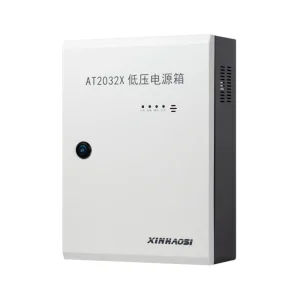
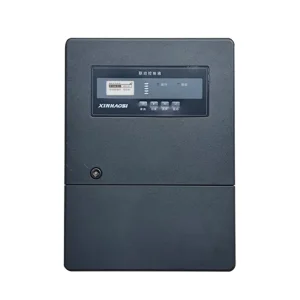
The interlock control box serves as the central control unit. It monitors input signals from gas leak detectors, fire alarms, or emergency stop buttons. If a hazard is detected, the control box cuts power to the solenoid valve coil, causing the normally closed valve to close and isolate the gas supply at the source.
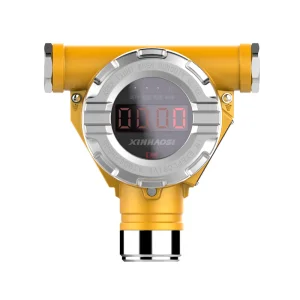
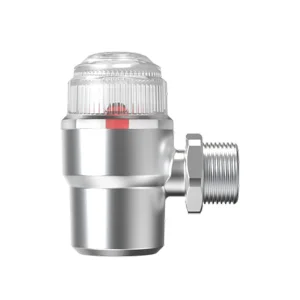
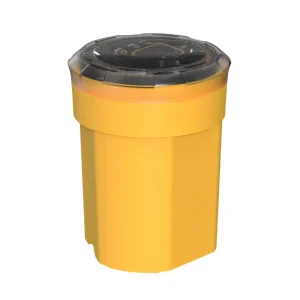
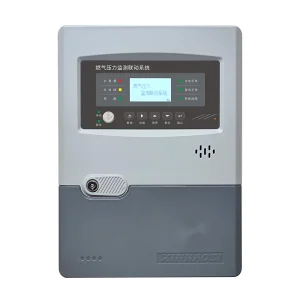
Our comprehensive range of detectors, transmitters, and controllers provides safety monitoring for diverse industrial applications.
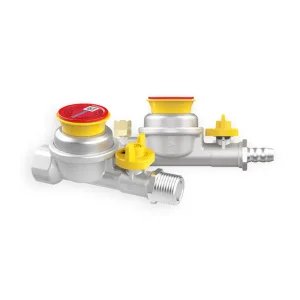
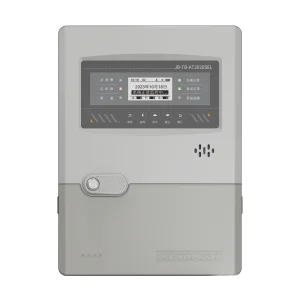
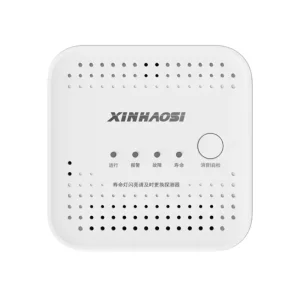
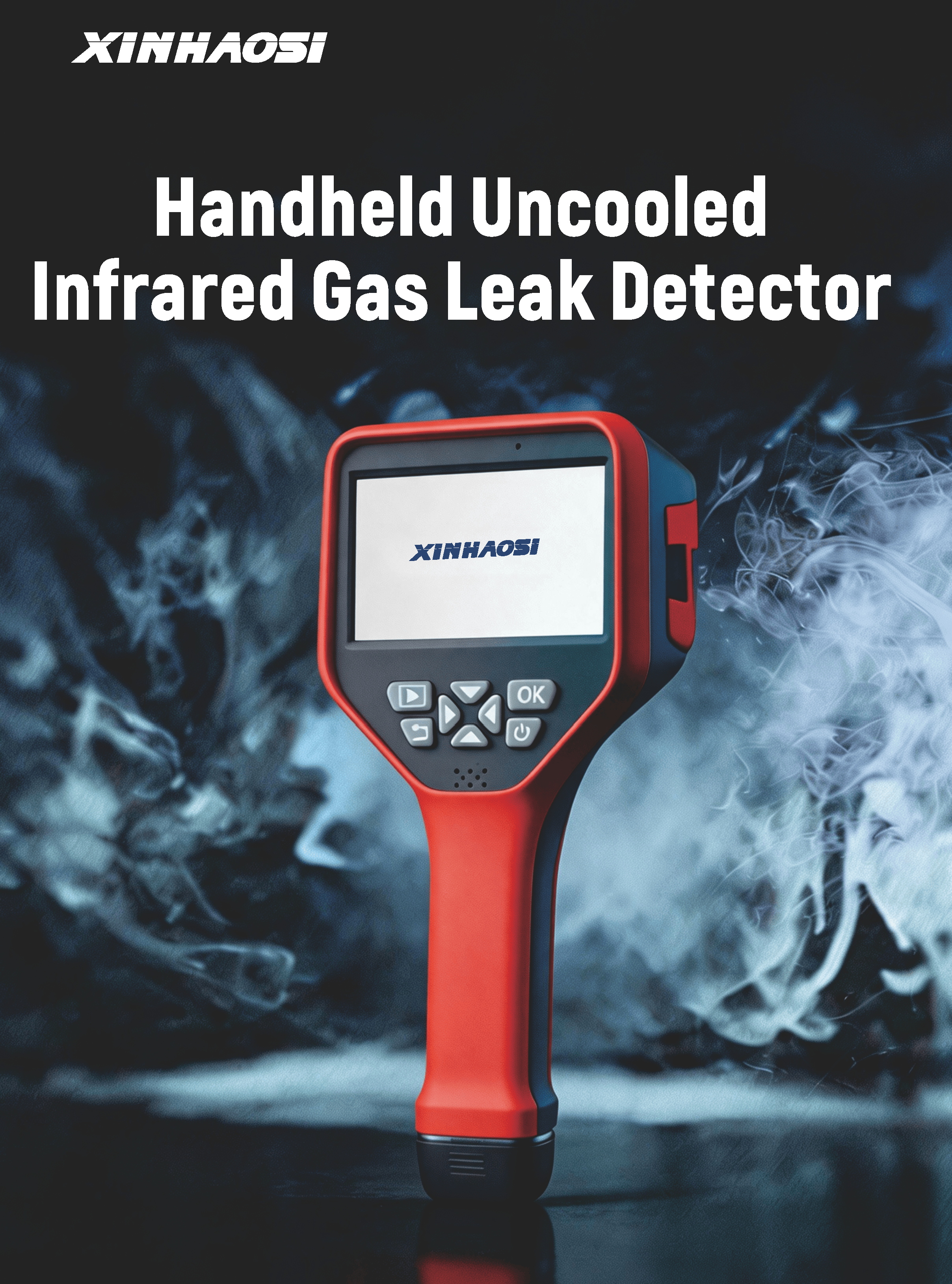
Xinhaosi Electronic Detection Technology Co., Ltd. officially launched its new Handheld Uncooled Infrared Gas Leak Detector, featuring dual-technology fusion, ultra-fast response, and long-distance non-contact detection to enhance safety and efficiency in petrochemical, refrigeration, natural gas and industrial safety scenarios.
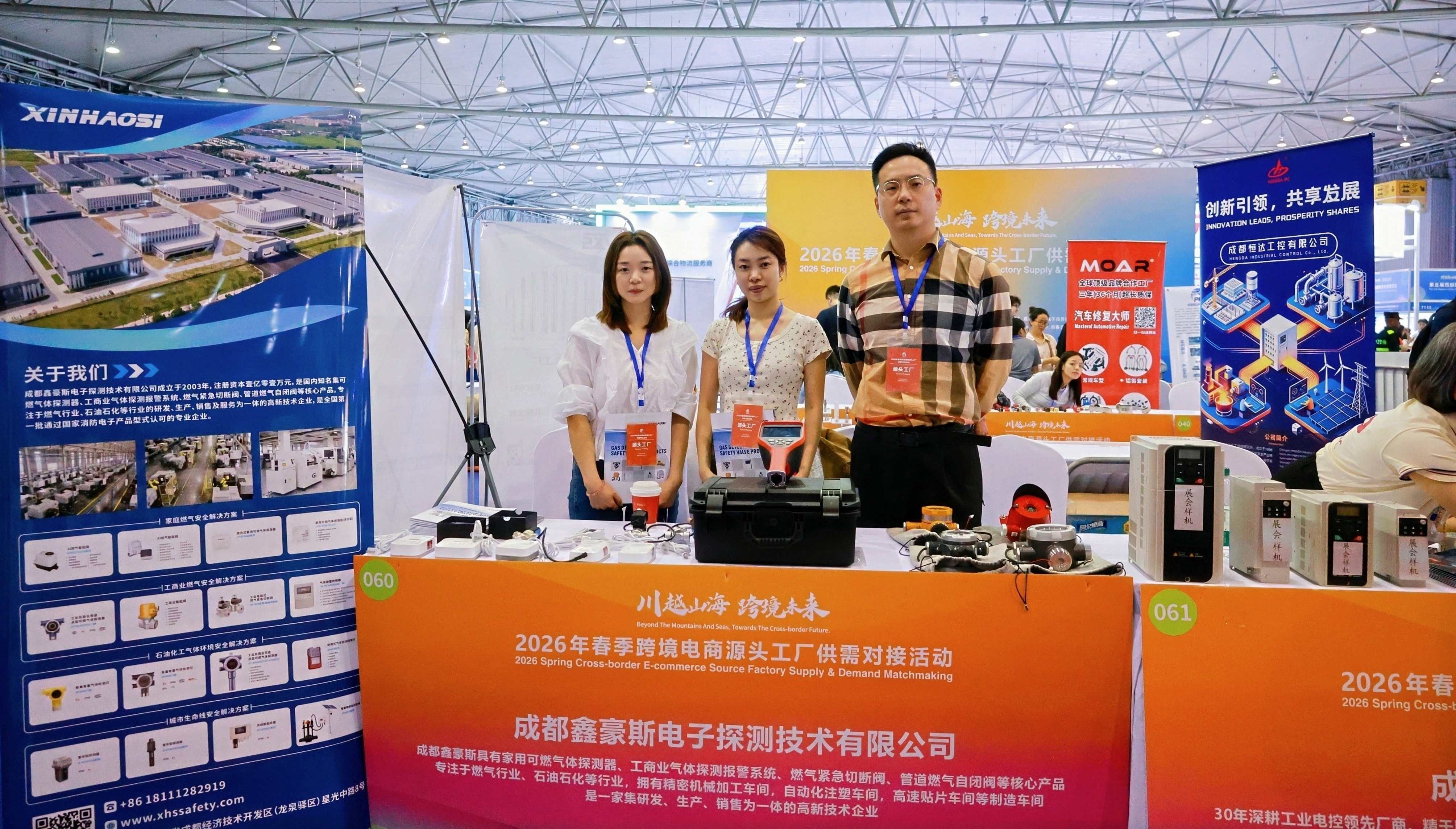
XINHAOSI recently participated in the 5th Western China Cross-Border E-Commerce Expo held in Chengdu. The event brought together cross-border e-commerce platforms, global buyers, manufacturers, and supply chain companies, creating new opportunities for international business cooperation and overseas market development.

XINHAOSI recently participated in the 2026 Sichuan (Chengdu) – Indonesia Industry Matchmaking Conference held in Chengdu. The event gathered enterprises and industry representatives from China and Indonesia to strengthen industrial cooperation and explore new business opportunities in Southeast Asia.
We work closely with global industry leaders and regional organizations to improve safety standards and deliver robust monitoring systems.