
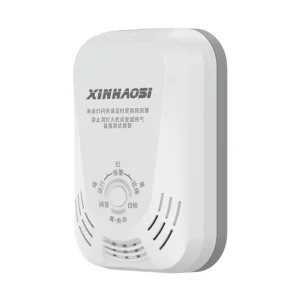
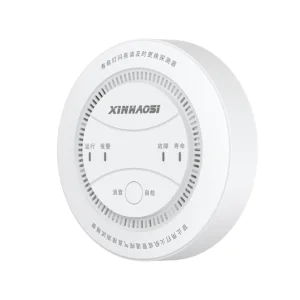
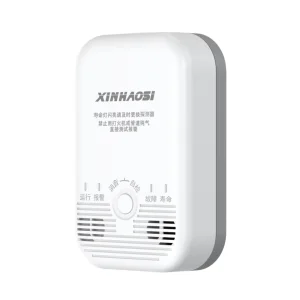
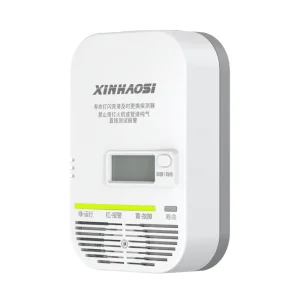
As an international energy powerhouse transitioning through a dynamic phase of urban and infrastructure development, Azerbaijan occupies a crucial position in the Eurasian gas supply chain. The nation's comprehensive gasification efforts have successfully connected over 96% of urban and rural communities to the natural gas grid, managed in large part by the state utility Azerigas. This high degree of domestic gasification, coupled with modern high-rise residential construction boom in Baku, Sumgait, and Ganja, places a vital emphasis on residential safety frameworks. Protecting multi-family complexes, modern residential districts, and public infrastructure from combustible gas hazards (mainly methane and liquefied petroleum gas) requires high-accuracy detection devices that align with international safety parameters.
The Ministry of Emergency Situations of the Republic of Azerbaijan (FHN) enforces rigorous building standards regarding fire safety and mechanical ventilation. Modern residential apartments and public complexes containing autonomous gas heating boilers (often localized in kitchens or utility balconies) are mandated to feature automated gas shutoff systems. This is where high-quality household gas detectors play an irreplaceable role. By monitoring gas densities and triggering solenoid valves to cut off incoming gas supply instantaneously, these devices prevent accidental fire breakouts and toxic accumulations before they present life-threatening hazards.
From a global perspective, domestic safety systems are migrating towards connected smart grids. The European Union standard EN 50194 (for combustible gas detectors in domestic premises) and EN 50291 (for carbon monoxide alarms) serve as the benchmark for quality and structural longevity. For suppliers and developers targeting Azerbaijan and the wider CIS region, alignment with EAC (EurAsEC Conformity) and regional GOST guidelines is essential. Our state-of-the-art manufacturing factory optimizes each sensor element to satisfy these parameters, securing robust performance in various climatic conditions—from Baku’s humid marine climate to dry, semi-arid interior microclimates.
Founded in 2003, Xinhaosi has established itself as one of the most influential and reliable brands in the gas safety industry globally. Utilizing advanced electronic detection technologies, we render invisible gas leak risks visible, enabling proactive protection for urban systems, commercial businesses, and domestic spaces. We provide custom-focused products and systems engineered to defend industrial facilities, commercial operations, and the peace of mind of thousands of homes.
Equipped with advanced automated SMT assembly lines, climate-controlled testing chambers, and standardized calibration laboratories, we produce top-tier gas detector systems. Our mission is to shape a safer future by developing and manufacturing responsive, reliable, and durable gas security equipment.


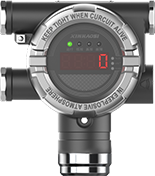
Heavy-duty fixed detection transmitters and controllers configured for harsh industrial operations.
Responsive household methane alarms, carbon monoxide detectors, and commercial safety systems.

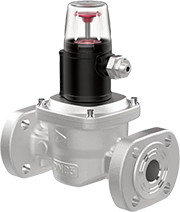
Emergency gas shutoff solenoid valves engineered to sever fuel lines the moment a leak is detected.
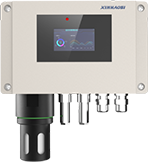
Smart sensing technologies designed to secure urban pipelines, regulator stations, and utility corridors.
For monitoring combustible gases such as Methane (Natural Gas) and LPG (Propane/Butane mixtures), catalytic bead sensors represent the industry standard. Our factory manufactures high-performance sensors featuring double catalytic beads. This dual-design compensates for environmental variations in temperature, relative humidity, and pressure, which is critical in Baku's marine wind conditions. When gas interacts with the active catalytic bead, combustion occurs, raising its temperature and electrical resistance. This change is measured via a Wheatstone bridge circuit, translating to precise concentration readings in LEL (Lower Explosive Limit).
In residential buildings where individual combi boilers (kombi) are installed, incomplete combustion yields high risks of Carbon Monoxide (CO) poisoning. Xinhaosi detectors integrate high-selectivity electrochemical cells. These cells operate by oxidizing CO at a sensing electrode, generating an electrical current directly proportional to the CO concentration. With a resolution down to 1 ppm, our sensors satisfy the stringent EN 50291 standard, providing early alarms before CO reaches dangerous physiological limits.
A gas alarm remains incomplete without active mitigation capabilities. Our household systems feature specialized output relays and 12V pulse drivers to command gas safety valves. When gas concentrations cross the pre-set safety threshold (typically 7% LEL for natural gas or 50 ppm for CO), the detector automatically drives a pulse to the shutoff solenoid valve, severing the fuel supply within 0.5 seconds. At the same time, the system triggers external exhaust fans to purge combustible clouds from the kitchen, minimizing danger even if occupants are asleep or away.
Get customized, compliant, and cost-effective gas monitoring schemes direct from our ISO 9001 certified production lines. Request technical specifications, certificates, and wholesale pricing today.
Request Azerbaijan Partnership Proposal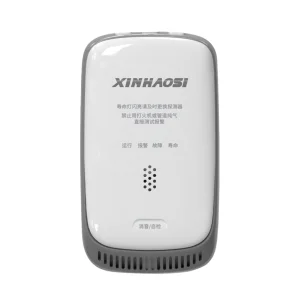
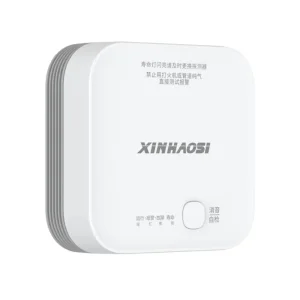

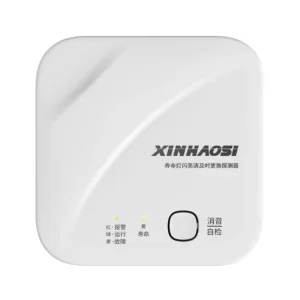
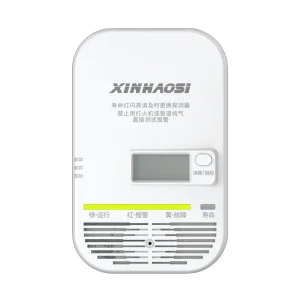
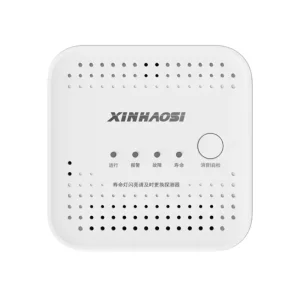

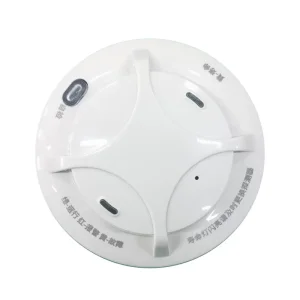
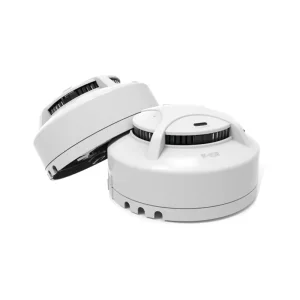
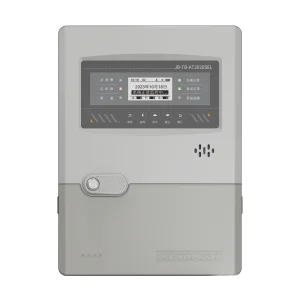

Modern architectural developments in Baku feature centralized boiler rooms alongside individual combi systems. Our JT-AT2004A and JT-AT2004B series detectors are typically placed in kitchen areas, connected directly to 12V solenoid shutoff valves. In case of natural gas or methane leakage, the system shuts down the local gas riser without cutting utility service to adjacent apartments, preventing building-wide disruptions while isolating potential hazards.
Industrial applications present a different set of challenges. Sumgait’s petrochemical facilities demand rugged, explosion-proof housings combined with central monitoring panels. Our JB-TB-AT2020SEL controller links multiple field detectors, providing real-time data feeds, dry contacts, and multi-stage alarms to control rooms, facilitating fast shutdowns and emergency response.
Sewerage networks, gas pipelines, and underground utility corridors are prone to explosive methane buildup. The GT-AT0617 series provides rugged protection for these areas. Engineered to resist humidity, water ingress, and toxic gases, these devices monitor underground environments continuously, sending data to maintenance crews before entry.
























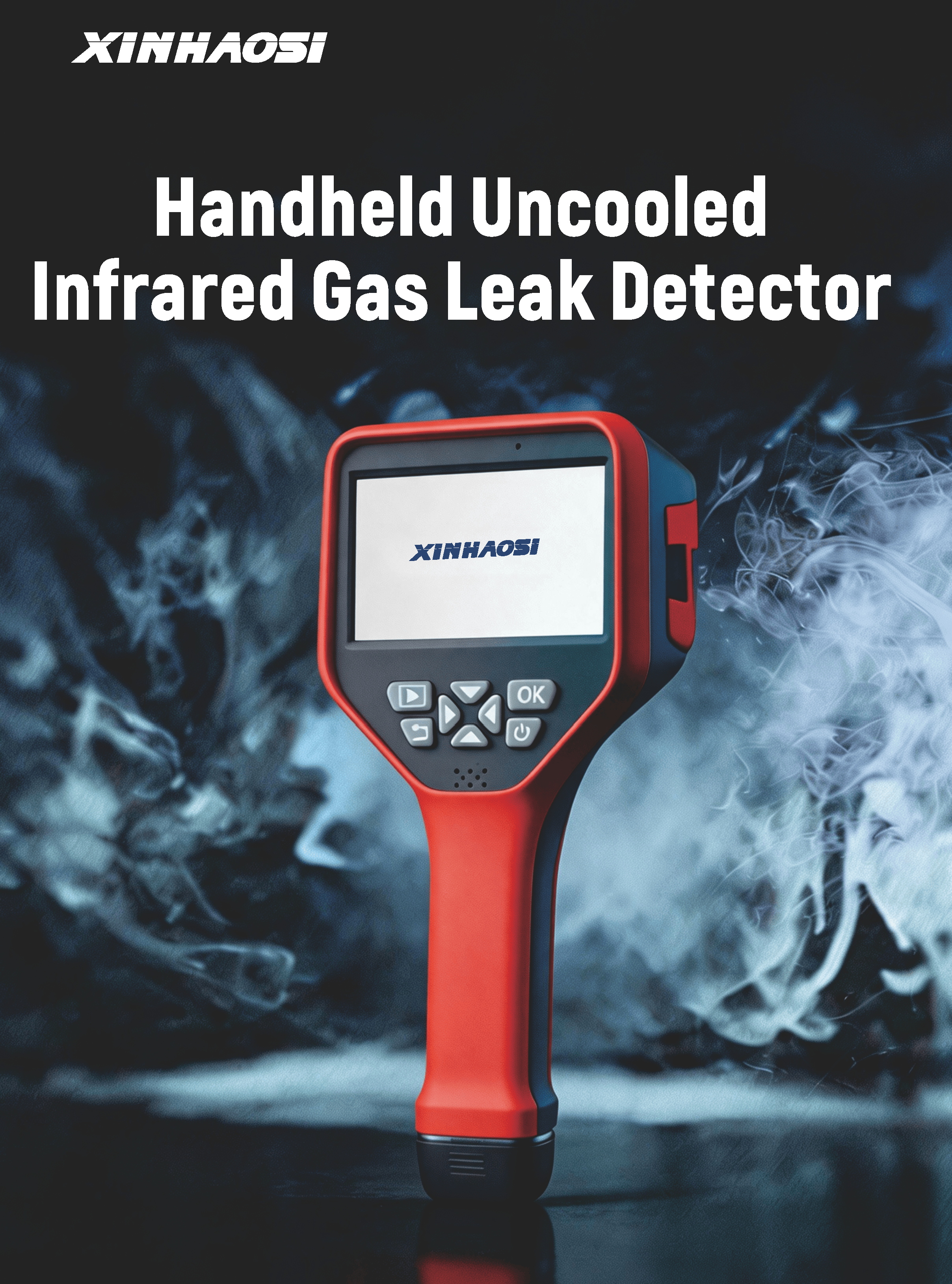
Xinhaosi Electronic Detection Technology Co., Ltd. officially launched its new Handheld Uncooled Infrared Gas Leak Detector, featuring dual-technology fusion, ultra-fast response, and long-distance non-contact detection to enhance safety and efficiency in petrochemical, refrigeration, natural gas and industrial safety scenarios.
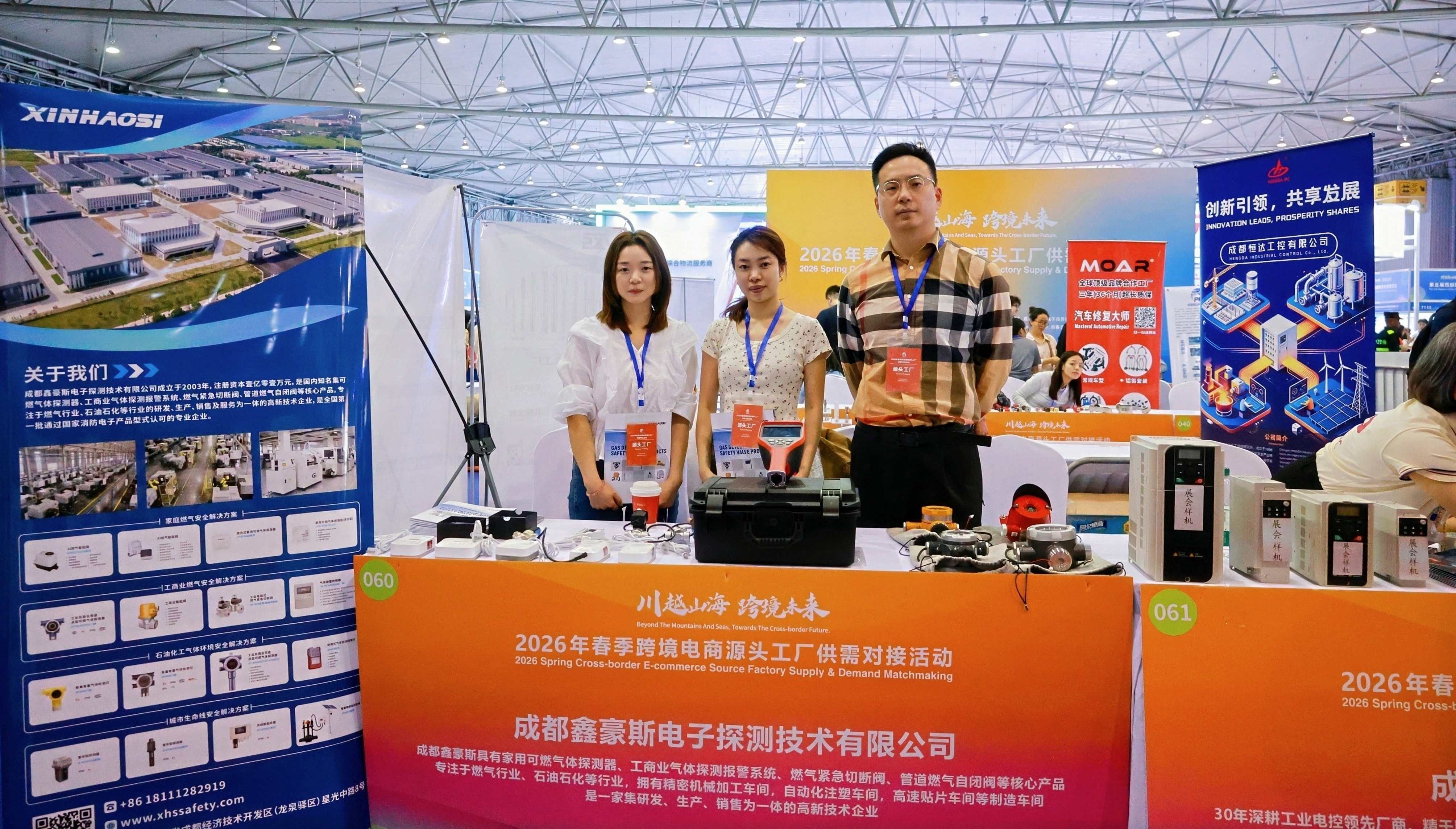
XINHAOSI recently participated in the 5th Western China Cross-Border E-Commerce Expo held in Chengdu. The event brought together cross-border e-commerce platforms, global buyers, manufacturers, and supply chain companies, creating new opportunities for international business cooperation and overseas market development.

XINHAOSI recently participated in the 2026 Sichuan (Chengdu) – Indonesia Industry Matchmaking Conference held in Chengdu. The event gathered enterprises and industry representatives from China and Indonesia to strengthen industrial cooperation and explore new business opportunities in Southeast Asia.
The installation height depends on the type of gas being monitored:
• Natural Gas (Methane): Since methane is lighter than air, the detector should be installed 30-100 cm below the ceiling, and within 1.5 meters from the gas source/appliance.
• LPG (Propane/Butane): Since LPG is heavier than air, the detector must be installed 30-100 cm above the floor to ensure early leak detection.
Yes. Our manufacturing facility conforms to ISO 9001:2015 standards. All exported household models hold EAC (Eurasian Conformity) and CE certifications, complying with EU standard EN 50194, which is widely recognized and enforced by the Ministry of Emergency Situations (FHN) of Azerbaijan.
When the combustible gas density reaches the pre-alarm threshold (e.g., 7% LEL), the household gas detector triggers a high-decibel audible alarm and outputs a 12V pulse to the solenoid valve. The valve instantly snaps shut, physically stopping the gas flow before a flammable mixture can accumulate.
Typically, catalytic bead sensors for natural gas have a lifespan of 3 to 5 years under normal operational conditions. Electrochemical sensors for Carbon Monoxide (CO) also last between 3 to 5 years. Our devices feature an integrated end-of-life warning beep to alert users when a replacement is required.
From single residential apartments in Baku to extensive industrial processing complexes in Sumgait, Xinhaosi delivers advanced detection technology customized to your project specifications. Partner directly with an experienced ISO certified manufacturer.
Send Inquiry Now