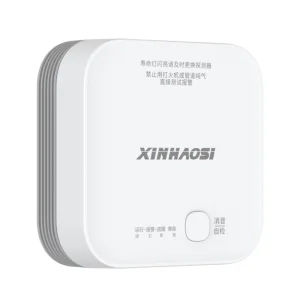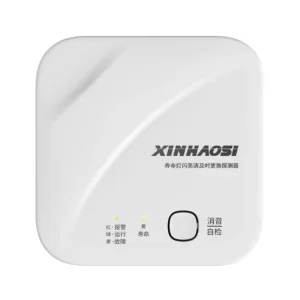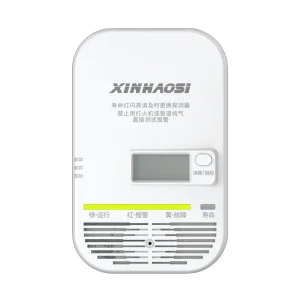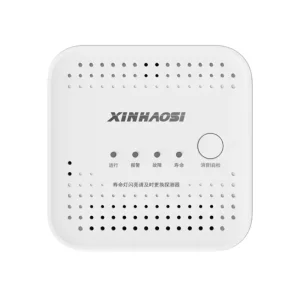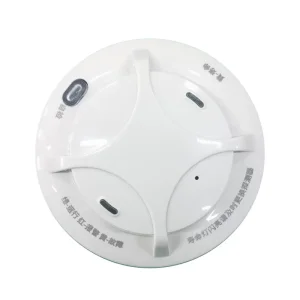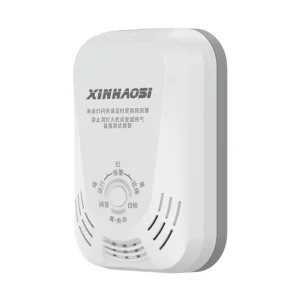
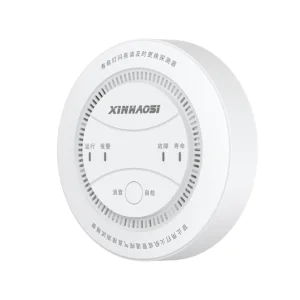
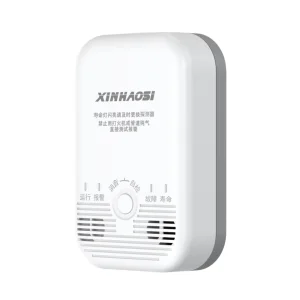
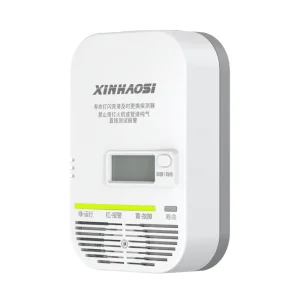
Household Gas Detector & Alarm Factories in Portugal

Pioneering Safety Solutions for Lisbon, Porto & Global Markets through Advanced Sensing Technology

Industry Whitepaper: The Evolution of Gas Safety in Portugal

As Portugal accelerates its energy transition under the National Energy and Climate Plan 2030 (PNEC 2030), the safety infrastructure surrounding residential and commercial gas usage has become a paramount concern. With a historical reliance on piped natural gas in urban centers like Lisbon and Porto, and the widespread use of bottled LPG in rural Alentejo and Algarve regions, the demand for sophisticated Household Gas Detectors & Alarms has seen a 15% year-on-year growth.

The Portuguese market is currently characterized by a stringent adherence to European Safety Standards, specifically EN 50194 (for combustible gases) and EN 50291 (for carbon monoxide). Local distributors and safety integration factories in Portugal are increasingly looking for "Information Gain"—seeking products that do more than just alarm. They require smart integration with home automation systems, durability against the Atlantic's salt-heavy humidity, and aesthetic designs that fit modern European architecture.

Urban Safety Dynamics

In high-density districts of Lisbon, gas leaks in aging infrastructure pose significant risks. Modern detectors now feature "Zero False Alarm" algorithms to distinguish between cooking vapors and actual methane leaks.

Green Hydrogen Transition

Portugal is a pioneer in Green Hydrogen. The next generation of gas alarms in the Portuguese market must be "Hydrogen-Ready," capable of detecting H2 blends in existing natural gas grids.
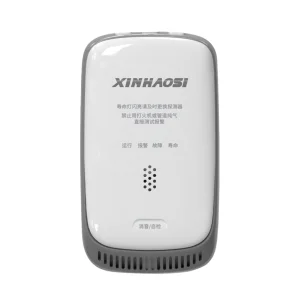
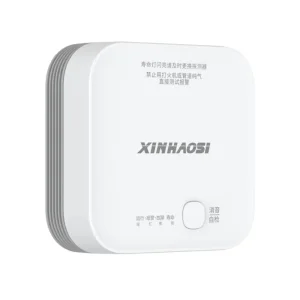
Technological Roadmap & Future Outlook

The future of gas detection is not just hardware; it is Sensing-as-a-Service (SaaS). We are moving from simple electrochemical and catalytic combustion sensors toward MEMS (Micro-Electro-Mechanical Systems) technology. This transition allows for smaller, more energy-efficient devices that can be powered by batteries for up to 10 years, matching the lifespan of the sensor itself.

<0.5sResponse Time
99.9%Detection Accuracy
10+ YrsSensor Lifespan
IoTCloud Integration

Artificial Intelligence (AI) and Machine Learning (ML) are now being integrated at the edge. By analyzing gas concentration patterns, our JT-AT series detectors can predict potential leaks before they reach the Lower Explosive Limit (LEL), sending preemptive alerts to Portuguese homeowners' smartphones via LoRaWAN or NB-IoT networks.

Supply Chain Resilience: Why Partner with Xinhaosi?

Founded in 2003, Xinhaosi Electronic Detection Technology has built a supply chain that defines "Industrial Resilience." For our partners in Portugal, this means more than just low costs; it means speed to market and R&D depth. While local Portugal factories might focus on assembly, our facility provides end-to-end integration—from sensor element fabrication to final calibration in ISO-certified labs.

Our "X" philosophy represents the unknown risks we eliminate. By utilizing vertical integration, we mitigate the global semiconductor shortages that have plagued the industry. This ensures that when a distributor in Porto needs 10,000 units of the JT-AT2007 series, the lead time is measured in weeks, not months.

Localized Support & Global Compliance Guarantee

Entering the Portuguese market requires more than a CE mark. It requires a deep understanding of local building codes and the Regulamento Técnico de Segurança contra Incêndio em Edifícios (SCIE). Our products are designed to interface seamlessly with gas solenoid valves, providing an automatic shut-off capability that is often mandated in new Portuguese residential developments.

We provide localized technical documentation in Portuguese and offer 24/7 technical support for large-scale engineering projects in the EU. Our "Global Insight, Local Action" strategy ensures that every gas detector sold in Portugal is optimized for the specific atmospheric conditions of the Iberian Peninsula.

Frequently Asked Questions (FAQ)

Do your detectors comply with Portuguese SCIE regulations?

Yes, all our JT-AT series household gas detectors are CE certified and meet the EN 50194 standards required by the Portuguese Technical Regulation for Fire Safety in Buildings (SCIE).

Can these detectors connect to smart home systems used in Portugal?

Absolutely. We offer versions with Zigbee, Z-Wave, and Wi-Fi connectivity that are compatible with major European smart home hubs.

How do you handle shipping and customs for Portugal?

We have extensive experience with DDP and CIF shipping terms to Porto and Lisbon, ensuring all VAT and customs documentation are handled efficiently.

What is the typical lifespan of the sensors in coastal areas like Algarve?

Our sensors are treated with anti-corrosion coatings to withstand high salinity and humidity, ensuring a stable 5-10 year service life even in coastal environments.