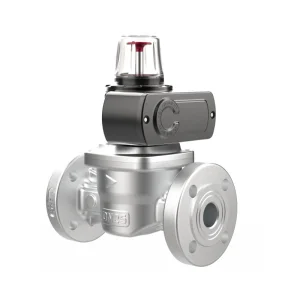
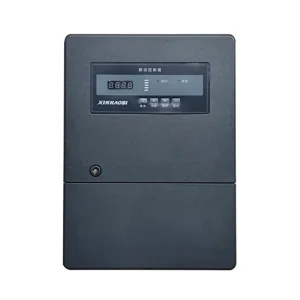
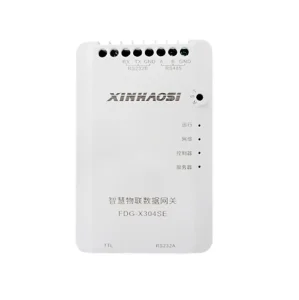
Fully integrated field instrumentation engineered for hazardous environments and real-time shut-off protection.
Modern process plants, gas transmission stations, and smart municipal networks require absolute reliability. The "Shut Off Valve 2" configuration represents the secondary redundant emergency shutdown (ESD) layer, ensuring that even if the primary shut-off line encounters physical, electrical, or mechanical failure, the system automatically defaults to a safe state.
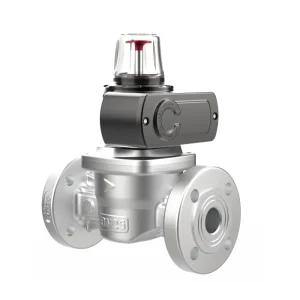
Within complex industrial gas installations, emergency shut-off valves must act instantly. The integration of OEM Shut Off Valve 2 technologies refers to the dual-valve automation concept where primary and secondary safety valves operate in a series-interlocking block configuration. If gas concentrations exceed pre-set thresholds, safety control units (such as the JB-MK-AT2041/4G) immediately signal the solenoid actuators.
By implementing a secondary isolation barrier, industrial operations effectively mitigate the risks of valve seat leakage, mechanical stiction, and electrical pilot signal losses. Our advanced factory production lines ensure each valve exhibits ultra-low pressure drops, rapid response times (often less than one second), and high cycle reliability, which are crucial attributes for passing strict safety compliance checks worldwide.

Across chemical processing, regional gas pipelines, and zero-emission utility designs, safety regulations are tightening. As a result, demand for highly responsive, fail-safe shut-off architectures has skyrocketed.
Modern factories demand SIL 2 and SIL 3 certified safety loops. Incorporating a secondary, fast-acting solenoid valve guarantees that the Safety Instrumented System (SIS) can reliably interrupt flow rates even under extreme operational fluctuations.
Under international standards (such as EN 161 and ISO 23550), double-block gas solenoid arrangements are mandatory. The "Shut Off Valve 2" serves as the automatic downstream valve that closes securely when the burner sequence is interrupted or during emergency stops.
Decentralized urban gas pipelines leverage intelligent gateways to cross-verify gas detection metrics and command safety shut-off systems remotely. The integration prevents regional distribution disasters through automated localized shutdowns.
Founded in 2003, Xinhaosi has spent over two decades establishing itself as one of the most reliable and influential brands in the gas safety industry. Our technology transforms invisible and unpredictable hazards into visible, manageable parameters.
Powered by cutting-edge manufacturing processes, rigorous assembly lines, and advanced electronic detection validation, we offer end-to-end safety solutions. From the initial detection of gas leaks to the physical isolation of hazardous flows, we protect every manufacturing plant, municipal network, and residential community.

Navigating different national safety codes requires a design that is flexible and fully compliant. Our OEM Shut Off Valve 2 product line conforms to the highest standards of safety, explosion-proofing, and structural integrity, which simplifies implementation in key regional markets:
Our global engineering teams collaborate closely with EPCs (Engineering, Procurement, and Construction contractors) to customize flange configurations, coil voltages (e.g., 24VDC, 220VAC), and body materials (such as high-grade aluminum alloy or heavy-duty brass) to match regional requirements perfectly.
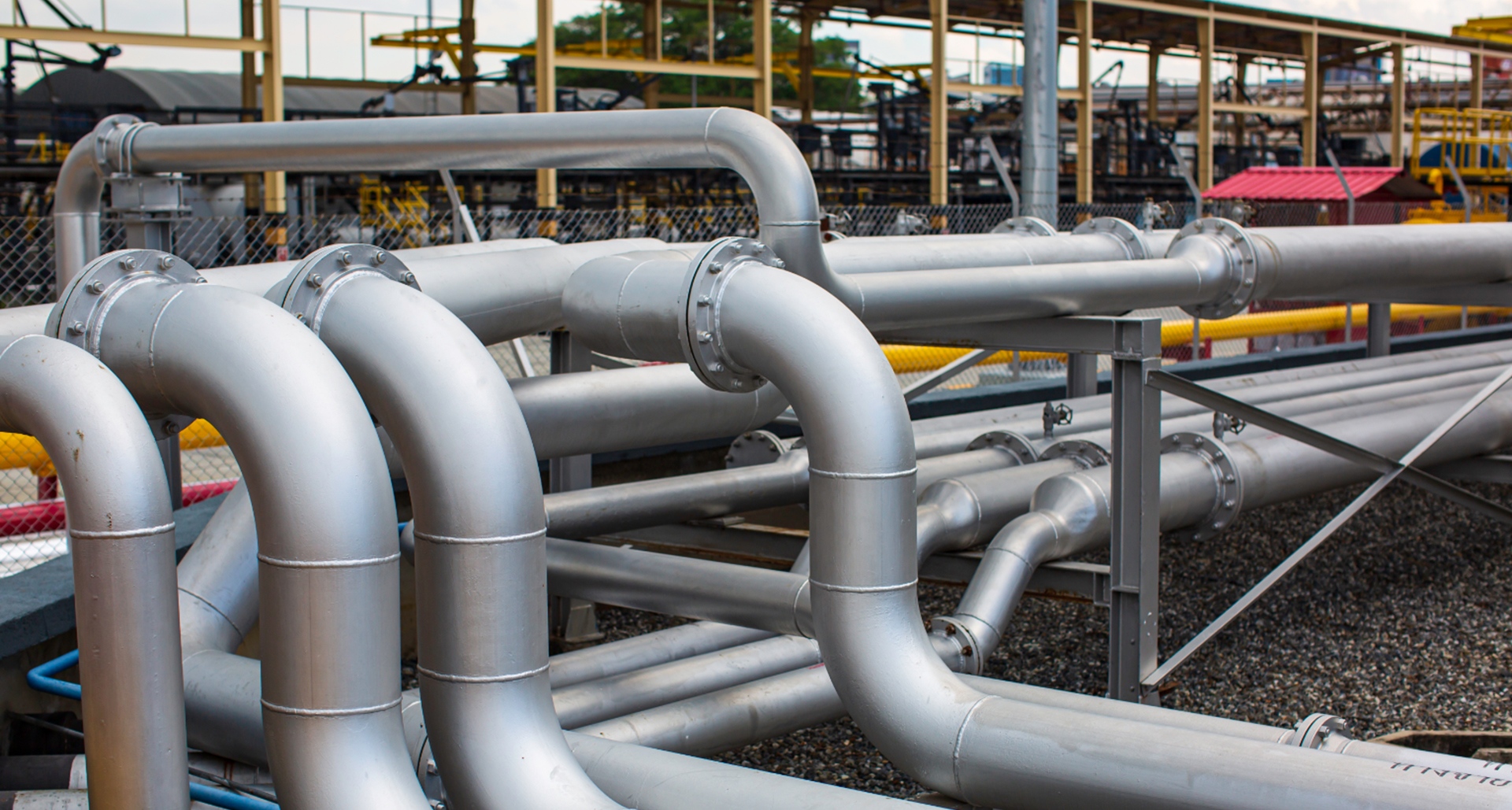
A safety valve is only as smart as the system controlling it. Our end-to-end industrial ecosystem seamlessly bridges gas detection, control interfaces, and physical valve shut-off mechanisms.
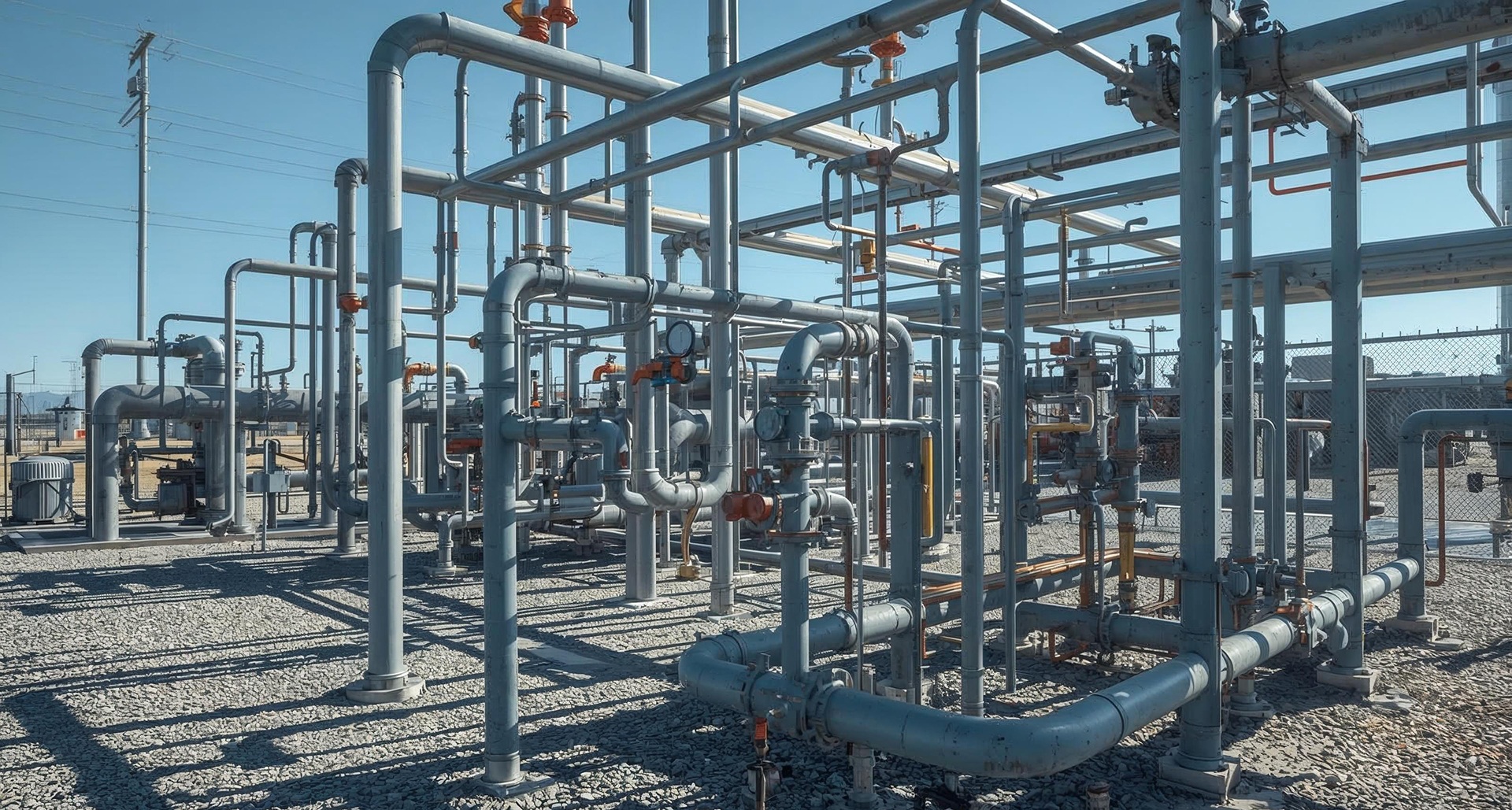
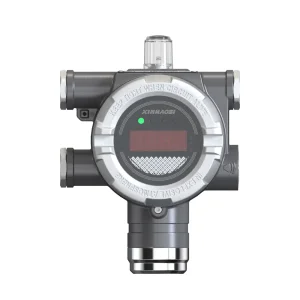
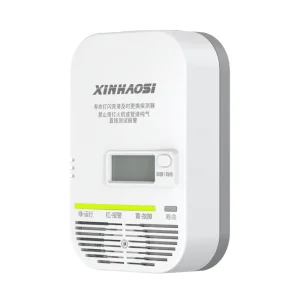
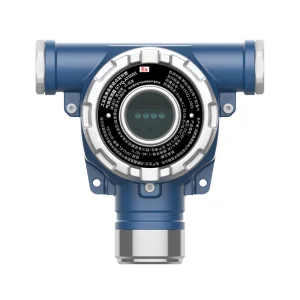
If a gas leak occurs, detectors (such as the GTYQ-AT0602A or underground GT-AT0617 monitoring device) detect the rise in gas levels within milliseconds. They instantly transmit high-speed digital or analog signals to central control panels or interlock boxes (like the JB-MK-AT2041/4G).
The control panel processes the warning signals and instantly cuts off current to the solenoid valves (e.g., CT-XF5 or KT-XF5 series). This triggers a physical mechanical release, causing the valve to shut tight within 1 second. This fail-safe approach ensures that even during a complete power failure, the valves default to a closed state, sealing the gas source and preventing hazardous leaks from escalating.
The future of safety infrastructure lies in connectivity, self-diagnostics, and high-performance materials. Our design plans focus on three main areas of innovation:
Integrating real-time status tracking via intelligent gateways (such as the FDG-X304SE) allows operators to monitor valve positions, solenoid coil temperatures, and electrical resistance remotely, paving the way for predictive maintenance.
Implementing surface-hardening treatments, wear-resistant coatings, and high-spec rubber compounds allows our valves to handle corrosive gases, damp underground mine shafts, and severe outdoor temperatures without degrading.
Developing low-wattage, energy-efficient solenoid coils reduces power consumption and heat generation. This ensures longer component life and reliable operation when running on backup battery power.
We collaborate with top-tier industrial corporations, municipal gas companies, and global distribution partners to deliver reliable, fail-safe safety infrastructures.






Stay up to date with the latest innovations, events, and expansions at Xinhaosi.
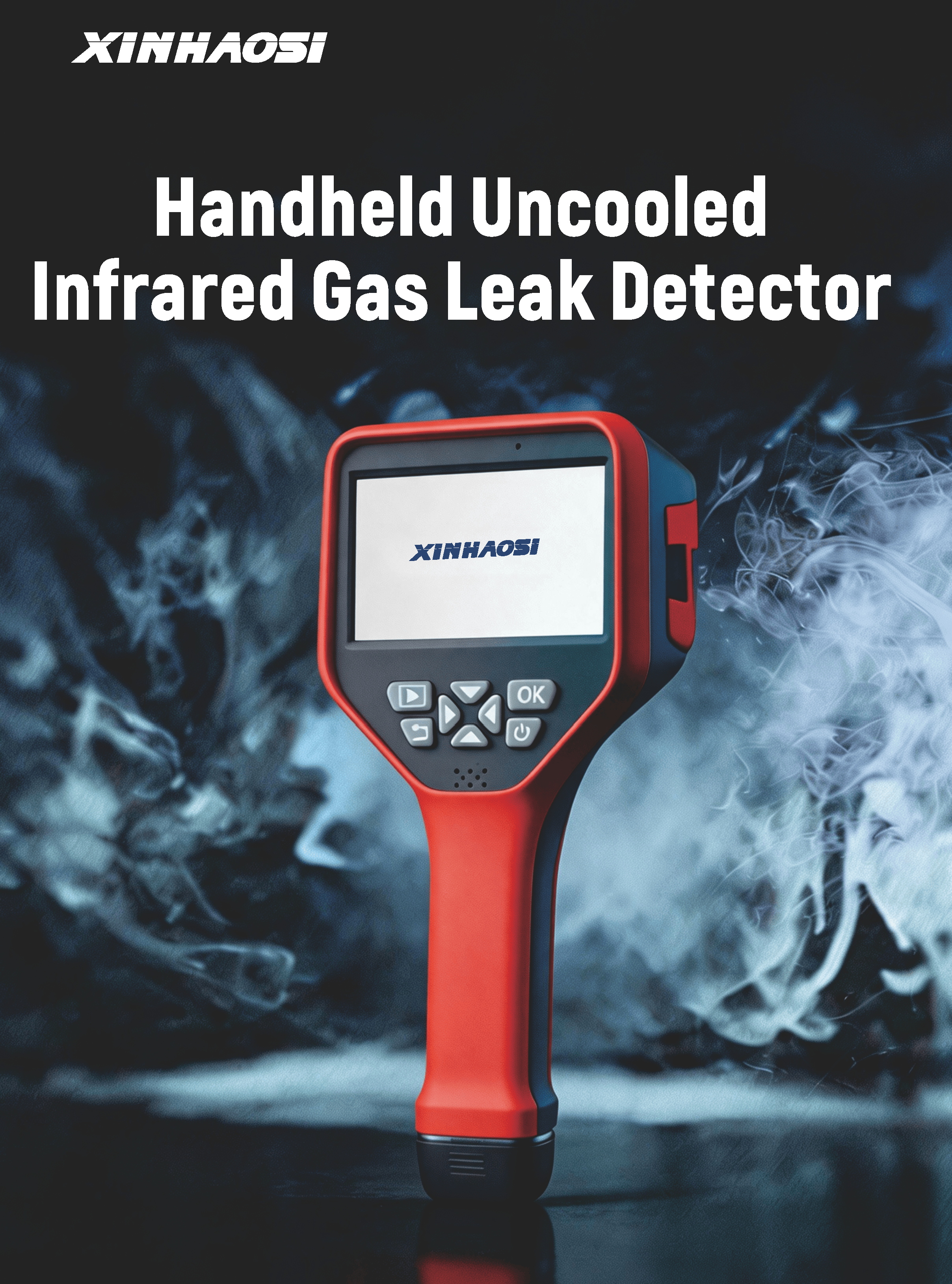
Officially introducing our new Handheld Uncooled Infrared Gas Leak Detector, featuring dual-technology fusion, ultra-fast response, and long-distance non-contact detection to enhance safety in petrochemical and industrial facilities.
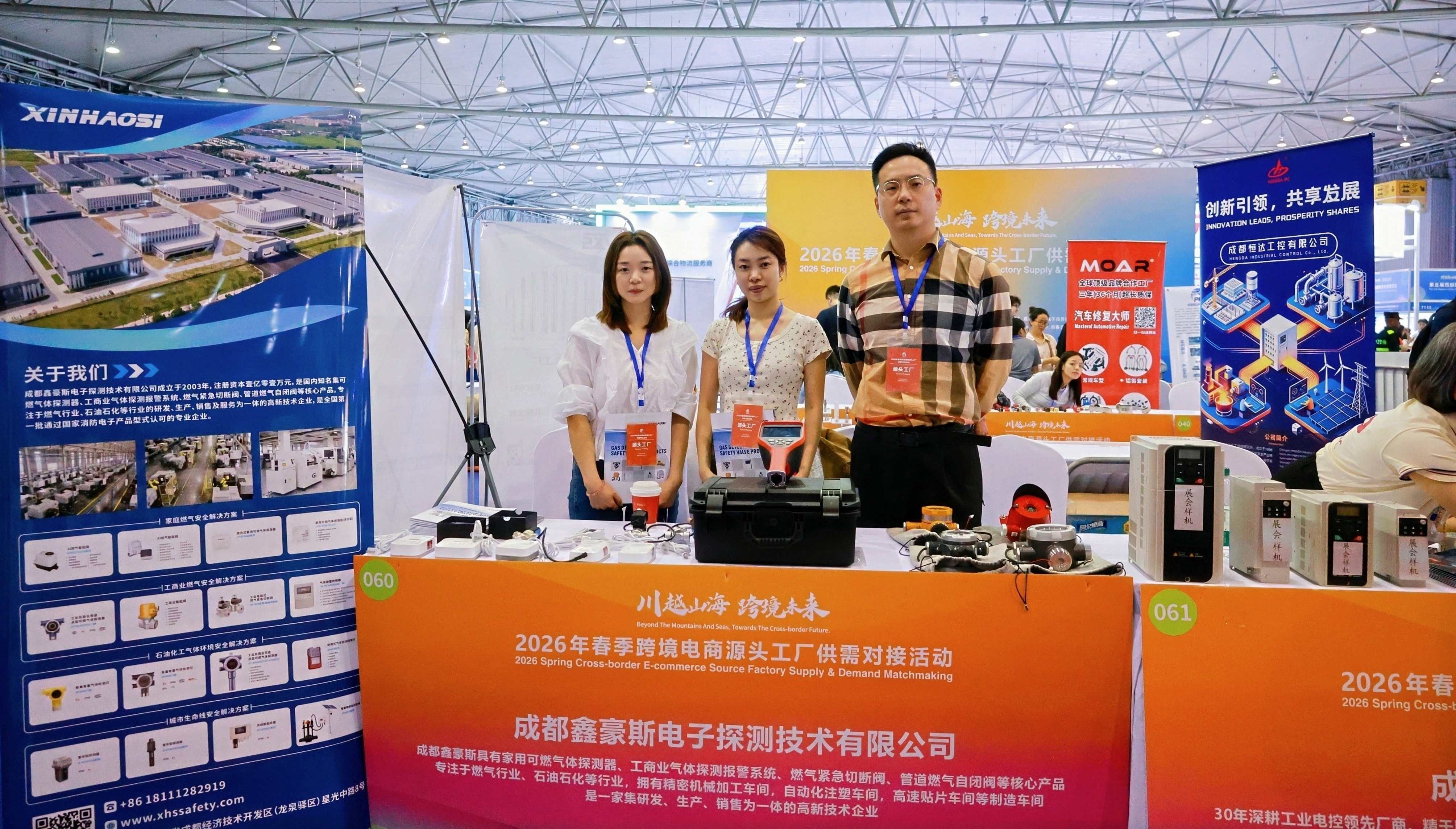
Connecting with international buyers, distributors, and supply chain enterprises at the Chengdu expo to expand global reach and develop overseas partnerships.

Collaborating with Southeast Asian enterprises to strengthen industrial partnerships, promote safety compliance, and explore regional market opportunities.
Get answers to common engineering, installation, and compliance questions about OEM Shut Off Valves.
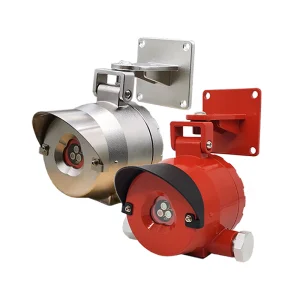
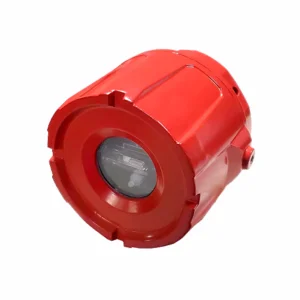
High-grade auxiliary valve actuators, triple-infrared flame sensors, and remote monitoring systems.