Advanced system control modules, explosion-proof detection hardware, and high-performance safety shut-off systems
How rapid urbanization and evolving energy infrastructure are dictating modern safety paradigms
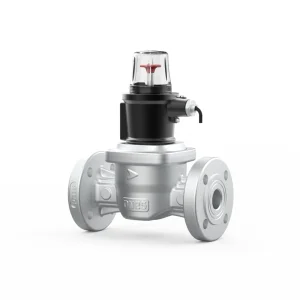
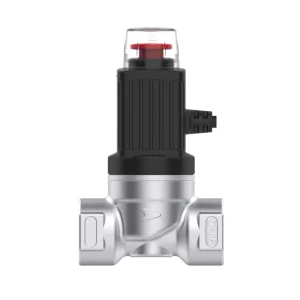
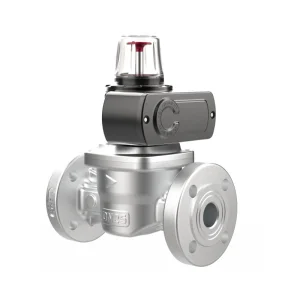
Low pressure (LP) solenoid valves act as final safety elements in critical lines routing Liquefied Petroleum Gas (LPG) and Liquefied Natural Gas (LNG). Throughout municipal pipelines, commercial kitchen lines, and light chemical processing plants, keeping system pressure within optimal thresholds demands fast-acting electro-mechanical valves. Modern requirements dictate tighter sealing tolerances to combat micro-leakages under low differential pressures.
Global regulatory bodies such as ATEX/IECEx, CE, and UL are continuously tightening environmental leakage regulations to minimize VOC release. Solenoid valves installed in low-pressure industrial networks must feature high-performance elastomer sealing (such as NBR or Viton) and robust metallic guides to guarantee millions of hazard-free operating cycles under harsh climates.
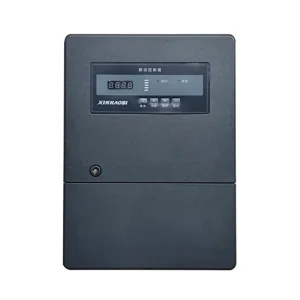
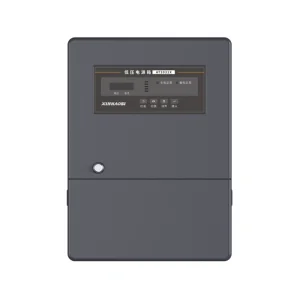
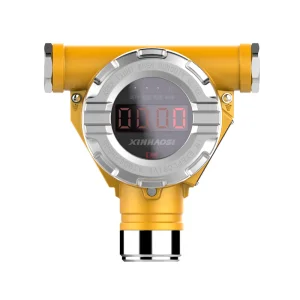
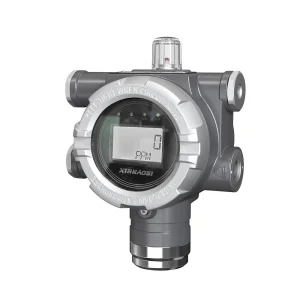
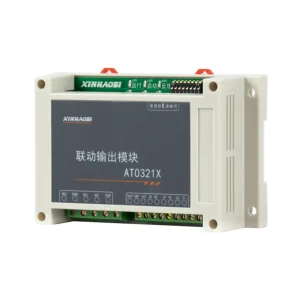
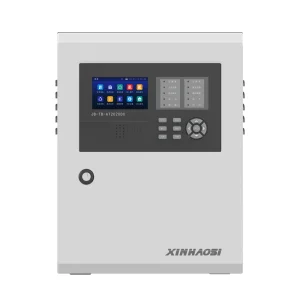
Industrial designers are shifting from isolated mechanical cut-offs to active, interlocked systems. Low-pressure solenoid valves must work seamlessly with explosion-proof gas detectors and centralized controllers (like the Xinhaosi JB-TB-AT2020 series) to create a closed-loop emergency shutdown system (ESD).
Understanding Direct-Acting, Pilot-Operated, and Latching Gas Solenoid Valves
| Valve Type | Operational Mechanism | Working Pressure Range | Core Application Scenario | Energy Efficiency Rating |
|---|---|---|---|---|
| Direct-Acting Solenoid | Plunger directly seals/opens the seat via electromagnetic force. | 0 - 0.5 Bar (Low Pressure) | Residential safety control, fast gas shutoff, laboratory networks. | Medium (Requires holding current when activated) |
| Pilot-Operated Solenoid | Utilizes line fluid differential pressure; coil acts as pilot pilot valve. | 0.5 - 16 Bar (Medium to High) | Main industrial distribution pipelines, commercial boiler feeds. | High (Optimizes line pressure) |
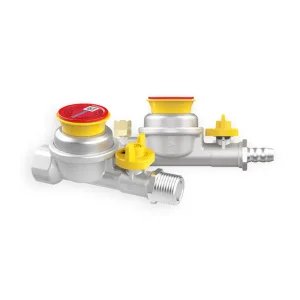
| Manual-Reset Latching | Pulse-triggered shutoff with manual manual lever pull-up to reset. | 0 - 1 Bar | Emergency system shutoff linked with combustible gas detectors. | Ultra-High (Zero power consumed during standby) |
In low pressure operations, selecting the correct configuration is highly dependent on system safety objectives. Our XF3 series normally opened industrial valves remain open during standard operations, requiring a current pulse only during an emergency leak detection event. This eliminates thermal buildup inside the electromagnetic coil and guarantees system operations even during power failures unless a shut-off command is triggered.
Conversely, normally closed variants (like the CT-XF5 series) function on a fail-safe methodology for high-risk regions; should utility power fail, the valve automatically snaps shut to isolate the hazardous area from further gas intrusion.


Xinhaosi Electronic Detection Technology Co., Ltd. has established itself as one of the most reliable gas safety system brands worldwide. We offer comprehensive customer-focused hardware solutions, safeguarding regional utility networks, industrial chemical parks, processing facilities, and millions of households globally.
Our electronic sensor integrations allow unknown risks of gas leaks to become immediately visible and actionable. Harnessing automated high-precision manufacturing, we provide integrated protection systems that couple mechanical shut-off with microsecond sensor responses.
Why global OEMs trust our advanced manufacturing plant for custom low pressure solenoid valves
Our valve bodies are cast from premium-grade brass and light aluminum alloys, and machined via state-of-the-art multi-axis CNC machines. This achieves dimensional accuracies within ±0.01mm, guaranteeing zero seat leakage and long-term durability against mechanical wear.
Every single LP solenoid valve leaving our factory assembly line undergoes strict automated helium/nitrogen pressure testing. We record pneumatic drop rates, electric current responses, insulation performance, and structural integrity to maintain a near-zero defect rate.
Our systems comply with European CE, Chinese GB, and national explosion-proof standards. The specialized explosion-proof coils on our valves are rated Ex d IIC T6, permitting safe installation inside high-risk chemical environments containing flammable gases.
We provide full design flexibility to international procurement agents. Whether modifying connection ports (G-threads, NPT, or flanges), adjusting operating voltage options (220VAC, 24VDC, or pulse currents), or engineering custom flow coefficients (Kv value), our R&D department handles technical changes directly at our production site.
Connecting low-pressure solenoid valves and gas detection systems to real-world industrial environments
Installed inside distribution kiosks and pressure reduction centers. Valves interface directly with intelligent city telemetry units, sealing gas lines instantly when regional pressures breach operating limits.
Integrated with burner management systems (BMS). Ensures that gas flow is shut off in less than half a second if flame failure is detected or burner air flow is lost.
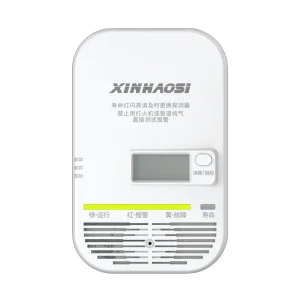
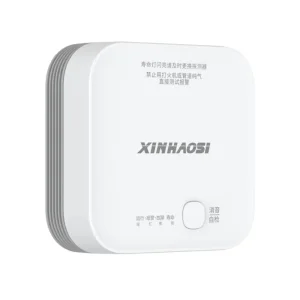
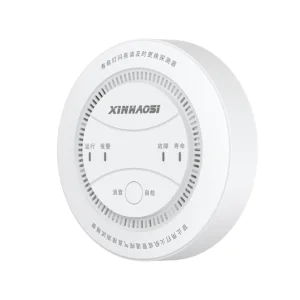
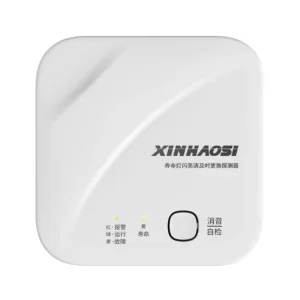
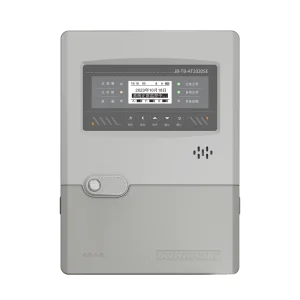
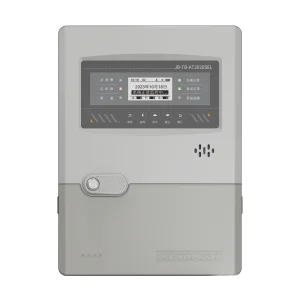
Linked with intelligent household detectors (e.g., JT-AT2018 or JT-AT2009 series). If a gas leak occurs, the detector triggers a 24V pulse to shut off the gas valve automatically, preventing accidents at the source.
True protection cannot rely on a single device. Our gas safety ecosystem integrates detectors, controllers, and valves into a unified network. In this framework, sensors continuously monitor environmental gas concentrations, and signal controllers (such as the JB-TB-AT2020SEL) process this telemetry. If safety thresholds are crossed, the controller triggers the LP solenoid valve, shutting off the gas line automatically.
Our solutions cover urban gas networks, food processing systems, chemical manufacturing facilities, and residential complexes. Our engineering teams design safe environments from the initial supply line to the end consumer.
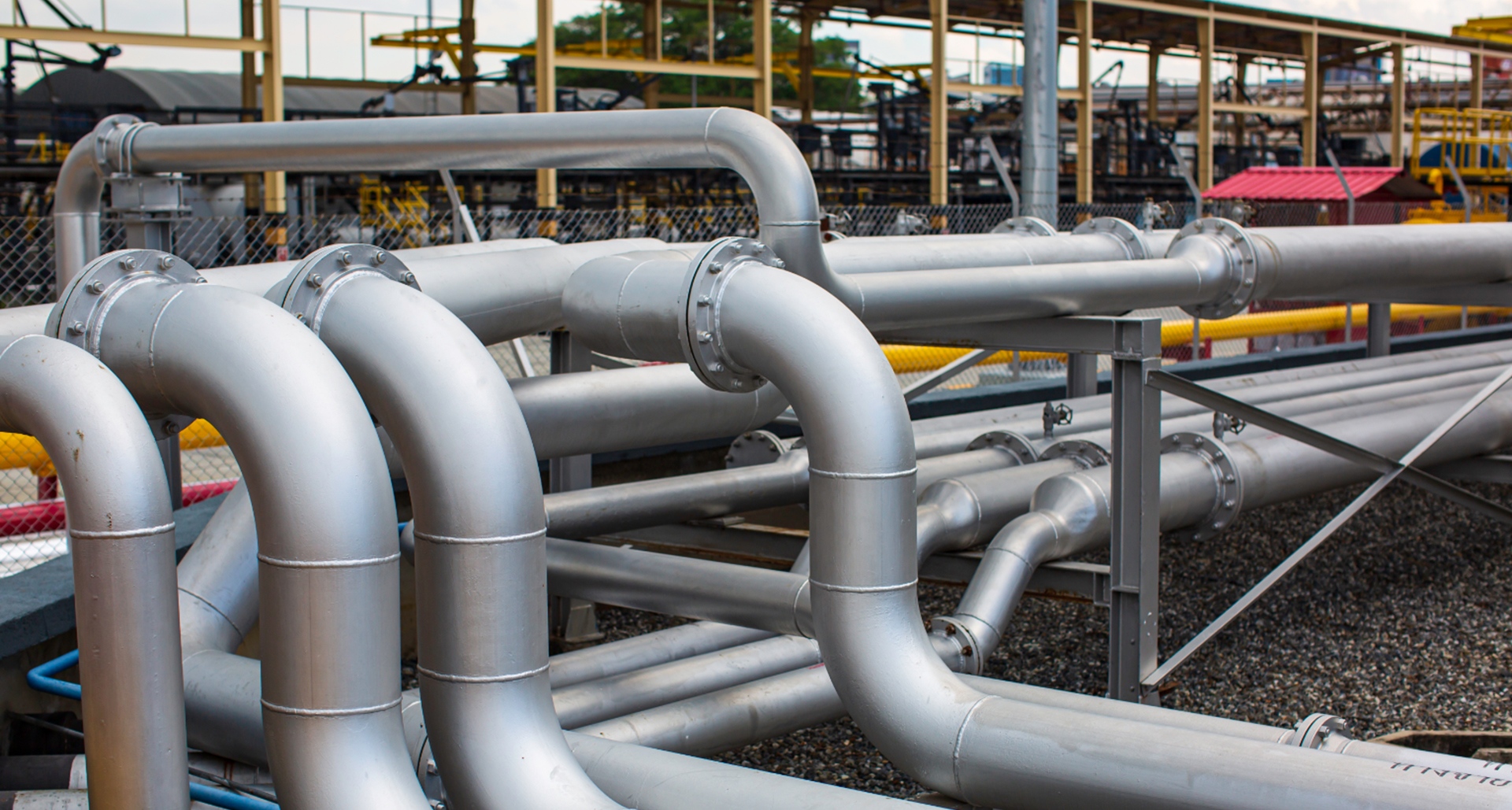
We work closely with major engineering firms, energy providers, and equipment suppliers worldwide










Track our global initiatives, new product launches, and technological developments
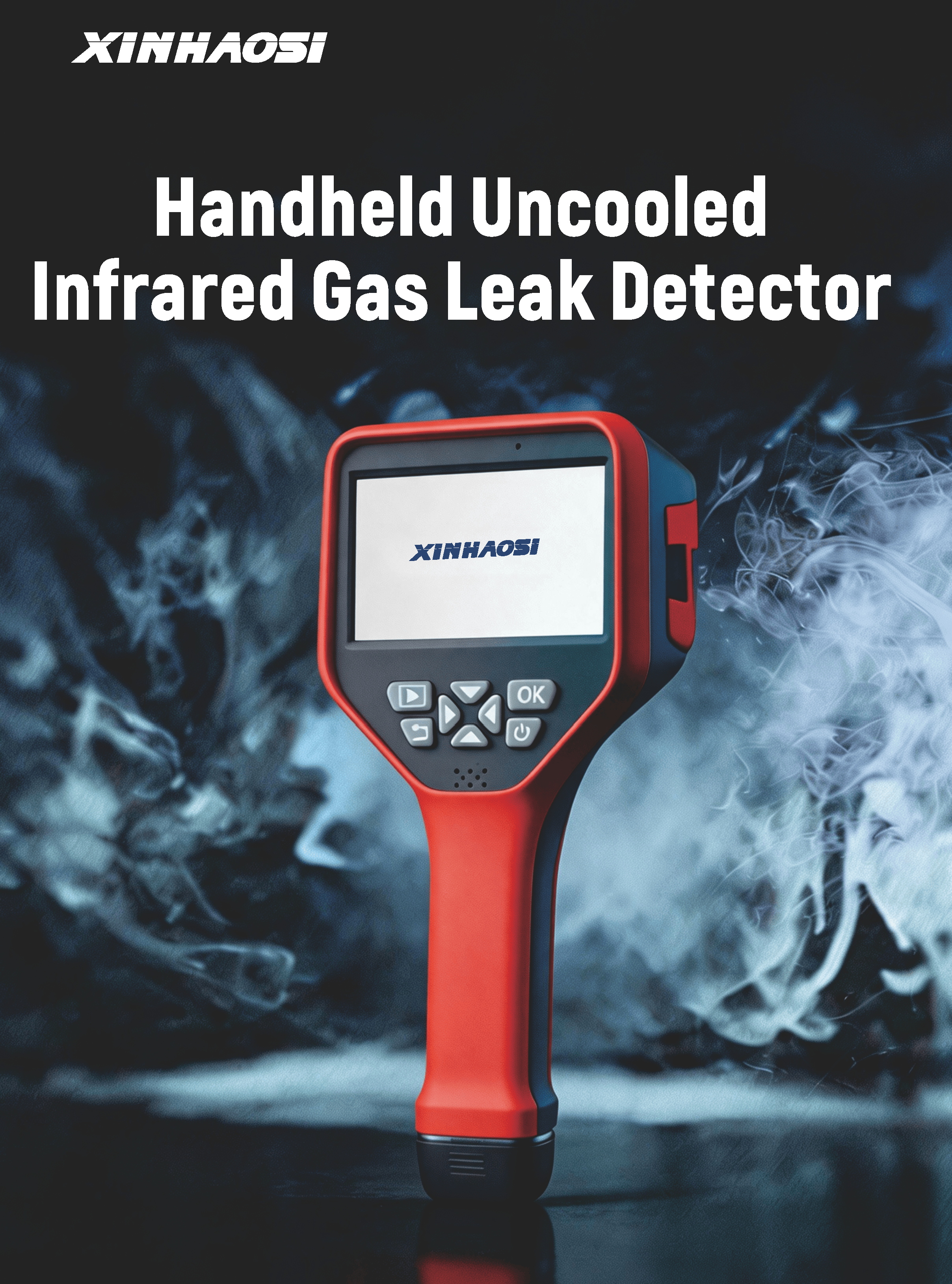
Integrating dual-sensor technology, this handheld device offers fast response times and non-contact monitoring to locate pipeline leakages in petrochemical and industrial facilities.
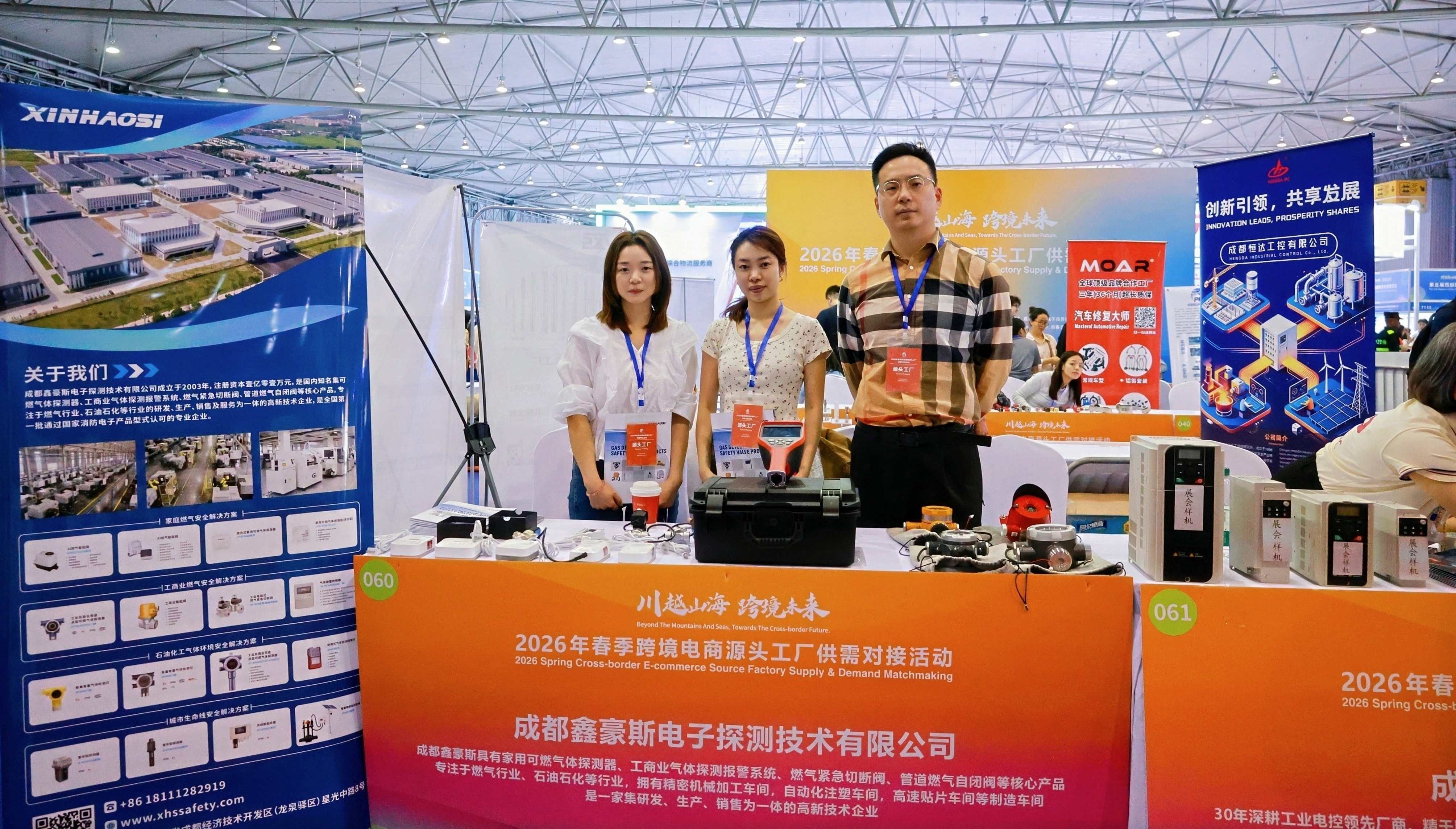
Xinhaosi engaged with global trade partners, showcasing certified valve assemblies, IoT-enabled gas leak systems, and safety control panels to regional procurement agents.

We strengthened industrial cooperation in Southeast Asia by presenting specialized low-pressure solenoid valves designed for humid regional distribution infrastructures.
Technical guidance and answers to common industrial gas system queries
Low-Pressure (LP) solenoid valves typically operate within a range of 0 to 0.5 Bar (approx. 7.25 PSI) for standard residential distribution, and up to 1 Bar for commercial systems. They are designed to shut off gas flow without requiring high minimum differential pressures to actuate.
Manual-reset valves cannot reopen automatically when power is restored. Once triggered by a leak detector, the valve remains closed. An operator must inspect the pipeline, resolve the leak, and pull the lever to restart flow, preventing accidents caused by automated system restarts.
NBR (Nitrile Butadiene Rubber) and Viton (FKM) are the industry standard materials. NBR is highly resistant to hydrocarbons and works reliably across wide temperature ranges, while Viton is preferred for higher temperatures or applications where aggressive chemical condensates are present.
By connecting low-voltage power boxes, gas detection panels, and solenoid valves, the system can automatically shut off gas lines, shut down process heating elements, and activate exhaust fans if a leak is detected, isolating hazards before gas concentrations reach explosive levels.
High-sensitivity detectors, automatic pipeline shut-off valves, and advanced multi-channel gas safety controllers