
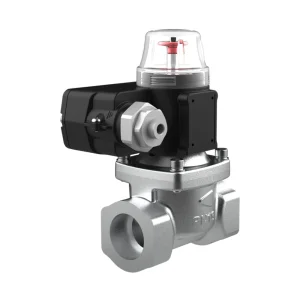
The selection of raw materials is pivotal for securing fluid sealing systems in pipelines handling hazardous combustibles. High-grade brass (such as CW617N and HPb59-1) is utilized alongside cast steel and SS316 stainless steel to ensure optimum corrosion resistance, high tensile strength, and minimal thermal fatigue over extended life cycles. Proper formulation prevents dezincification and cracking under mechanical strain.
OEM half-inch gas valves incorporate advanced elastomer formulations (such as Viton, NBR, and PTFE) to achieve bubbles-tight closures conforming to ANSI Class VI sealing standards. Our design minimizes seat friction, allowing quick activation and preventing internal leak paths when subject to extreme temperature differentials from -20°C up to +80°C in high-pressure distribution environments.
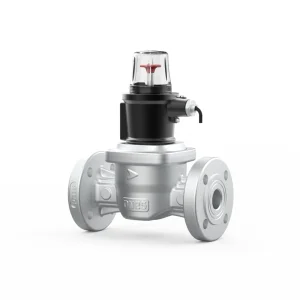
For electromagnetic shut-off valves, reaction speed is a critical metric for life safety. When paired with external gas detectors or interlock monitoring systems, the solenoids respond in less than 1 second to isolate gas supply lines. The coil structures are optimized with high-performance copper wiring and high-dielectric insulation compounds to resist thermal breakdown under continuous current configurations.
Designing an optimized 1/2-inch gas valve requires a delicate balance between maximum flow capacity and minimized pressure drop. In commercial and residential HVAC applications, minimizing restriction inside the valve body is vital to maintain downstream gas appliance burner efficiency. The geometry of the internal channel (port diameter) must be engineered using Computational Fluid Dynamics (CFD) models to prevent turbulent flow regimes. For standard half-inch configurations, keeping the Cv (flow coefficient) value above 3.5 guarantees minimal pressure loss even during peak demand cycles, preventing system starvation in multiple-appliance installations.
Moreover, when integrating 1/2-inch valves into low-pressure systems (e.g., natural gas lines running at 7 to 11 inches of water column or 1.7 to 2.7 kPa), even a nominal pressure drop across the seat can trigger appliance lockouts. Therefore, our manufacturing process maintains tight tolerance margins on the inner orifice finish, reducing surface roughness to decrease drag coefficients and stabilize supply parameters across fluctuating pressure thresholds.
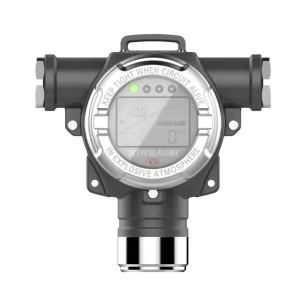
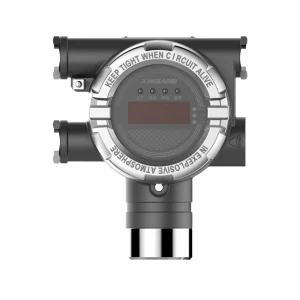
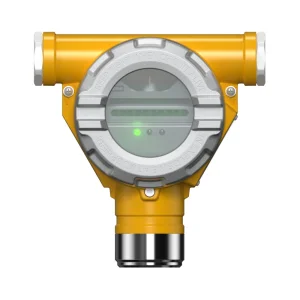
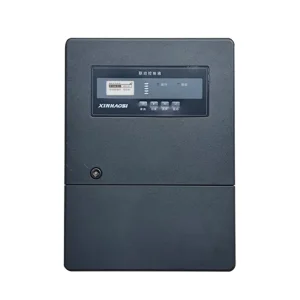
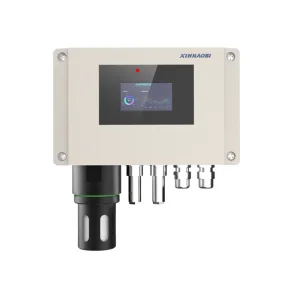
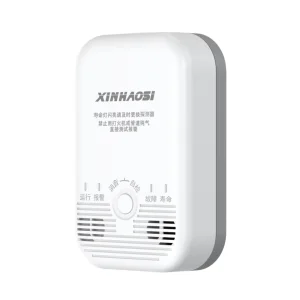
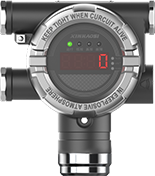
A safety valve is only as effective as the monitoring architecture to which it belongs. As a pioneer in the industry since 2003, Xinhaosi has developed comprehensive integrated solutions where the half-inch gas solenoid valve works in tandem with smart control panels and remote detection arrays. In the event of a minor combustible gas leak, local detectors such as the JT-AT2005 series transmit an electronic trigger signal to the JB-MK-AT2041X interlock control box, which immediately drops electrical output to the solenoid, allowing the internal spring to snap shut the valve core and stop the flow of gas instantly.
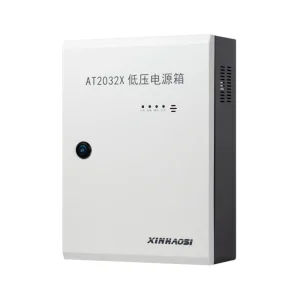
This closed-loop system is highly reliable because it operates independently of main electrical power grids, using low-voltage power units such as the OEM AT2032X Low Voltage Power Box. The integration ensures that in power outages or main grid failures, the system retains sufficient capacitance and battery backups to operate the shutoff sequence, preventing localized gas pooling and subsequent explosive hazards.
"The integration of precision mechanical valving and intelligent electronic detection stands as the premier defense line in high-risk commercial and industrial gas networks globally."

Founded in 2003, Xinhaosi has evolved into one of the most influential and reliable brands in the gas safety industry. We provide customer-focused products and services to safeguard the safe operation of every factory, the comfort of every city, and the peace and happiness of every home.
We utilize advanced electronic detection technology to make unknown gas leak risks clear, visible, and instantly controllable. Powered by cutting‑edge production systems and technology, we deliver more advanced, intuitive, and precise gas safety solutions for shaping a safer world.
From core valve engineering to smart remote detection and automated shutoff.
Protecting commercial kitchens, municipal distribution pipelines, and residential zones.
For entry into North American markets, 1/2-inch gas valves must conform to strict ANSI Z21.21 / CSA 6.5 standards for automatic safety valves, as well as UL 429 standards for electrically operated valves. Compliance requires the valves to undergo rigorous lifecycle tests (minimum 100,000 cycles without failure) and operate reliably under pressure extremes common in commercial heating and process equipment. Our engineering team ensures all NPT threads and electrical connections conform exactly to NEC and NEMA specifications for seamless field deployment.
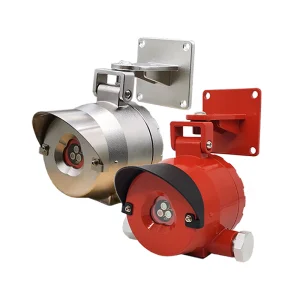
European markets mandate compliance with EN 161, which governs automatic shut-off valves for gas burners and gas appliances. The directive classifies valves into distinct performance categories (Class A, B, or C) based on closing time and pressure handling capabilities. Additionally, for installations in petrochemical facilities, refineries, and grain elevators where combustible dusts or explosive vapors are present, our valves feature explosion-proof coils and enclosures certified to ATEX and IECEx Zone 1 and Zone 2 directives, mitigating spark ignition risks.
Leveraging Chinese manufacturing infrastructure for OEM half-inch gas valves delivers a distinct competitive edge to global buyers. Positioned in the heart of advanced industrial clusters, Chinese factories benefit from a complete, vertically integrated supply chain. Raw material sourcing (high-grade brass rods, stainless steel casings, precision springs, and premium elastomer seals) occurs within tight geographic radiuses, reducing logistics bottlenecks and stabilizing procurement lead times.
Furthermore, our production facility features state-of-the-art automation: high-speed multi-axis CNC machining centers, automated coil winding machinery, and automated robotic assembly cells. This level of automation ensures that every single valve body exhibits uniform structural tolerances, eliminating human error from the assembly phase. Most importantly, quality assurance protocols are strictly standardized. Every individual valve undergoes 100% pneumatic leak testing (both seat and body shell), high-voltage dielectric tests on solenoid coils, and performance verification at extreme limit parameters prior to global container packaging and shipment.

When selecting an OEM partner for half-inch gas valves, procurement officers must evaluate parameters extending beyond unit costs. Total Cost of Ownership (TCO) calculations should encompass the durability and MTBF (Mean Time Between Failures) of the valves. Low-quality imports often suffer from early coil burnout or elastomer decay, causing costly operational downtime and emergency maintenance visits. Additionally, assessing the manufacturer's ability to offer customizable port configurations, unique coil voltages (e.g., 24VDC, 110VAC, 220VAC), and local thread standards (NPT, BSPP, BSPT) is critical for matching regional engineering requirements without requiring layout modifications.
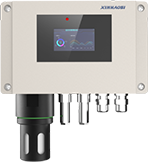
The gas safety sector is undergoing rapid transformation, propelled by the rise of smart city infrastructure and the global transition to cleaner fuels. Traditional gas valves are shifting toward IoT-enabled smart devices integrated with digital pressure monitors like the GT-AT0637 Wireless Smart Pressure Monitor. These assemblies transmit operational metrics (pressure levels, system cycles, and ambient temperatures) to cloud-based monitoring portals. Facility managers can now monitor valve health in real-time, switching from reactive maintenance schedules to predictive maintenance strategies.
Furthermore, decarbonization efforts have introduced hydrogen-blended natural gas to municipal supply grids. Because hydrogen molecules are significantly smaller and more prone to leaking than methane, traditional valve seals are proving insufficient. To address this, next-generation half-inch gas valves incorporate specialty materials and dual-seal structures designed to resist hydrogen embrittlement, ensuring reliable shut-off performance even in networks carrying up to 20% hydrogen blends.
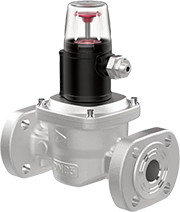
A normally open (NO) valve remains open when de-energized, requiring an electrical pulse to shut off the gas flow. This configuration is widely used in residential safety systems (such as the XF5III series) because the valve will not close accidentally during momentary power interruptions, preventing nuisance outages. Conversely, a normally closed (NC) valve requires continuous power to remain open, acting as an automatic fail-safe that instantly blocks gas flow if power is lost.
For both natural gas and liquid petroleum (LP) gas, high-grade brass (such as HPb59-1 or CW617N) offers excellent physical properties and corrosion resistance. LP gas has a higher concentration of hydrocarbons, requiring the use of Viton (FKM) or high-nitrile NBR seals to prevent elastomeric swelling and degradation over time. Natural gas systems can utilize high-quality NBR seals, but Viton remains the preferred choice for long-term sealing stability under temperature extremes.
Explosion-proof coils (typically conforming to ATEX or IECEx standards) are designed to isolate electrical components from the surrounding atmosphere. The coil housing is built to contain any internal spark or heat generation, preventing the ignition of ambient explosive gases or dust mixtures. This makes them essential in oil, gas, chemical processing, and industrial paint booths.
As a global OEM manufacturer, we supply half-inch valves in all major thread configurations, including NPT (National Pipe Thread) for the North American market, BSPP (British Standard Parallel Pipe) for European applications, and BSPT (British Standard Taper Pipe) for Commonwealth regions. Matching the correct thread profile ensures leak-free connections and fast installation times in localized piping networks.
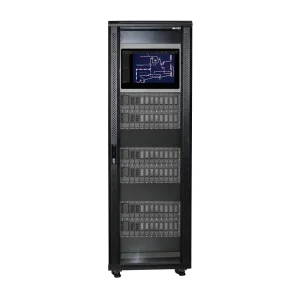
The interlock control box (like the JB-MK-AT2041X) acts as the central logic unit of the safety system. It monitors input signals from gas, smoke, or fire detectors. When a hazard is detected, the control box interrupts the electrical circuit to the gas valve, triggering an immediate shut-off. Many systems feature a manual reset option to ensure gas flow cannot resume until the site is inspected and cleared of leaks.
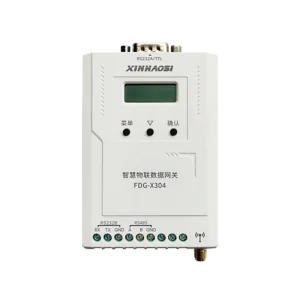
Yes, our modern OEM gas valves can interface with smart home hubs and industrial IoT platforms. By integrating dry contact relays or Modbus RS485 communication protocols via intelligent data gateways (such as the FDG-X304), operators can monitor valve position and trigger remote shutoff operations via mobile applications or building management systems.
Every batch undergoes multi-stage quality control checks. This includes high-precision dimension verification, material composition analysis (using spectrometers), high-pressure pneumatic shell testing, bubble-tight seat leak testing, and electrical coil resistance and insulation tests. We also perform destructive lifecycle tests on random samples to confirm they exceed the 100,000-cycle threshold.
Lead times depend on the level of customization. For standard configurations with custom branding or labeling, production typically takes 3 to 4 weeks. For fully custom designs involving new body castings or specialized electrical certifications, the process (including prototyping and testing phases) ranges from 8 to 12 weeks. Our streamlined manufacturing model ensures efficient turnaround times.
























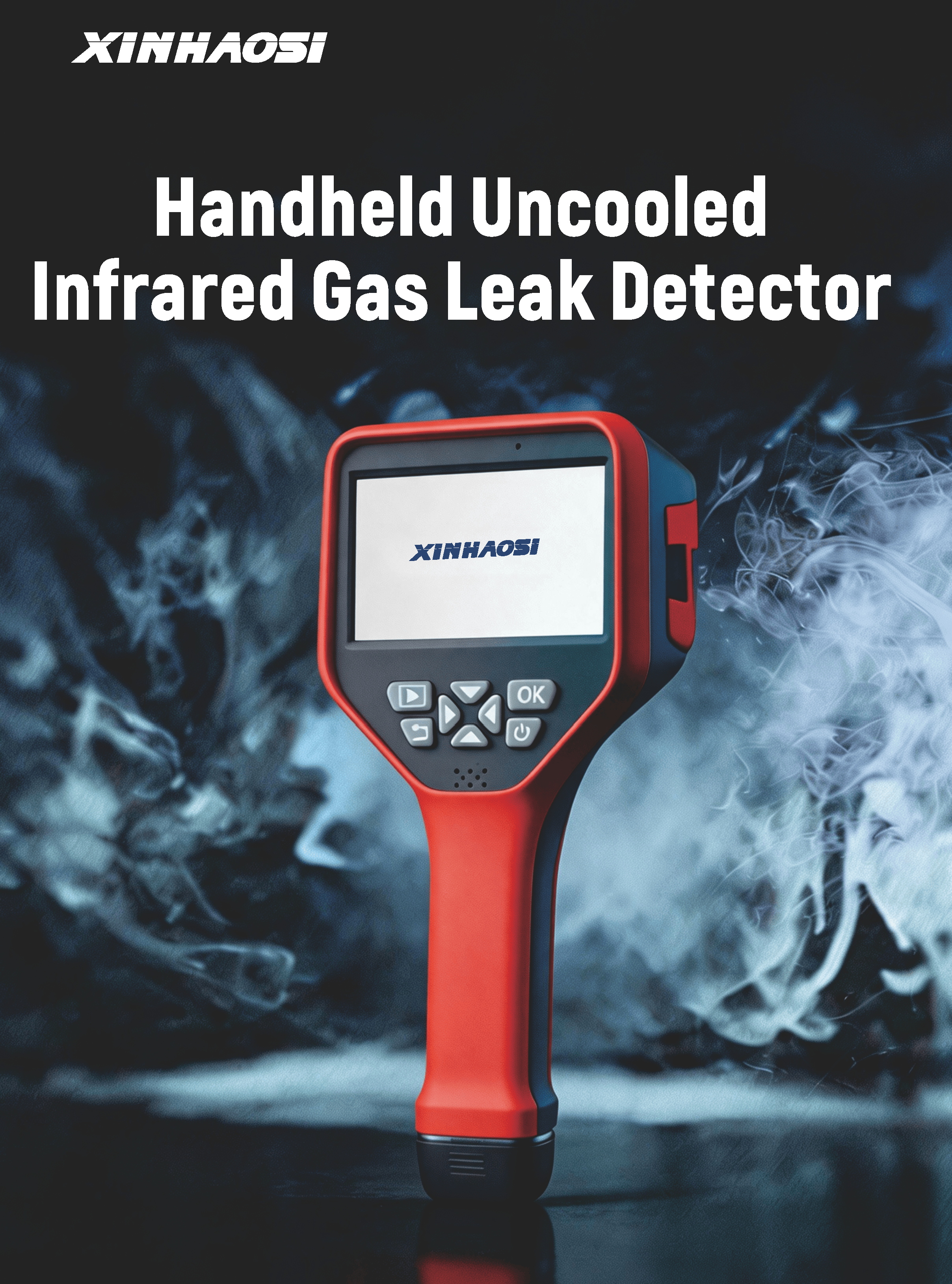
Xinhaosi Electronic Detection Technology Co., Ltd. officially launched its new Handheld Uncooled Infrared Gas Leak Detector, featuring dual-technology fusion, ultra-fast response, and long-distance non-contact detection to enhance safety and efficiency in petrochemical, refrigeration, natural gas and industrial safety scenarios.
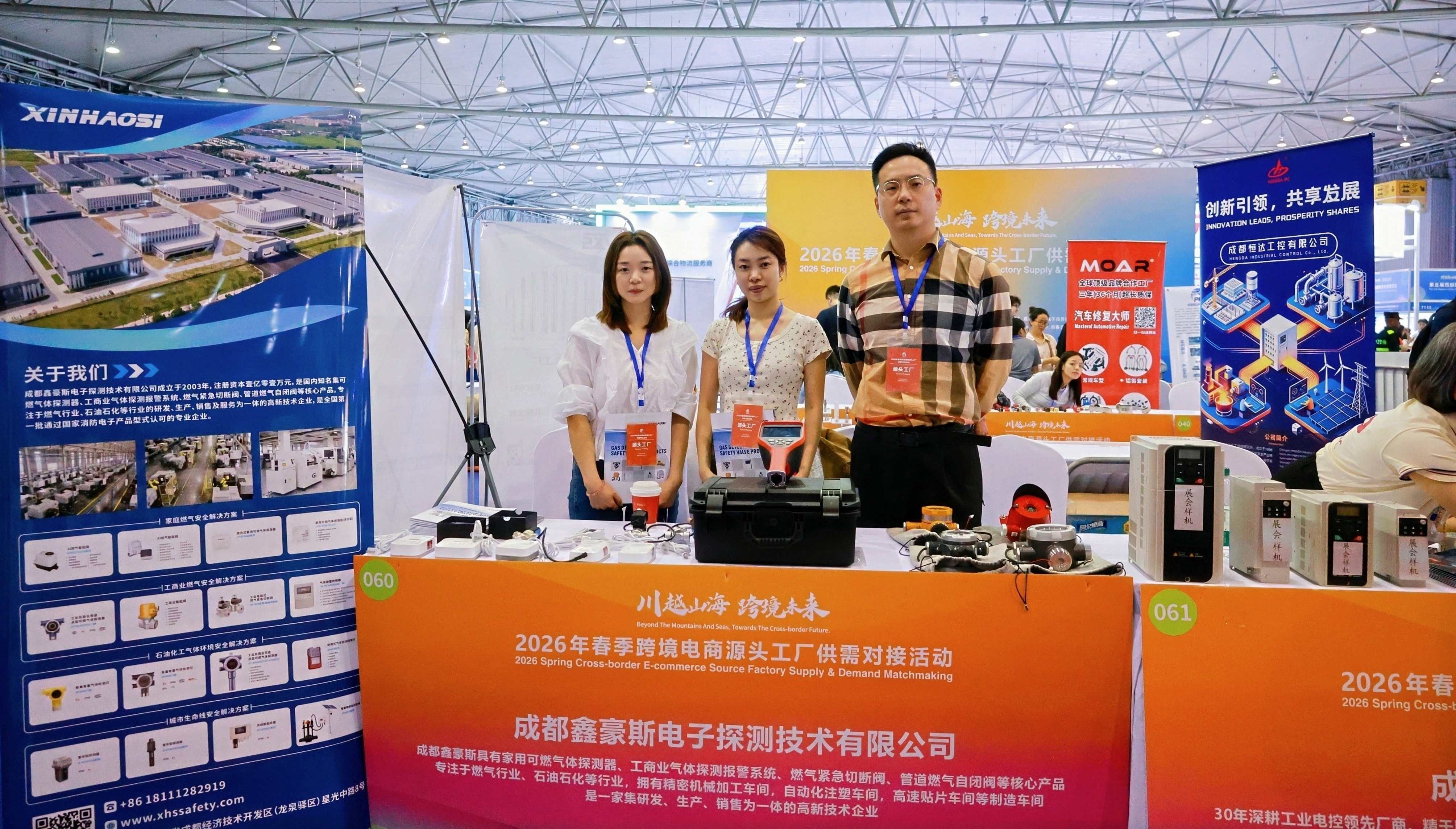
XINHAOSI recently participated in the 5th Western China Cross-Border E-Commerce Expo held in Chengdu. The event brought together cross-border e-commerce platforms, global buyers, manufacturers, and supply chain companies, creating new opportunities for international business cooperation and overseas market development.

XINHAOSI recently participated in the 2026 Sichuan (Chengdu) – Indonesia Industry Matchmaking Conference held in Chengdu. The event gathered enterprises and industry representatives from China and Indonesia to strengthen industrial cooperation and explore new business opportunities in Southeast Asia.